



Showing 1 - 10 of 16
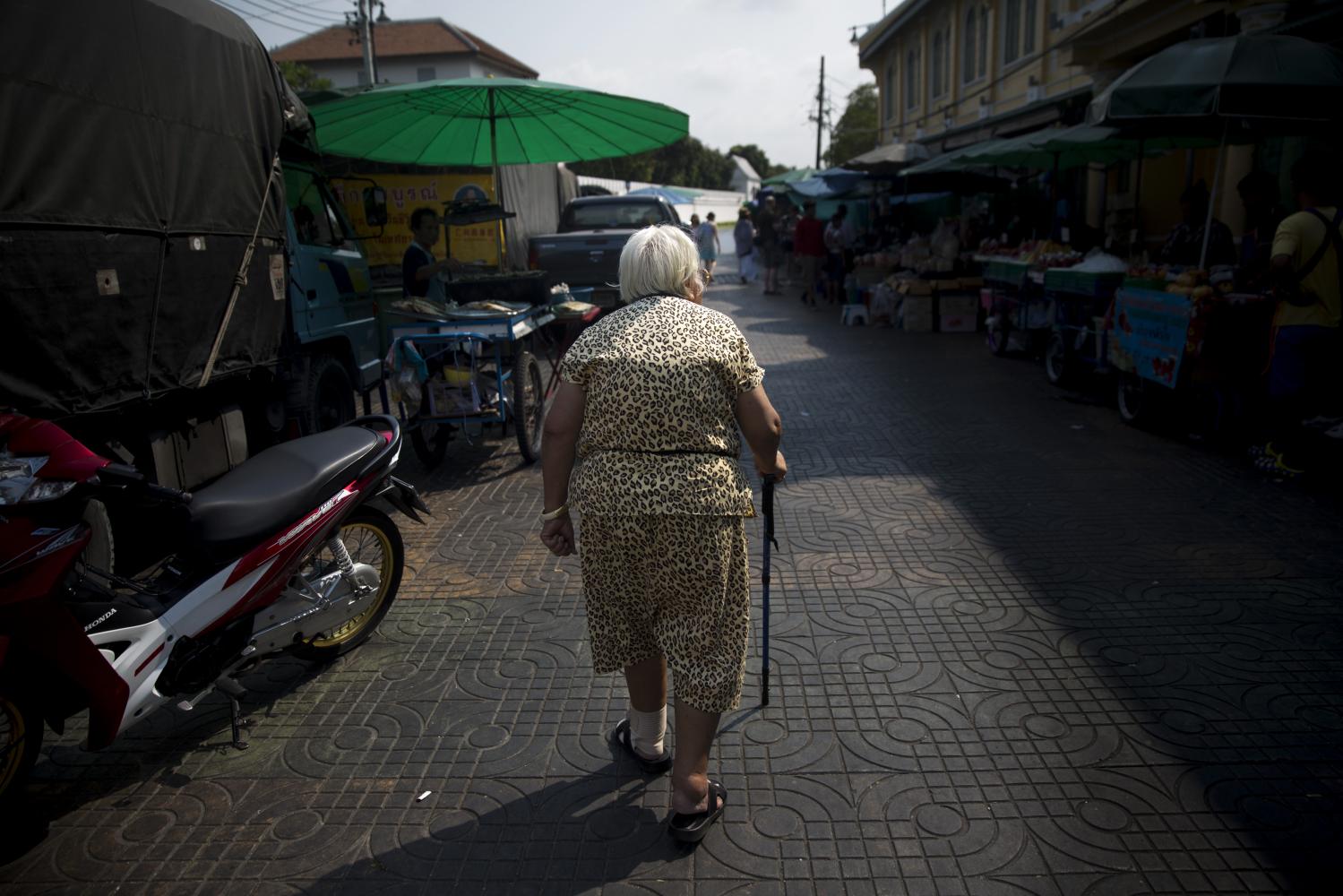
Healthy ageing in Southeast Asia
News, Pattana Promphat & Tedros Adhanom Ghebreyesus, Published on 20/10/2025
» The Southeast Asia region is undergoing one of the most profound demographic shifts in its history. By 2050, the proportion of people aged 60 years and above will nearly double -- from 11.3% in 2024 to 20.9%. That means 441 million older people -- one in five people -- will call this region home. This transformation is both a triumph of public health and a test of our collective will and capacity to adapt.

Time to boost region's oral health
Oped, Poonam Khetrapal, Published on 22/03/2023
» On World Oral Health Day which fell on Monday, WHO urge Southeast Asian countries to accelerate implementation of the region's new Action Plan for Oral Health 2022–2030, which aims to ensure that everyone, everywhere in Southeast Asia can enjoy the highest attainable state of oral health, with a focus on achieving universal coverage for oral health by 2030.

Big steps for our 'expanding' nation
News, Editorial, Published on 12/03/2023
» Two years ago, the Public Health Ministry changed its guidelines to confirm that the average Thai child was, in fact, getting taller. To mark World Obesity Day on March 4, the Department of Health released a report saying that not only are they taller, but they are also much bigger -- with one in 10 children aged under 15 found to be clinically obese.
Fighting cancer in Southeast Asia
Oped, Poonam Khetrapal, Published on 07/02/2023
» On World Cancer Day, which is concurrent on Feb 4 annually, the WHO is calling for intensified action across the Southeast Asian region to strengthen health systems to prevent and detect cancers early, to provide prompt treatment referral, to enhance access to palliative care, and to close the gap in access to quality cancer services -- the theme of this year's commemoration.
Funding the fight against NCDs
Oped, Stephen Ogweno, Published on 08/07/2022
» Non-communicable diseases (NCDs), such as cardiovascular disease, cancer, lung disease, diabetes, obesity and mental disorders, are often chronic and develop over a long period. Collectively, NCDs account for about 70% of all deaths globally (and 60% of deaths in Sub-Saharan Africa, where they account for over 55% of hospital admissions in countries such as Kenya). Developing countries thus face a double burden of illness, with communicable diseases like malaria, HIV, and tuberculosis still presenting a huge challenge alongside the rising incidence of NCDs.
The for-profit pandemic, and how to stop it
Oped, Andrés Constantin, Published on 15/12/2021
» It has been less than two years since phrases like "flatten the curve", "contact tracing", "social distancing", and many others related to the Covid-19 pandemic entered the lexicon and became part of everyday communication. People everywhere have learned more about epidemiology, virology, and immunology than they ever expected they would.
Ramp up action against NCDs
Oped, Poonam Khetrapal, Published on 24/06/2021
» Amid the Covid-19 response, opportunities to prevent, detect, control and treat noncommunicable diseases (NCDs) must be fully harnessed.
Covid boosts case for quitting
News, Renaud Meyer & Dr Daniel Kertesz, Published on 31/05/2021
» During the Covid-19 pandemic, strengthening tobacco control laws makes even more sense for Thailand.

Do you suffer from malnutrition? Quite possibly
News, Kundhavi Kadiresan, Published on 18/10/2019
» The word "malnutrition" tends to evoke images of starving children in refugee camps, fleeing conflict or drought in faraway lands. While that image does reflect a reality of hunger, it does not solely define malnutrition or those who suffer from it.
Obesity now an African crisis, too
News, Kasumi Iwase, Published on 20/03/2019
» When it comes to health issues in Africa, people think of chronic hunger or infectious diseases such as malaria or HIV/Aids. But Africa is simultaneously struggling with an increase in non-communicable diseases, most of them related to obesity.