




Showing 1 - 10 of 498
False promises no solution to empty pockets
Oped, Saritdet Marukatat, Published on 30/03/2026
» Thailand has returned to a painful reality under a new government still fresh from the political rhetoric bandied about during the election campaign.

A plaintive song for the taxman
Roger Crutchley, Published on 29/03/2026
» I've just got back from filing my income tax and must thank the staff at the branch of the Revenue Department for their helpfulness and efficiency. It must be a thankless job knowing that nearly everyone they deal with would probably rather be somewhere else.
Selective outrage will not end the war in Iran
Oped, Jayati Ghosh, Published on 27/03/2026
» Few United Nations Security Council resolutions have been as one-sided as its recent condemnation of Iran's "egregious attacks" on regional neighbours such as Bahrain, Qatar, Saudi Arabia, and the United Arab Emirates. Leaving little room for interpretation, it describes those attacks as "a breach of international law and a serious threat to international peace and security".
Testing times could prove govt mettle
Oped, Veera Prateepchaikul, Published on 09/03/2026
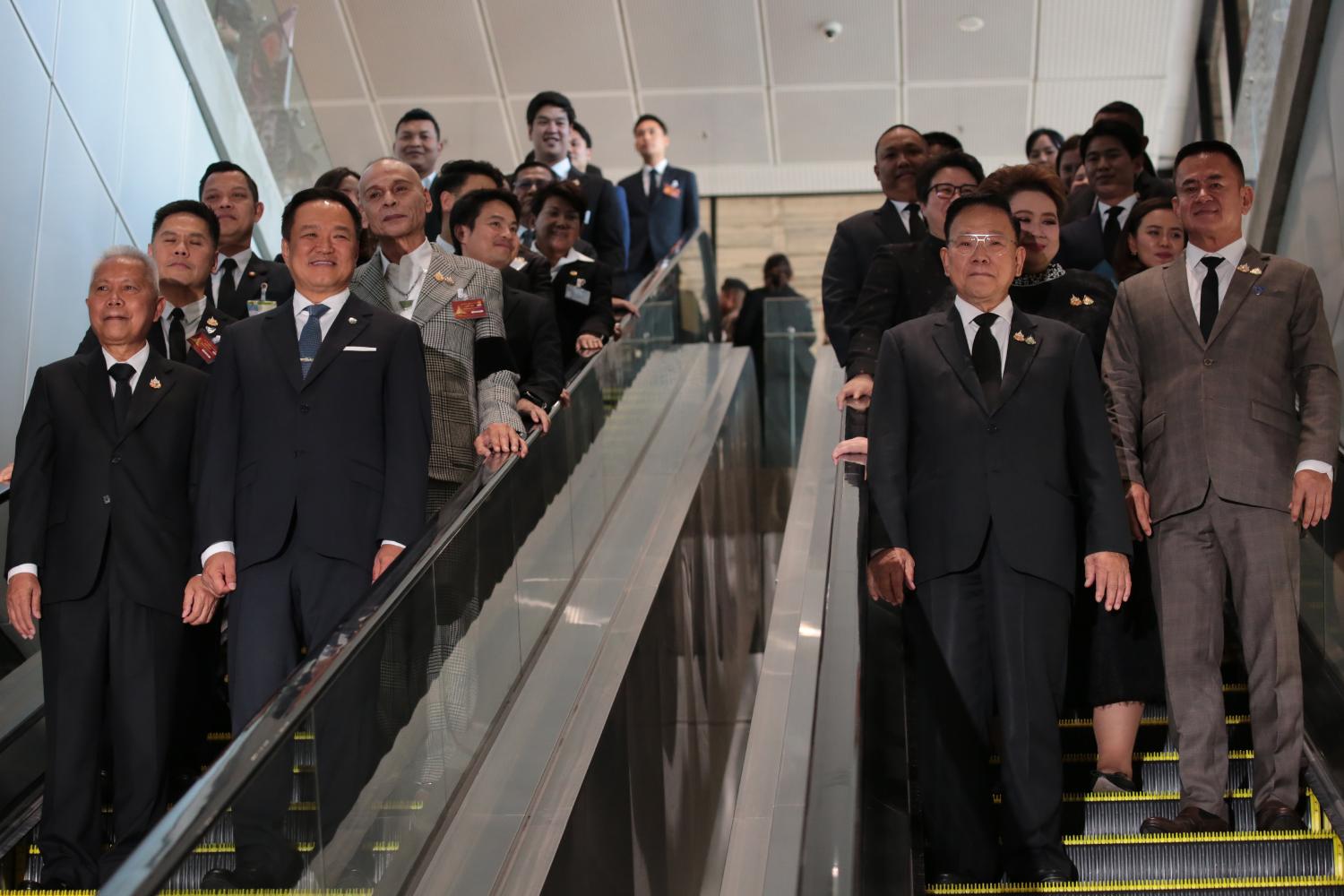
» A honeymoon period seems out of the question for the new administration led by the Bhumjaithai Party, which may come into office in late April or May, depending on how quickly the processes of electing the House Speaker and his two deputies, and the election of the prime minister in parliament, take place.

No lesson here
Oped, Postbag, Published on 09/03/2026
» Re: "Can Russia 'rise' again in Asean?", (Opinion, March 3).

Give BMA cooling centres a chance
Editorial, Published on 08/03/2026
» The Bangkok Metropolitan Administration's (BMA) initiative providing air-conditioned "cooling centres" may be met with a degree of scepticism but the initiative is an undeniably novel and humane response for a city increasingly pushed to its limits by climate risks -- marked by long summers and more frequent extreme heat events.
We don't need 'Seven Dangerous Days'
Oped, Peerasit Kamnuansilpa, Published on 27/02/2026
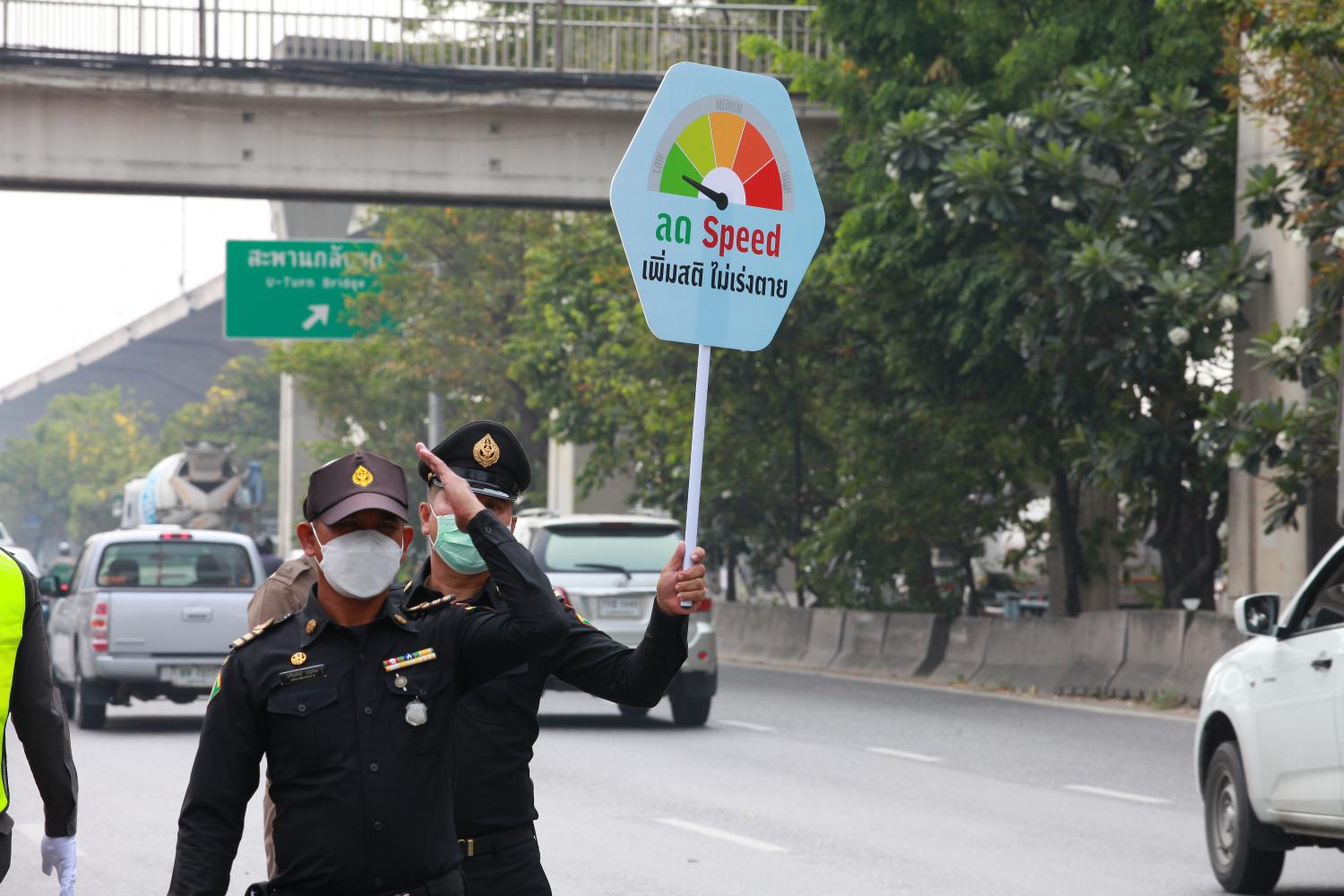
» Every Thai driver recognises the moment. The light turns green. Naturally, you can move; yet in Thai-style traffic, your instincts tell you to be hesitant. Despite the traffic light, a reckless motorcycle may still cross. A pickup may not stop. Drivers behind start honking as they wait to pass through the intersection. For a brief second, drivers just cannot afford to be certain about how others will behave.

Ukraine rebuttal
Postbag, Published on 22/02/2026
» Re: "Ignored security concerns fuel Ukraine conflict", (Opinion, Feb 21).

A new look at history education
Editorial, Published on 22/02/2026
» As the Election Commission has yet to endorse the outcome of the national election, the caretaking and presumptive Prime Minister Anutin Charnvirakul is actively presenting his vision and policies. His latest proposal involves revamping the teaching of national history.
Andrew crisis haunts monarchy
News, Pavin Chachavalpongpun, Published on 21/02/2026
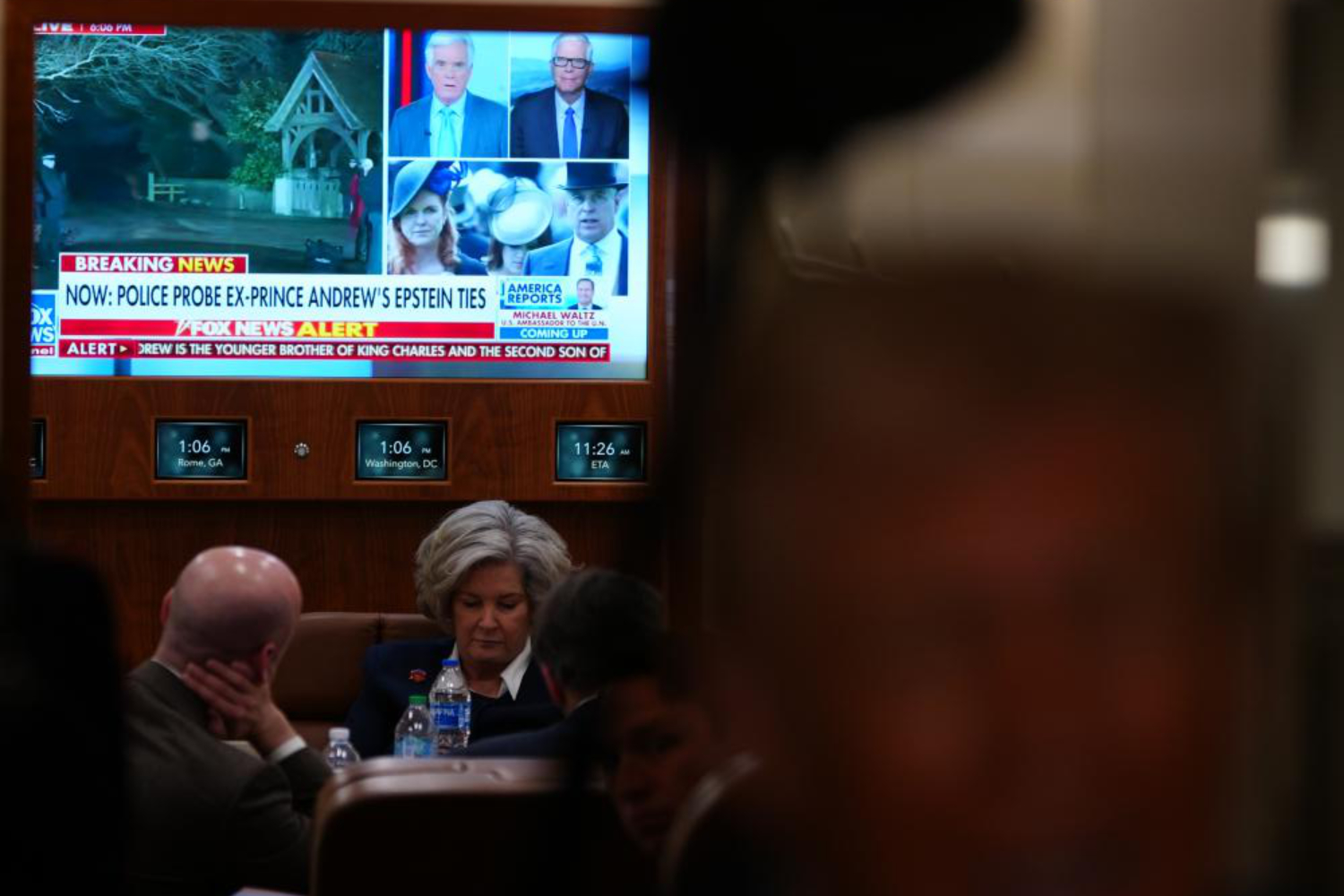
» For centuries, the British monarchy has survived by carefully weaving a narrative of moral leadership and national service. That meticulously constructed image has been deeply undermined by the persistent shadow of the Andrew Mountbatten-Windsor and Jeffrey Epstein scandal.