



Showing 1 - 10 of 41
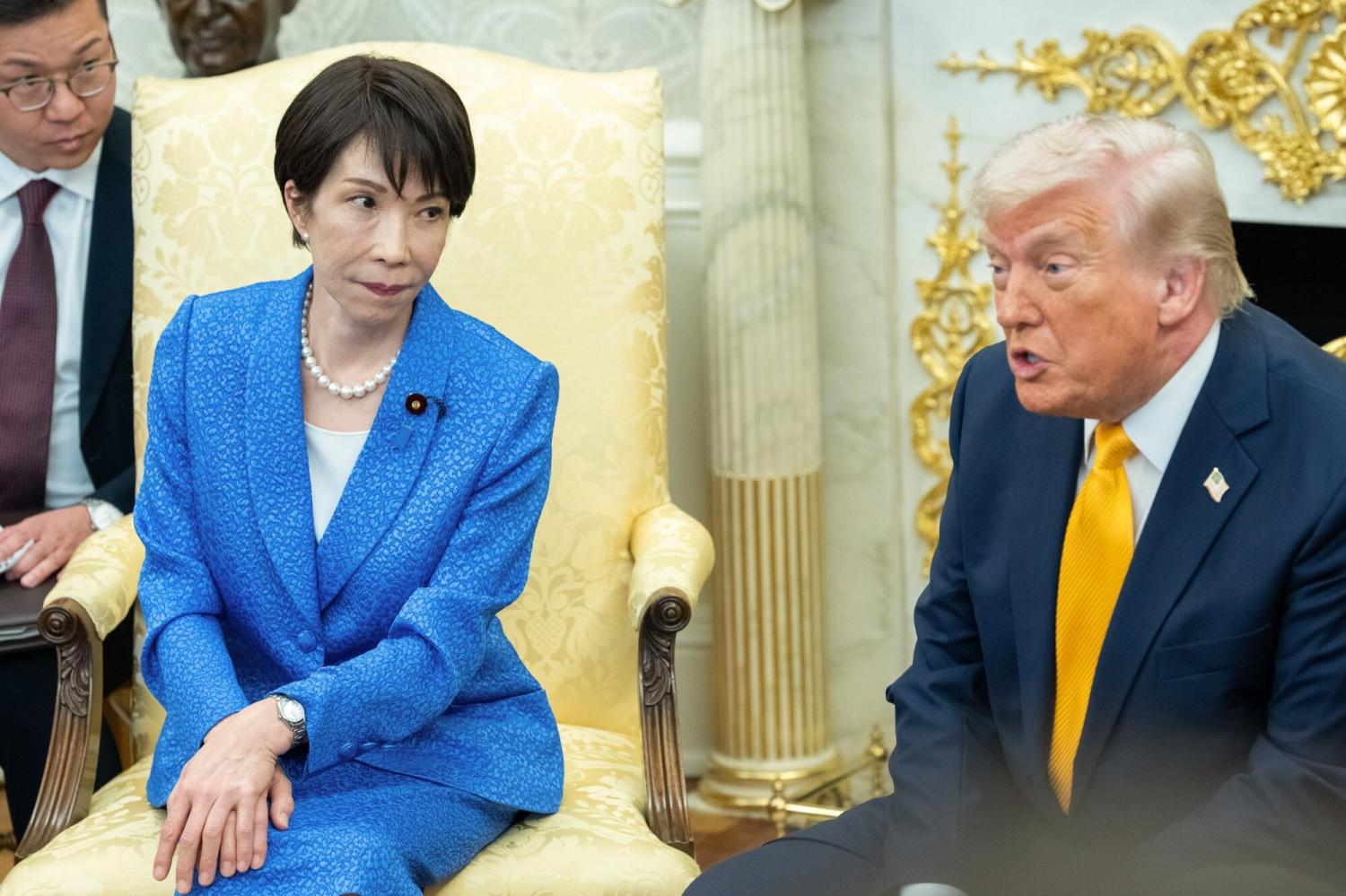
American hegemony is waning
News, Carla Norrlöf is Professor of Political Science at the University of Toronto., Published on 21/03/2026
» The messy crisis in the Strait of Hormuz has clarified how power works in the 21st century. It reminds us that the greatest long-term threat to the United States is not China's military buildup or Russian aggression, but the gradual fragmentation of the alliance system that has underwritten its global leadership since World War II.
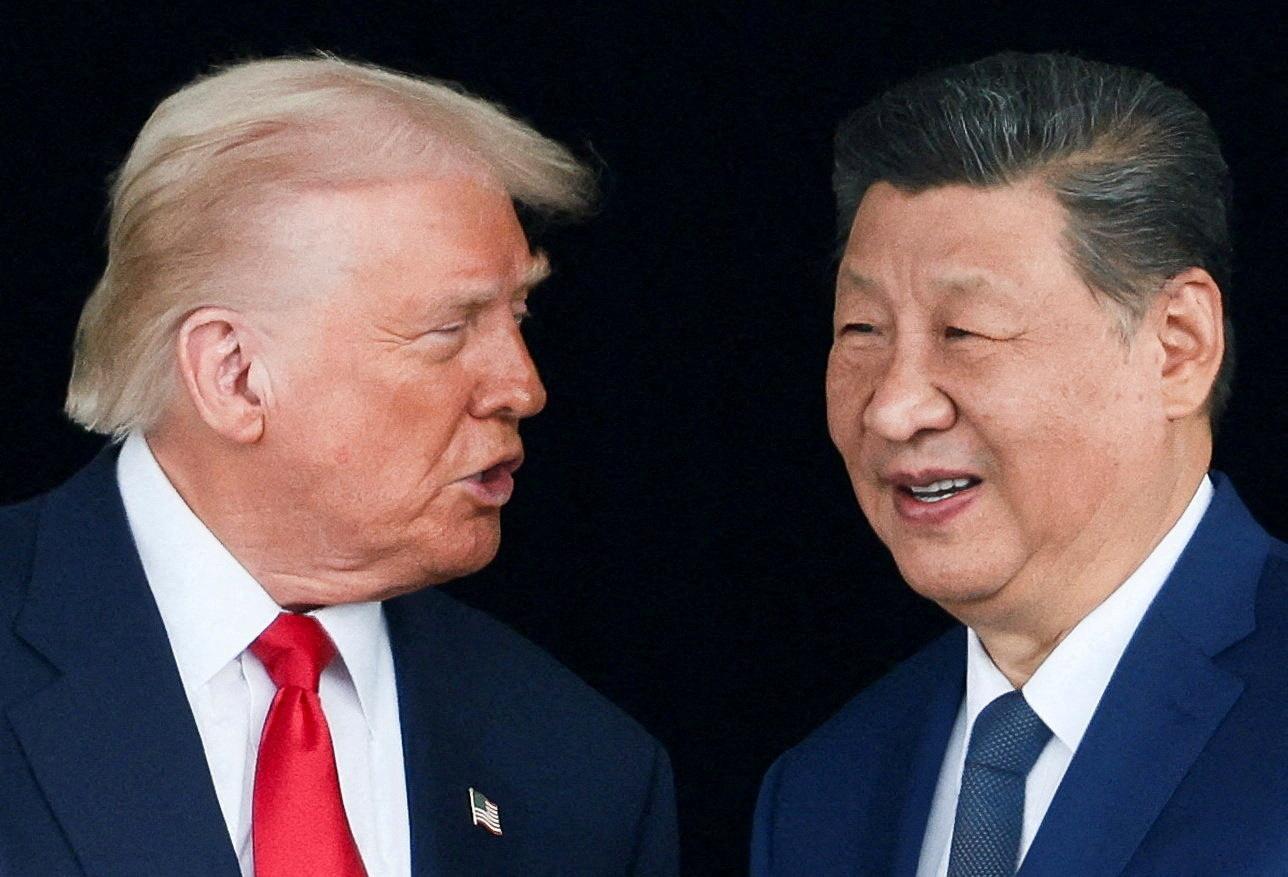
2026 outlook calls for recalibration
News, Mohamed A El-Erian, Published on 17/01/2026
» For global markets, 2025 was defined as much by what did not happen as by what did. The year offered a masterclass in the power of a single narrative, with massive, concentrated bets on AI masking various other unanswered questions. Yet as we move further into 2026, the AI narrative is unlikely to prove strong enough to continue overshadowing other lingering uncertainties, many of which reflect deeper structural shifts. For investors, central banks, and governments alike, the situation demands adaptation.
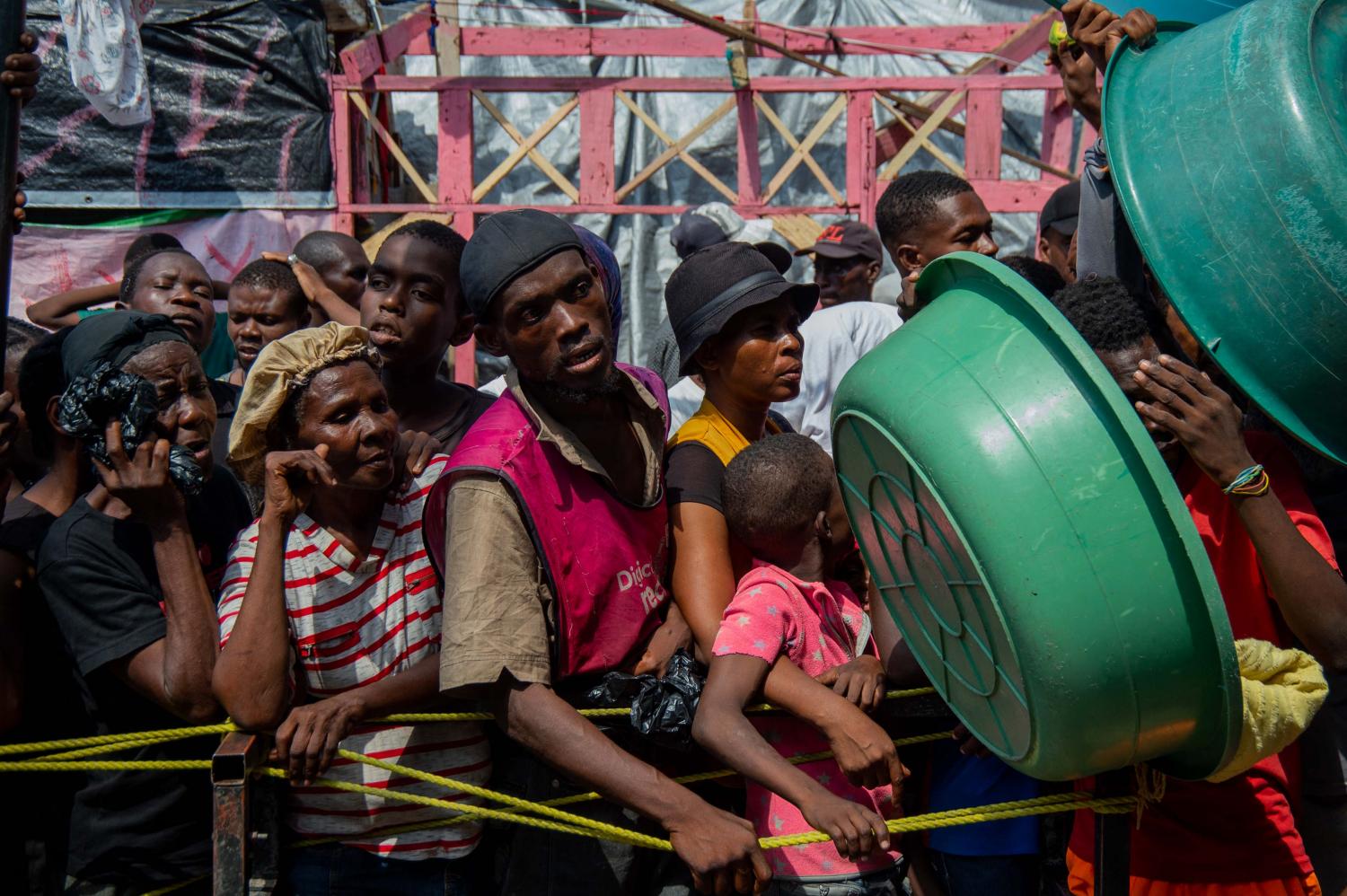
Stepping up the poverty fight
News, Akinwumi A Adesina & Ilan Goldfajn, Published on 15/09/2025
» Faced with a slowing global economy and rising debts, many developing-country governments may be tempted to scale back anti-poverty programmes. That would be a grave mistake. Combating poverty is not just a moral imperative; it is also crucial for economic stability, conflict prevention, and long-term development.
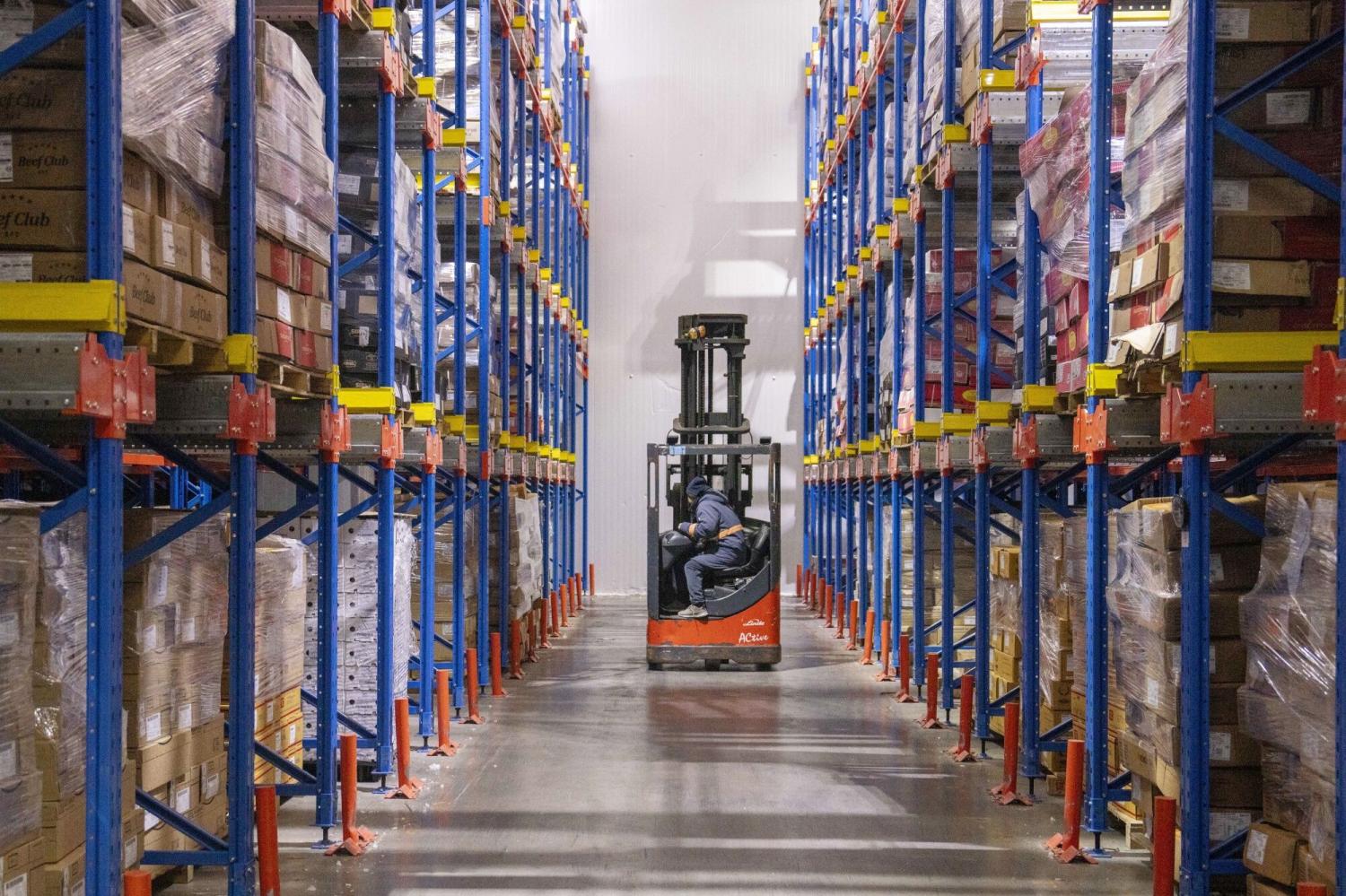
Rethinking development in an era of upheaval
News, Mohamed A El-Erian, Published on 14/08/2025
» For many developing countries, the global economic landscape has shifted dramatically in recent years. Lower growth, disrupted supply chains, reduced aid flows, and heightened financial-market volatility represent significant headwinds. Underpinning these changes is a fundamental restructuring, driven by the developed world, of the postwar economic and financial order. Against this background, a handful of factors are becoming critically important for the current and future well-being of developing countries -- and for the fate of multilateral institutions.

Where is US economic policy taking us this time?
Oped, Mohamed A. El-Erian, Published on 29/05/2025
» Although this year is not even half over, it is already likely to feature in history books as one of extreme policy-induced volatility -- not only in financial markets but also in terms of economic narratives and international relations. But where it will lead remains to be seen. Are we witnessing the fragmenting of the US domestic and international order, or just a bumpy ride towards a beneficial rewiring of both?

Empowering middle-income states
News, Enrique A. Manalo Secretary for Foreign Affairs, Published on 28/04/2025
» Spanning across all regions of the world -- from Latin America to Africa, from Eastern Europe to Southeast Asia and the Pacific -- middle-income countries (MICs) constitute over 100 countries, hosting 75% of the world's population and producing 35% of global GDP. Many MICs are in Asia.

The markets never sleep, should trading?
Tal Cohen, President of Nasdaq, Published on 11/03/2025
» Throughout history, financial markets have strived to keep pace with technological advancements and evolving industry needs. From the open-outcry trading pits of the past to today’s real-time, globally interconnected electronic markets, investors and industry participants have greatly benefited from the modernisation of markets.

Gutting aid, US cedes soft power game to China
Shaun Tandon of Agence France-Presse, Published on 12/02/2025
» WASHINGTON - When President Donald Trump froze nearly all US foreign aid, Cambodia was forced to suspend workers removing dangerous mines from the country -- until China stepped in with the necessary funding.

Maybe it's time to look on the bright side
Roger Crutchley, Published on 05/01/2025
» It is that time of the year when columnists are expected to make a few pertinent predictions concerning what could be in store for the next 12 months. However, things are so unpredictable at the moment that even Nostradamus would struggle to come up with a half-decent forecast. We are also entering the Year of the Snake which is not particularly comforting.
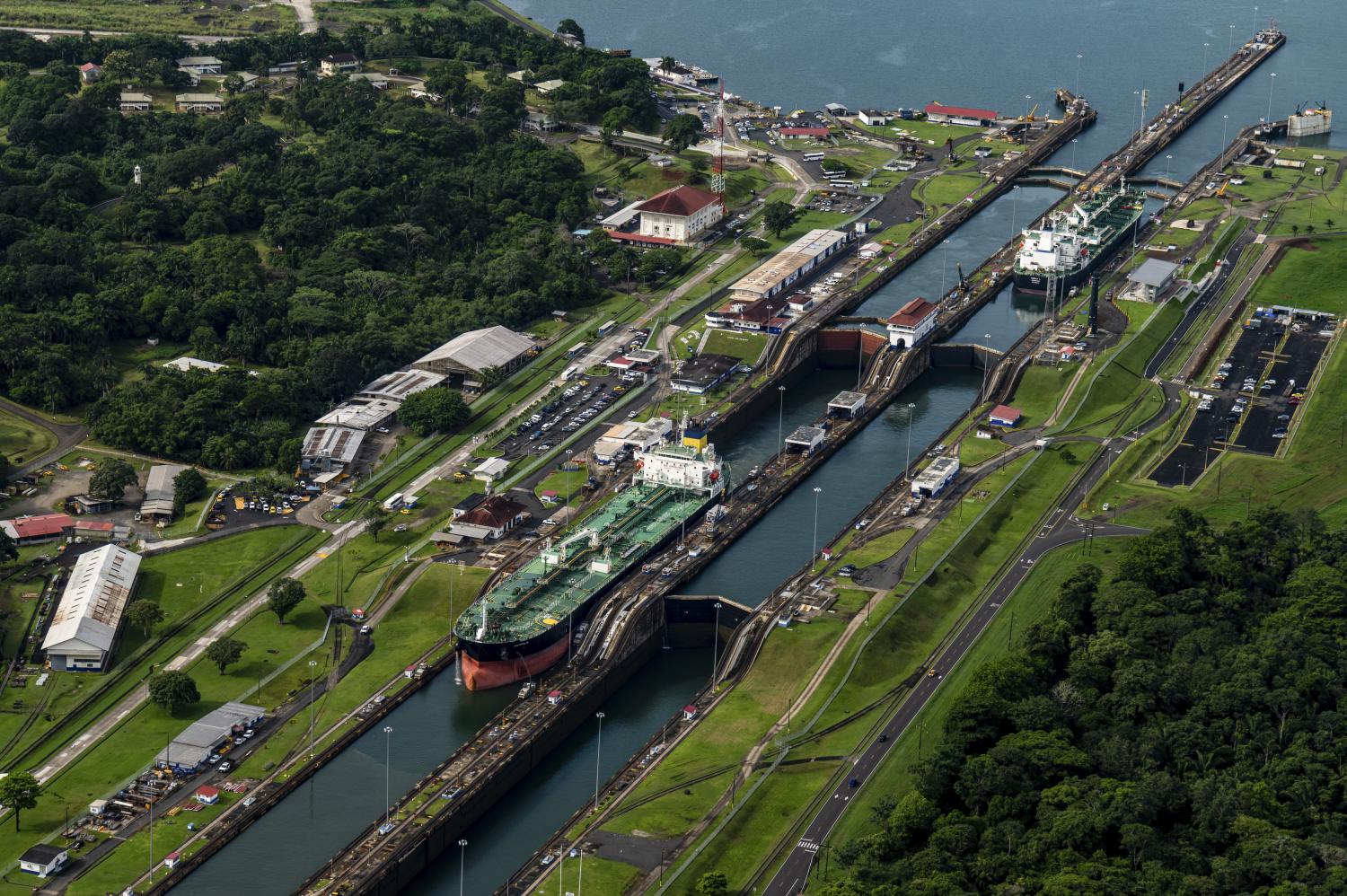
Make America Great Again heads to Panama
Oped, Ruti Teitel, Published on 04/01/2025
» US President-elect Donald Trump clearly does not intend to pursue a "good neighbour" policy. He has been mocking Canadian Prime Minister Justin Trudeau by calling him "governor" while proclaiming that a country of 40 million people should become the 51st US state. His first telephone conversation with Mexico's new president, Claudia Scheinbaum, had to be followed by Ms Scheinbaum politely saying that she had agreed to none of the terms Mr Trump claimed that she had.