




Showing 1 - 10 of 245
Emerging markets stand strong
Oped, Kristalina Georgieva and Mohammed Al-Jadaan, Published on 12/02/2026
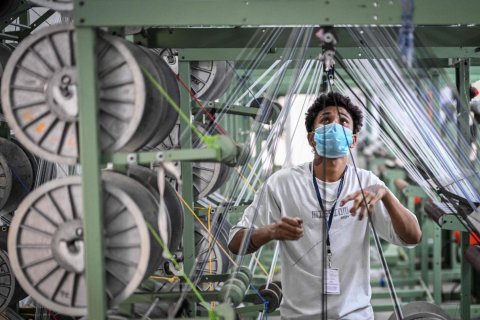
» It used to be that when advanced economies sneezed, emerging markets caught a cold. That is no longer true. Following recent global shocks, such as the post-pandemic inflation surge and a new wave of tariffs, emerging markets have held up well. Inflation has continued to slow, currencies have generally retained their value, and debt issuance costs have remained at manageable levels. There has been no sign of the kind of financial turbulence that came with past economic shocks.

Philippines' crucial Asean test
Oped, Simon Hutagalung, Published on 21/01/2026
» The Association of Southeast Asian Nations (Asean) has its own administration. Member states take turns leading the organisation through an annual chairmanship, a system designed to give all members equal opportunities to shape regional priorities.

People’s Party’s diplomatic 'elegance' rings hollow
Oped, Pavin Chachavalpongpun, Published on 16/01/2026
» On Jan 11, the People’s Party held a high-profile event to showcase its “People’s Government”, offering a glimpse of its proposed executive leadership. Among the key speakers was Pisan Manawapat, a former diplomat and senator, designated as the party’s future foreign minister.

When infrastructure meets AI
Oped, Bertrand Badré & Saurabh Mishra, Published on 16/01/2026
» Infrastructure investment is booming. Around the world, governments are pouring trillions of dollars into roads, power grids, data centres, water systems, and housing, with many responding to intensifying climate shocks and the growing need for adaptation. Yet the construction industry -- the single largest force physically reshaping the planet -- is among the last major sectors to unlock all the benefits that digital technology offers. As a result, it accounts for about 21% of greenhouse-gas emissions, produces half of global landfill waste, and overspends by US$1.6 trillion a year.

Another wasted year in Thai politics
Oped, Thitinan Pongsudhirak, Published on 26/12/2025
» As Thailand winds down 2025 with an early election looming on Feb 8, the most consequential issue to watch in the coming year will be whether recent topsy-turvy political patterns of polls, protests, and military and judicial interventions give way to a compromise between the old guard clinging on to vested interests and the new generation clamouring for reform and change.

Gold beats banks
Oped, Postbag, Published on 26/12/2025
» Re: "Strength of baht spurs fear", (BP, Dec 24).
Is a return to gold standard possible?
Oped, Chartchai Parasuk, Published on 11/12/2025
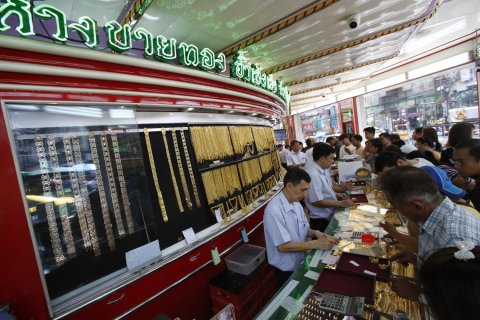
» We are now in the middle of the holiday season. Therefore, I will refrain from writing about heavy and depressing issues like the Thai economy and the outlook for 2026 and beyond. In this moment of joy, I will write about the possibility of returning to the gold standard, which some supporters say can be seen in central banks aggressively buying gold bullion to replace the dubious US dollar. The last article of the year will be about the Sovereign Wealth Fund (SWF).
India seeks strong growth as key tests loom
Oped, Anne O Krueger, Published on 02/12/2025
» In the aftermath of World War II, the end of colonial rule produced a wave of newly independent -- and mostly poor -- countries, which were labelled "developing economies".

No cause for GDP panic
Oped, Editorial, Published on 01/12/2025
» The Marketing Association of Thailand's annual survey should serve as a wake-up call for the government as it navigates a year clouded by political uncertainty and economic fragility.
Rising heat needs urgent response
Oped, Armida Salsiah Alisjahbana, Published on 24/11/2025
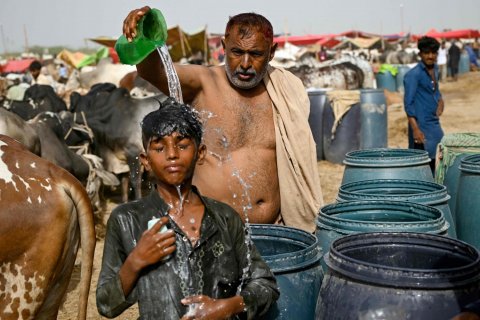
» 2024 was the hottest on record globally. In Asia and the Pacific, Bangladesh was the worst-hit country, with about 33 million people affected by lower crop yields that destabilised food systems, along with extensive school closures and many cases of heatstroke and related diseases. Children, the elderly and low-wage earners in poor and densely populated urban areas suffered the most, as they generally had less access to cooling systems or to water supplies and adequate healthcare. India, too, was badly affected, with around 700 heat-related deaths mostly in informal settlements.