




Showing 1 - 10 of 209

Ground game
Oped, Postbag, Published on 12/02/2026
» Re: "BJT win bodes well for conservatives", (BP, Feb 11). Given the tallies of the nationwide party list vote, I don't understand the justification for the following assertions: "BJT's landslide victory reflects a surge of nationalist sentiment" (5.9M votes); the PP suffered from "lingering voter scepticism" and "eroded public confidence" (9.8M votes).

Thin buyer guide
Oped, Postbag, Published on 11/02/2026
» Re: "Choosing the right air purifier for Thailand's rising air pollution", (Life, Feb 8).
Rethinking global health finance
Oped, Walter O Ochieng & Tom Achoki, Published on 06/02/2026
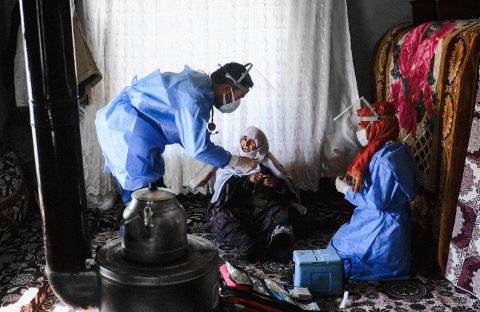
» For the past half-century, the economics of global health were straightforward. Under the so-called "grant-based" approach, rich countries donate to poor countries, which use the funds to meet their populations' health needs. Success was measured by services provided or lives saved, rather than by balance sheets. While this model was far from perfect, the latest approach replacing it -- focused on using tools like guarantees and blended finance to crowd in private capital -- threatens to produce even worse outcomes.
Decriminalising sex work needs clarity
Oped, Poramet Tangsathaporn, Published on 04/02/2026
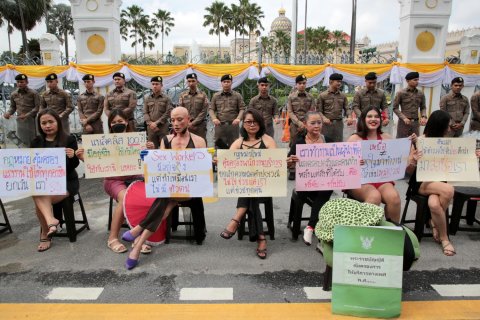
» The world's oldest profession has always been a taboo subject in Thai society, even in our politics so it was encouraging to see at least five political parties -- the Pheu Thai Party, the People's Party, the Movement Party, the Thai Sang Thai Party, and the Democrat Party -- agree that the current Prevention and Suppression of Prostitution Act B.E. 2539 (1996) needs to be repealed.
Mines, rivers, and a regional crisis
Oped, Tuenjai Deetes, Published on 18/12/2025
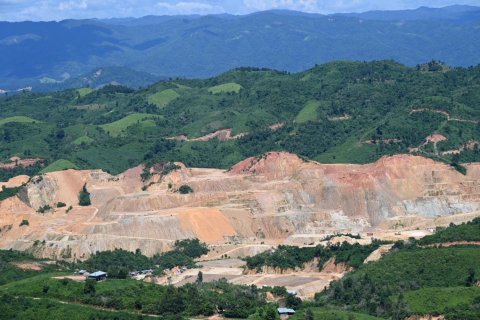
» 'When I was a child, the Kok River and the Mekong were clear and alive. We drank directly from the river. Women and mothers gathered along the banks, hauling in fishing nets fully loaded with heavy fish, which we cooked and ate the same day. We were happy. We lived without fear -- fear of toxins, fear for our health.
Artists resist repression in Thailand, US
Oped, Sally Tyler, Published on 08/12/2025
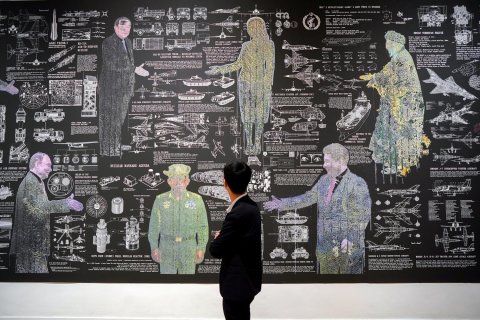
» In late August, two seemingly unrelated events occurred in Thailand and the US. The Bangkok Art and Culture Centre (BACC) altered a major exhibit it had recently opened and, a few weeks later, the comedian Jimmy Kimmel was temporarily taken off the air by the ABC television network. These events are linked as forms of artistic repression and perhaps more concerning, as examples of the growing use of intermediary censorship by authoritarian regimes.
AI as Asia's new growth engine?
Oped, Lee Jong-wha, Published on 27/11/2025
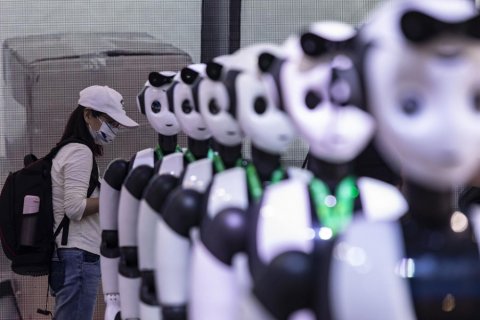
» Two decades after globalisation fuelled a global economic boom, growth has shifted onto a more subdued path, where it is likely to remain for the foreseeable future. Beyond the immediate shock of fragmenting trade and investment ties -- a result of rising geopolitical tensions, particularly between the United States and China -- lie structural headwinds, including population ageing, stagnant productivity, and the growing costs of inequality and natural disaster. These challenges strike at the heart of Asia's growth model.

Make use of MRC talks
Oped, Editorial, Published on 14/11/2025
» Thailand is set to host a meeting of the Mekong River Commission (MRC) in Chiang Rai from Nov 25-27. The choice of location couldn't be more appropriate -- for over a decade, local civic groups have been using the northern province as a base for their campaigns against major infrastructure projects, which they believe could harm the region's rivers.
Sino-Thai family now new era partners
Oped, Kavi Chongkittavorn, Published on 11/11/2025
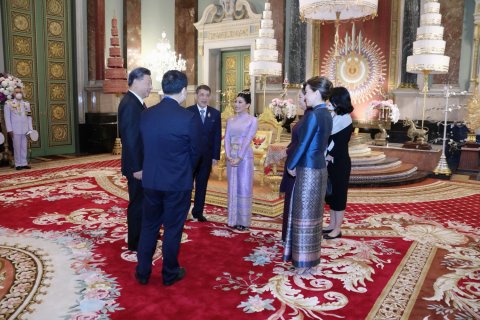
» The long-awaited trip to China by His Majesty King Maha Vajiralongkorn Phra Vajiraklaochaoyuhua and Her Majesty Queen Suthida Bajrasudhabimalalakshana is now official, with the state visit scheduled from Thursday to Monday. The historic visit will be the first by a reigning Thai monarch. Both countries, which established diplomatic ties in 1975, are also commemorating the golden jubilee of their friendship.
Building an energy resilient bloc
Oped, Fajar Ikhsandy, Ignatius Primadi Limin, Mahila Shabira, Weilie Winaldy Sugianlie, Published on 11/11/2025
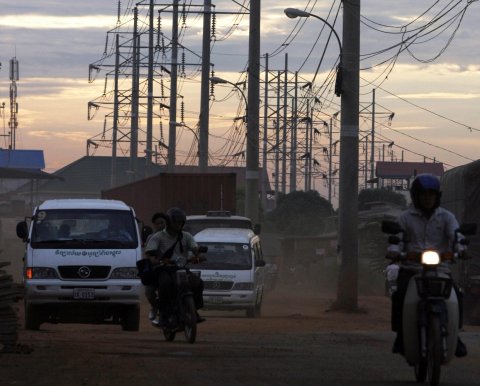
» According to our latest projection, electricity demand in Asean will reach around 173 million tonnes of oil equivalent (Mtoe), or about 2,000 terawatt-hour (TWh), in 2050 -- roughly 1.6 times higher than the 2023 level.