



Showing 1 - 10 of 12
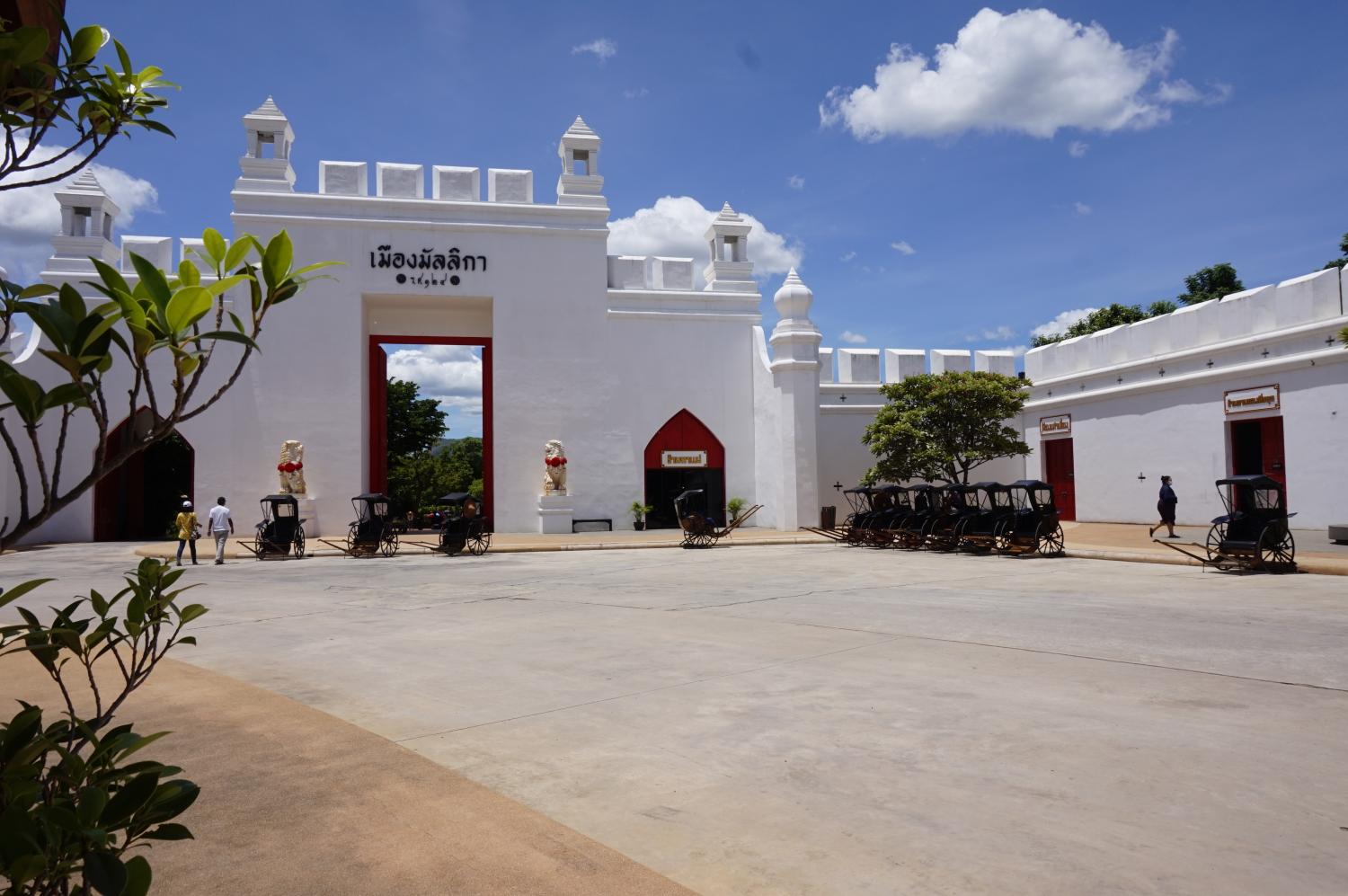
Travel back in time
B Magazine, Story & photos by Pattarawadee Saengmanee, Published on 26/07/2020
» Nestled in Kanchanaburi, Mallika City 1905 AD has isolated itself from the outside world and exists in a 19th-century time warp, in which all 300 staff members dress in period costume and play the roles of farmers, vendors, artisans and villagers to simulate the old Siamese lifestyle along the Chao Phraya River.

Hail the hawkers' haab
B Magazine, Story & photos by Suthon Sukphisit, Published on 29/03/2020
» If you ever come across a hawker selling khanom jeen namya (rice noodles in fish and anchovy curry sauce) in a flea market upcountry, you will see diners sitting on small stools in front of the haab (the hawkers' containers loaded with food), with their left hand holding a plate and right hand holding a spoon.

Keeping it real
B Magazine, Story & photos by Suthon Sukphisit, Published on 09/02/2020
» Thailand can be dubbed the land of kuay tio (Chinese noodle) dishes. But we know very little about how they came into existence. It is known that kuay tio nuea (beef noodle soup) was created about a century ago in Chinatown, where a large number of migrant Chinese workers sold their cheap labour loading goods using their bare shoulders or pulled carts. Homeless and desperate, they took refuge in temporary shelters or storage warehouses at night. They went for the cheapest food, which was boiled pig or cow intestines with steamed rice. Peddlers sold the food in front of an opium den, where many labourers went to sleep at night after eating dinner.

All's well that ends well
B Magazine, Andrew Biggs, Published on 28/07/2019
» Greetings from Suvarnabhumi Airport, Bangkok.

Unknown pleasures
B Magazine, Suthon Sukphisit, Published on 30/06/2019
» Culture Minister Vira Rojpojchanarat said his ministry will seek to have tom yum goong (spicy prawn soup) listed by Unesco as part of the country's tangible cultural heritage. That the ministry is giving some attention to Thai food culture makes for a welcome, and somewhat surprising, change.

The lotus eaters
B Magazine, Suthon Sukphisit, Published on 16/06/2019
» The lotus flower may be small in size, but culturally, it holds great significance for Thais and Buddhists around the world. The lotus, a plant that emerges from mud and rises above water, is a symbol of purity. Symbolically, it cleanses and purifies. Buddhists use lotus flowers as offerings to convey their sincere respect for monks and venerated figures in Buddhism.

The forever fruit's natural clothing
B Magazine, Suthon Sukphisit, Published on 17/03/2019
» Banana might be one of the most ordinary plants, but it has long been in Thailand's culture, food, lifestyle and many other aspects of people's lives. Possibly, bananas have been with Thais longer than all other plants. Yet people somehow overlook the benefits of bananas and do not use them any more because they have found a better replacement.

Thailand's traditions endure
B Magazine, Suthon Sukphisit, Published on 10/03/2019
» In Thai culture, certain ceremonies are regarded as extremely important because they are carried out once in a lifetime. These ceremonies usually have set patterns to be carried on properly from one generation to the next.

Sweet success
B Magazine, Suthon Sukphisit, Published on 03/02/2019
» This week's Cornucopia takes you to an annual food and dessert festival that has been held for almost 30 years. It's a not-to-be-missed event for those who are familiar with it because foods and desserts that are rare these days will be available at incredibly cheap prices. It's an event that brings together volunteers that are sometimes more talented than professionals. Proceeds from the event go to charity. It's not a state affair for tourism purposes. Neither is it a promotional happening to make a shopping mall famous. And it takes place at a temple.

Stop and eat the flowers
B Magazine, Suthon Sukphisit, Published on 01/07/2018
» There's a saying you may have heard about the Chinese and their relationship to food that goes, "They'll eat anything that moves except for bicycles." If that's the case, there isn't be much difference between the Thai and the Chinese as both will eat just about anything.