



Showing 1 - 10 of 333
How to prepare for the wars of tomorrow
News, James Ryseff, Published on 28/02/2026
» We are living through a pivotal moment for global security. The norms, assumptions, and systems that underpinned relative global stability since the Cold War's end are reaching an inflection point.

Institutional redesign in order for economic change
News, Diane Coyle, Published on 30/12/2025
» The Nobel Prize in economics was awarded both this year and last year to scholars who, in different ways, emphasised the importance of institutions to economic growth.
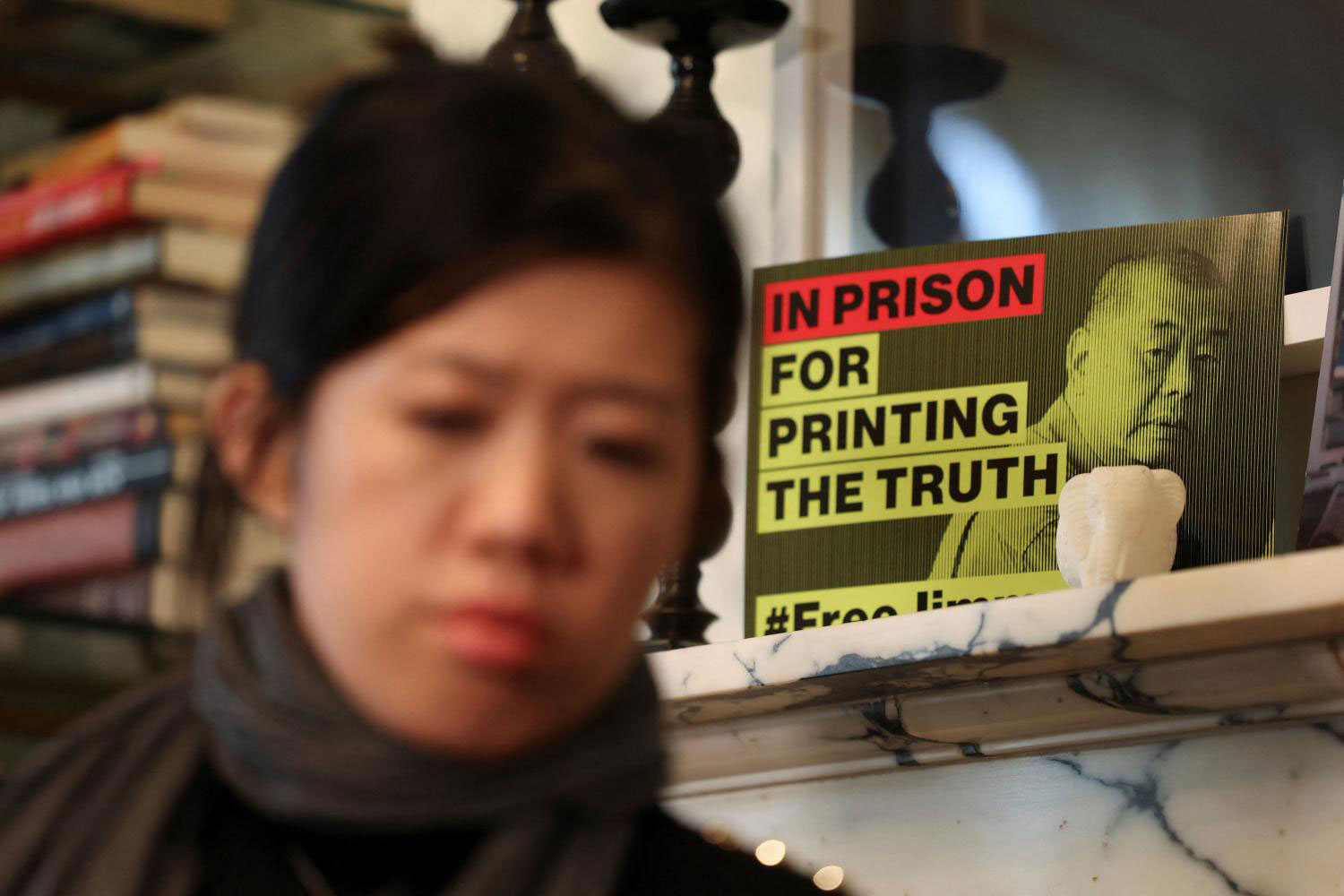
Jimmy Lai, the HK tycoon who stood up to China
News, James Pomfret & Jessie Pang, Published on 17/12/2025
» Jimmy Lai, the Hong Kong media mogul and China critic, was found guilty on Monday on two counts of conspiracy to collude with foreign forces and one count of sedition under a China-imposed national security law that could see him jailed for life.
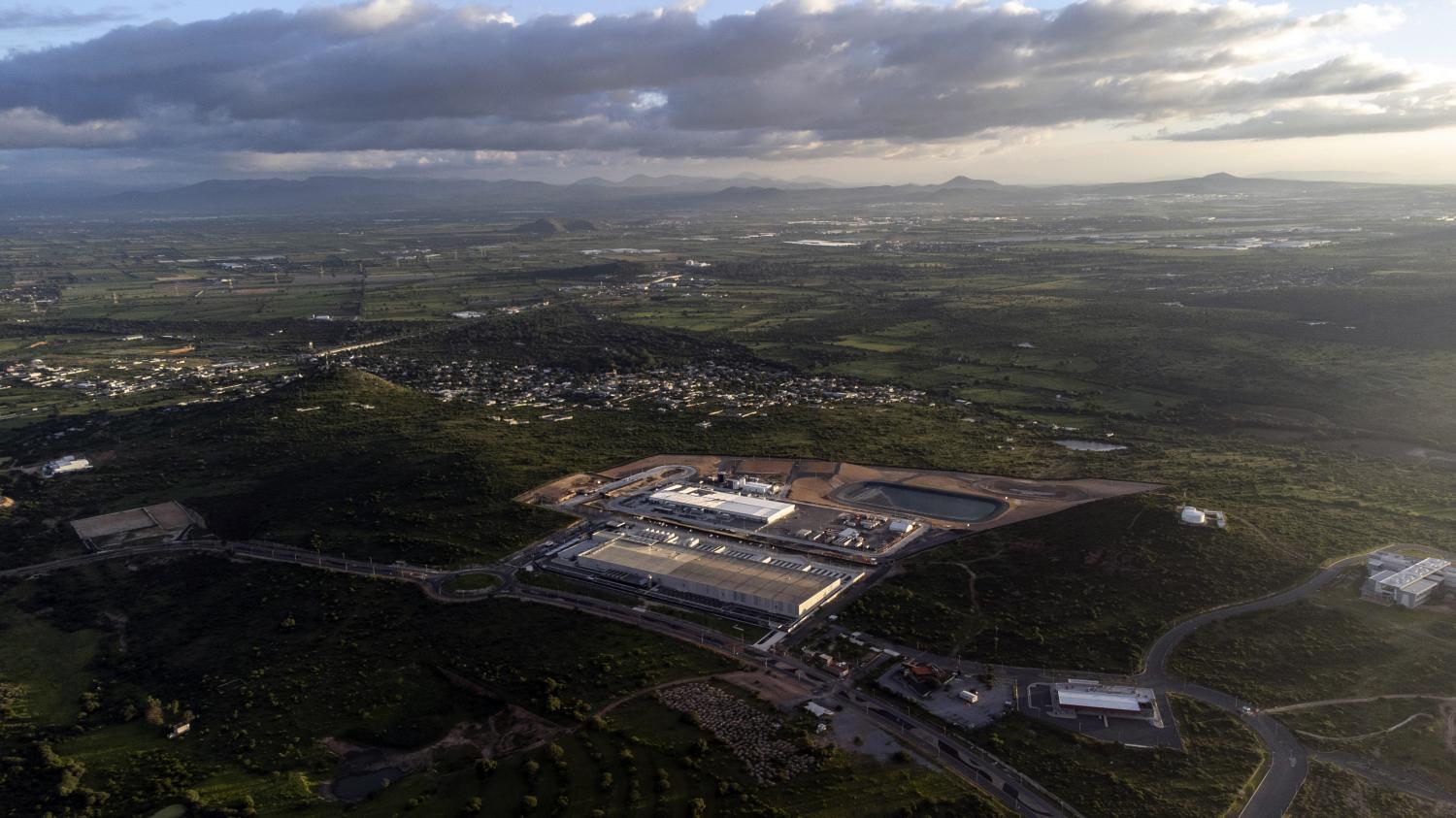
Europe must build its own cloud
News, Robin Berjon, Published on 08/11/2025
» We tend to take for granted the infrastructure on which our economies and societies run -- until something goes wrong. Just ask residents of Spain and Portugal, who were suddenly faced with a total blackout last April, when a series of cascading voltage surges shut down their electricity grids. Both Spain and Portugal are now pursuing massive investments in strengthening their grids' resilience. But citizens should not have to wait until after a disaster strikes for their leaders to commit to investing in critical infrastructure, which nowadays includes cloud services.
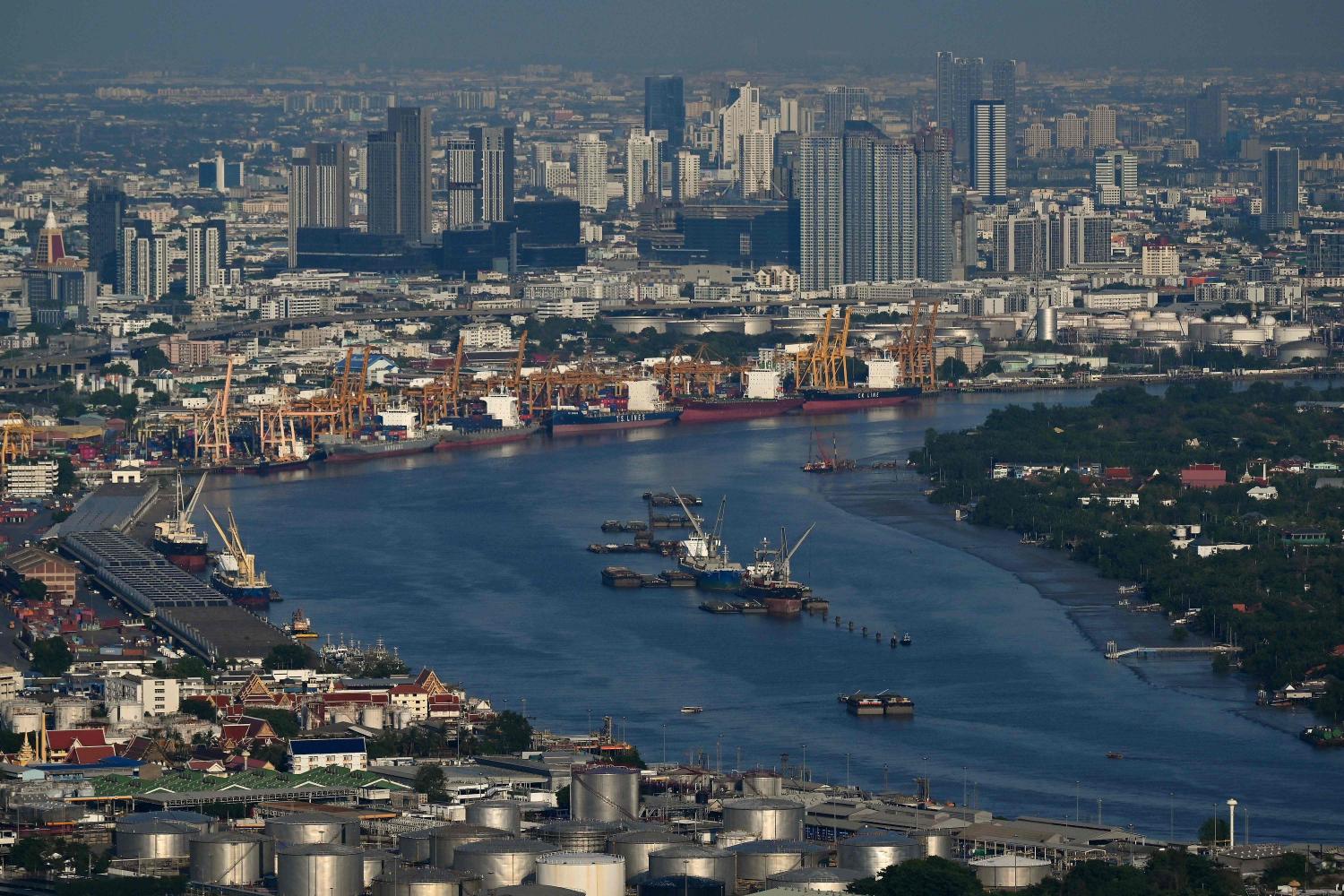
The effects of unfinished momentum
News, Peerasit Kamnuansilpa, Published on 08/11/2025
» Why do some nations surge confidently into the future while others advance only in half-steps, not declining but not accelerating either? In their influential book Why Nations Fail (first published in 2012), Daron Acemoglu -- now a Nobel Prize economist -- and James Robinson, both economists and political scientists at the University of Chicago, offer a helpful lens for understanding Thailand's development path without casting blame or provoking division.

Brothers' trial puts focus on 'Wild West of crypto'
News, Miles J Herszenhorn, Published on 18/10/2025
» Two brothers, both recent Massachusetts Institute of Technology graduates, are going on trial this week in a case that promises to shed light on a secretive and controversial cryptocurrency trading strategy.
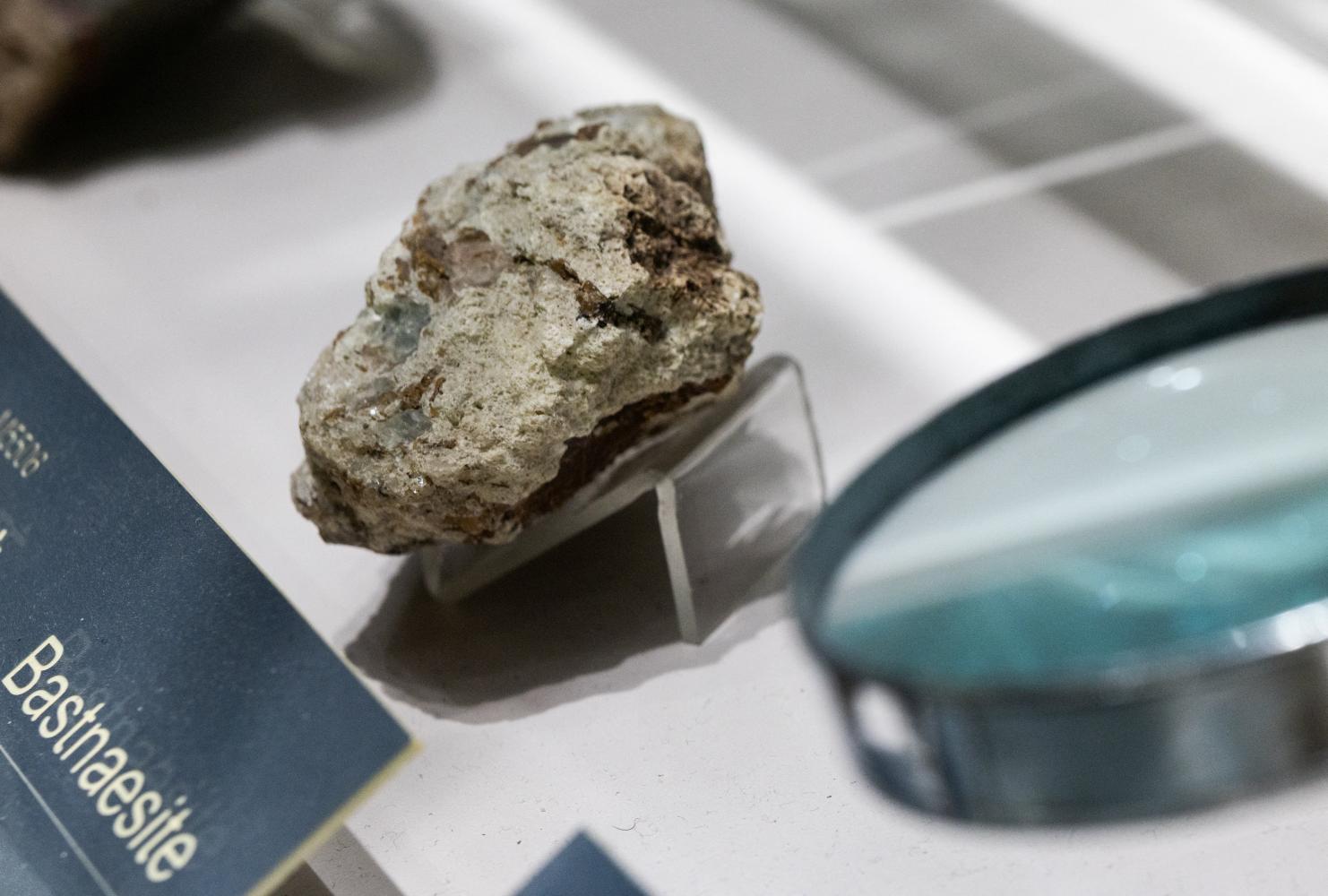
President Trump is losing his geo-economic war
News, Harold James, Published on 16/10/2025
» In an age of shifting geopolitics, many countries' strategic planning includes imaginative exercises in weaponising their positions in the world. While Russia and China have been moderately successful at this game, America's efforts have already boomeranged back on it.
When societies rise, fall, and face catastrophe
News, Antara Haldar, Published on 11/10/2025
» When the United Nations emerged from the rubble of two world wars 80 years ago, it represented humanity's most ambitious attempt ever to turn catastrophe into cooperation. But while the scarred world of 1945 had hope following the Allied victory, that optimism has since curdled. The UN today is underfunded, risk-averse, and paralysed.
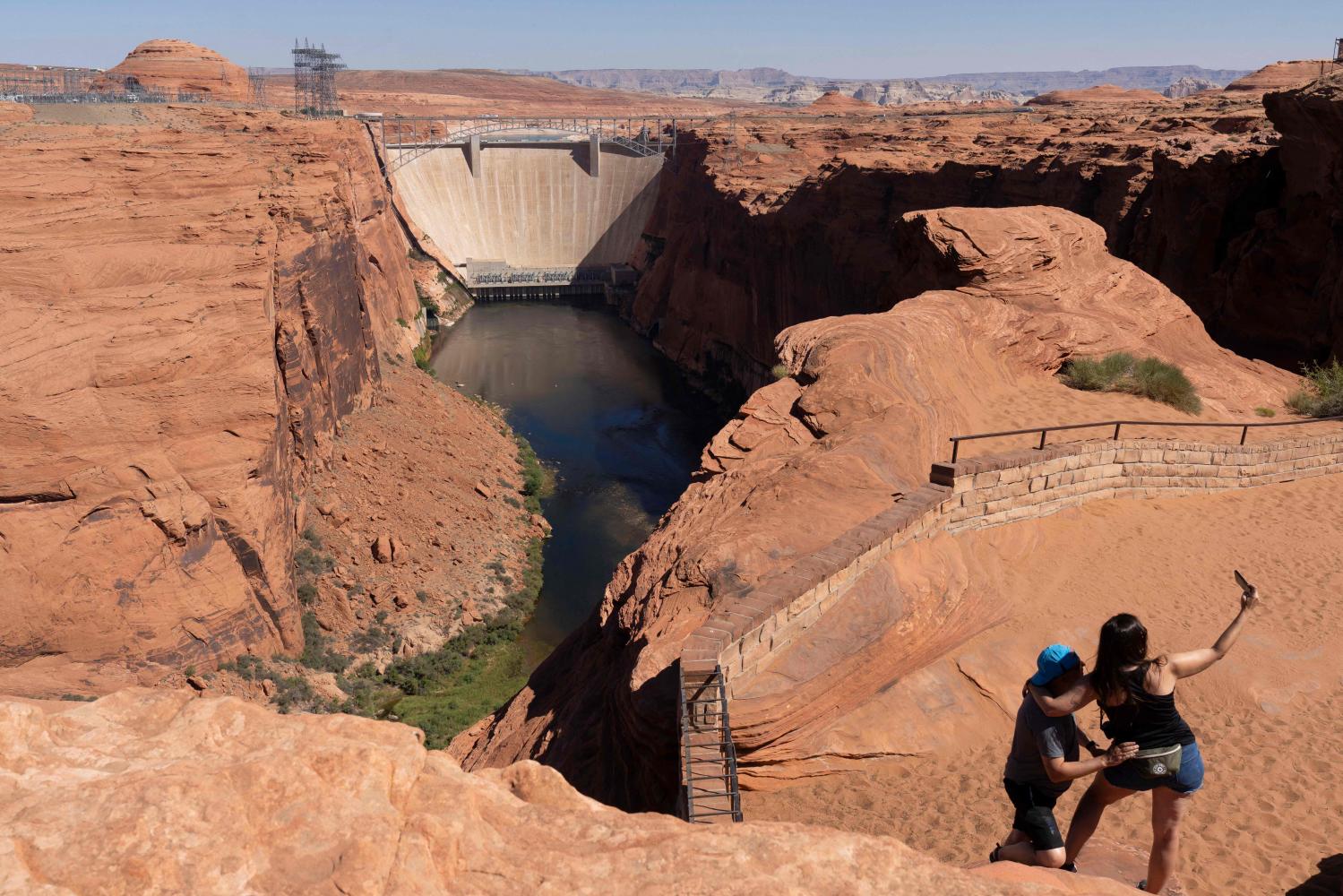
Dear DOGE, it's high time to tear down those dams!
News, Tom Zoellner, Published on 12/07/2025
» No big government infrastructure project made an imprint on the landscape and economy of the West more than the US Bureau of Reclamation's 20th century dam-building spree, which peppered 490 dams across the country, created an agricultural civilisation dependent on federal hydrology civil engineering, and brought about a welter of environmental difficulties after drying up dozens of once-healthy rivers.

Impact of US foreign aid cut in Asia to be minimal
News, James Gomez, Published on 28/06/2025
» The freeze and subsequent reduction of US foreign aid for democracy promotion in Asia, following the Executive Order signed on Jan 20, had a broadly limited impact.