



Showing 1 - 7 of 7
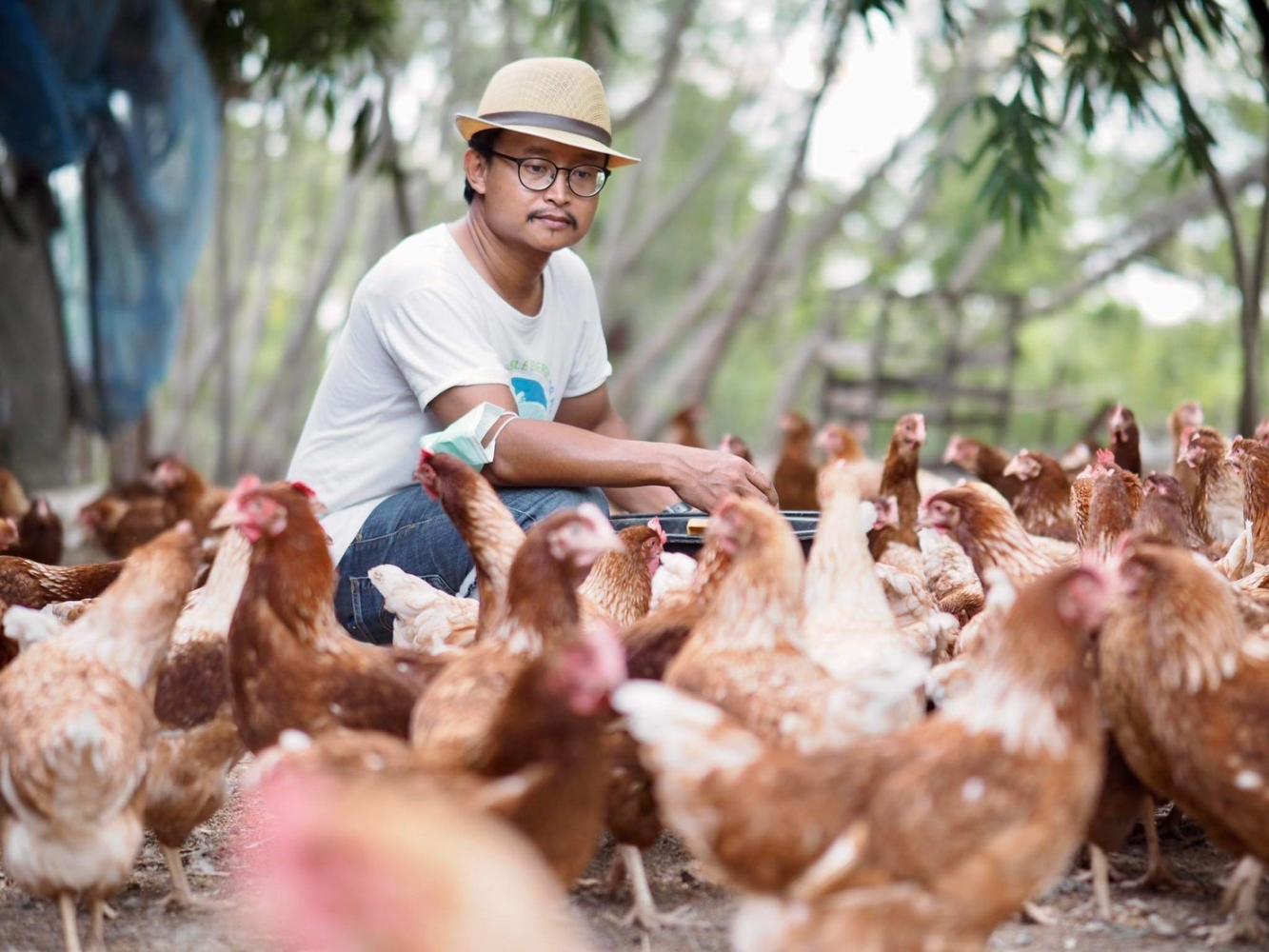
Redefining the future of food
Business, Boonsong Lipimas, Published on 16/02/2026
» At a time when climate change, food waste and rural inequality are converging into a single, complex crisis, Thailand's agricultural debate can no longer be confined to yields, prices or exports alone. The more urgent question is whether the way we produce food today can still sustain the land, the farmers and consumers tomorrow.
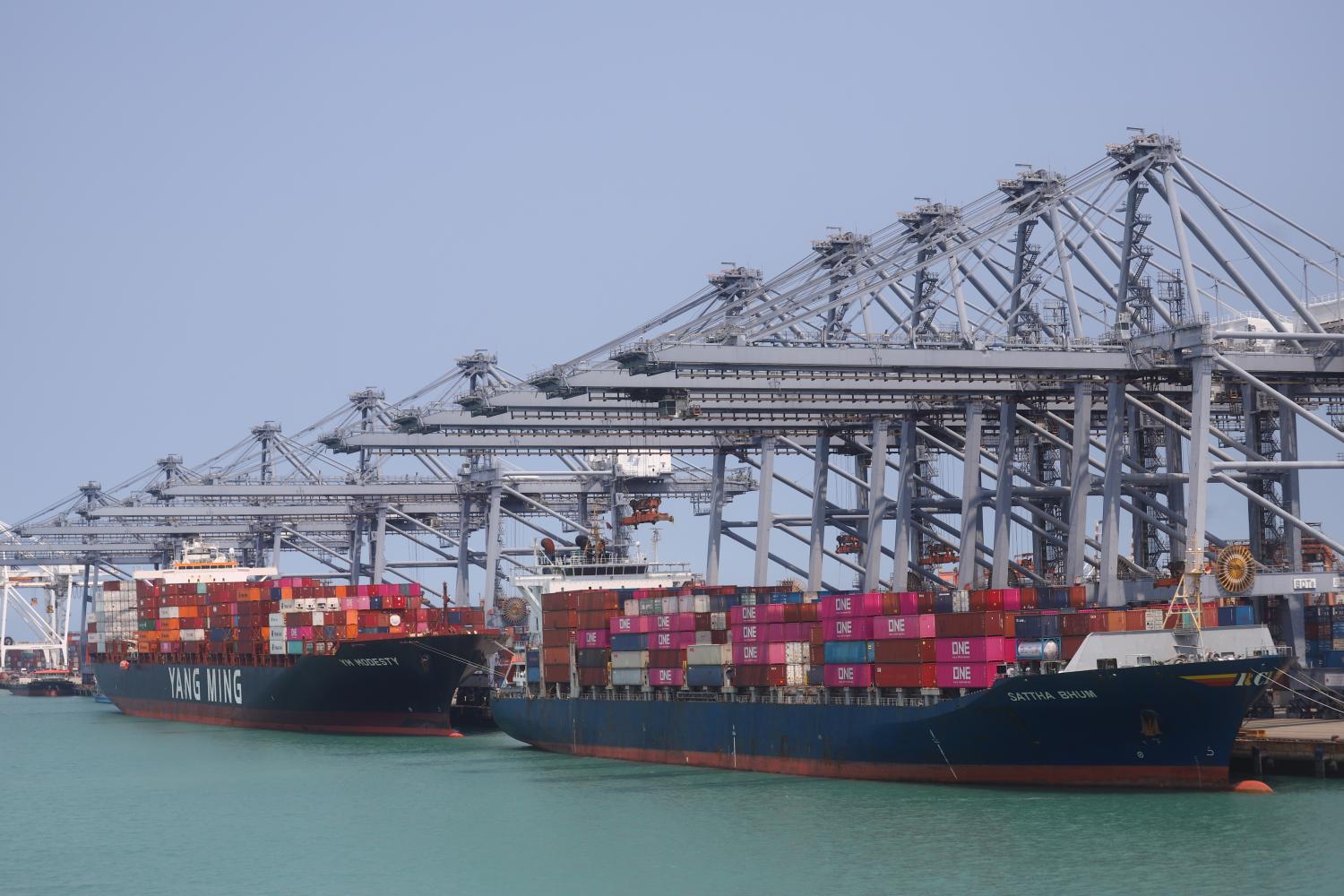
Carbon rules reshape Thai business as CBAM looms
Business, Yuthana Praiwan, Published on 09/02/2026
» The European Union's Carbon Border Adjustment Mechanism (CBAM) is sending ripples of concern throughout global trade, unsettling exporters of certain products while raising broader questions about its long‑term impact on industries not yet covered by the measure.
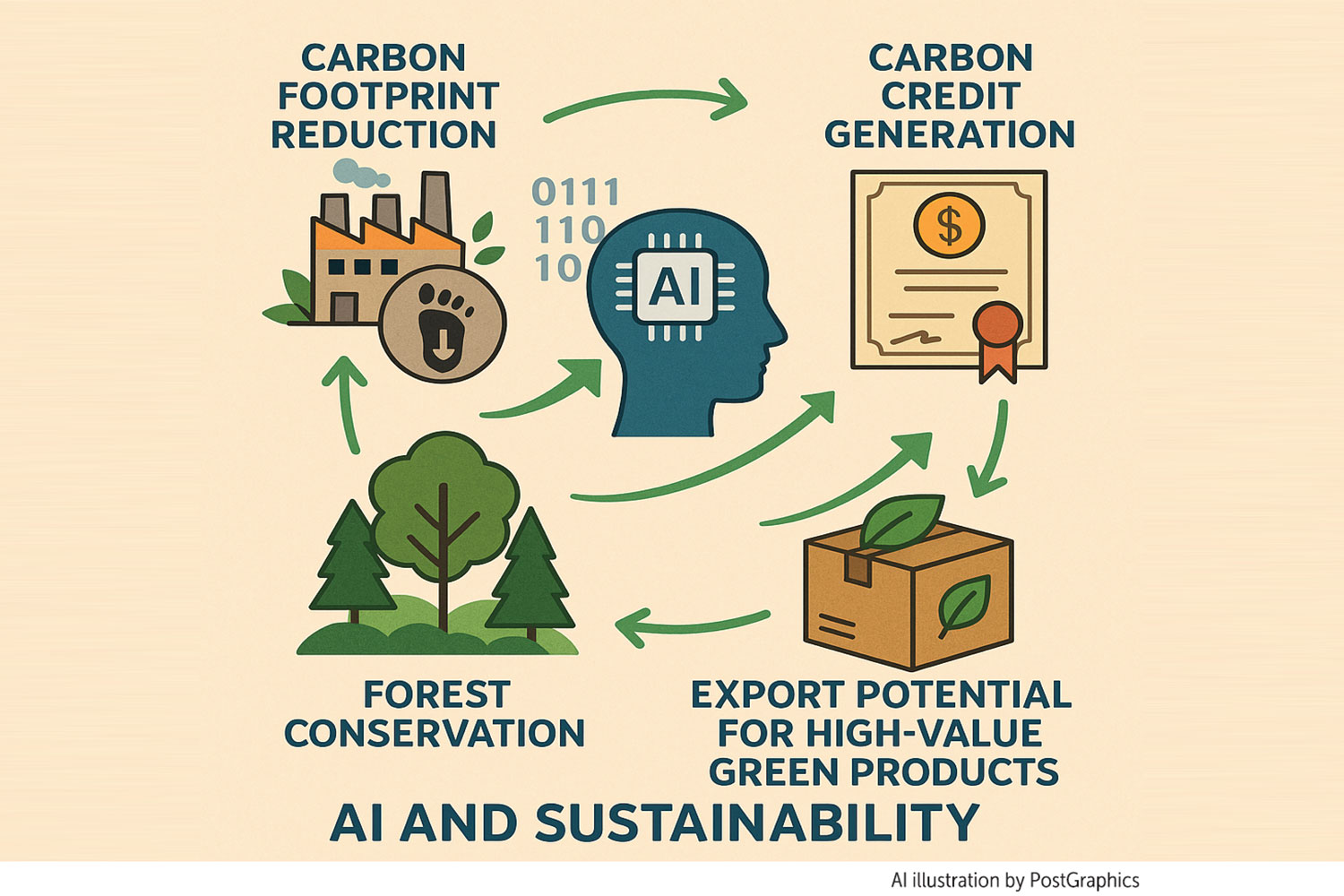
AI revs up green transformation
Business, Suchit Leesa-nguansuk, Published on 11/08/2025
» Artificial intelligence (AI) is emerging as a strategic tool for organisations to navigate the green transformation journey, according to sustainability consultants.

Environment still a top concern for Thai consumers
Business, Published on 01/07/2025
» The environment remains Thailand's number one public concern in 2025, according to a nationwide study by Marketbuzzz in partnership with the School of Global Studies at Thammasat University.

Thai climate capitalism takes root
Business, Suchit Leesa-nguansuk, Published on 16/06/2025
» Thailand's green tech startups are emerging, in line with the country's ambitious greenhouse gas reduction targets and the global momentum towards environmental, social and governance standards.

Nuclear energy can help Thailand, says company
Apinya Wipatayotin, Published on 30/03/2025
» PARIS: Nuclear energy can help align Thailand’s sustainable development goals with its commitment to achieve net-zero emissions by 2065, an expert says.

What if the world lacks sustainability…
Published on 07/05/2024
» If the world lacks sustainability, we would face severe consequences across environmental, social, and economic domains. Environmental degradation, including deforestation, pollution, habitat loss, and climate change, would accelerate, leading to biodiversity loss, natural disasters, and resource depletion. Socially, inequality and social injustices would likely worsen, exacerbating poverty, food insecurity, and access to clean water and healthcare. Economically, businesses would face increased risks due to resource scarcity, regulatory pressures, and market instability, ultimately impacting global economic stability and prosperity.