



Showing 1 - 5 of 5
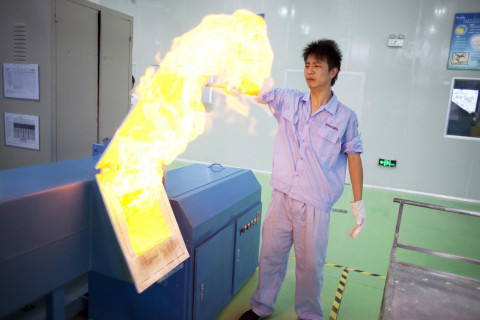
Rare earths are definitely China's trump card
Oped, Angela Huyue Zhang, Published on 15/08/2025
» China's weaponisation of rare earths has emerged as a major flash point in US-China trade negotiations. These critical materials, especially the high-performance magnets they make possible, are vital components in electric vehicles (EVs), wind turbines, industrial robotics, and advanced defence systems. In response to China's strict rare-earths export controls, the United States has quietly lowered tariffs, relaxed export controls on AI chips, and even softened visa restrictions for Chinese students.
Navigating Thailand's energy transition
Oped, Kongpob Areerat, Published on 25/04/2024
» In Thailand’s National Energy Plan (NEP) — a blueprint outlining the country’s energy strategy from 2023 to 2037 — a small portion of nuclear energy is included as one form of alternative energy.

Biden has done very little for the US economy
Oped, Anne O Krueger, Published on 25/08/2023
» To the dismay of many economists, US President Joe Biden's administration has retained most of its predecessor's tariffs and trade barriers. In fact, contrary to most analysts' expectations, the United States has imposed additional protectionist measures, such as Mr Biden's "buy American" policies, resulting in higher costs for American consumers and taxpayers.

How US should support Taiwan
Oped, Chang-Tai Hsieh & Jason Hsu, Published on 20/04/2023
» The stern warnings issued by China ahead of Taiwanese President Tsai Ing-wen's tour of the US and Central America have highlighted the threat that intensifying Chinese pressure poses to the island's security and stability. But the warnings also underscored the degree to which the US efforts to "on-shore" semiconductor manufacturing could cripple Taiwan's economy at a critical time.
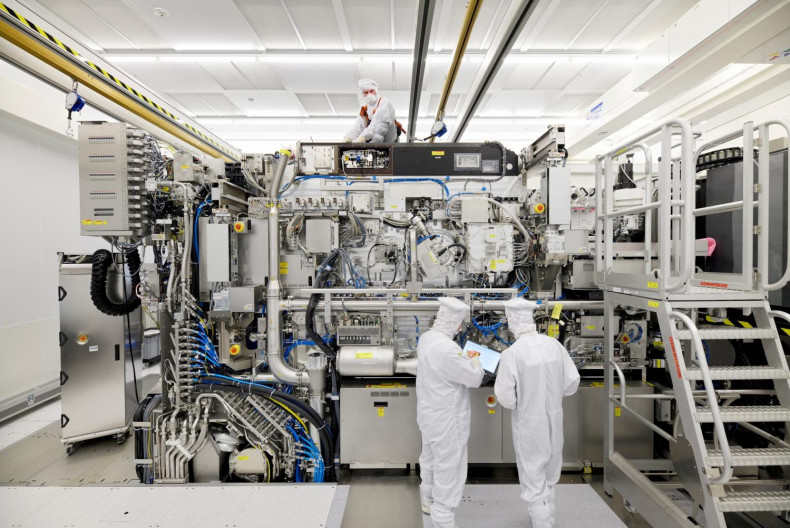
US's semiconductor subsidy is counterproductive
Oped, Anne O. Krueger, Published on 06/04/2023
» Last year's US CHIPS and Science Act created large subsidies for investments in domestic semiconductor fabrication facilities (fabs) because microchips are essential to the US economy and national security. But while no one disputes the importance of chips (which are used in everything from cruise missiles to refrigerators), there are serious questions about whether subsidising such investments is the best way to secure a reliable supply.