



Showing 1 - 10 of 31
G20 must commit to debt relief
Oped, Olusegun Obasanjo, Published on 04/12/2025
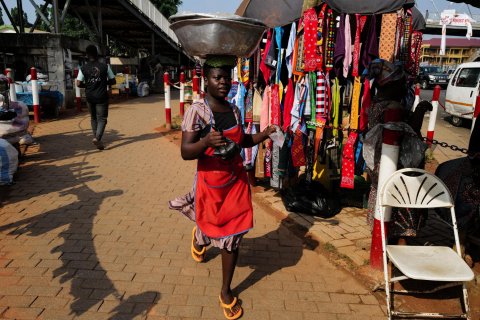
» As G20 leaders met in Johannesburg last month, they faced a grim reality: many developing-country governments are spending more than they can afford on debt service. To keep funds flowing to foreign creditors, policymakers have been forced to cut spending on education, health care, and infrastructure. These countries have so far avoided default, but at the expense of their own development.
High rates hurt public healthcare
Oped, Serah Makka and Rosemary Mburu, Published on 14/07/2025
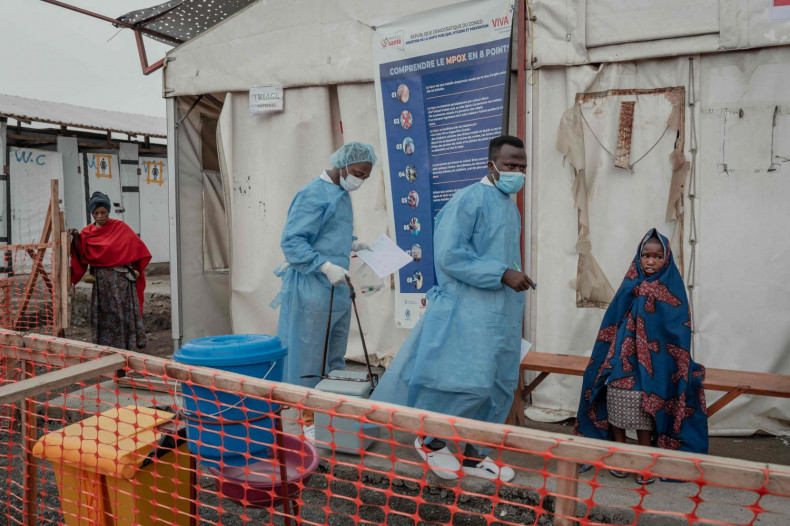
» May's 78th World Health Assembly (WHA) -- the annual meeting of the World Health Organization's member states -- ended on a self-congratulatory note. From an agreement on pandemic preparedness to increases in assessed contributions to the WHO, there were plenty of achievements to tout. But there was an elephant in the room, hiding behind a banner reading "One World for Health": the high borrowing costs faced by African countries.
Lessons from Bangladesh's recent uprising
News, Jayati Ghosh, Published on 19/08/2024
» The popular insurrection that ousted Bangladeshi Prime Minister Sheikh Hasina and her Awami League government offers important lessons for the international community. While the unrest was undoubtedly fuelled by the regime's repressive and increasingly anti-democratic tactics, the underlying causes of public discontent are often overlooked.

Data can unlock more financing
Oped, Mahmoud Mohieldin & Claire Melamed, Published on 06/08/2024
» Late last month, the United Nations convened world leaders and development experts in Addis Ababa, Ethiopia, to try to focus minds on the need for more development finance. In the face of tight government budgets, a looming debt crisis, and the chronic challenge of attracting private investment, the outlook for many developing countries -- especially in Africa -- seems bleak.
A non-native threat to Thai waters
News, Pimpavadee Phaholyothin & Michael Roy, Published on 31/07/2024
» Thailand boasts some of the most diverse ecosystems on the planet. From the lush forests of the North to the mangroves of the South, this country is a sanctuary for a plethora of wildlife species. These natural systems have evolved over millennia, during which time plant and animal species have slowly moved across the landscape as climatic and ecological conditions changed. These species adapted to their new environments, and the systems adapted to them. But times have changed, and species now move from their native environments across the globe at the speed of shipping, air transport, and rail. This results in the rapid invasion of new species into environments that have few natural mechanisms to keep them in balance with native species or the built environment.

Really fishy business
Oped, Editorial, Published on 06/07/2024
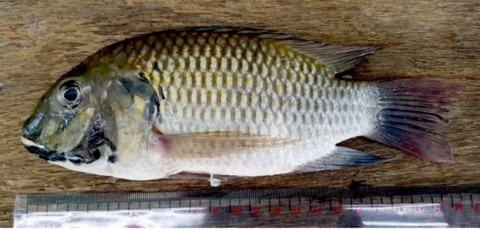
» The latest report about local fishery officials and fishermen in Songkhla and Nakhon Si Thammarat trying to clear "Pla Mor Si Kang Dam" or blackchin tilapia from natural waterways to save native aquatic creatures is alarming.
Poorest countries can't be ignored
Indermit Gill & M Ayhan Kose, Published on 18/06/2024
» They are home to a quarter of humanity -- 1.9 billion people. They possess prized natural resources, including one-fifth of the world's copper and gold reserves, as well as many of the rare metals essential for the transition to clean energy. Their working-age populations are set to expand for the next five decades amid demographic decline nearly everywhere else. Yet a historic reversal is underway among the world's 75 countries eligible for grants and low-interest loans from the World Bank's International Development Association (IDA).
Fertilisers will not fix food crisis
Oped, Silke Bollmohr & Harun Warui, Published on 08/05/2024
» The world is confronting an unprecedented food crisis, exacerbated by the Covid-19 pandemic, Russia's war against Ukraine, and worsening climate conditions. But the problem is most acute in Africa, where 61% of the population faced moderate or severe food insecurity in 2022. And at a moment when effective solutions are urgently needed, policymakers are once again coalescing around the misguided belief that increased use of mineral and synthetic fertiliser is the key to boosting agricultural productivity and ending hunger on the continent.
Carbon credits key to ending deforestation
Oped, Roselyn Fosuah Adjei, Published on 29/03/2024
» Over the past few years, intense media scrutiny has prompted a growing number of companies to pursue high-quality carbon credits. Seeking to avoid accusations of "greenwashing", many of these firms are no longer content with merely offsetting their emissions and have been actively seeking credits that deliver tangible benefits to local communities.
Give disabled women a chance
Oped, Nkechi S Owoo, Published on 22/03/2024
» It is well known that women in developing economies have fewer educational and employment opportunities than their male counterparts, leading to higher rates of poverty.