



Showing 1 - 10 of 11

Why gold matters in a changing world
Oped, Chartchai Parasuk, Published on 13/11/2025
» After reading my previous article, "Thailand has become the sick man of Asean", a good friend asked me what would happen to the Thai economy after becoming the sick man?
Scramble for Wall St alternatives
Oped, Mike Dolan, Published on 21/02/2025
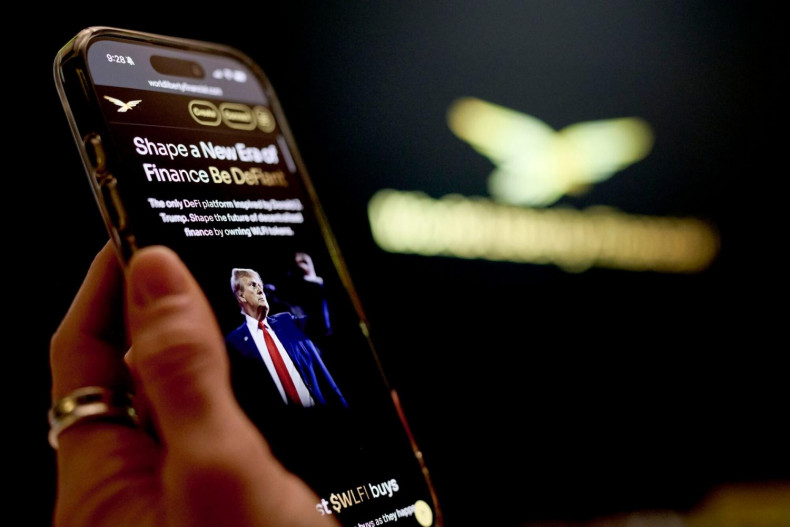
» Global investors finally appear to be doubting the wisdom of keeping all their eggs in one basket. A decade of exceptional US investment returns may, therefore, be cresting just as Donald Trump's "America First" programme returns to Washington.

Pheu Thai's cash handouts a likely flop
Oped, Chartchai Parasuk, Published on 24/08/2023
» The title of this article says it all. Pheu Thai Party's flagship economic stimulus policy of handing out 10,000 baht to all Thais aged above 16 years old, with an estimated cost of 560 billion baht, will most likely fail to stimulate (or jump-start) the economy from the recent economic slump.
The global recovery winds down
Oped, Eswar Prasad, Published on 12/10/2022
» The post-Covid recovery has run out of steam. The latest update to the Brookings-Financial Times Tracking Indexes for the Global Economic Recovery (Tiger) shows that growth momentum, as well as financial market and confidence indicators, have deteriorated markedly around the world in recent months, many countries are either in or on the brink of outright recession.
The risk of competitive rate hikes
Oped, Shang-Jin Wei, Published on 21/09/2022
» The world is facing the risk that major central banks will undertake competitive interest-rate hikes that may look desirable for their countries individually but could drag the world economy into an unnecessary recession.

Central banking must go green
Oped, Megan Greene, Published on 20/09/2022
» Just as there is no question that climate change brings enormous economic and financial risks, there should be no question that central banks can and must play a role in addressing this mother of all market failures. As central banks in the United States and Europe tighten credit to regain control of inflation, they should also use their supervisory and monetary-policy tools to catalyse and incentivise the transition to a carbon-neutral economy. Inaction is not an option, even if most central banks have not officially incorporated climate-risk management into their mandates.
How to prevent developing country debt crises
Oped, Hippolyte Fofack, Published on 05/08/2022
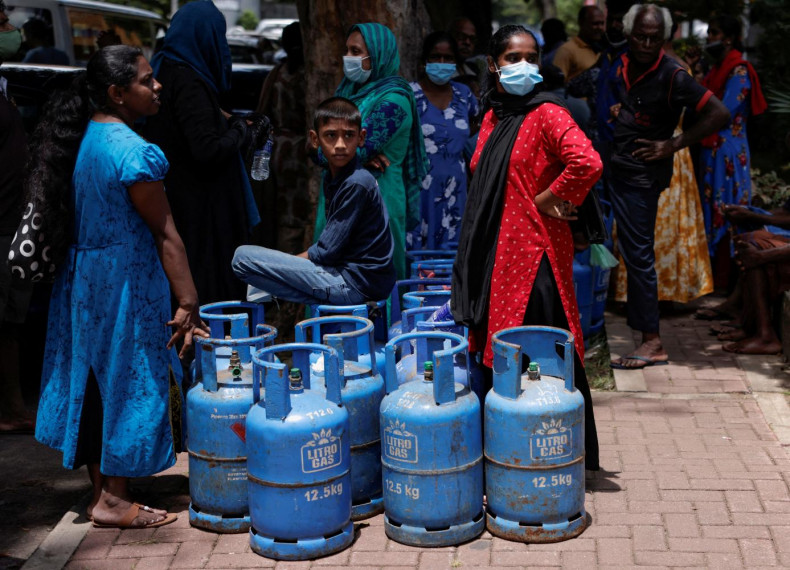
» Since the Latin American debt crisis of the 1980s, sovereign-debt crises have become a regular occurrence for emerging and developing economies. Today, Sri Lanka needs a bailout from the International Monetary Fund (IMF) after defaulting on its foreign debt in May, and a growing number of low-income countries are facing similar challenges.
When will inflation stop happening?
Oped, Koichi Hamada, Published on 10/05/2022
» Until a few years ago, major economies were struggling to achieve even mild inflation, with policymakers in the United States, United Kingdom and eurozone struggling to meet their targets of 2% annual price growth. But with the arrival and persistence of Covid-19, the world changed dramatically. Two years later, everyone is worried about soaring inflation and how it can be contained.
How Covid-19 disrupted the EU's integration
Oped, Melvyn Krauss, Published on 03/12/2020
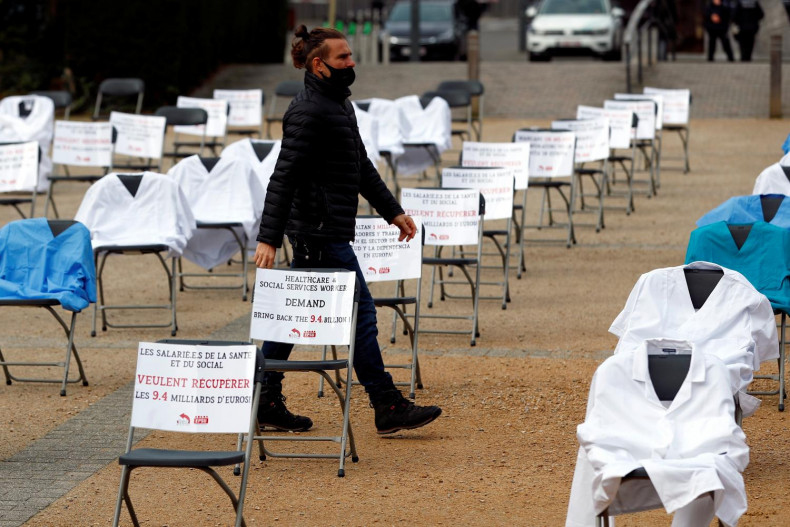
» The second wave of Covid-19 infections has struck Europe harder than many expected. The hope of a V-shaped recovery has been replaced by the fear of a double-dip recession, implying that there will be no quick return to normal European Union budget rules. More worryingly, Europe now finds itself forced into a tradeoff between two objectives, both of which are critical to its long-term viability as a supranational political and economic bloc. Now more than ever, the EU's commitment to the rule of law appears to be on the chopping block.

Understand problems to solve them
Oped, Chartchai Parasuk, Published on 13/08/2020
» What is happening with the Covid-19 economic crisis is that governments and economists around the world are trying to solve it on a "trial and error" basis because no one actually has experience with a crisis of this magnitude. Textbook measures like mega-fiscal spending, helicopter money, loan payment holidays, SME business loans and near-zero interest rates are being implemented.