




Showing 1 - 10 of 1,116
Countering the fallacy of the buffer zone
Oped, Daoud Kuttab, Published on 10/04/2026
» Territorial buffers rarely, if ever, deliver the peace and security their advocates promise. After the collapse of the USSR, Ukraine was seen as a neutral cordon between Russia and Nato. Instead, it became a zone of increasingly fierce geopolitical contention, followed by open war.
Modern-day mispricing of war
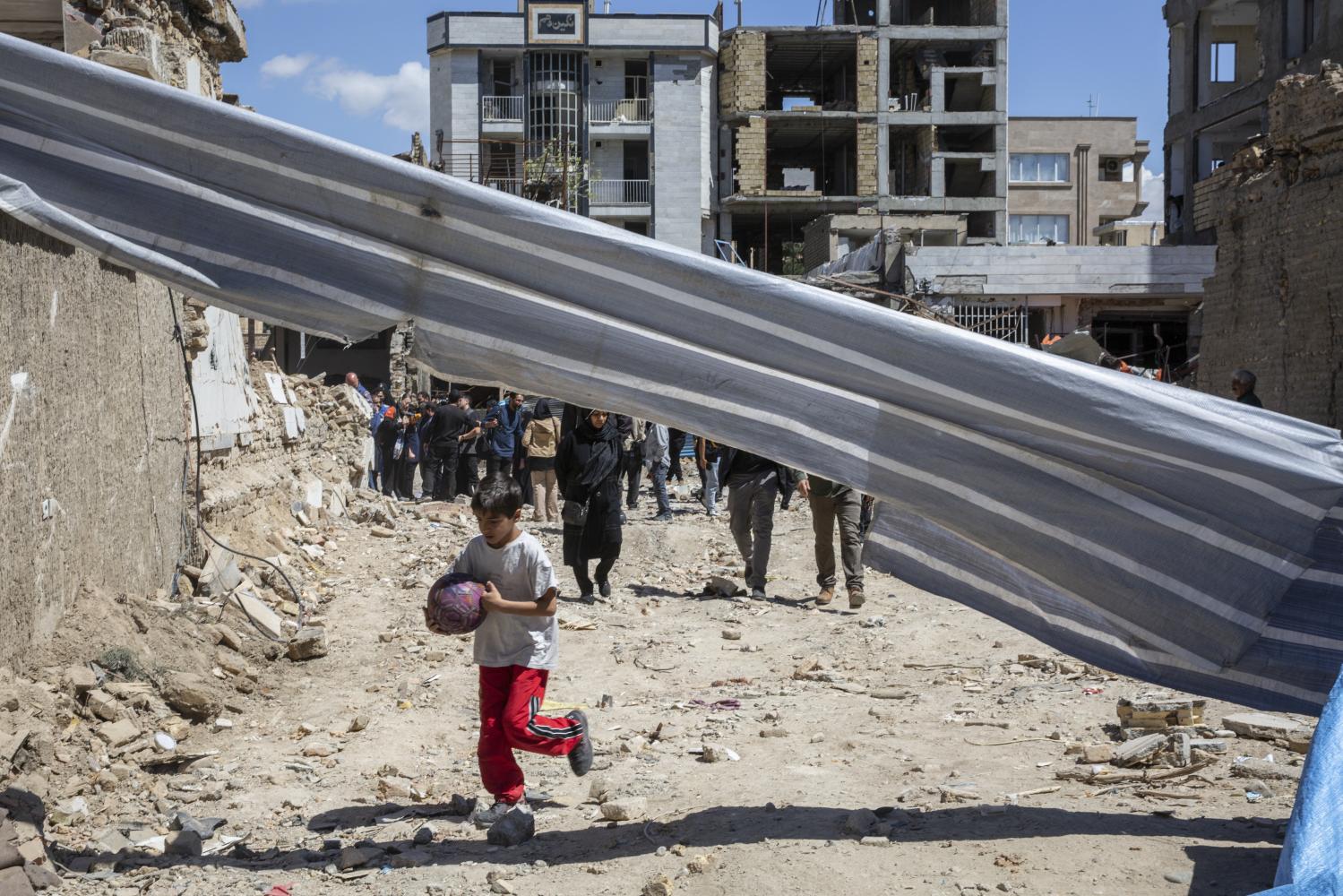
Oped, Antara Haldar, Published on 09/04/2026
» In the space of just a few weeks, the throttling of shipping traffic through the Strait of Hormuz has revealed the true nature of the US-Israeli war with Iran. This is no regional conflict, because the entire world is being invoiced. While the size of the bill remains to be determined, it is already obvious that the belligerents won't be the only ones paying the tab.
Can alliances with the US be replaced?
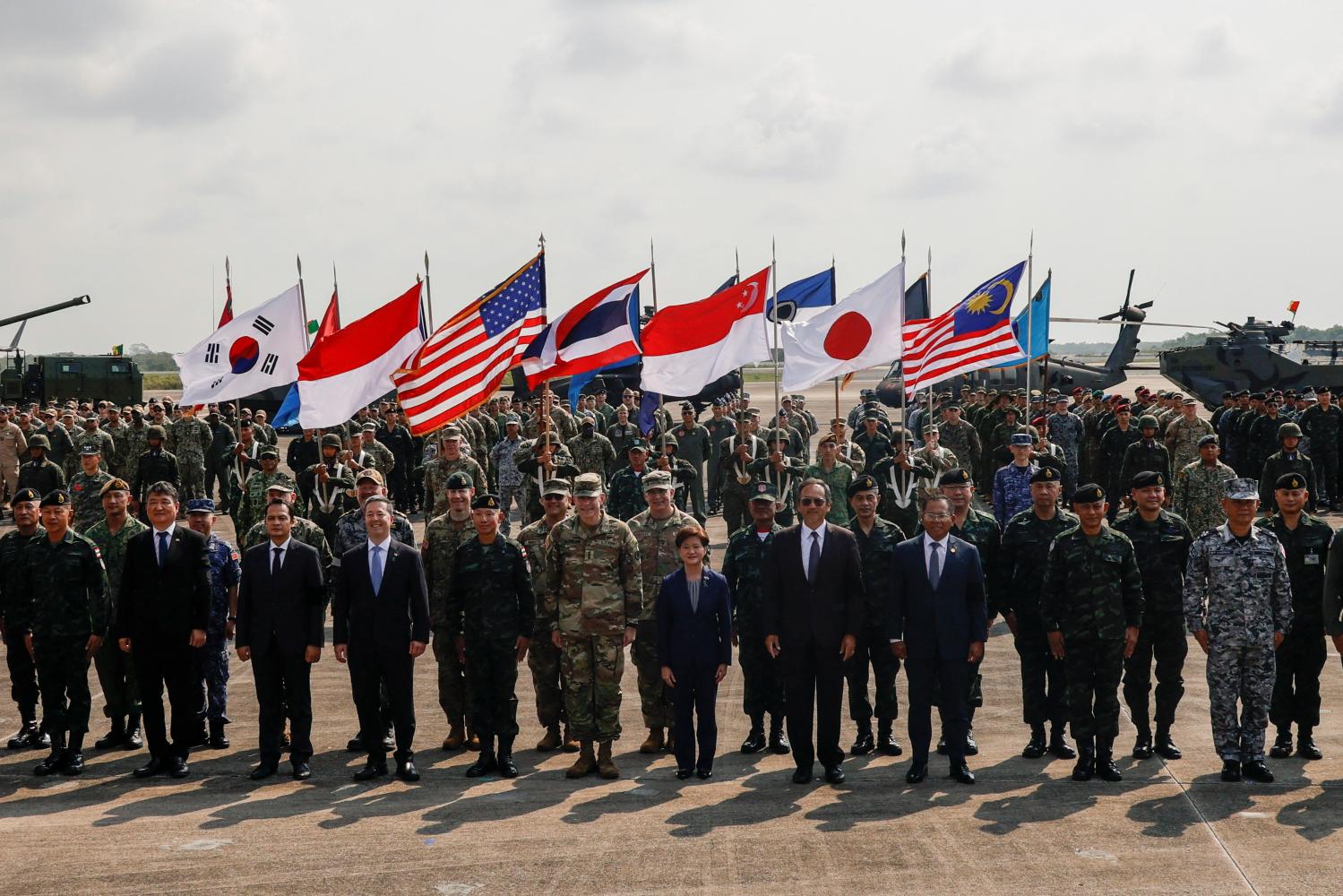
Oped, Kavi Chongkittavorn, Published on 07/04/2026
» The increasingly loud debate over the future of alliances -- after reports that the US could scale back or even withdraw from Nato -- is nerve-racking. It has caused alarm across Europe and in Southeast Asia, another node of the US alliance network. Even without any official decision, remarks by US President Donald Trump on social media were enough to shake already fragile US alliances. The question now frequently asked by Thai policymakers is: What comes next if alliances weaken?
Will Kharg Island decide the future of US alliances?
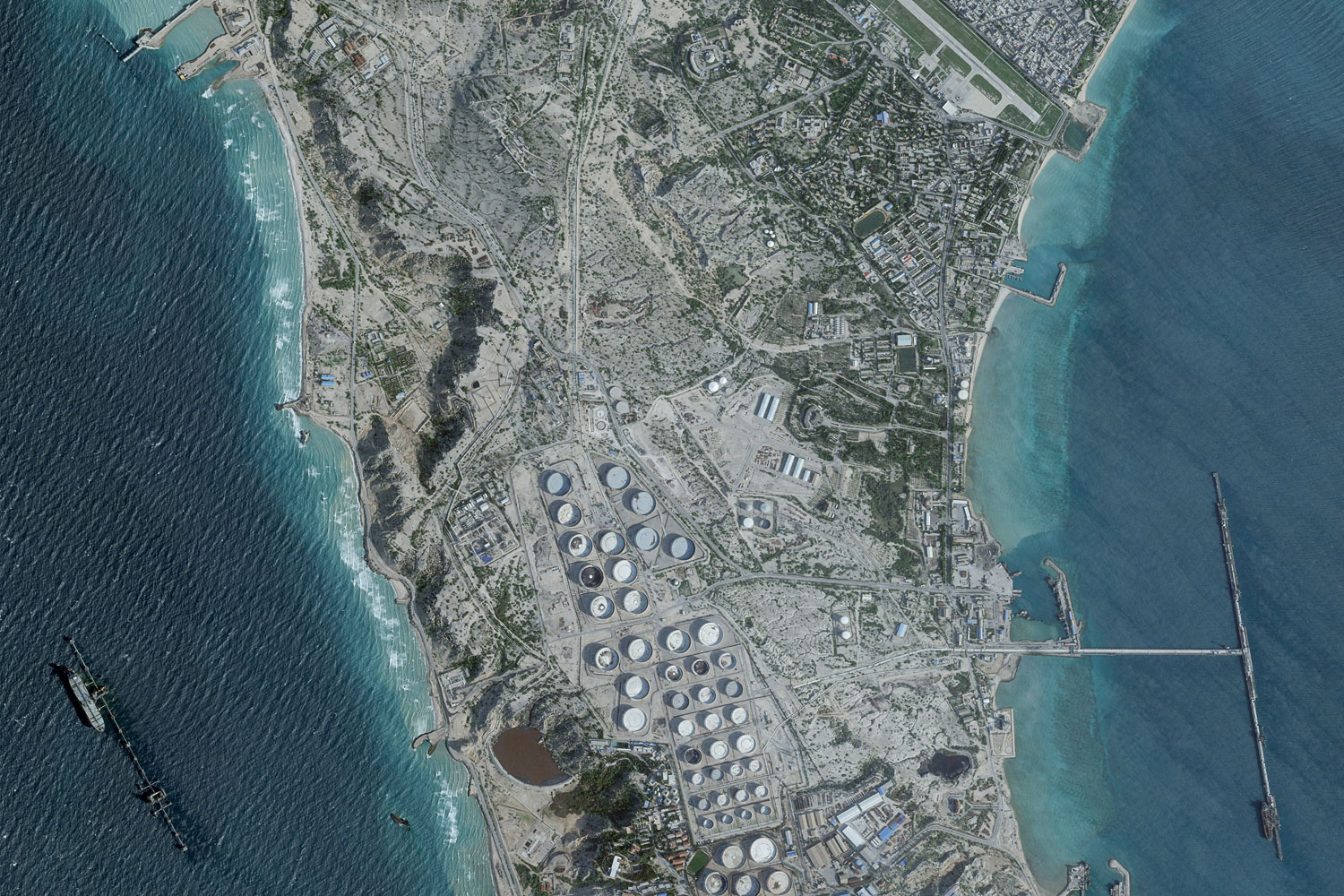
Oped, Carla Norrlöf, Published on 03/04/2026
» The key question about Iran's energy-export terminal on Kharg Island is not whether the United States can seize or disable it. Of course it can.
Russia is winning the Iran War
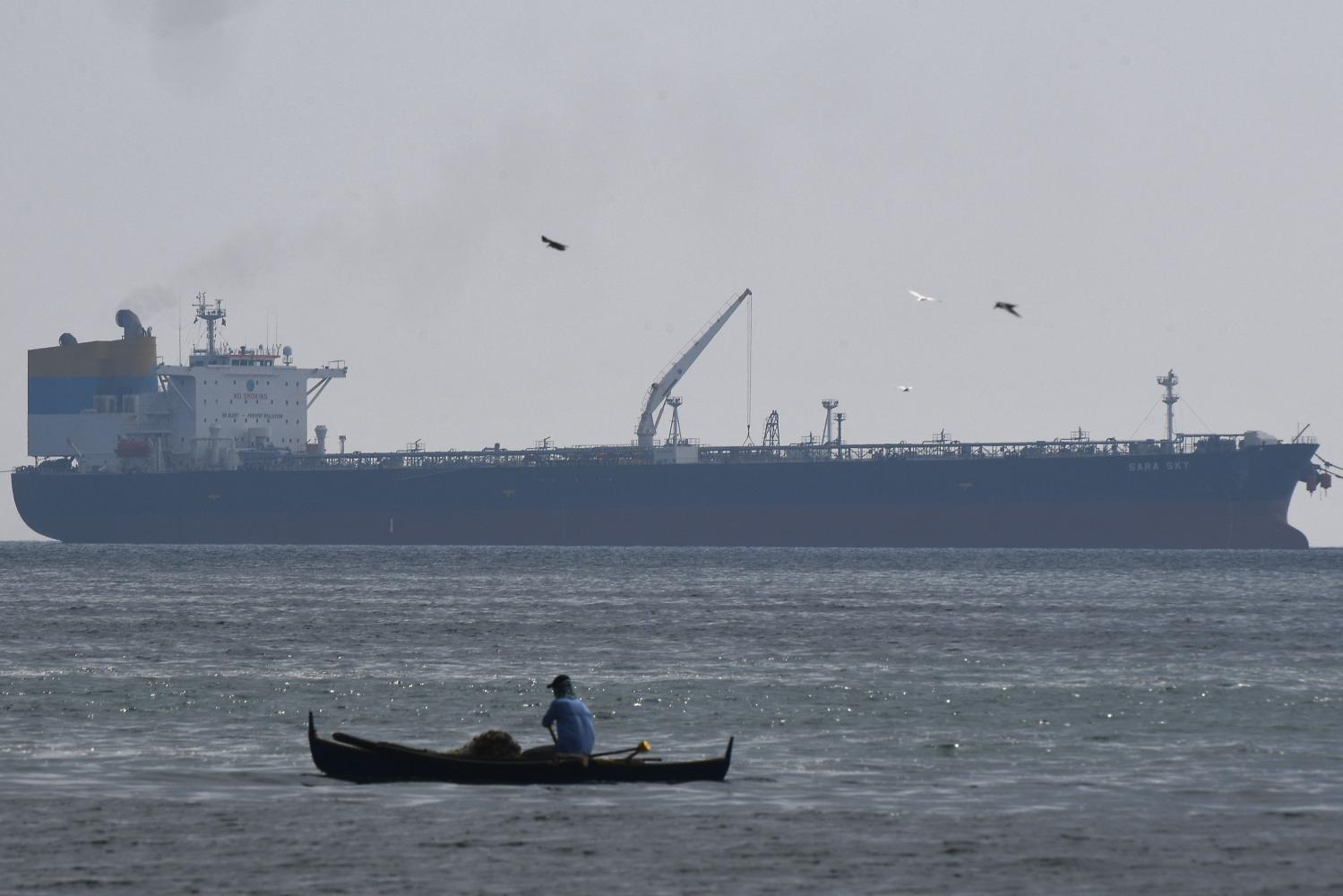
Oped, Chris Patten, Published on 02/04/2026
» While the rationale for US President Donald Trump's Iran war is difficult to decipher, its main beneficiary is far easier to identify: Russian President Vladimir Putin.
Urgent push for fair climate finance
Oped, Sarinee Achavanuntakul, Published on 01/04/2026
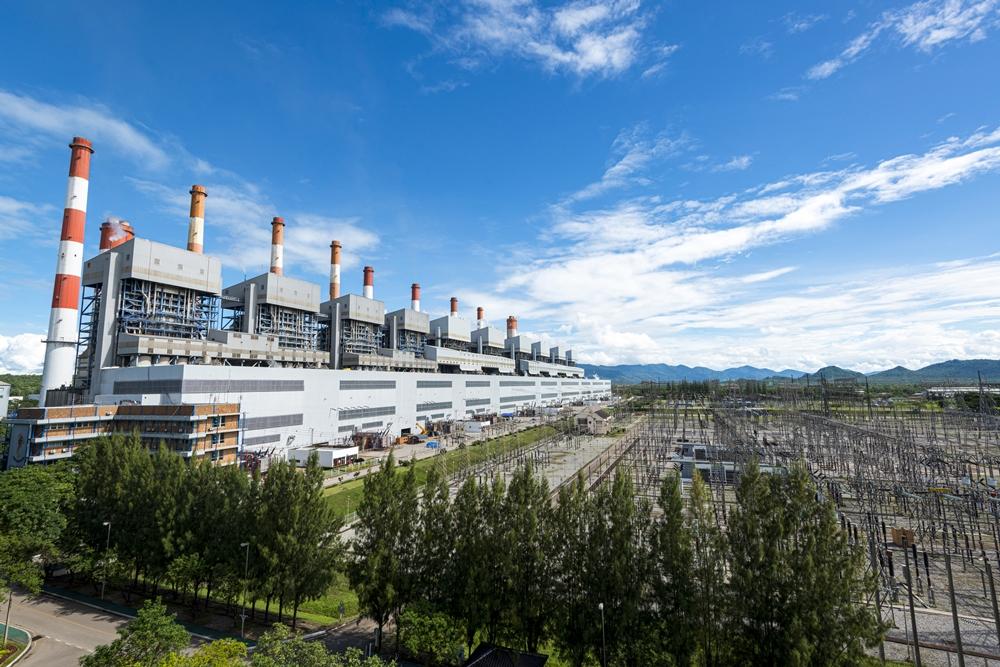
» Ever more visible, the various impacts from climate change are eroding both Thailand's economic competitiveness and the livelihoods of its people: season by season, in heat waves that flatten productivity, floods that swallow farmland, and coastal erosion that is slowly reclaiming communities.
Selective outrage will not end the war in Iran
Oped, Jayati Ghosh, Published on 27/03/2026
» Few United Nations Security Council resolutions have been as one-sided as its recent condemnation of Iran's "egregious attacks" on regional neighbours such as Bahrain, Qatar, Saudi Arabia, and the United Arab Emirates. Leaving little room for interpretation, it describes those attacks as "a breach of international law and a serious threat to international peace and security".
Trump goes off-script, US gone rogue
Oped, Thitinan Pongsudhirak, Published on 27/03/2026
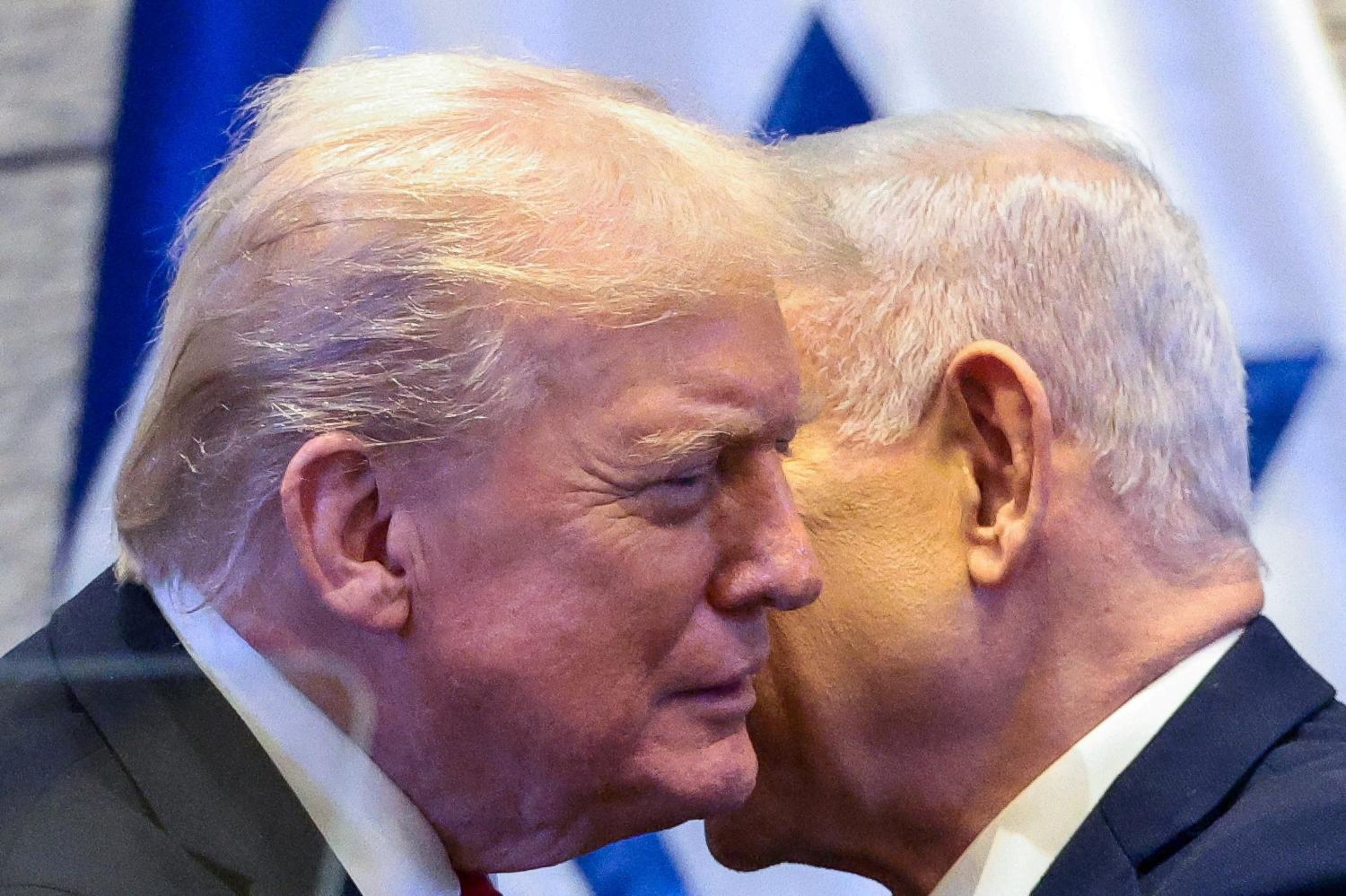
» It was not supposed to work like this. "America First" and "Make America Great Again" (MAGA) were supposed to be about an inward turn to repair, replenish and rebuild an externally overstretched and internally weakened country, weighed down by unnecessary global entanglements, unsustainable national debt, and unimpeded mass migration. It seemed for a time that the MAGA movement to prioritise America above and beyond the international system and its constituent parts had found its final prophet in President Donald J Trump. But now, somehow, President Trump has betrayed the movement that has carried him to office by waging a disastrous war on Iran in cooperation with Israel.
Truth will prevail over Russia's war on Ukraine
Oped, Viktor Semenov, Published on 25/03/2026
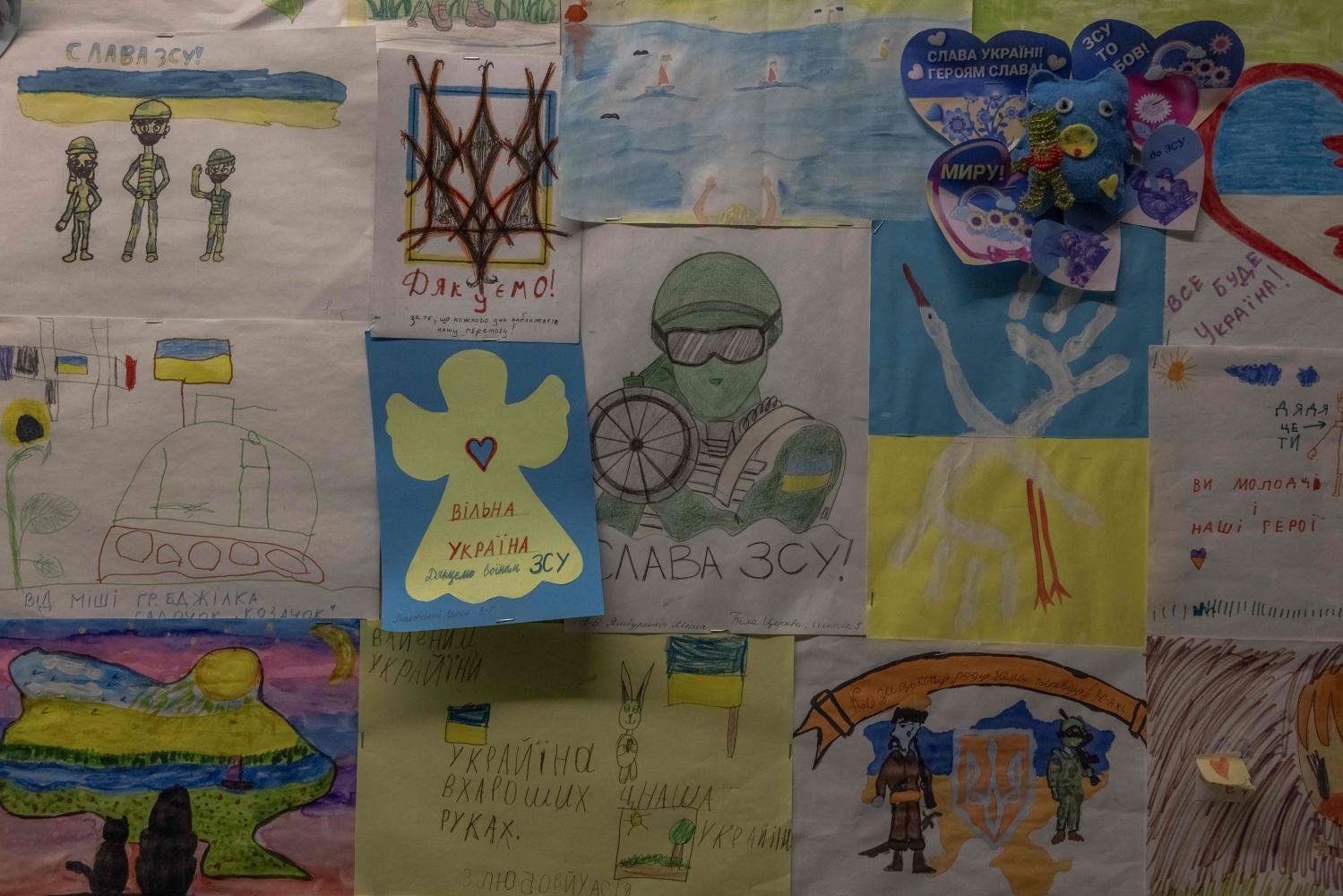
» This recent February marked 12 years of armed aggression against my country and also marks five years since Russia's full-scale invasion of Ukraine. The Kremlin has constructed a series of myths that revolve around Ukraine's Revolution of Dignity, which Russia labels a "coup d'état by a junta," the alleged "threat from Nato", the so-called "protection of Russian-speaking population", and the sham referendums conducted at gunpoint in the temporarily occupied territories of Ukraine, which are legally null and void.

Lesson from India to avoid the middle-income trap
Oped, Arvind Panagariya, Published on 18/03/2026
» Among Indian Prime Minister Narendra Modi's most ambitious goals is to transform his country into a developed economy by Aug 15, 2047 -- the centenary of Indian independence. Given India's growth record over the past two decades, the speed and scale of its infrastructure development in recent years, and the Modi government's willingness to enact large-scale economic reforms, India is likely to become one of the few developing countries to avoid the middle-income trap.