



Showing 1 - 10 of 54
Could a Brics currency rival the dollar?
Oped, Jim O'Neill, Published on 18/02/2026
» Could the Brics (Brazil, Russia, India, China, South Africa) ever launch a shared currency to challenge the US dollar's dominant position in the world economy? Like many conventional international economists, I have generally dismissed the idea, despite my own role in coining the Brics acronym, which led to the creation of a formal Brics club (since expanded into the Brics+, with the addition of five new members).
Cutting Asia's reliance on dollars
Oped, Yasuto Watanabe & Hiro Ito, Published on 02/10/2025
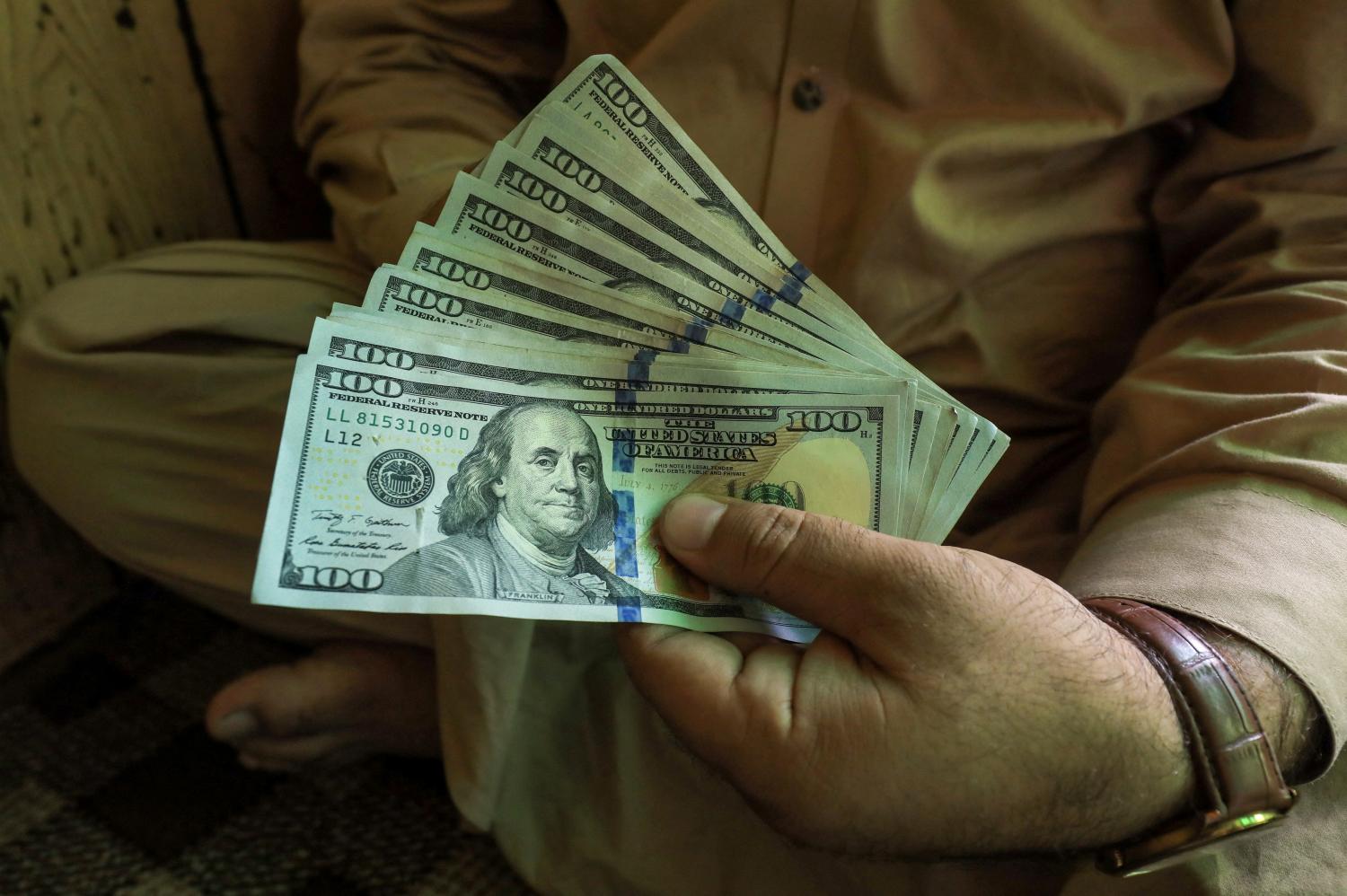
» The US dollar remains the world's leading reserve currency, but recent developments -- particularly President Donald Trump's unilateral economic diplomacy, including weaponisation of the dollar -- have fuelled doubts about whether it will maintain that status. While some of America's geopolitical rivals may hope to displace the dollar, the real challenge facing Asian economies is to manage the vulnerabilities created by their heavy dependence on it.
Ishiba's summit absence shows lack of Nato faith
Oped, Sayuri Romei and Alice Dell'Era, Published on 21/07/2025
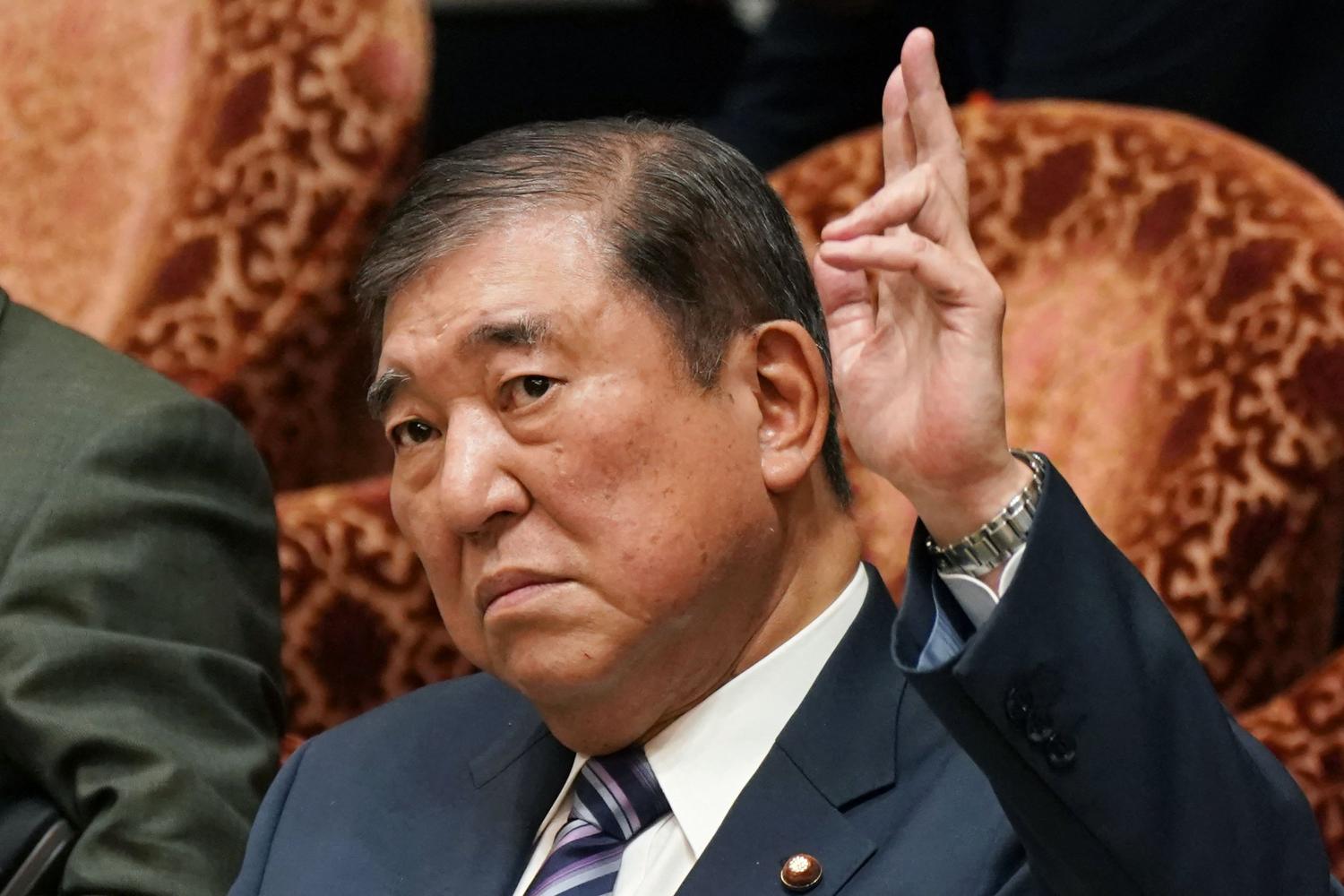
» Since a Japanese prime minister first attended a Nato summit in 2022, Japan has sent its highest-level representative to the event for three consecutive years. Russia's full-scale invasion of Ukraine in February 2022 was a key catalyst for Tokyo's decision to attend that year, and the 2025 summit in The Hague would have marked the fourth consecutive appearance by a Japanese leader.

All wiped out
Oped, Postbag, Published on 01/07/2025
» Re: "Trade deal optimism lifts Asian shares", (Business, June 28).
Working on our shared values
Oped, David Daly, Published on 09/05/2025
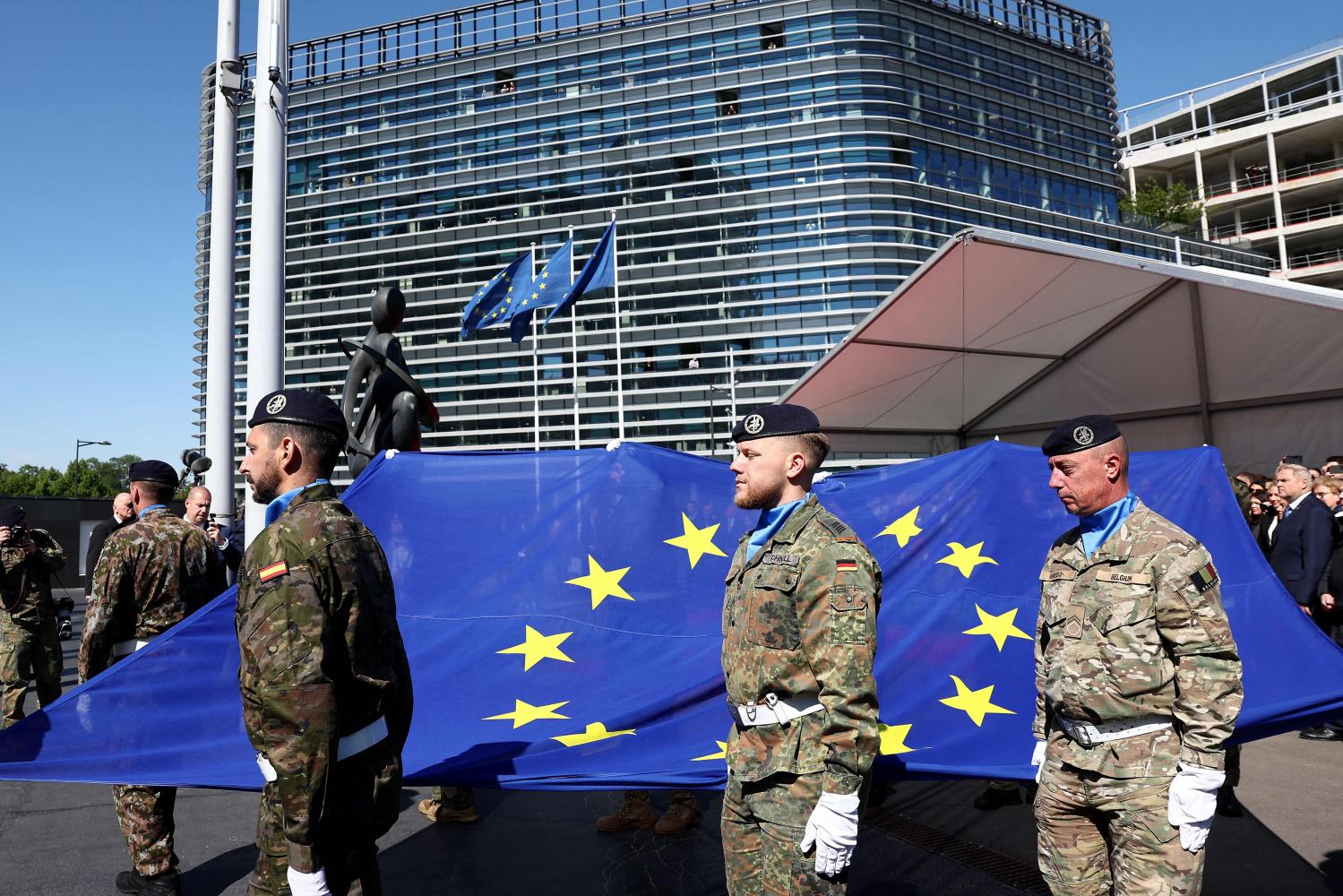
» The European Union was born from the ashes of the Second World War to break the cycle of wars between historical enemies. On May 9, 1950, French foreign minister Robert Schuman presented a historical declaration proposing to jointly manage, through a single supranational authority, the industries needed to wage war -- coal, iron, steel. The Schuman Declaration was adopted by six countries -- Belgium, France, Germany, Italy, Luxembourg and the Netherlands; May 9 is since considered the founding day of the EU.

Insurers must embrace AI tools
Oped, Pierre du Rostu, Published on 09/04/2025
» Over the past year and a half, insurers have been pulling out of high-risk areas at an alarming rate. Nowhere has this been more obvious than in California, where wildfires have become more frequent and intense -- the Los Angeles conflagration in January being only the latest in a series of devastating blazes. And it's not just wildfires: the Golden State is also prone to large, damaging floods.

The key to universal energy access
Oped, Ingrid-Gabriela Hoven and Francesco La Camera, Published on 18/03/2025
» Our planet and its inhabitants are in trouble. The Intergovernmental Panel on Climate Change (IPCC) estimates that to meet the targets of the 2015 Paris agreement and keep global warming below 2° Celsius (relative to preindustrial levels), renewable energy must supply 70-85% of the world's electricity by 2050. In other words, renewable capacity must triple by 2030 to avert a climate catastrophe.

CDU won the German polls, but can it rule?
Oped, John J. Metzler, Published on 26/02/2025
» Another major country has flipped politically to the conservative column. After three years of a drifting centre-left coalition government, voters elected a conservative (small c) Christian Democratic Union CDU government in Germany's parliamentary elections. Yet what was expected to be a massive win for the likely new Chancellor, Friedrich Merz, became a bit disappointing when his party gained 28.5% of the vote.

Ukraine's fate is now hanging in the balance
Oped, John J Metzler, Published on 20/02/2025
» Three years into Russia's war against Ukraine, there seems to be a chance for peace. But this political intermezzo may be as fleeting as the approaching spring weather to soon sweep the steppes, yet at the same time, it remains a worthwhile window of opportunity for all parties to reach a ceasefire and then begin the long and perilous quest for peace.

Building a resilient climate future
Oped, Charika Channuntapipat & Supanutt Sasiwuttiwat, Published on 29/01/2025
» Despite growing risks from natural disasters, Thailand is unprepared for the financial fallout. Severe floods, rising temperatures, and unpredictable weather patterns are becoming more frequent. Without action, the damage will escalate.