




Showing 1 - 10 of 2,019

Tackle smog in North
Oped, Editorial, Published on 02/04/2026
» On Monday, Chiang Mai was ranked the world's most polluted major city, according to the Air Quality Index (AQI) compiled by a Swiss air-monitoring firm.
Russia is winning the Iran War
Oped, Chris Patten, Published on 02/04/2026
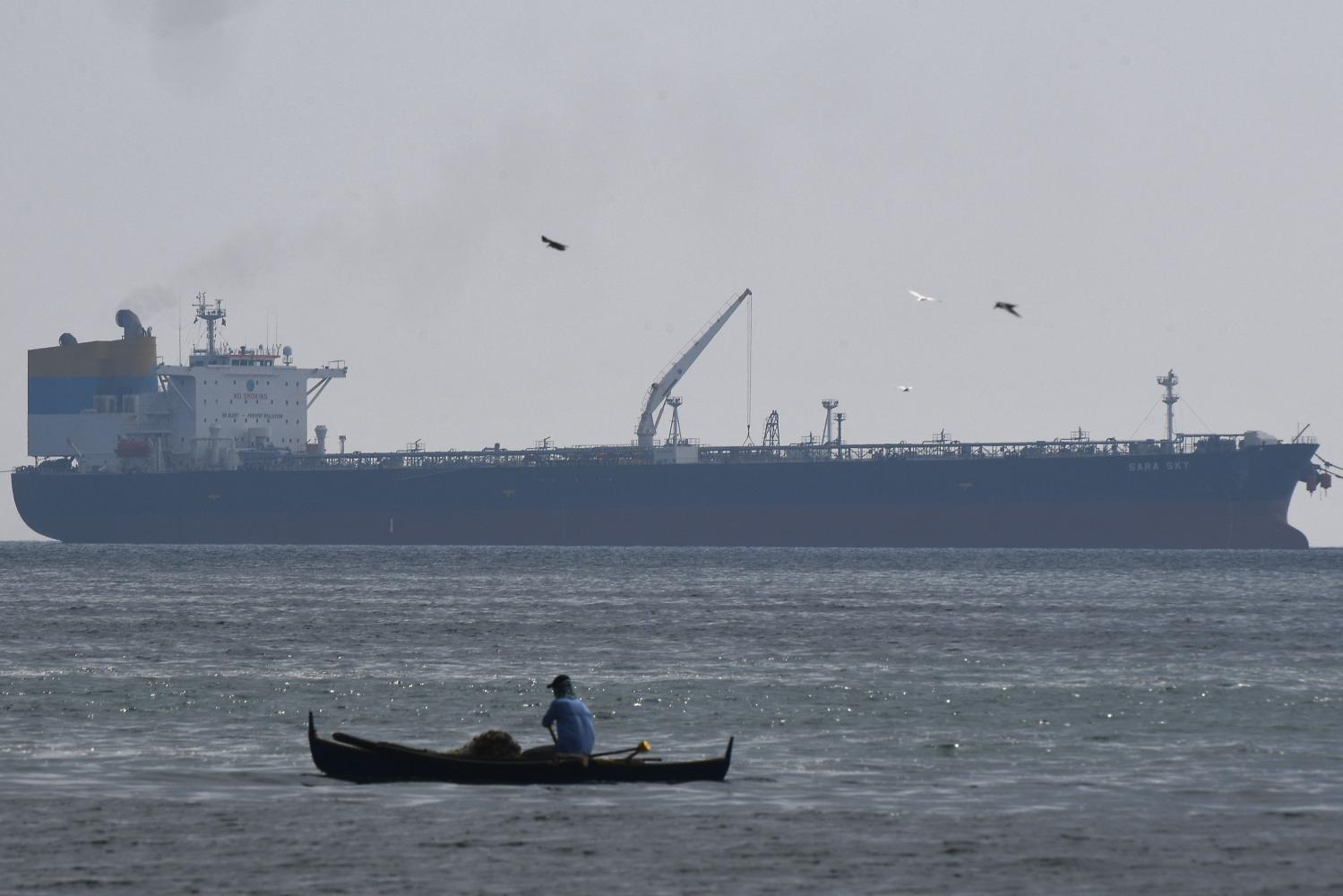
» While the rationale for US President Donald Trump's Iran war is difficult to decipher, its main beneficiary is far easier to identify: Russian President Vladimir Putin.

Fuel reform now
Oped, Postbag, Published on 01/04/2026
» Re: "PM apology a good start," (Editorial, March 30).
US must let IAEA do its job in Iran
Oped, Helen Clark, Published on 31/03/2026
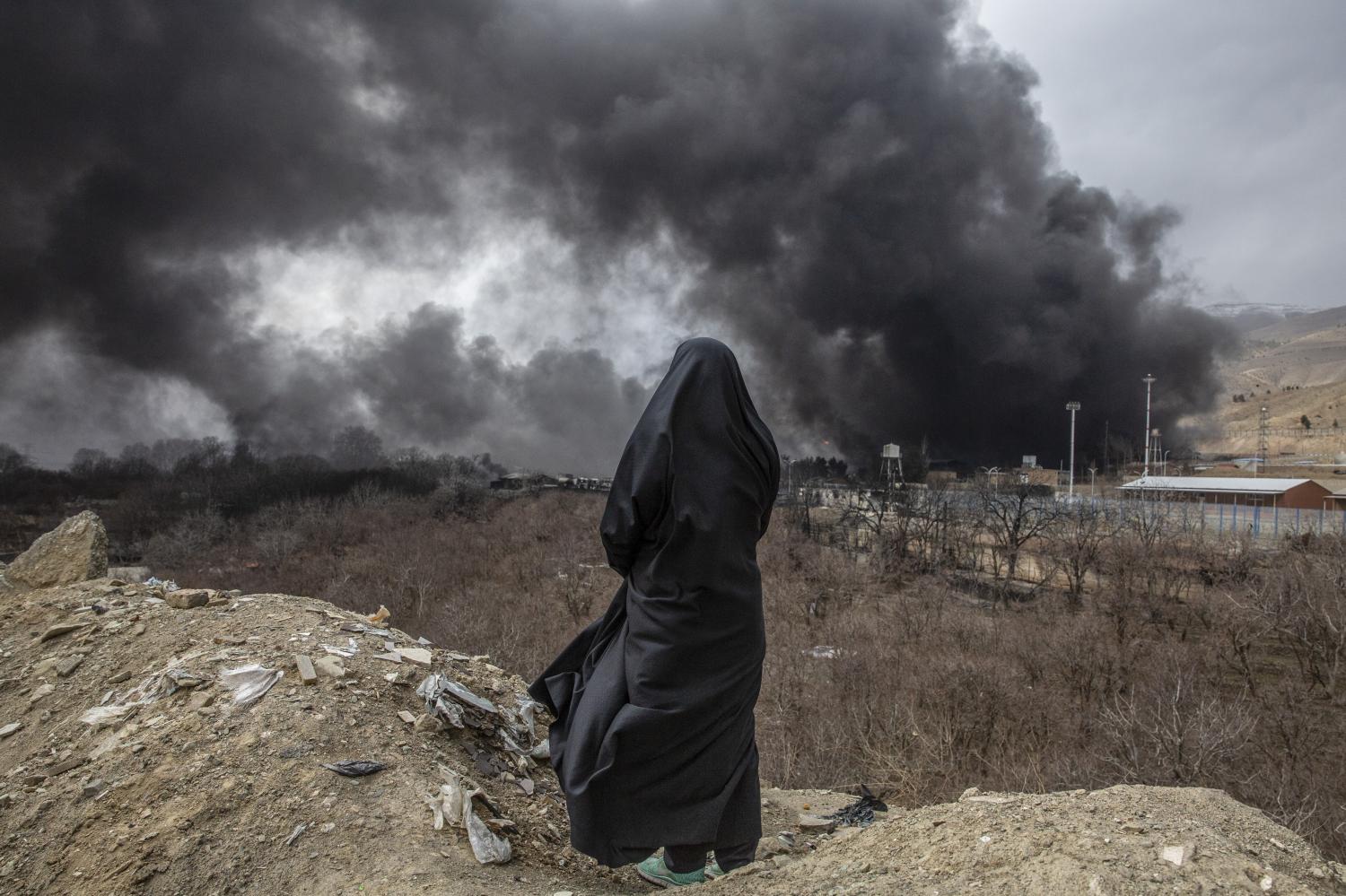
» The US-Israeli war on Iran has already destabilised the global economy and the geopolitics of the Middle East. Even more alarming, recent reporting shows that US President Donald Trump is deploying ground troops, a prospect that immediately evokes memories of past failed interventions -- from Vietnam to Iraq -- with their high costs in American and especially local lives.
Gulf states tell US ending the war is not enough
Oped, Samia Nakhoul, Published on 31/03/2026
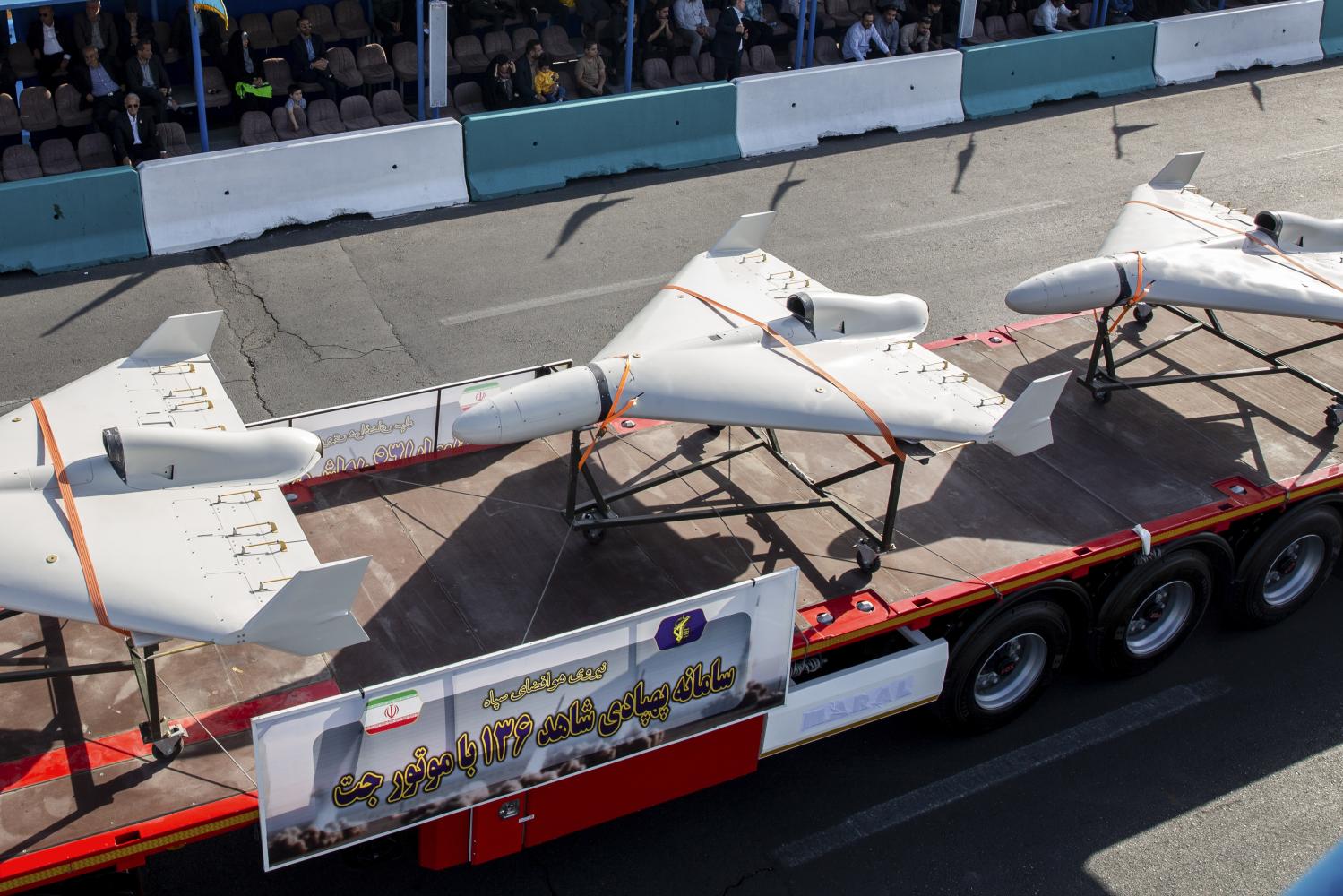
» Gulf Arab states are telling the US that any deal with Tehran should do more than end the war, and must permanently curb Iran's missile and drone capabilities and ensure global energy supplies are never again "weaponised", four Gulf sources said.
Rethinking Thailand's visa-free policy
Oped, Kavi Chongkittavorn, Published on 31/03/2026
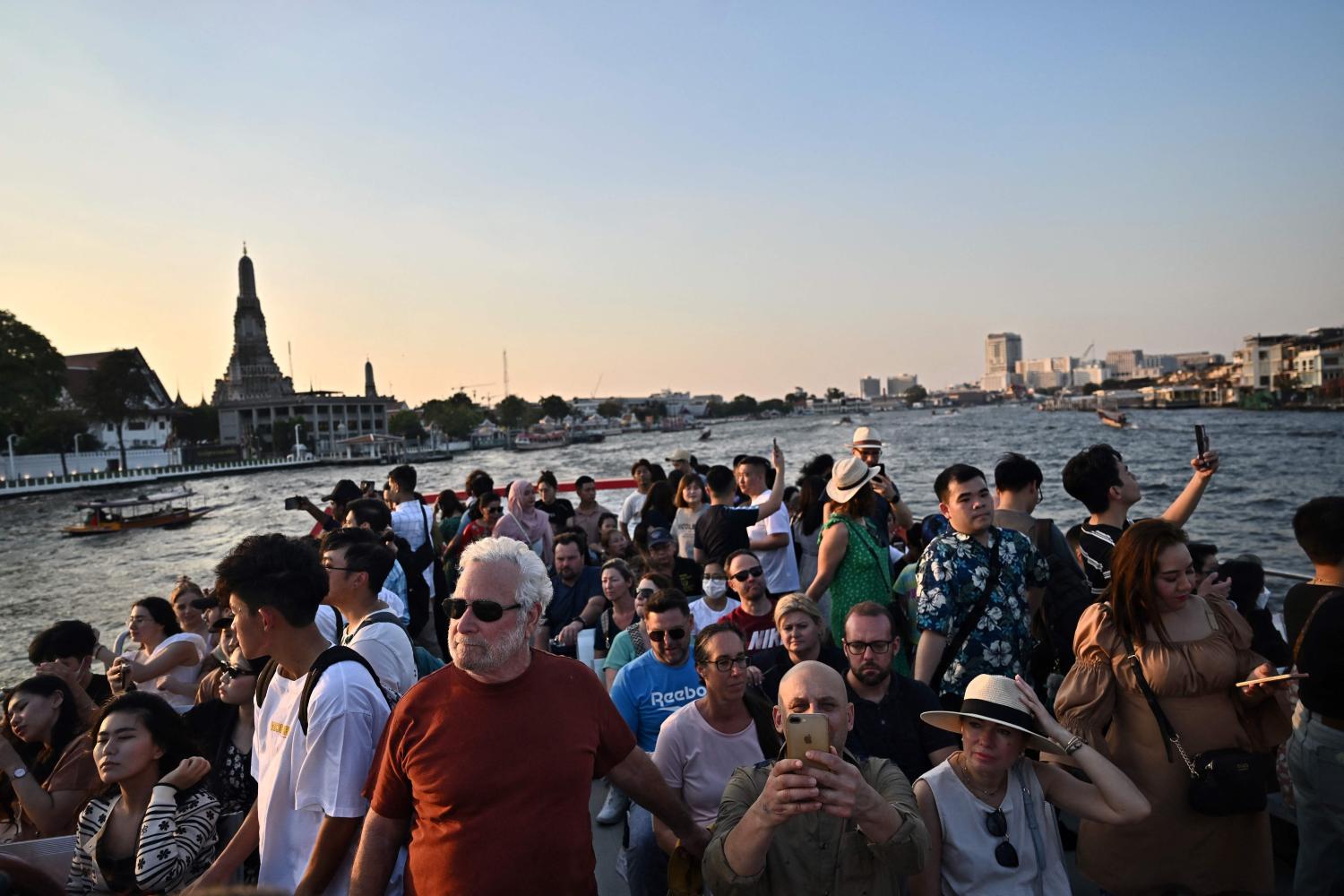
» Thailand is planning to cut visa-free stays from 60 days to 30 days. This long-overdue change reflects growing concern over the effectiveness of immigration surveillance. Moreover, scaling down visa-free stays underscores the seriousness of the Anutin government's efforts to combat scammers, illegal work, and other underground activities that exploit easy visa access to turn Thailand into a base for under-the-table operations.
The silent engines of Asean realism
Oped, Imran Khalid, Published on 30/03/2026
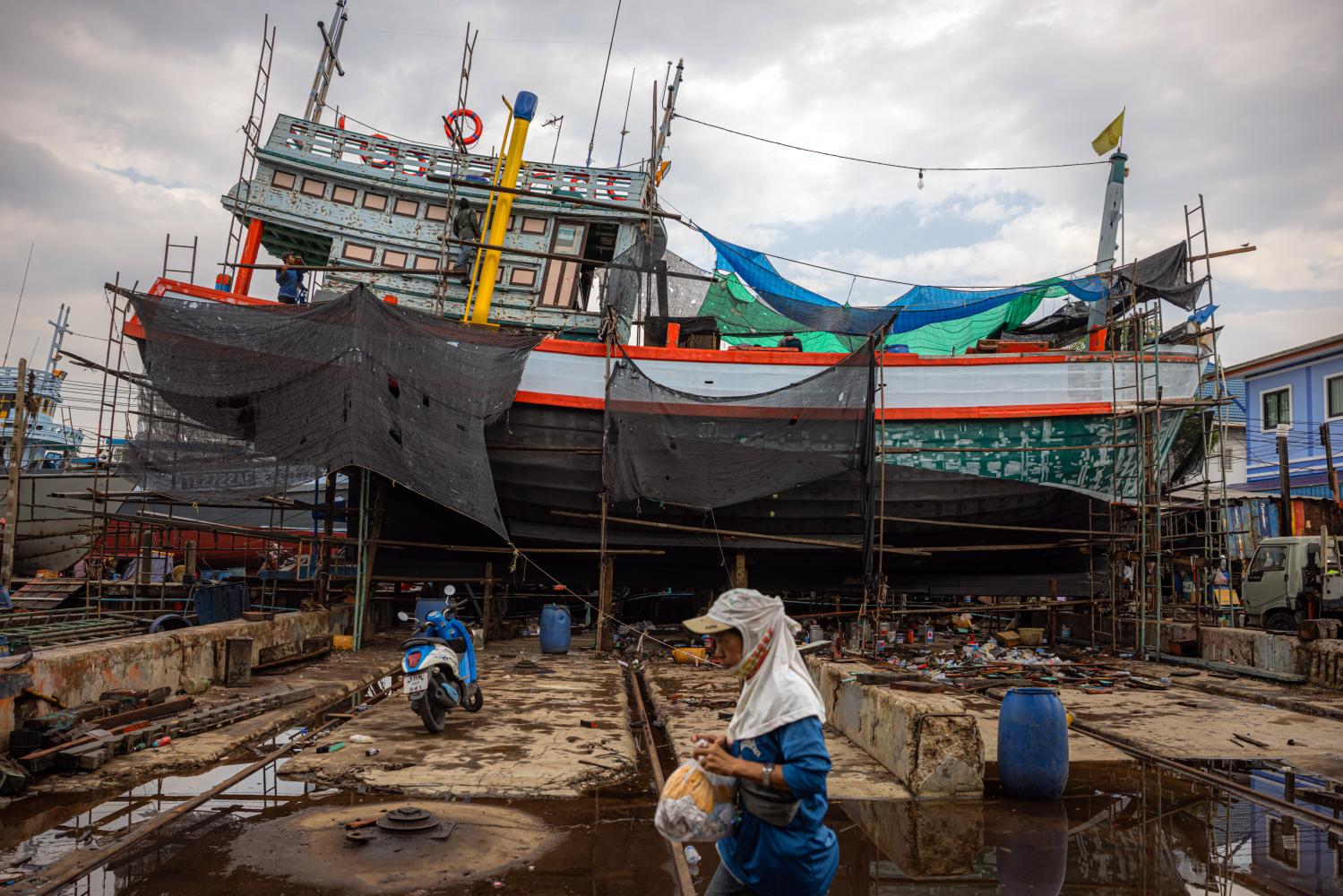
» The global economy is currently tackling what may be the most significant energy disruption since the 1970s. The effective throttling of the Strait of Hormuz -- now seeded with Iranian Maham mines and subject to a tense, IRGC-monitored tolling system -- has physically severed the energy arteries that sustain the industrial heart of Southeast Asia.
Selective outrage will not end the war in Iran
Oped, Jayati Ghosh, Published on 27/03/2026
» Few United Nations Security Council resolutions have been as one-sided as its recent condemnation of Iran's "egregious attacks" on regional neighbours such as Bahrain, Qatar, Saudi Arabia, and the United Arab Emirates. Leaving little room for interpretation, it describes those attacks as "a breach of international law and a serious threat to international peace and security".
PM's crisis-coping skills again in doubt
Oped, Nattaya Chetchotiros, Published on 26/03/2026
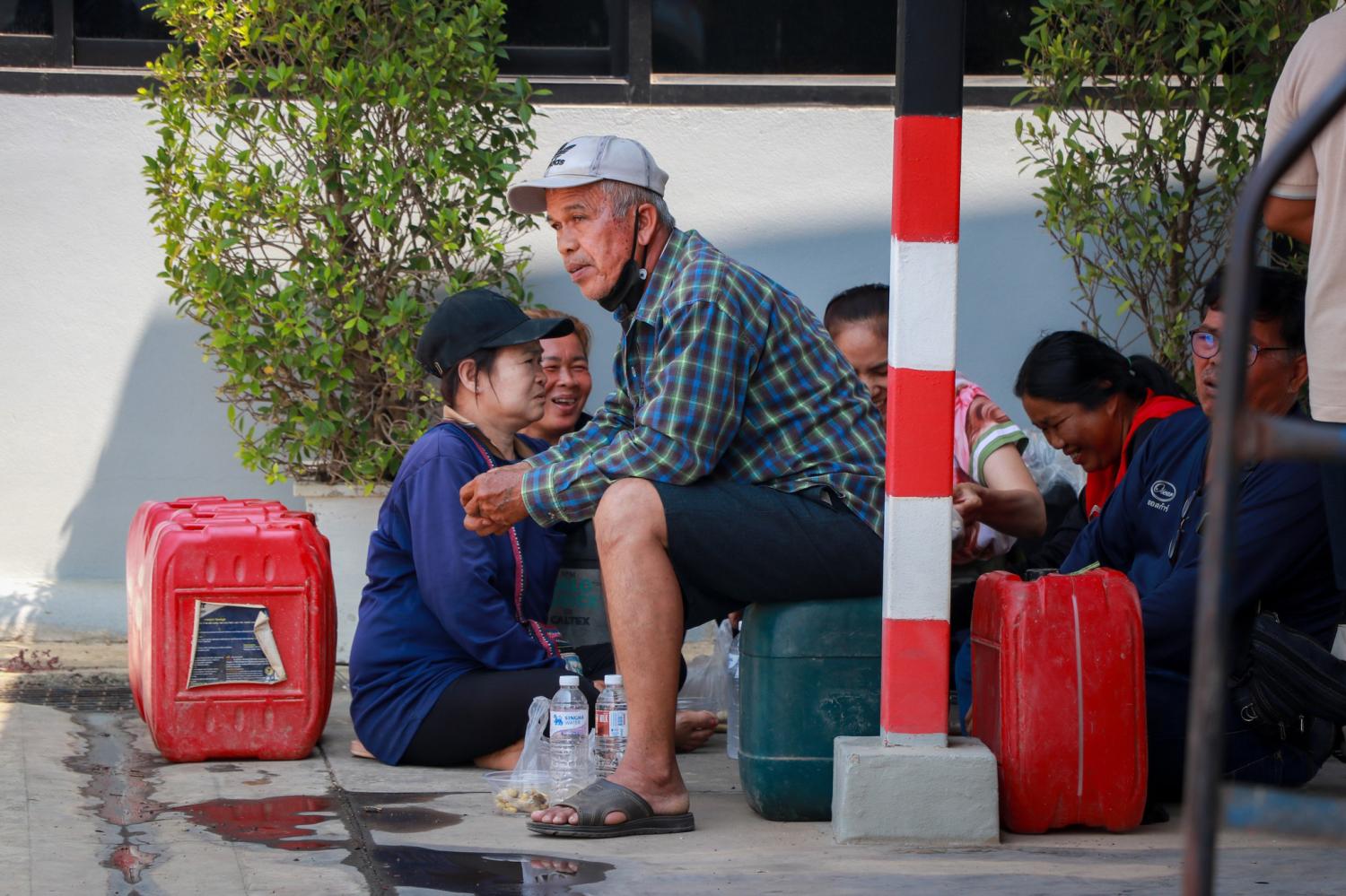
» A joint military attack on Iran by the United States and Israel appears to have had a profound political impact on the Anutin government. Prime Minister Anutin Charnvirakul and his ministers have come under heavy criticism from the public and commentators alike for what is widely seen as a failure to handle the oil supply situation effectively.
Asean's energy security at risk
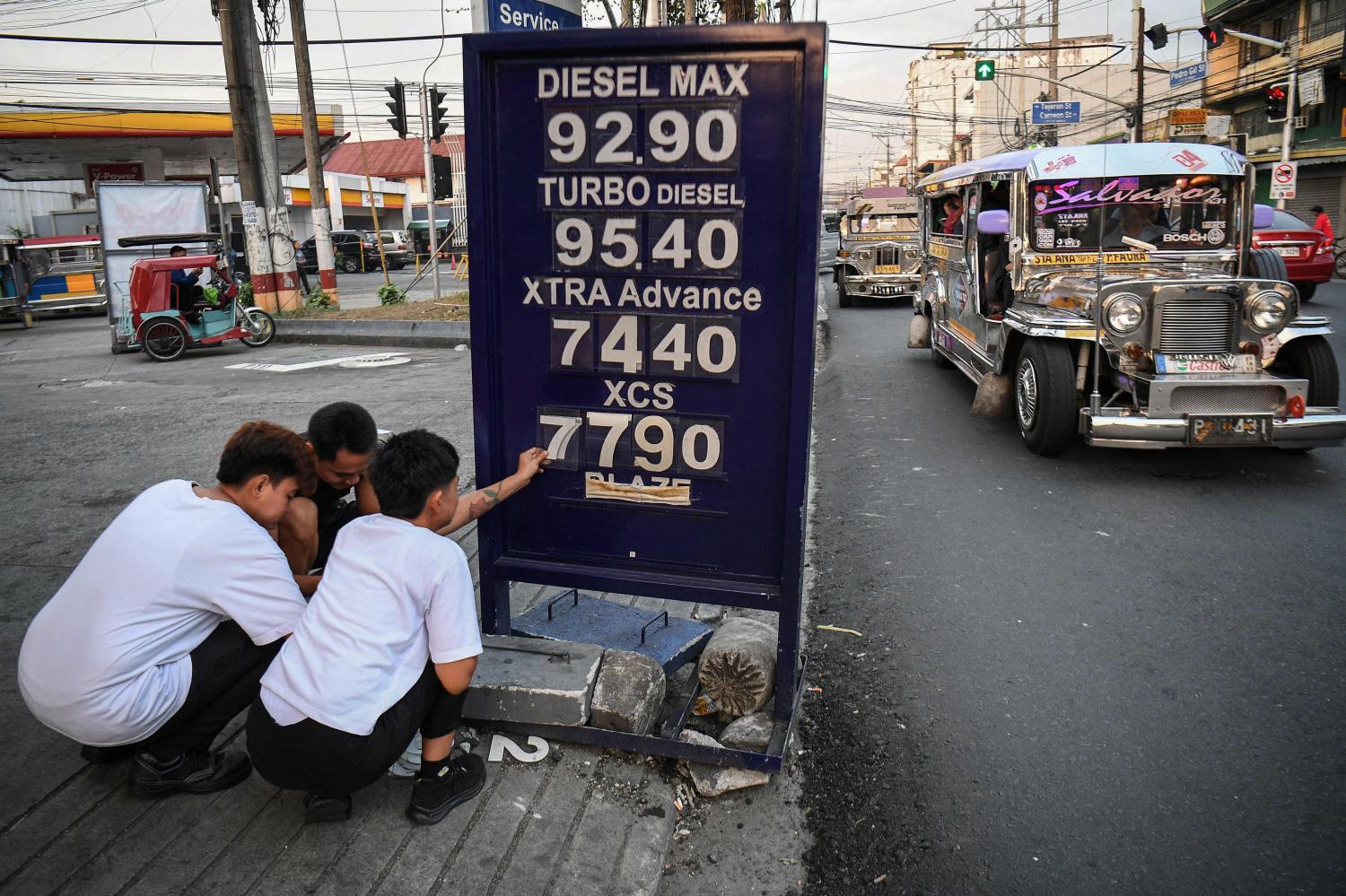
Oped, Ma. Theresa P. Lazaro, Published on 26/03/2026
» In June 1986, the five founding members of the Association of Southeast Asian Nations (Asean) assembled in Manila to discuss Asean's response to the global energy crisis, which began with the Iranian Revolution in late 1978.