




Showing 1 - 10 of 163
Some shock therapy or slow healing?
Oped, Chartchai Parasuk, Published on 02/04/2026
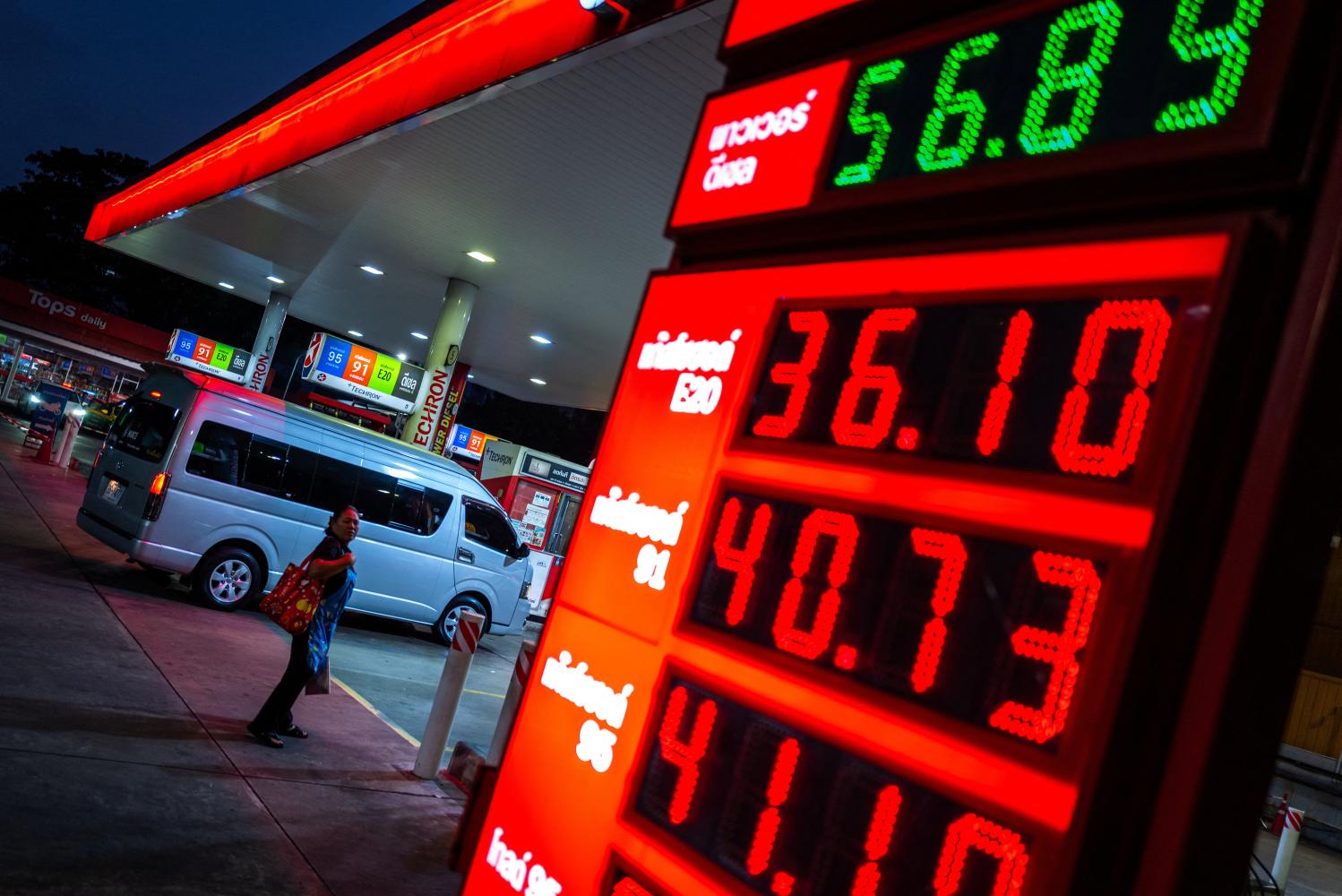
» Do readers prefer shock therapy or slow healing? This is not a health question, but an important economic one.
Urgent push for fair climate finance
Oped, Sarinee Achavanuntakul, Published on 01/04/2026
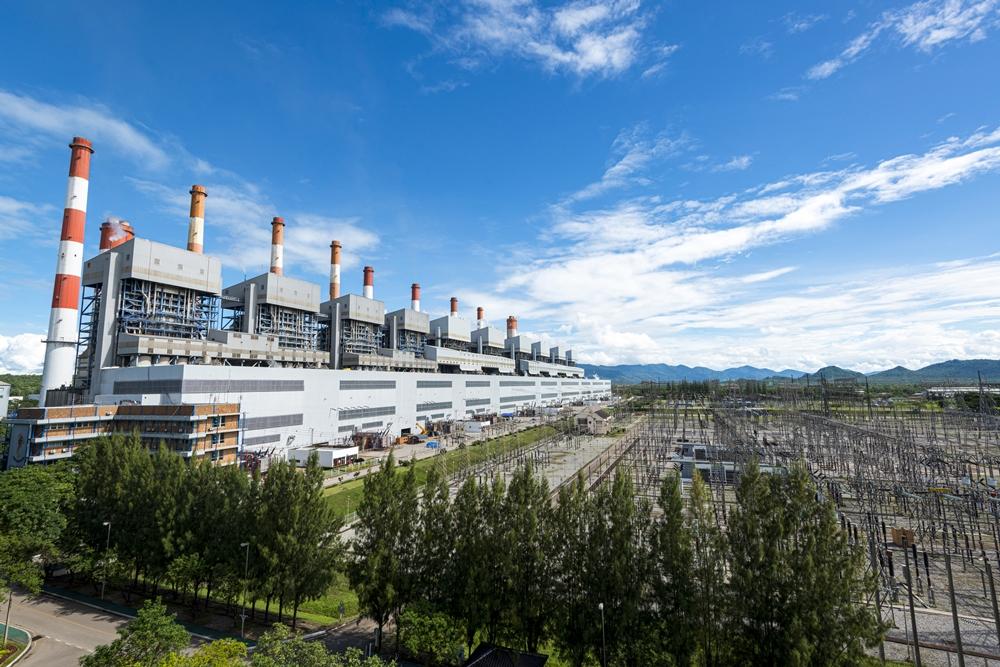
» Ever more visible, the various impacts from climate change are eroding both Thailand's economic competitiveness and the livelihoods of its people: season by season, in heat waves that flatten productivity, floods that swallow farmland, and coastal erosion that is slowly reclaiming communities.

Numbers don't add up
Oped, Postbag, Published on 30/03/2026
» Re: "PTIT denies oil refineries profiting from war", (Business, March 27).
Why should anyone believe Anutin on fuel?
Vanich Kittichai, Published on 28/03/2026
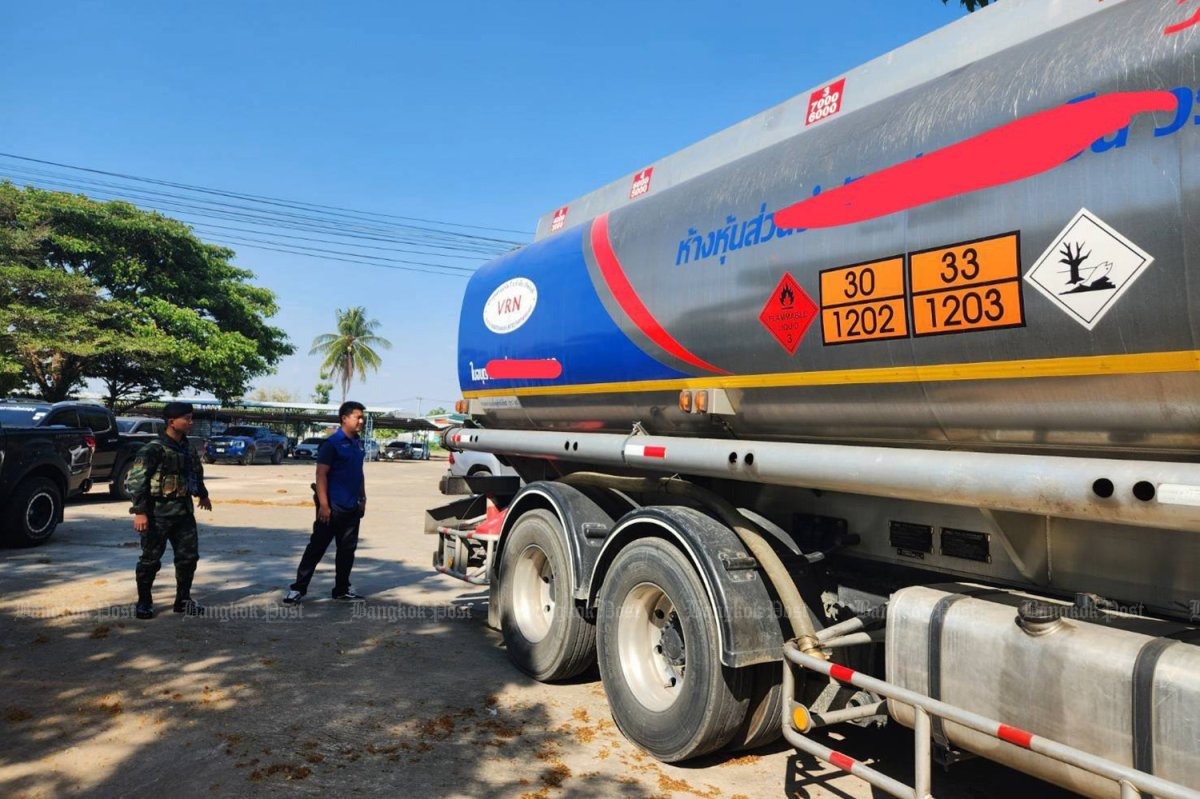
» After weeks of assurances that the nation’s fuel situation was “under control”, the Thai public was hit by a staggering 6-baht hike to fuel prices this week.

Fuel panic spreads
Oped, Editorial, Published on 25/03/2026
» It is normal for people to go into panic mode during a crisis. Governments need to reassure them with reliable, enforceable plans to prevent hoarding of essential goods and fuel.

Start from home
Oped, Postbag, Published on 23/03/2026
» Re: "Can we design universal access to compassion?", (Opinion, March 19).

Conscript deaths
Oped, Postbag, Published on 27/02/2026
» Re: "Senate probes conscript death case", (BP, Feb 24). The news that a Senate committee will inquire into the death of Pvt Phetcharat Kamlangying is a step in the right direction. But is it enough?
Five energy market trends for 2026
Oped, Ron Bousso, Published on 01/01/2026
» Energy markets enter 2026 in a downbeat mood as geopolitical uncertainty clouds the outlook and increasing signs of swelling oil and gas supplies threaten to sink prices.
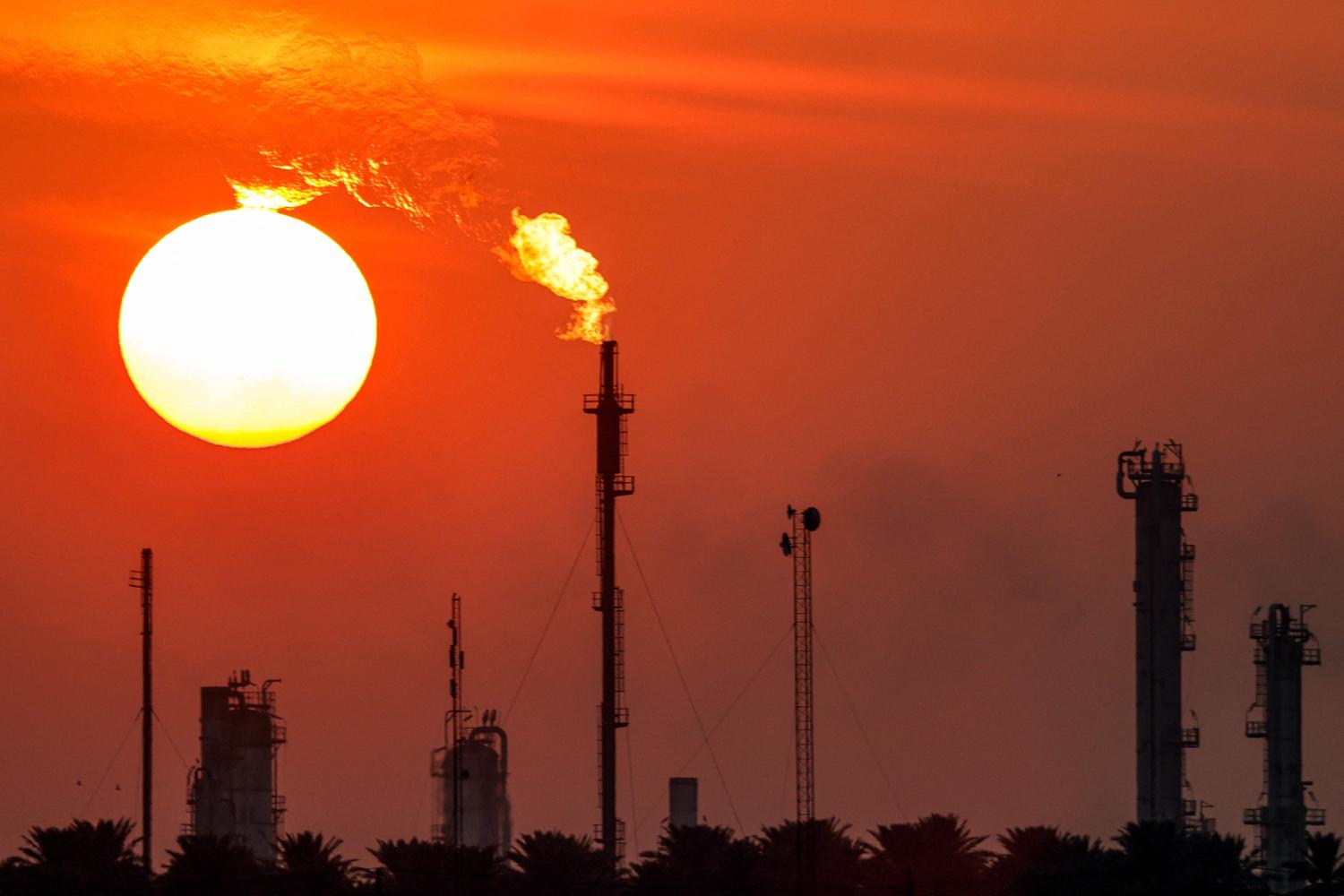
Oil's geopolitical premium is gone
News, Ron Bousso, Published on 25/12/2025
» Global oil markets faced multiple black swan events in 2025 -- including the Israel-Iran war and Ukrainian strikes on Russian refiners -- yet they were barely fazed. This calm may be the new normal in an era of energy abundance, even as the world becomes a more dangerous place.

Solidarity first
Oped, Postbag, Published on 24/11/2025
» Re: "Asean regains footing despite setbacks", (Opinion, Nov 21).