




Showing 1 - 10 of 834
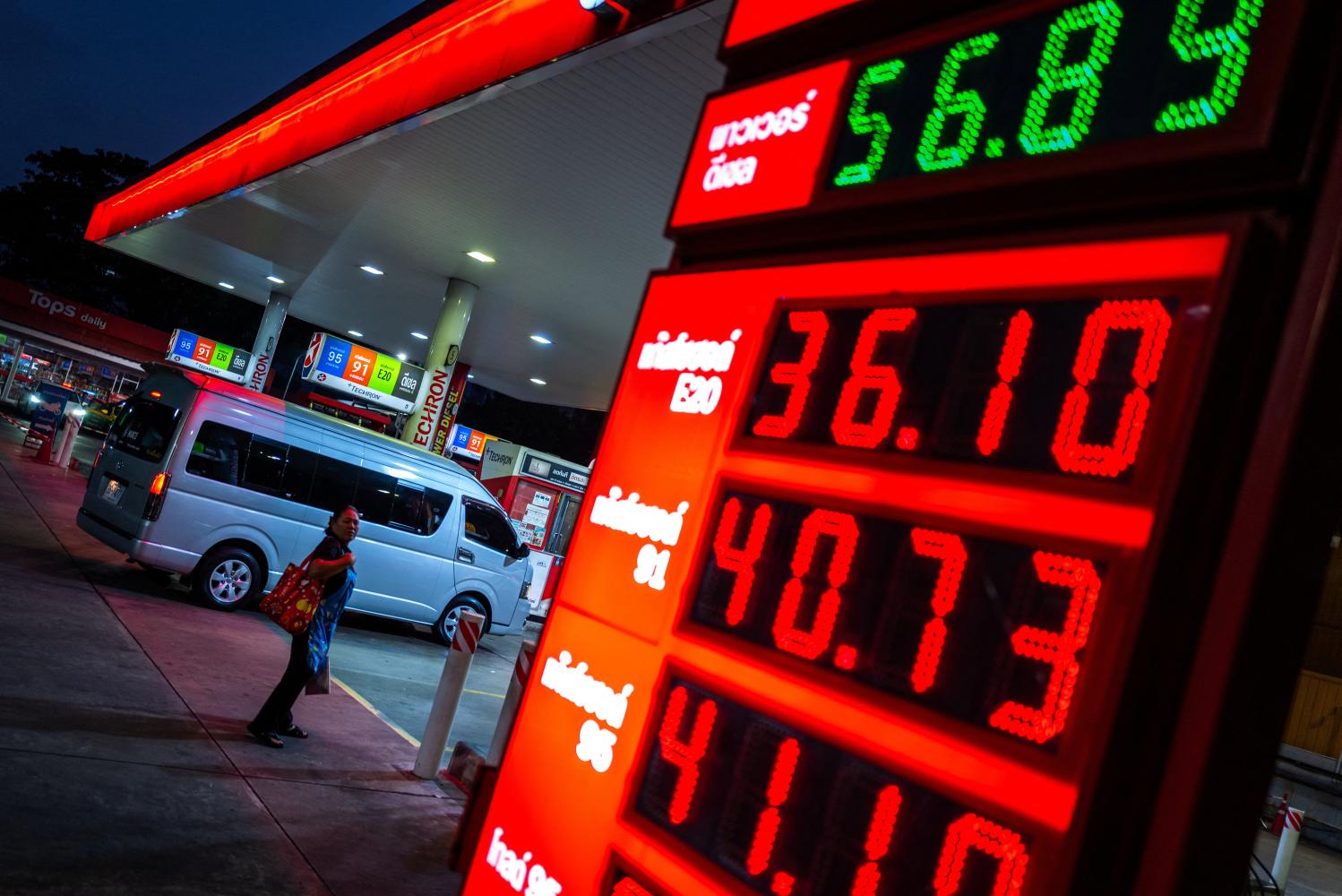
Some shock therapy or slow healing?
Oped, Chartchai Parasuk, Published on 02/04/2026
» Do readers prefer shock therapy or slow healing? This is not a health question, but an important economic one.
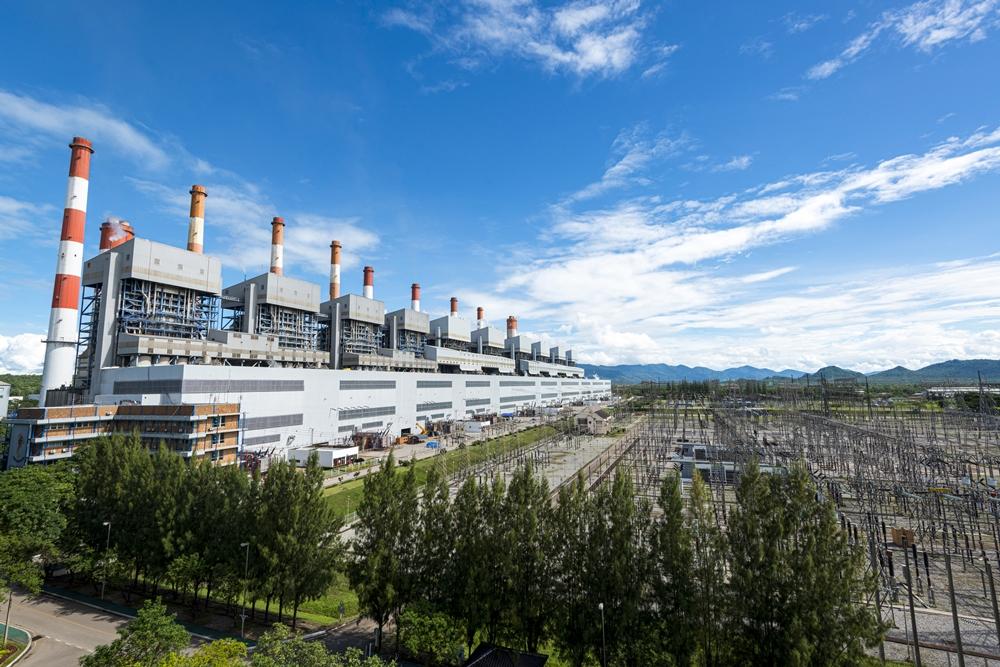
Urgent push for fair climate finance
Oped, Sarinee Achavanuntakul, Published on 01/04/2026
» Ever more visible, the various impacts from climate change are eroding both Thailand's economic competitiveness and the livelihoods of its people: season by season, in heat waves that flatten productivity, floods that swallow farmland, and coastal erosion that is slowly reclaiming communities.

Save women's sport
Oped, Postbag, Published on 31/03/2026
» Re: "Women's sport limited to 'biological females'", (Sport, March 28).
False promises no solution to empty pockets
Oped, Saritdet Marukatat, Published on 30/03/2026
» Thailand has returned to a painful reality under a new government still fresh from the political rhetoric bandied about during the election campaign.
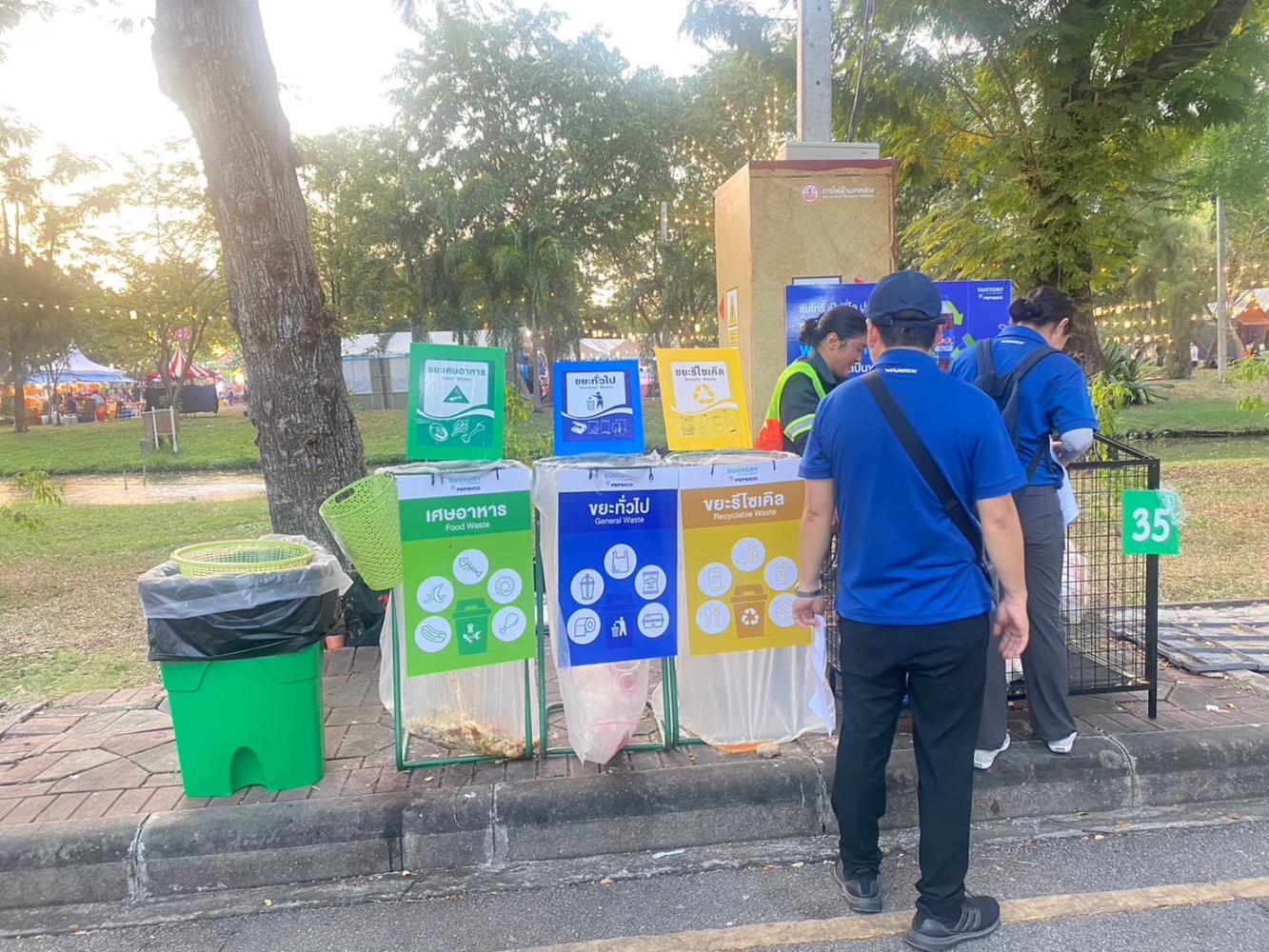
Tackle food waste, curb pollution
Oped, Edel S. Garingan, Published on 24/03/2026
» Climate change and air pollution are not driven by carbon dioxide alone. To address global warming, we must also address extremely powerful pollutants like methane, which has the capacity to trap heat in the atmosphere far more effectively than carbon dioxide over a short period of time.

Lesson from India to avoid the middle-income trap
Oped, Arvind Panagariya, Published on 18/03/2026
» Among Indian Prime Minister Narendra Modi's most ambitious goals is to transform his country into a developed economy by Aug 15, 2047 -- the centenary of Indian independence. Given India's growth record over the past two decades, the speed and scale of its infrastructure development in recent years, and the Modi government's willingness to enact large-scale economic reforms, India is likely to become one of the few developing countries to avoid the middle-income trap.

Are Thai women truly equal?
Oped, Thunpicha Greigarn, Published on 12/03/2026
» Do you think gender equality is still an issue in Thailand? Whether the answer is yes or no, explaining why can be surprisingly difficult.
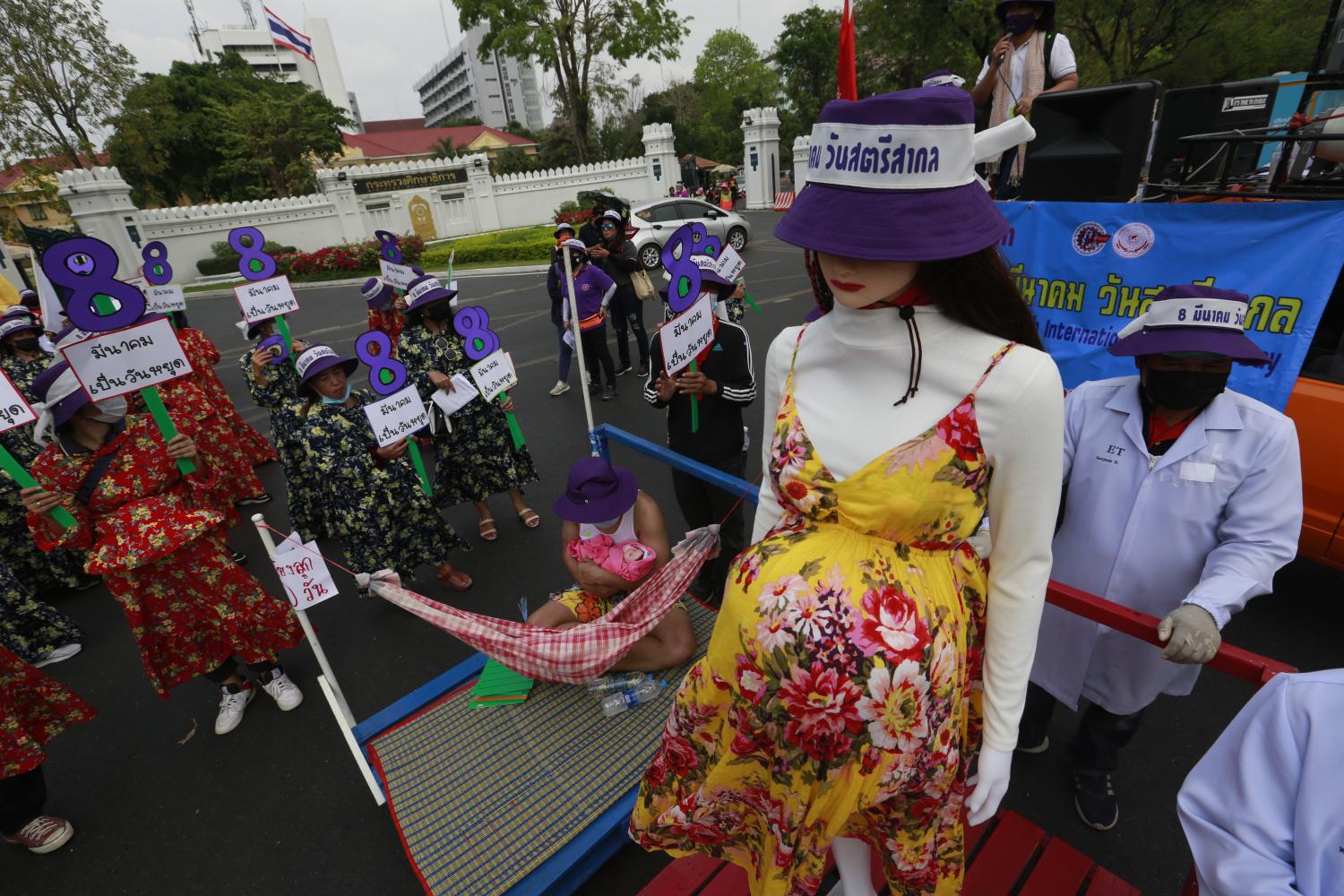
Women can lead push for growth
Oped, Anisha Chugh, Laura Leonelli Morey & Teresa Zapeta Mendoza, Published on 09/03/2026
» Across the Global South, painful austerity measures such as benefit caps, pay freezes and subsidy cuts have followed donor governments' recent cuts to foreign aid. The policy pivot has had an especially dramatic impact on women -- costing them jobs, services and protections -- and is causing widespread economic hardship in many developing countries.

Risk of crisis growing more acute
Oped, Chartchai Parasuk, Published on 05/03/2026
» This article is a follow-up to my previous piece titled "Fiscal deficit will trigger 2026 crisis". In that article, I argued Thailand's heavy dependence on external liquidity, combined with the government's need for 860 billion baht annually to finance its deficits, would lead to a severe liquidity shortage and, ultimately, a financial crisis.
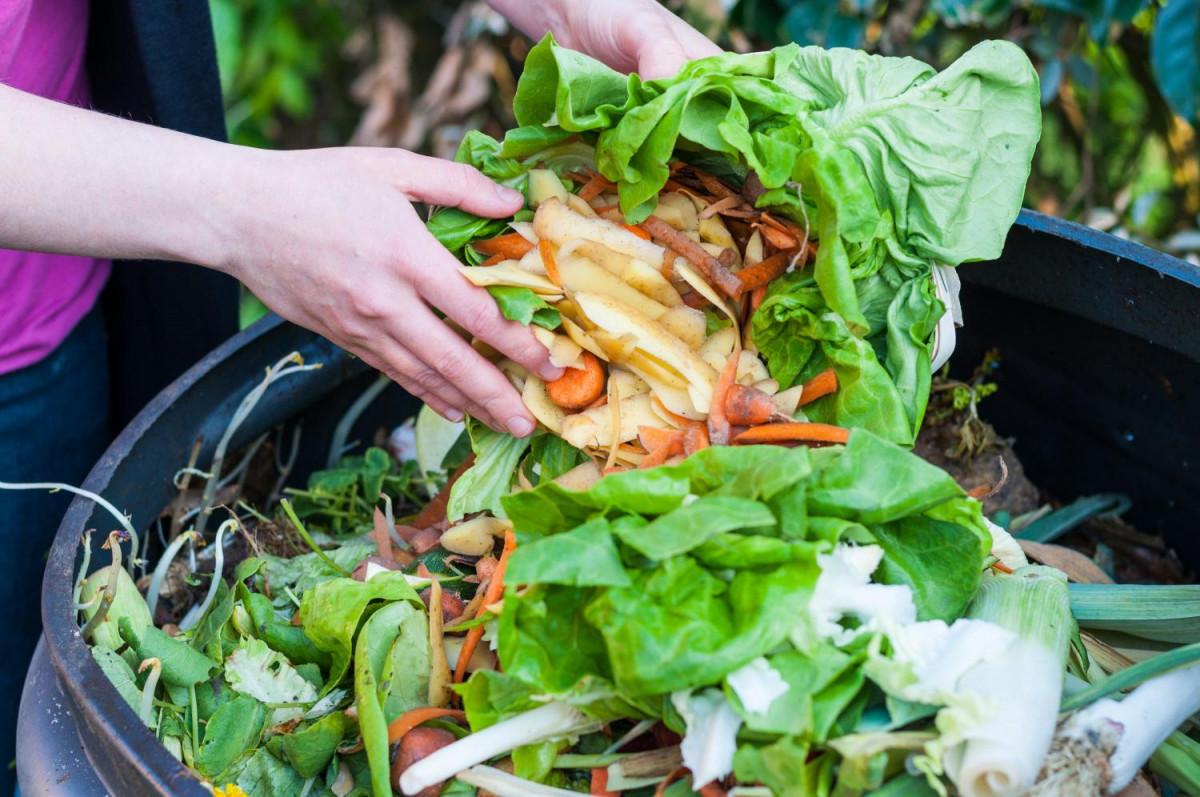
Why food waste composting may fail
Oped, Parichat Suknark, Published on 04/03/2026
» Imagine an enormous pile of leftover rice, vegetable scraps, or fruit peels dumped to landfill, slowly rotting and filling nearby communities with an unpleasant smell. But the smell is not the only problem.