



Showing 1 - 10 of 60
2026 outlook calls for recalibration
News, Mohamed A El-Erian, Published on 17/01/2026
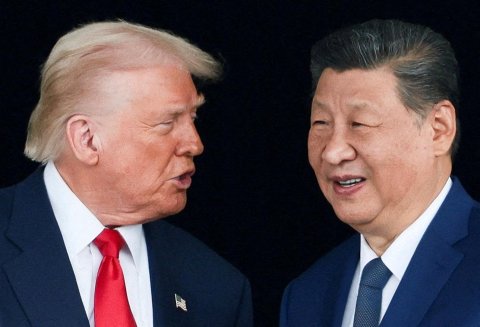
» For global markets, 2025 was defined as much by what did not happen as by what did. The year offered a masterclass in the power of a single narrative, with massive, concentrated bets on AI masking various other unanswered questions. Yet as we move further into 2026, the AI narrative is unlikely to prove strong enough to continue overshadowing other lingering uncertainties, many of which reflect deeper structural shifts. For investors, central banks, and governments alike, the situation demands adaptation.
Humanity's alignment problem
News, Antara Haldar, Published on 06/01/2026
» It's lunchtime on top of the world again. Time's annual "Person of the Year" issue released two weeks ago has revived the iconic Depression-era photograph of steelworkers casually lunching on a beam suspended over Manhattan. With the city rising beneath them, the image portrays risk as normalised, even glamourised.

Institutional redesign in order for economic change
News, Diane Coyle, Published on 30/12/2025
» The Nobel Prize in economics was awarded both this year and last year to scholars who, in different ways, emphasised the importance of institutions to economic growth.
How to help the world's poor most effectively
News, Bjorn Lomborg, Published on 22/12/2025
» As 2025 draws to a close, it's natural to turn our thoughts to the good we can do in the coming year -- not just for our families and communities, but for the world at large. The holidays are a moment not just for personal resolutions but for asking a bigger question: how can we help the world's poor as effectively as possible?
When societies rise, fall, and face catastrophe
News, Antara Haldar, Published on 11/10/2025
» When the United Nations emerged from the rubble of two world wars 80 years ago, it represented humanity's most ambitious attempt ever to turn catastrophe into cooperation. But while the scarred world of 1945 had hope following the Allied victory, that optimism has since curdled. The UN today is underfunded, risk-averse, and paralysed.

Terminal volunteers can save lives
News, Peter Singer & Benjamin L Sievers, Published on 13/09/2025
» At the University of California, San Diego (UCSD), a programme called Last Gift offers terminally ill patients the opportunity to help create more effective treatments. Their special circumstances transform the usual risk-benefit calculus of joining a clinical study of an untested drug. Researchers can ask them to consider consenting to being research participants in ways that they would not ask healthier people with long life expectancies, and terminally ill patients may choose to give that consent when others would be less likely to do so.
Rethinking development in an era of upheaval
News, Mohamed A El-Erian, Published on 14/08/2025
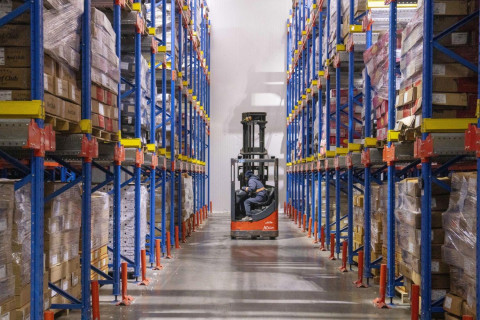
» For many developing countries, the global economic landscape has shifted dramatically in recent years. Lower growth, disrupted supply chains, reduced aid flows, and heightened financial-market volatility represent significant headwinds. Underpinning these changes is a fundamental restructuring, driven by the developed world, of the postwar economic and financial order. Against this background, a handful of factors are becoming critically important for the current and future well-being of developing countries -- and for the fate of multilateral institutions.

Can Thailand engage with Trump's US?
News, Kavi Chongkittavorn, Published on 03/06/2025
» Thailand must be bold and dynamic in recalibrating its diplomatic ties with the United States under President Donald Trump. Asia's oldest relationship with Washington carries little weight in the era of transactional diplomacy. Although the 1833 Treaty of Amity and Commerce between the US and Siam described their relations "as long as heaven and earth can endure", the two countries now face formidable challenges in living up to that 192-year-old oath. That treaty was the United States' first treaty with a country in Asia, making Thailand America's oldest friend in the region.
Reform needs more than just a chainsaw
News, Diane Coyle, Published on 10/03/2025
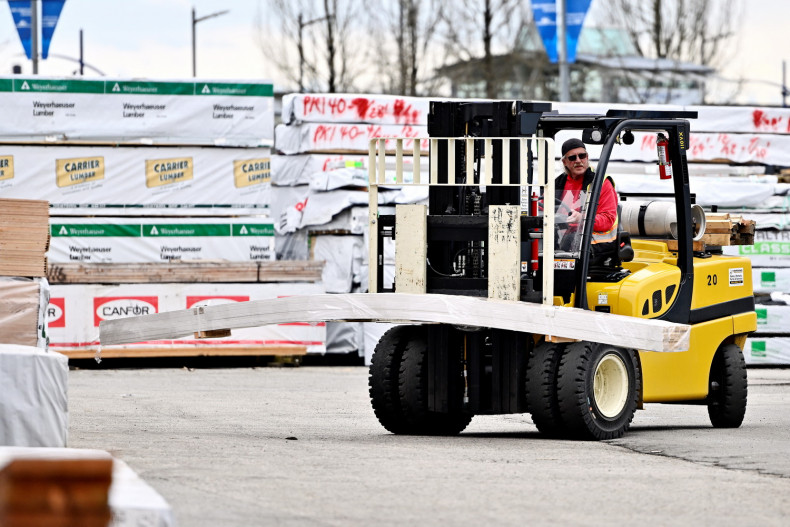
» Billionaire and Department of Government Efficiency (Doge) czar Elon Musk and UK Prime Minister Keir Starmer could not be more different. But they share a stated common goal: cutting red tape and reducing the burden of government on businesses.
Rethinking national prosperity through institutions
News, Antara Haldar, Published on 13/11/2024
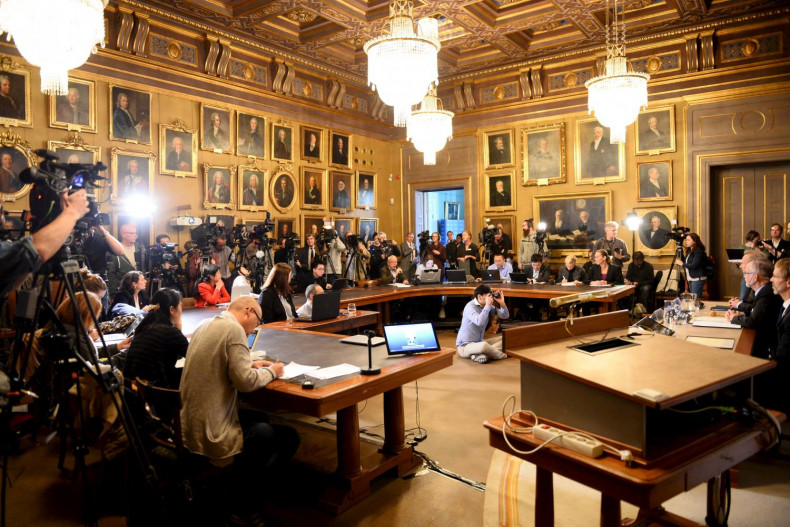
» Each autumn, a telephone call from Stockholm launches one or a few scholars to international fame with the bestowal of the Nobel Memorial Prize in Economic Sciences -- a process that Irving Wallace dramatised in his 1962 potboiler The Prize.