



Showing 1 - 10 of 123
2026 outlook calls for recalibration
News, Mohamed A El-Erian, Published on 17/01/2026
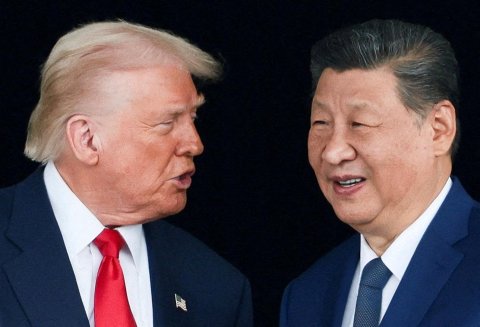
» For global markets, 2025 was defined as much by what did not happen as by what did. The year offered a masterclass in the power of a single narrative, with massive, concentrated bets on AI masking various other unanswered questions. Yet as we move further into 2026, the AI narrative is unlikely to prove strong enough to continue overshadowing other lingering uncertainties, many of which reflect deeper structural shifts. For investors, central banks, and governments alike, the situation demands adaptation.
Humanity's alignment problem
News, Antara Haldar, Published on 06/01/2026
» It's lunchtime on top of the world again. Time's annual "Person of the Year" issue released two weeks ago has revived the iconic Depression-era photograph of steelworkers casually lunching on a beam suspended over Manhattan. With the city rising beneath them, the image portrays risk as normalised, even glamourised.

Institutional redesign in order for economic change
News, Diane Coyle, Published on 30/12/2025
» The Nobel Prize in economics was awarded both this year and last year to scholars who, in different ways, emphasised the importance of institutions to economic growth.
How to help the world's poor most effectively
News, Bjorn Lomborg, Published on 22/12/2025
» As 2025 draws to a close, it's natural to turn our thoughts to the good we can do in the coming year -- not just for our families and communities, but for the world at large. The holidays are a moment not just for personal resolutions but for asking a bigger question: how can we help the world's poor as effectively as possible?
Words of the year are bit of a worry
Roger Crutchley, Published on 07/12/2025
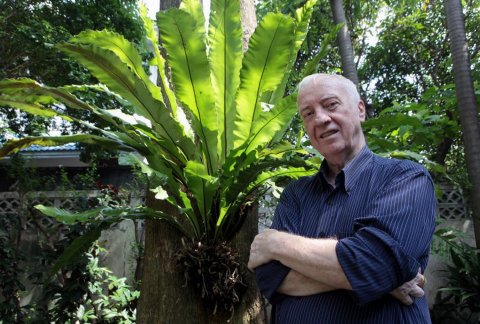
» More words or phrases of the year have been drifting in courtesy of the major dictionaries and I'm afraid most of them are not particularly encouraging. In fact some are a disturbing indication of the direction in which the English language and society are heading.
Adam Smith and the moral economy we have lost
Oped, Antara Haldar, Published on 12/11/2025
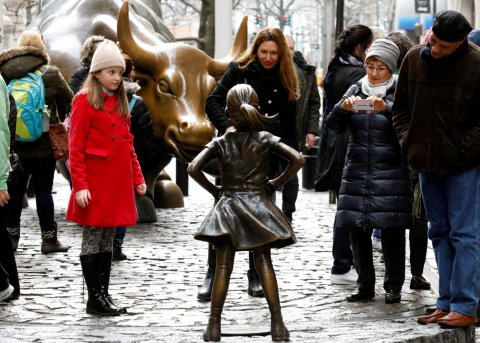
» With the 250th anniversary of The Wealth of Nations approaching next year, the world is gearing up to honour Adam Smith. But which Smith should be recognised? The hard-nosed "founding father" of modern economics, or the philosopher who wrote The Theory of Moral Sentiments? Scholars have wrestled with this question, a riddle known as "Das Adam Smith Problem", for centuries, because it concerns not just dualities within Smith's thought, but also our own uneasy relationship with morality and markets.
A word that has me at sixes and sevens
Roger Crutchley, Published on 09/11/2025
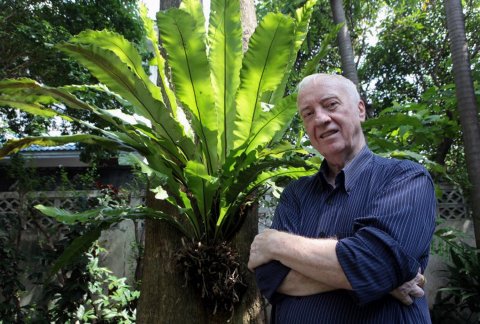
» I try to keep up with the ever-evolving English language but after seeing the buzzwords provided by Dictionary.com this week I fear I am being left way behind.
Measuring the economic impact of AI
Oped, Diane Coyle, Published on 24/10/2025
» Is AI transforming the economy in any real sense, or is the promise of rapid growth mere hype?
When societies rise, fall, and face catastrophe
News, Antara Haldar, Published on 11/10/2025
» When the United Nations emerged from the rubble of two world wars 80 years ago, it represented humanity's most ambitious attempt ever to turn catastrophe into cooperation. But while the scarred world of 1945 had hope following the Allied victory, that optimism has since curdled. The UN today is underfunded, risk-averse, and paralysed.
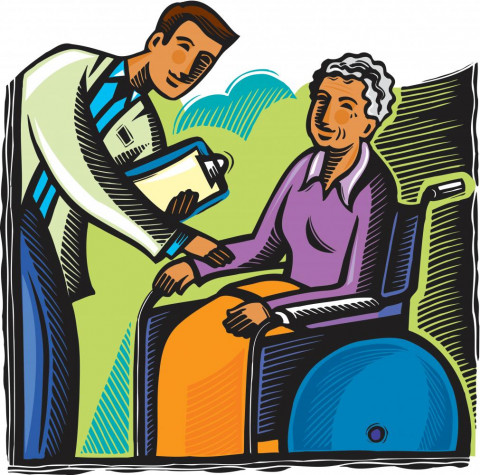
Terminal volunteers can save lives
News, Peter Singer & Benjamin L Sievers, Published on 13/09/2025
» At the University of California, San Diego (UCSD), a programme called Last Gift offers terminally ill patients the opportunity to help create more effective treatments. Their special circumstances transform the usual risk-benefit calculus of joining a clinical study of an untested drug. Researchers can ask them to consider consenting to being research participants in ways that they would not ask healthier people with long life expectancies, and terminally ill patients may choose to give that consent when others would be less likely to do so.