



Showing 1 - 3 of 3
The West needs an energy alliance
Oped, Morten Svendstorp, Published on 03/11/2022
» The old line that "history does not repeat itself, but often rhymes", is an apt description of the evolving relationship between the West and its rivals. During the Cold War, the Soviet Union was a global superpower, owing to its military prowess. Today, Russia's armed forces appear to be in a dismal state, but the country has become an energy superpower that can use its vast natural-gas reserves as a weapon. Similarly, today's standoff between the West and Russia over Ukraine echoes the Cold War confrontation between authoritarianism and democracy.

Why no women?
Oped, Postbag, Published on 22/01/2022
» Re: "PPRP renegades unveil party: Sang Anakot Thai aims to heal economy", (BP, Jan 20). Your front-page photograph illustrating the formation of the new Palang Pracharath Party (Building Thailand's Future) is a line-up of old and bold politicians from the past -- all of them men.
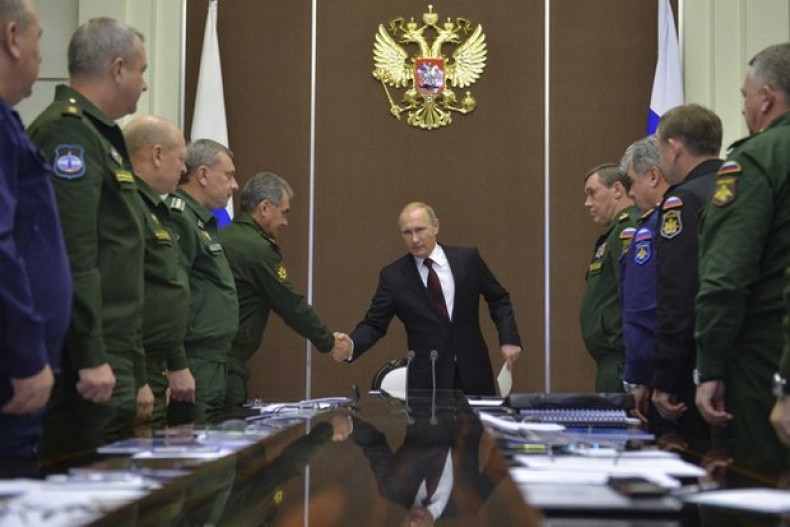
Through the Russian looking glass
News, Jeffrey Edmonds, Published on 16/04/2018
» Since Russia's annexation of Crimea in 2014 and the deterioration of Russian relations with the West, governments, policy gurus and defence institutions have been seized by what many call the country's new "hybrid warfare". By these accounts, Russia has challenged the current order by using a "mixture of military and non-military means of aggression, a combination of covert and overt operations and measures", according to Nato Secretary-General Jens Stoltenberg, to achieve its political ends. But labelling every action by the Russian government as hybrid has its drawbacks. Hybrid warfare is not some new form of Russian strategy; there are new challenges emerging from the confrontation with Russia, but to label everything as "hybrid" is to lack the accuracy and precision needed to confront this challenge.