




Showing 1 - 10 of 1,675

New government must tackle SLAPP lawsuits
News, Chairith Yonpiam, Published on 04/04/2026
» As the Anutin Charnvirakul government is about to officially begin work on Monday, with the cabinet formally sworn in, the public expects it to fulfil electoral pledges, address urgent issues, and pass crucial laws in the parliamentary pipeline.
The silent engines of Asean realism
Oped, Imran Khalid, Published on 30/03/2026
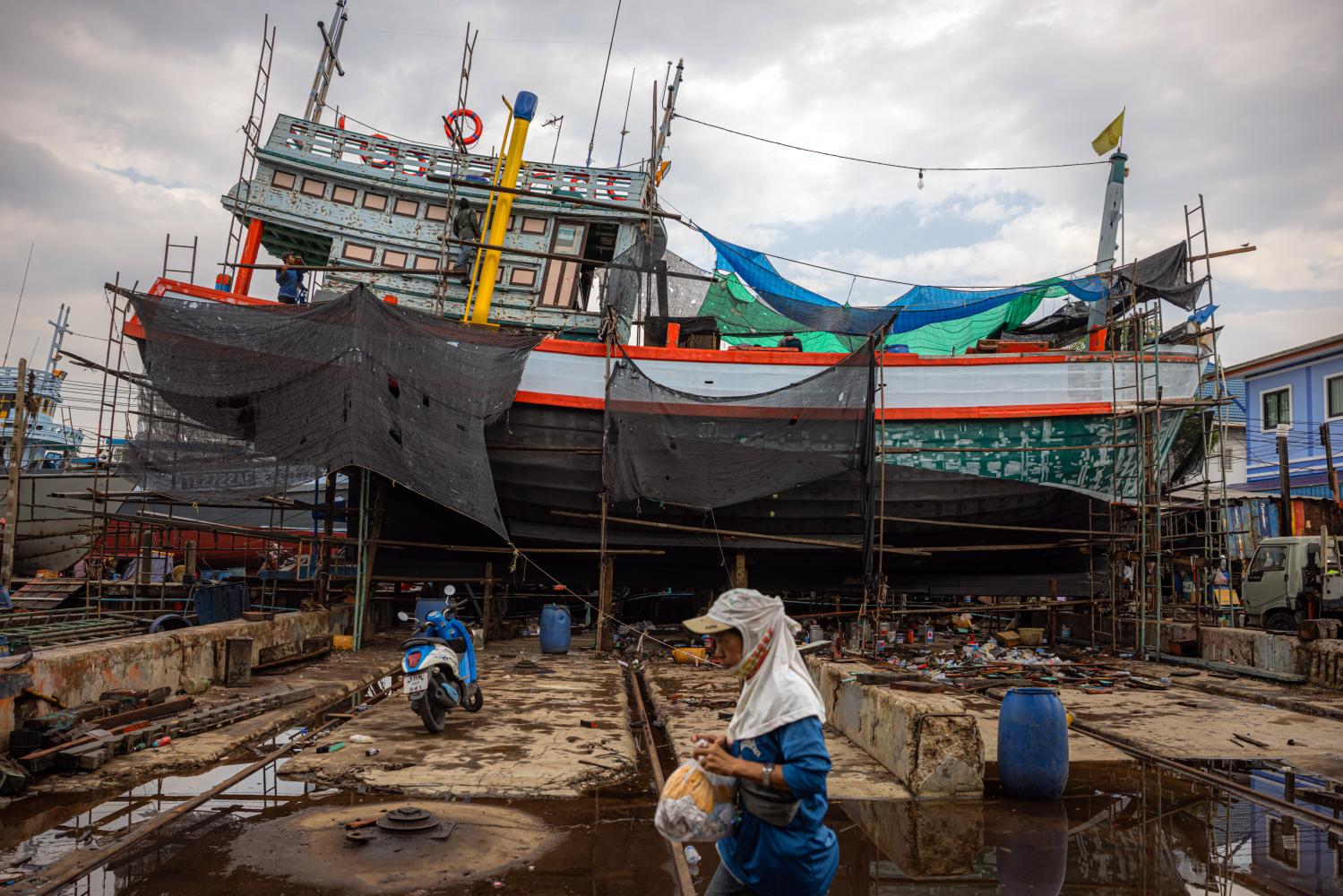
» The global economy is currently tackling what may be the most significant energy disruption since the 1970s. The effective throttling of the Strait of Hormuz -- now seeded with Iranian Maham mines and subject to a tense, IRGC-monitored tolling system -- has physically severed the energy arteries that sustain the industrial heart of Southeast Asia.
False promises no solution to empty pockets
Oped, Saritdet Marukatat, Published on 30/03/2026
» Thailand has returned to a painful reality under a new government still fresh from the political rhetoric bandied about during the election campaign.

Target the young
Postbag, Published on 29/03/2026
» Re: "Population shrinks to 65.8m", (BP, March 26).

Why safe havens unexpectedly drop
News, Helen Jewell, Published on 28/03/2026
» Geopolitical shocks often don't move markets the way intuition suggests, as investors raise cash first and ask questions later.
State Audit Office collapse still demands answers
Oped, Worsak Kanok-Nukulchai, Published on 27/03/2026
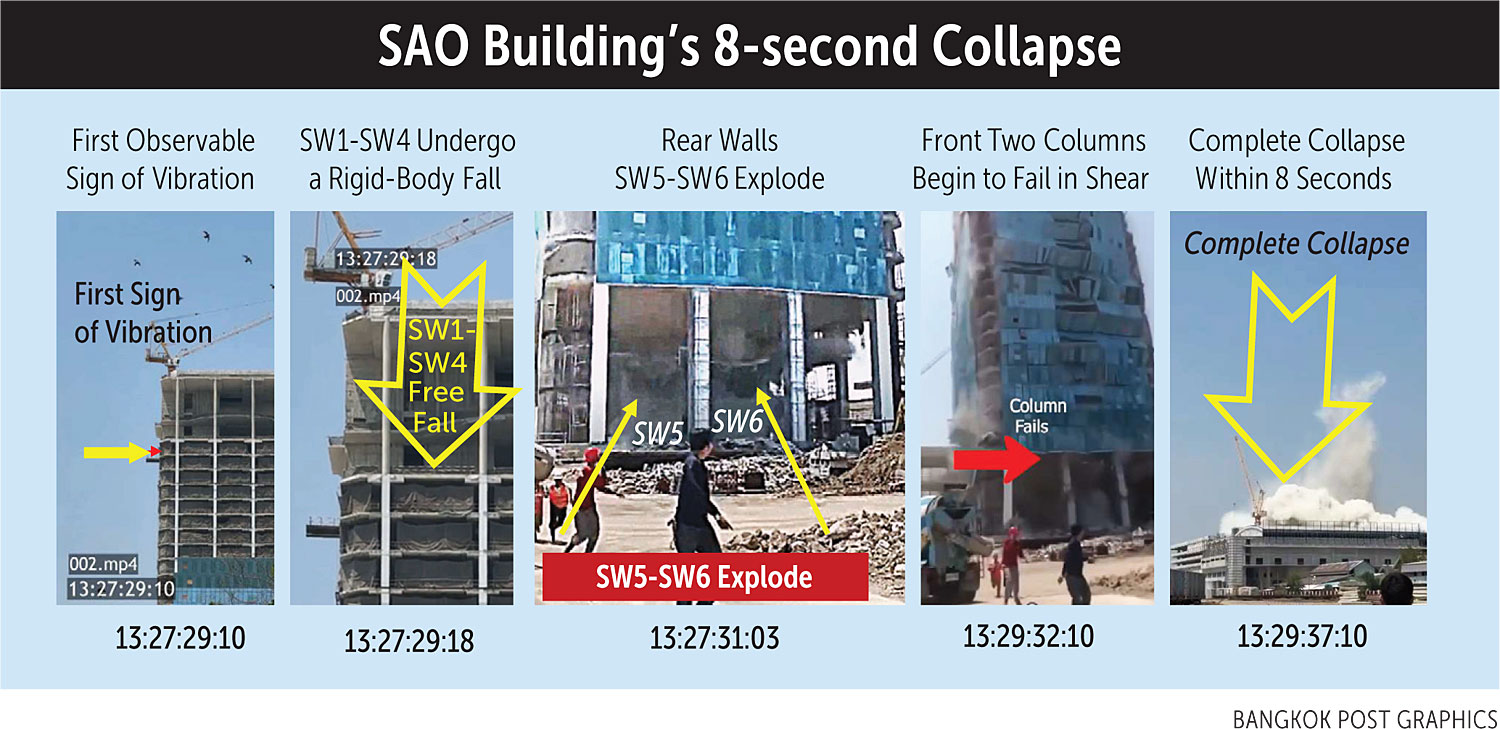
» One year has passed since the collapse of the State Audit Office (SAO) building -- a broad-daylight engineering tragedy that shocked Thailand and, through countless video clips shared online, much of the world. The images were unforgettable: a high-rise sinking almost straight down and ending as a flattened stack of debris within seconds.
Asean's energy security at risk
Oped, Ma. Theresa P. Lazaro, Published on 26/03/2026
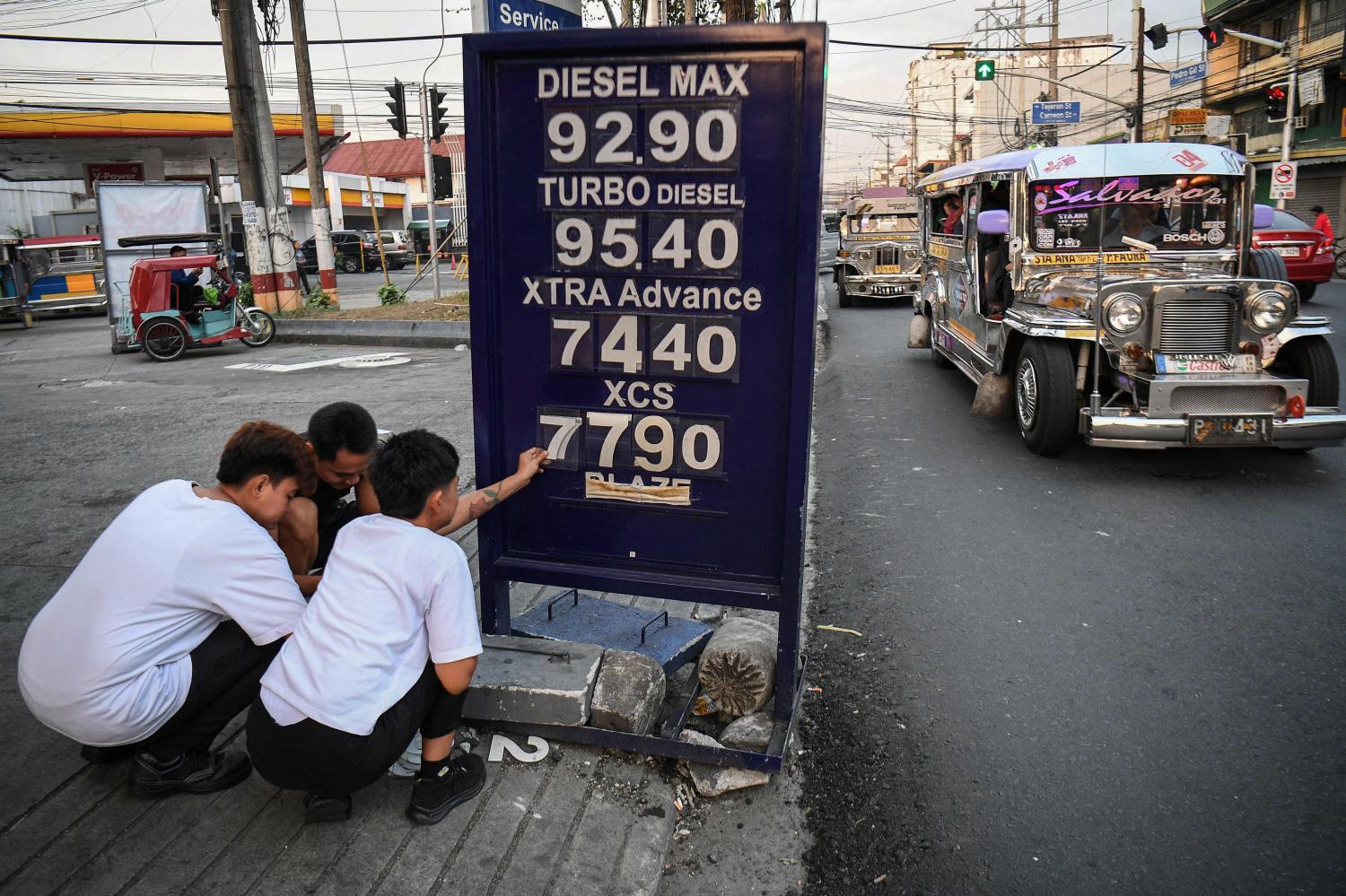
» In June 1986, the five founding members of the Association of Southeast Asian Nations (Asean) assembled in Manila to discuss Asean's response to the global energy crisis, which began with the Iranian Revolution in late 1978.
Tackle food waste, curb pollution
Oped, Edel S. Garingan, Published on 24/03/2026
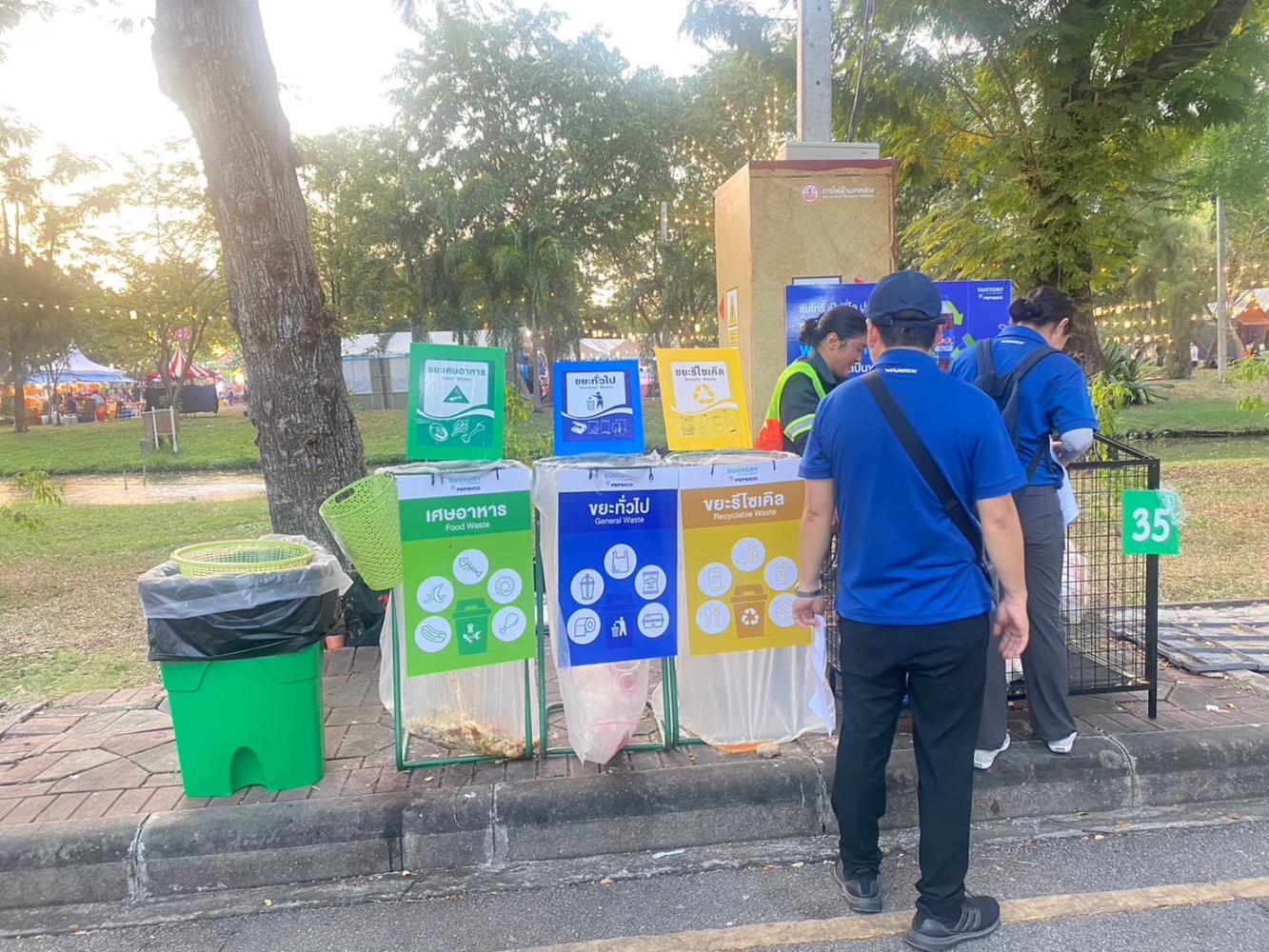
» Climate change and air pollution are not driven by carbon dioxide alone. To address global warming, we must also address extremely powerful pollutants like methane, which has the capacity to trap heat in the atmosphere far more effectively than carbon dioxide over a short period of time.
American hegemony is waning
News, Carla Norrlöf is Professor of Political Science at the University of Toronto., Published on 21/03/2026
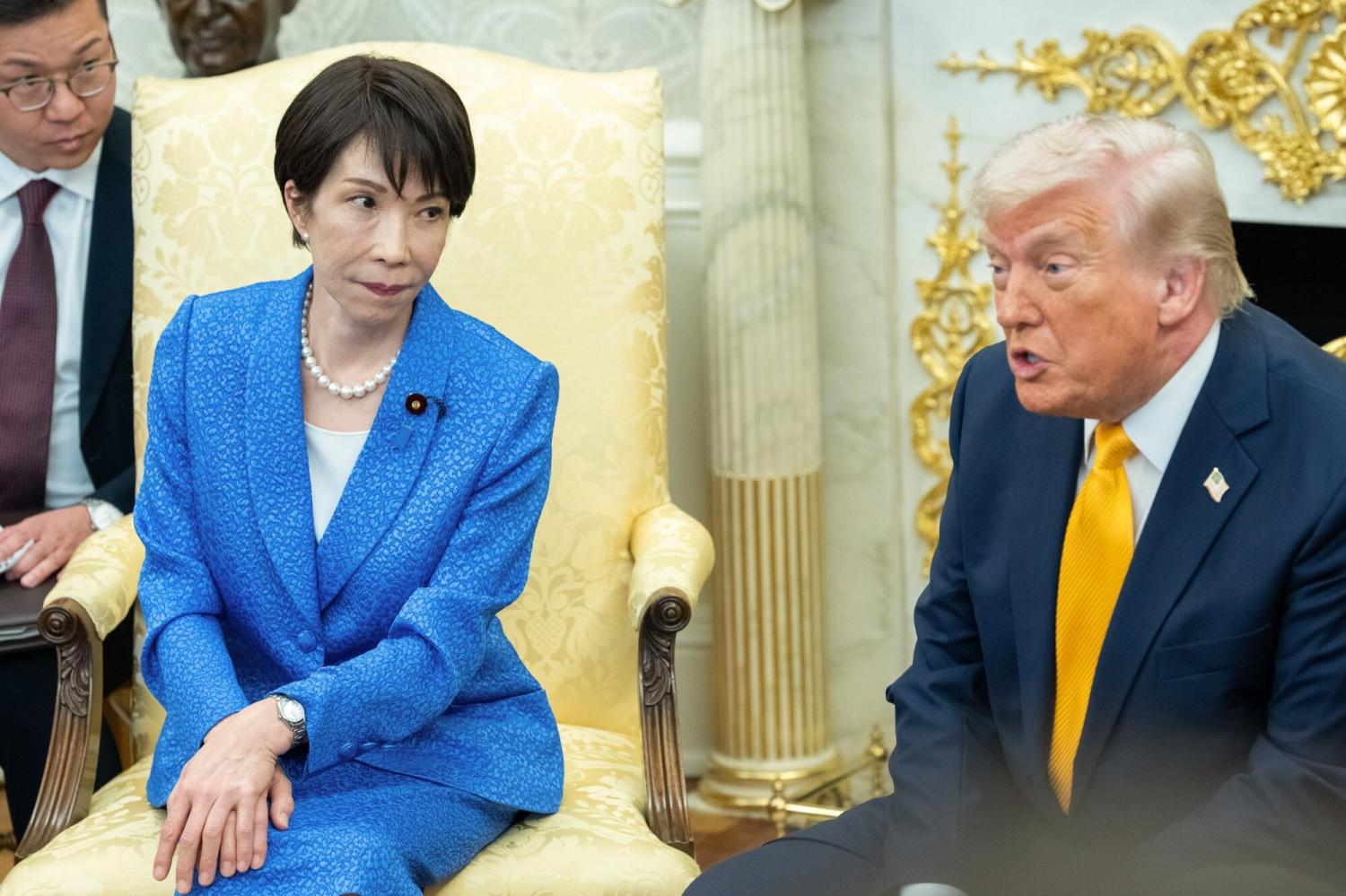
» The messy crisis in the Strait of Hormuz has clarified how power works in the 21st century. It reminds us that the greatest long-term threat to the United States is not China's military buildup or Russian aggression, but the gradual fragmentation of the alliance system that has underwritten its global leadership since World War II.
Impacts of Iran war on Southeast Asia
Oped, Thitinan Pongsudhirak, Published on 20/03/2026
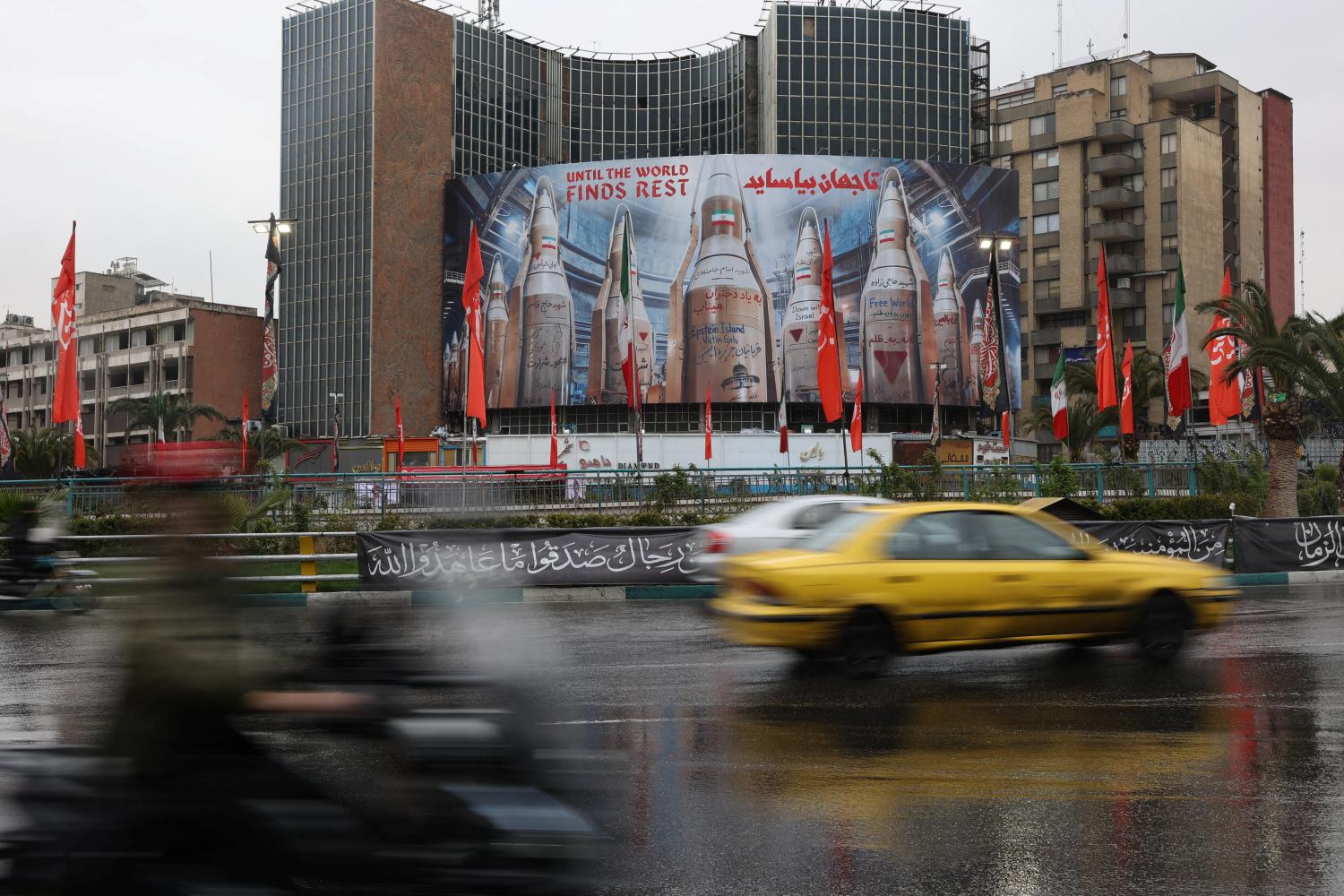
» For the most part, Southeast Asia as a region has taken a neutral stance toward the joint attack between the United States and Israel against the Islamic Republic of Iran. Even the Philippines and Thailand, two formal US treaty allies, have distanced themselves, calling for restraint and de-escalation.