




Showing 1 - 10 of 2,850
When voters look beyond credentials
Oped, Anucha Charoenpo, Published on 20/02/2026
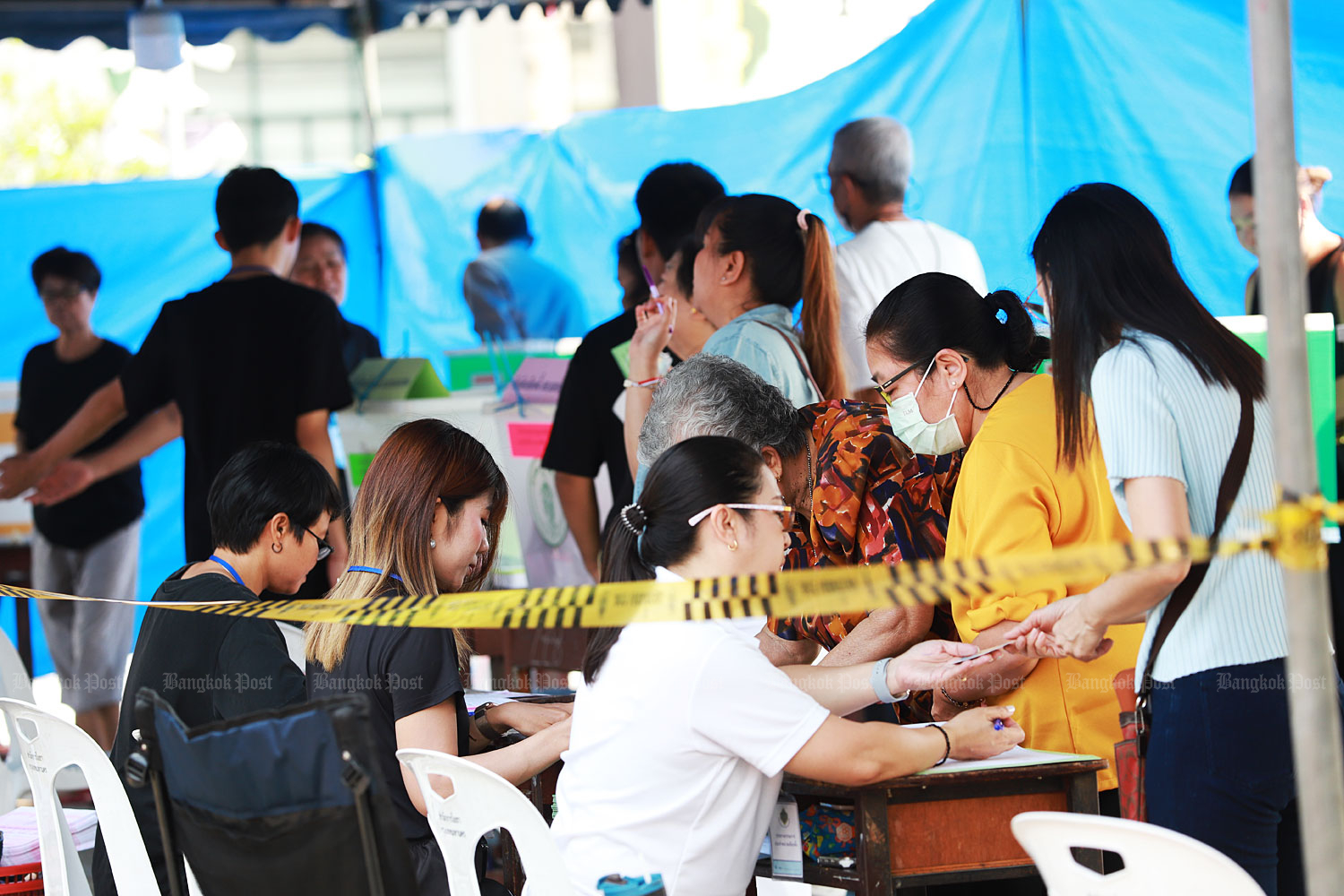
» Many observers of Thai politics may be wondering why the following individual of such distinguished standing failed to secure a seat in parliament in the Feb 8 election. He holds the title of professor and earned a doctoral degree in engineering from the Massachusetts Institute of Technology, one of the world's most renowned universities. He previously contested the 2022 Bangkok gubernatorial election, securing more than 250,000 votes. He has also achieved notable academic success and served as president of King Mongkut's Institute of Technology, Ladkrabang. With credentials such as these, his electoral defeat has come as a surprise to many.
The gist of Thai politics over 20 years
Oped, Thitinan Pongsudhirak, Published on 20/02/2026
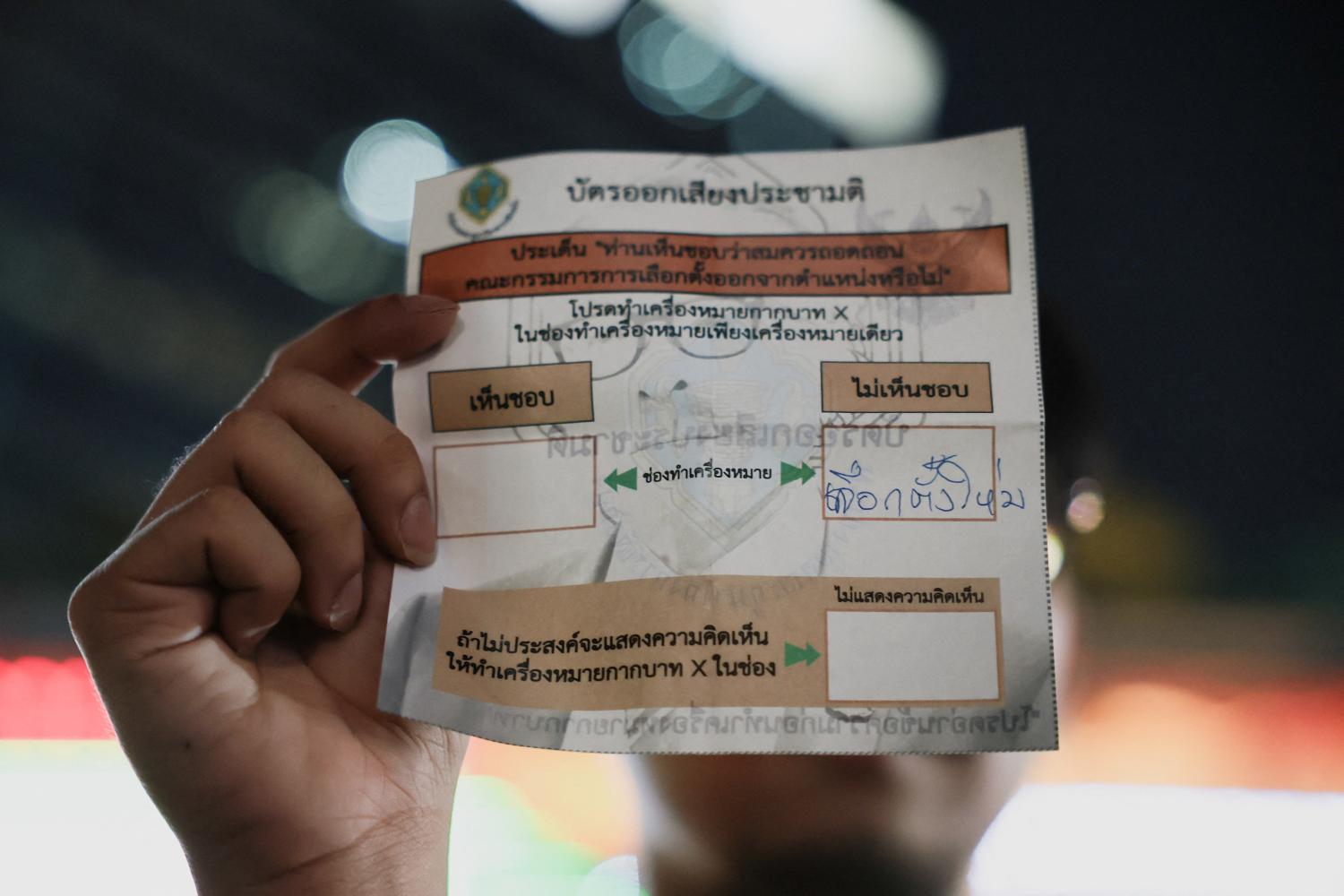
» Thailand's democratic institutions have been repressed and kept weak to the point that confusion still prevails almost two weeks after the Feb 8 election, which purportedly showed a clear victory for the ruling Bhumjaithai (BJT) Party under Prime Minister Anutin Charnvirakul. On the one hand, Mr Anutin and BJT stalwarts are busy forming a coalition government with other parties. On the other hand, fraud allegations from civil society groups and the opposition People's Party have reached a critical mass with the plausibility that the recent vote might be nullified to pave the way for a new poll.

Blind to the truth
Oped, Postbag, Published on 19/02/2026
» Re: "DLT to allow online licence renewals", (BP, Feb 17).

Not data-driven
Oped, Postbag, Published on 18/02/2026
» Re: "Harnessing data to boost road safety", (BP, Feb 17). Your special report today highlights a government initiative to tap into Japanese data collection in an effort to reduce the catastrophic number of people killed on Thai roads every year.

EC is losing public trust
Oped, Editorial, Published on 18/02/2026
» If any good has come from the performance of the Election Commission (EC) following the Feb 8 election, it is this: the organisation has exposed the top-down "mandarin" culture of the Thai bureaucracy, where officials act as regulators of the people rather than their servants.
Asean's role in a new world order
Oped, Chartsiri Sophonpanich, Published on 16/02/2026
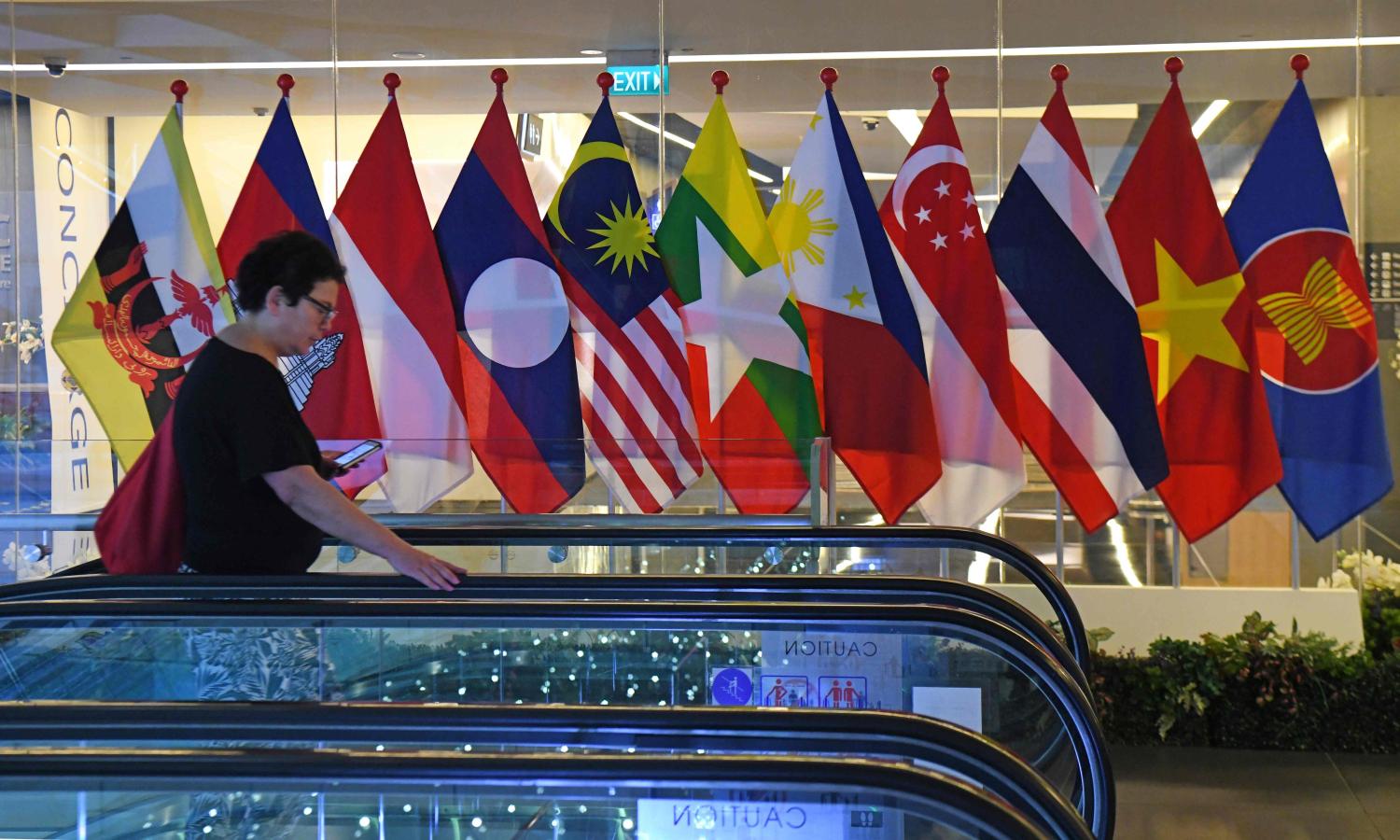
» Profound shifts are reshaping the global economy as political uncertainty, geopolitical rivalry and changing trade patterns disrupt the old world order, while a new one has yet to fully emerge.

Elephants need space
Oped, Editorial, Published on 16/02/2026
» Elephants hold a special place in the hearts of Thais. The latest evidence was Wednesday's protest following the death of Seedor Hu Pab, a male elephant that died on Feb 3 during a ham-fisted relocation attempt by the Department of National Parks, Wildlife and Plant Conservation (DNP).
Implications of conservative triumph
Oped, Thitinan Pongsudhirak, Published on 13/02/2026
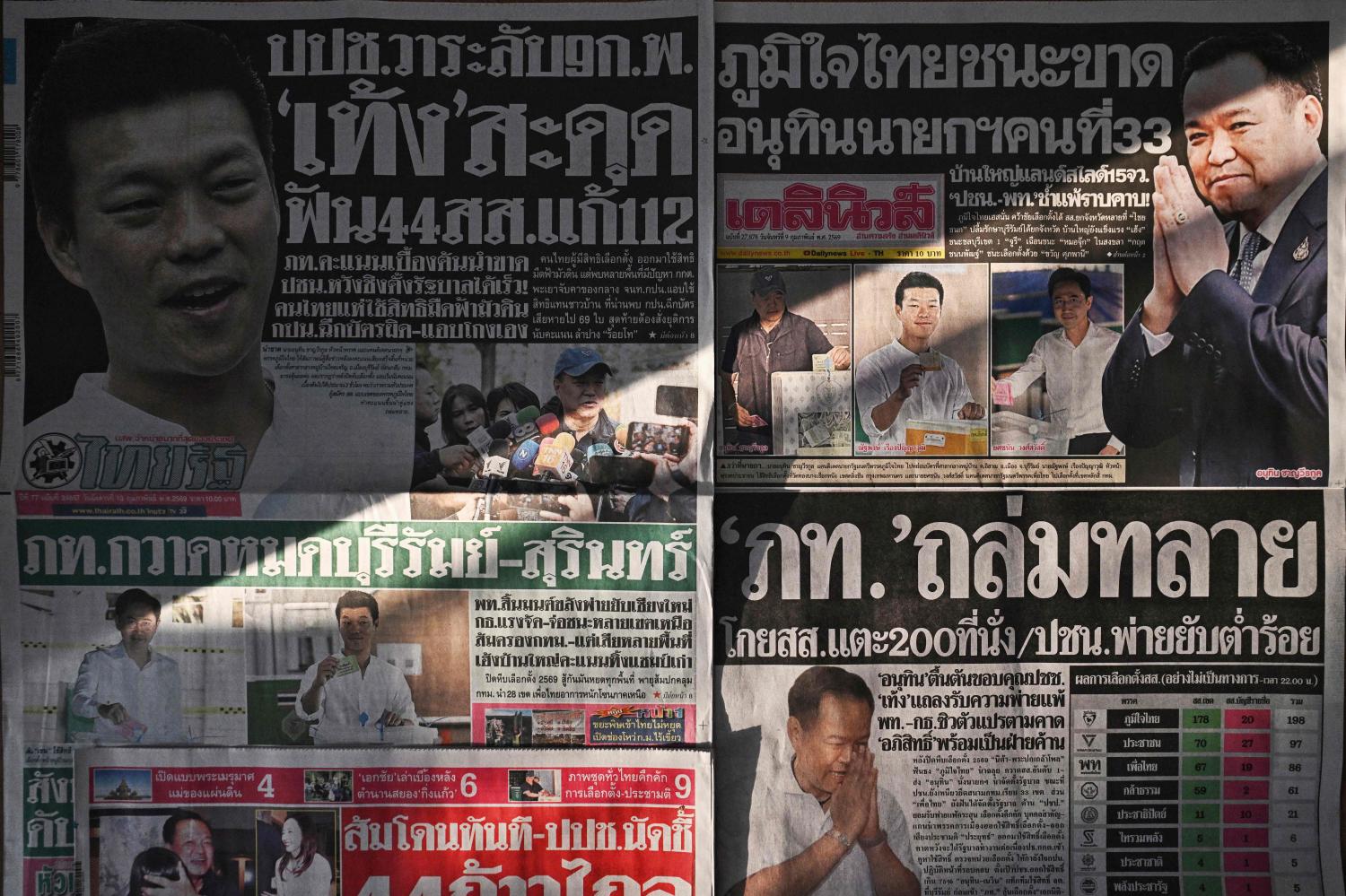
» The incumbent and conservative Bhumjaithai (BJT) Party has surprisingly swept Thailand's Feb 8 election with a commanding win. With the previously poll-leading and progressive People's Party (PP) coming in a distant second, Thailand appears headed for a conservative coalition government revolving around BJT and like-minded junior partners. Known for its conservative stance and being pro-status quo, it would not be surprising if the BJT-led coalition government, led by Prime Minister-elect Anutin Charnvirakul, were not challenged by the Constitutional Court, the Election Commission, and other supervisory agencies, which have derailed and dissolved reform-minded winning parties in the past.
Emerging markets stand strong
Oped, Kristalina Georgieva and Mohammed Al-Jadaan, Published on 12/02/2026
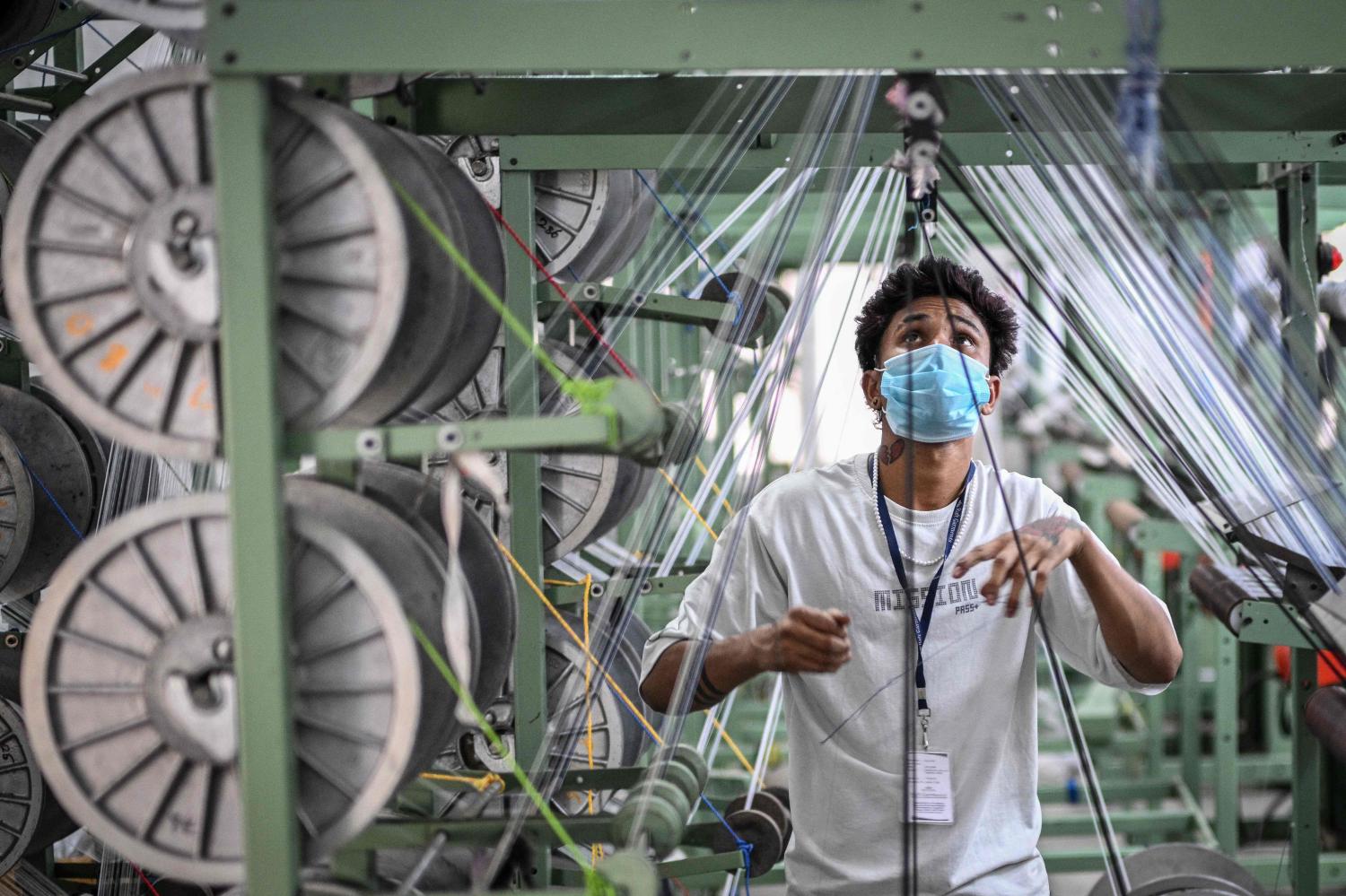
» It used to be that when advanced economies sneezed, emerging markets caught a cold. That is no longer true. Following recent global shocks, such as the post-pandemic inflation surge and a new wave of tariffs, emerging markets have held up well. Inflation has continued to slow, currencies have generally retained their value, and debt issuance costs have remained at manageable levels. There has been no sign of the kind of financial turbulence that came with past economic shocks.
Reinvent Thailand to revive growth
Oped, Boonwara Sumano, Published on 11/02/2026
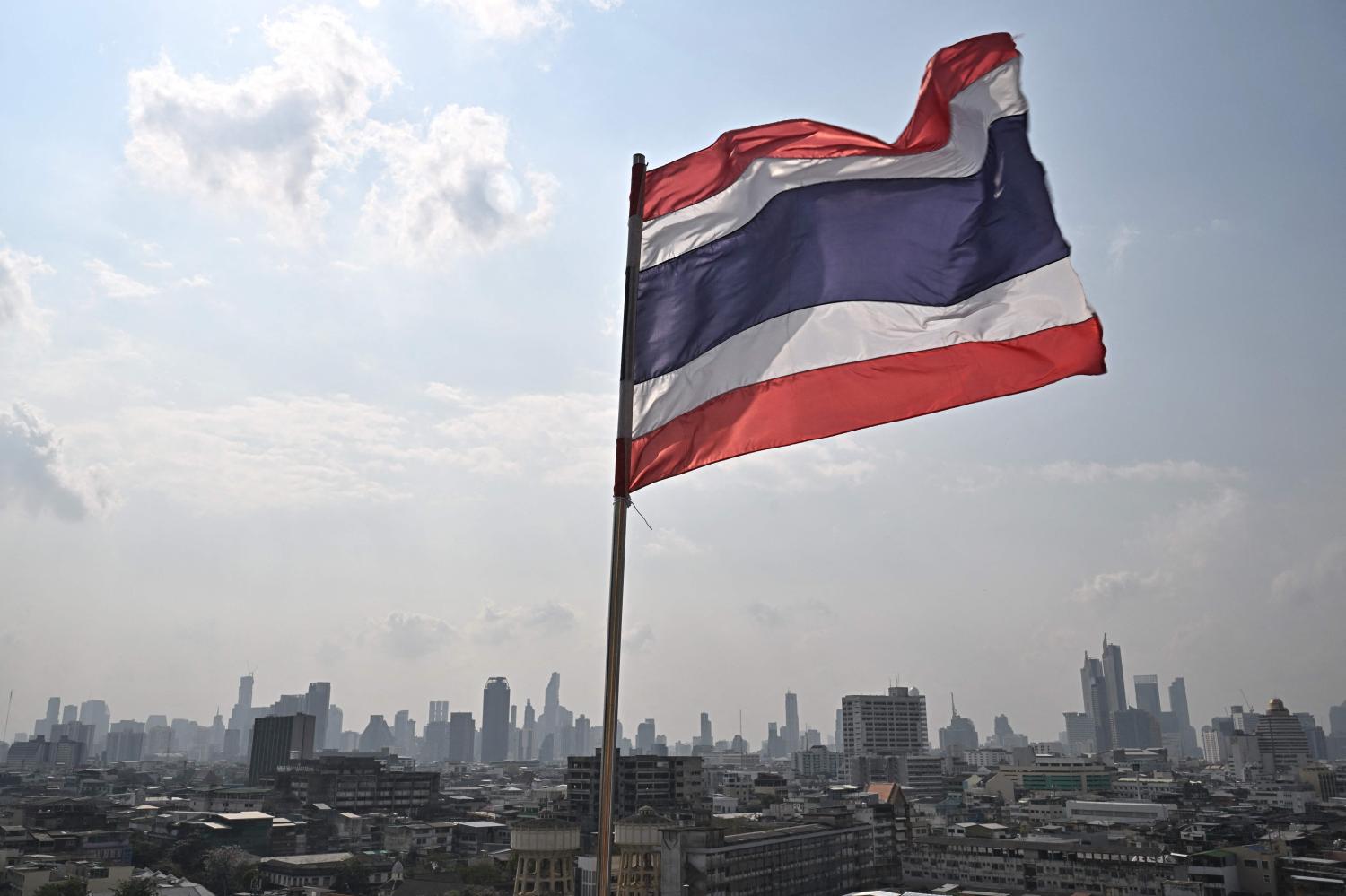
» In the 1990s, Thailand ranked second in Asean for state performance, behind only Singapore. Today, we trail several neighbours. This decline has unfolded gradually over three decades -- through repeated economic crises, institutional stagnation, and reforms that never quite went far enough. What is different today is that the cost of inaction has become far more dangerous.