



Showing 1 - 10 of 84
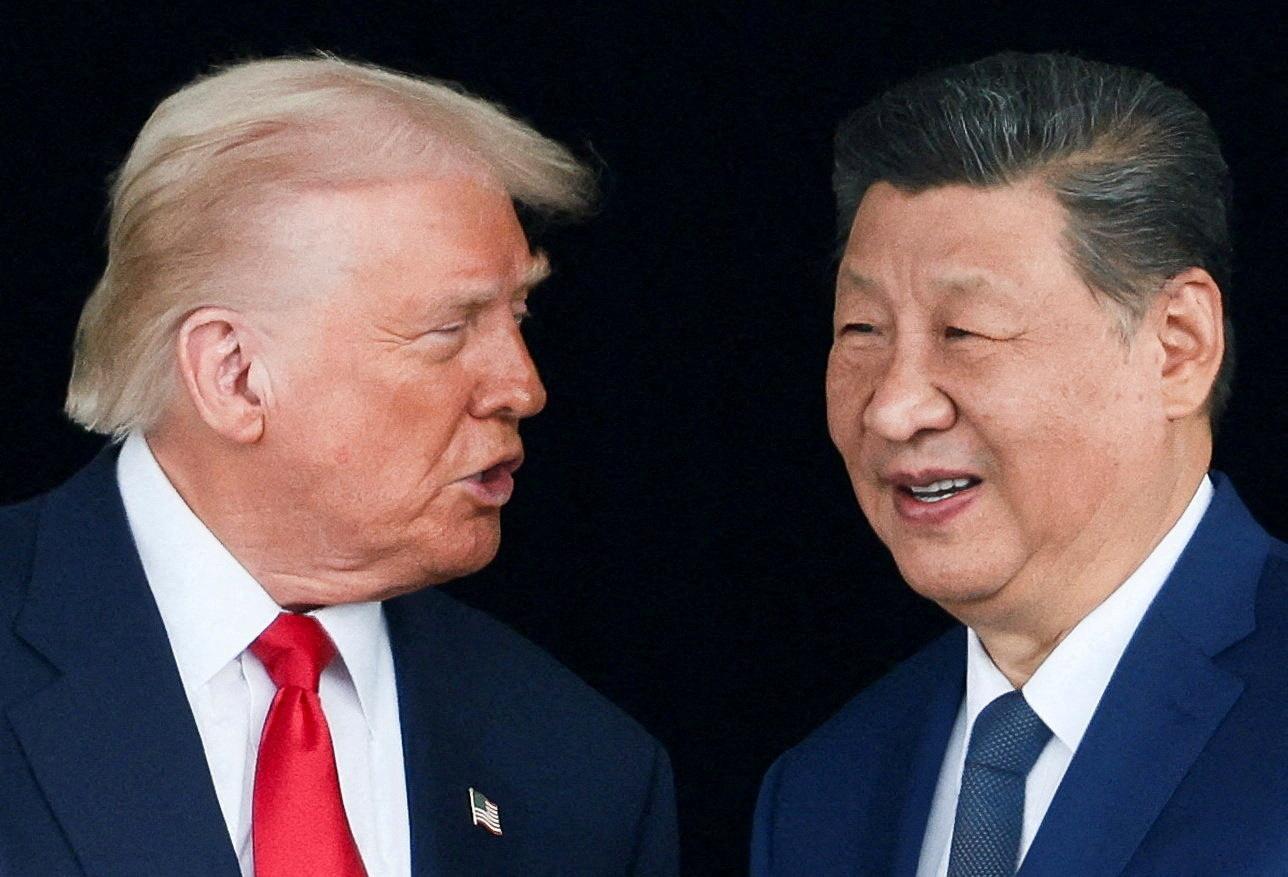
2026 outlook calls for recalibration
News, Mohamed A El-Erian, Published on 17/01/2026
» For global markets, 2025 was defined as much by what did not happen as by what did. The year offered a masterclass in the power of a single narrative, with massive, concentrated bets on AI masking various other unanswered questions. Yet as we move further into 2026, the AI narrative is unlikely to prove strong enough to continue overshadowing other lingering uncertainties, many of which reflect deeper structural shifts. For investors, central banks, and governments alike, the situation demands adaptation.

Nepal's young protesters drive a political reset
Oped, Barbim Karki, Published on 27/11/2025
» Nepal announced fresh elections to be held on March 5 next year following a week of deadly violence in September as an interim government headed by the country's Sushila Karki, the first female prime minister, takes charge.
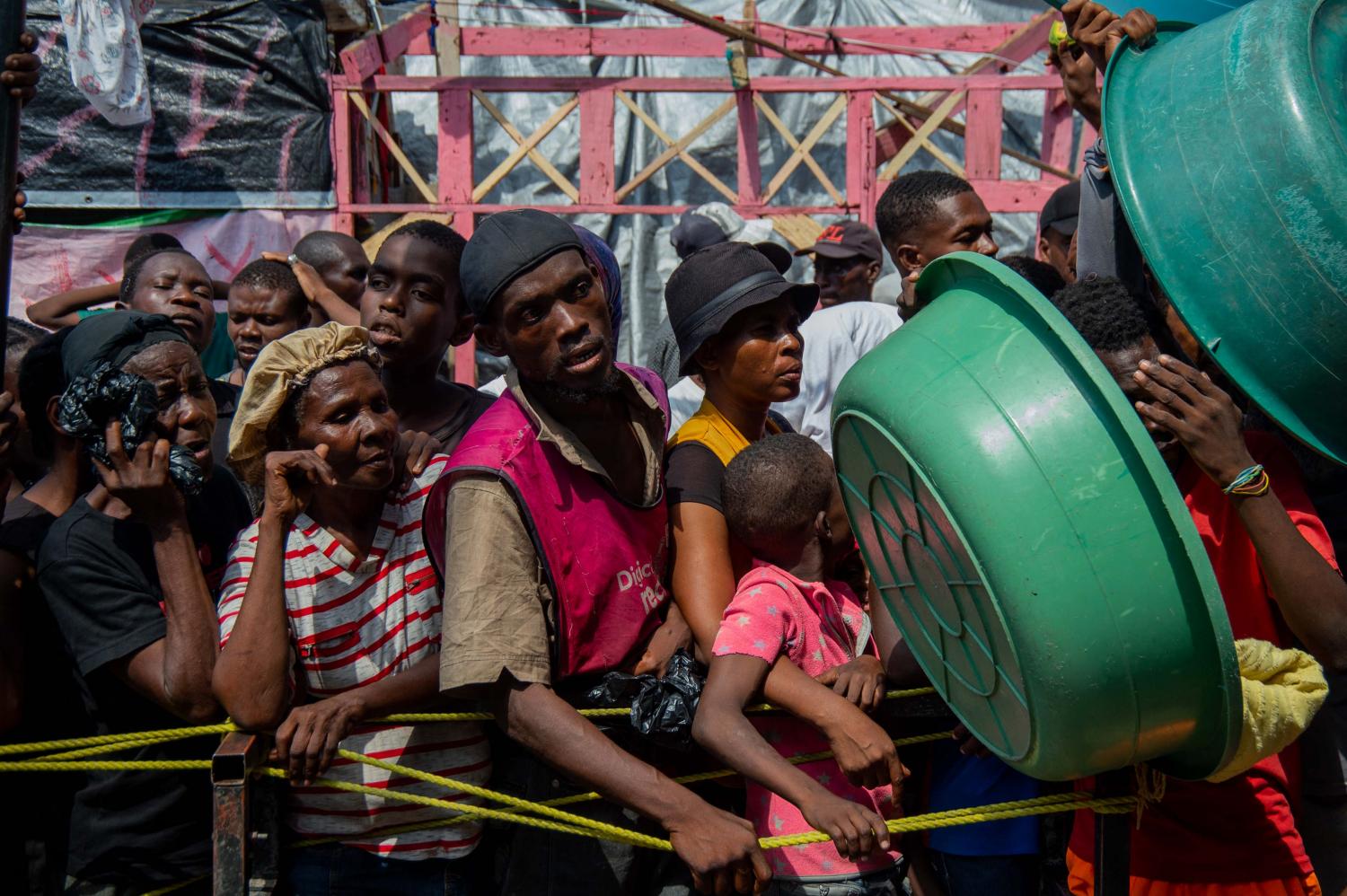
Stepping up the poverty fight
News, Akinwumi A Adesina & Ilan Goldfajn, Published on 15/09/2025
» Faced with a slowing global economy and rising debts, many developing-country governments may be tempted to scale back anti-poverty programmes. That would be a grave mistake. Combating poverty is not just a moral imperative; it is also crucial for economic stability, conflict prevention, and long-term development.

Rethinking development in an era of upheaval
News, Mohamed A El-Erian, Published on 14/08/2025
» For many developing countries, the global economic landscape has shifted dramatically in recent years. Lower growth, disrupted supply chains, reduced aid flows, and heightened financial-market volatility represent significant headwinds. Underpinning these changes is a fundamental restructuring, driven by the developed world, of the postwar economic and financial order. Against this background, a handful of factors are becoming critically important for the current and future well-being of developing countries -- and for the fate of multilateral institutions.

India's power sector needs reform
Oped, Arvind Subramanian, Navneeraj Sharma, Abhishek Anand & Praveen Ravi, Published on 06/08/2025
» As the use of energy-guzzling AI grows, the countries that embrace renewables will gain an obvious competitive advantage. And on this front, China has established a substantial lead. According to the Financial Times, the country is on track to source 50% of its power from renewables (mainly solar and wind, but also nuclear, hydro, and battery-storage systems) by 2028.
The next war comes to a city near you
Oped, Joe Mathews, Published on 03/07/2025
» I was to visit Ukraine this week, but didn't make the trip. Because the same war I would have seen there had already come to Los Angeles.

Where is US economic policy taking us this time?
Oped, Mohamed A. El-Erian, Published on 29/05/2025
» Although this year is not even half over, it is already likely to feature in history books as one of extreme policy-induced volatility -- not only in financial markets but also in terms of economic narratives and international relations. But where it will lead remains to be seen. Are we witnessing the fragmenting of the US domestic and international order, or just a bumpy ride towards a beneficial rewiring of both?

Empowering middle-income states
News, Enrique A. Manalo Secretary for Foreign Affairs, Published on 28/04/2025
» Spanning across all regions of the world -- from Latin America to Africa, from Eastern Europe to Southeast Asia and the Pacific -- middle-income countries (MICs) constitute over 100 countries, hosting 75% of the world's population and producing 35% of global GDP. Many MICs are in Asia.

Bimstec to put regional ties to the test
Oped, Kavi Chongkittavorn, Published on 25/03/2025
» On April 4, leaders from the seven countries surrounding the Bay of Bengal will converge in Bangkok to chart a common future amid dramatic shifts in the global geopolitical landscape.

Supporting Ukraine is in Donald Trump's interest
Oped, Michael Froman & Charles A Kupchan, Published on 02/01/2025
» Even before taking office, Donald Trump has launched a diplomatic effort to end Russia's war against Ukraine, calling for an "immediate ceasefire" after meeting Ukrainian President Volodymyr Zelensky in Paris in early December.