




Showing 1 - 10 of 7,205

Myanmar looks east again in search of legitimacy
Oped, Larry Jagan, Published on 17/04/2026
» Myanmar understands it needs to reach out to the world if it is to end its isolation and roll back the sanctions much of the West has levied against it. To this end, the men in green, now in civilian clothes, are seeking the support of traditional allies -- China and Asean, especially Thailand -- as well as Bangladesh and Pakistan, in an effort to reset foreign policy and regain international acceptance.

Thumbs up for Lumpini
Oped, Editorial, Published on 17/04/2026
» Two recent developments at Lumpini Park offer a solid proof that when the public and private sectors collaborate to address community needs, the results are nothing short of spectacular.
Climate fixation fails world's poor
Oped, Bjorn Lomborg, Published on 17/04/2026
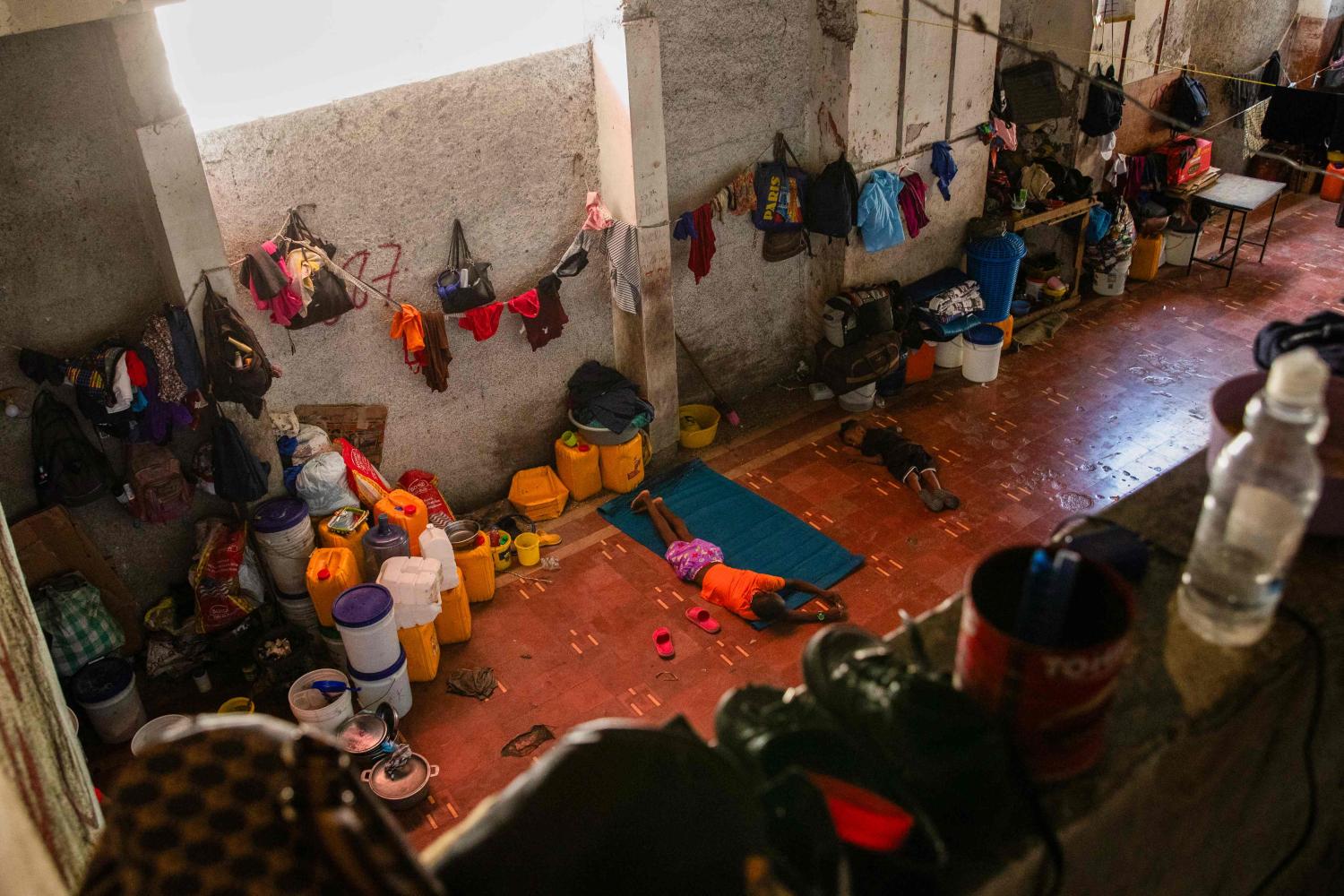
» This week in Washington, more than 10,000 delegates, finance ministers, and central bankers are gathering for the World Bank and IMF Spring Meetings. Their stated goal: accelerate global development, drive economic growth, and lift billions out of poverty.

When will the IMF ever learn?
Oped, Timothy Kaldas, Published on 16/04/2026
» This year's International Monetary Fund Spring Meetings come at a time of heightened economic uncertainty and intense scrutiny of the institution's capabilities and approach. Critics on the left argue that the IMF imposes regressive austerity measures on borrowers, exacerbating poverty, hampering economic growth, and undermining their ability to achieve debt sustainability. On the right, US President Donald Trump's administration has accused the IMF of "mission creep," claiming that it has strayed from its core mandate of maintaining macroeconomic stability.
Oil shock risks wider chain reaction
Oped, Chartchai Parasuk, Published on 16/04/2026
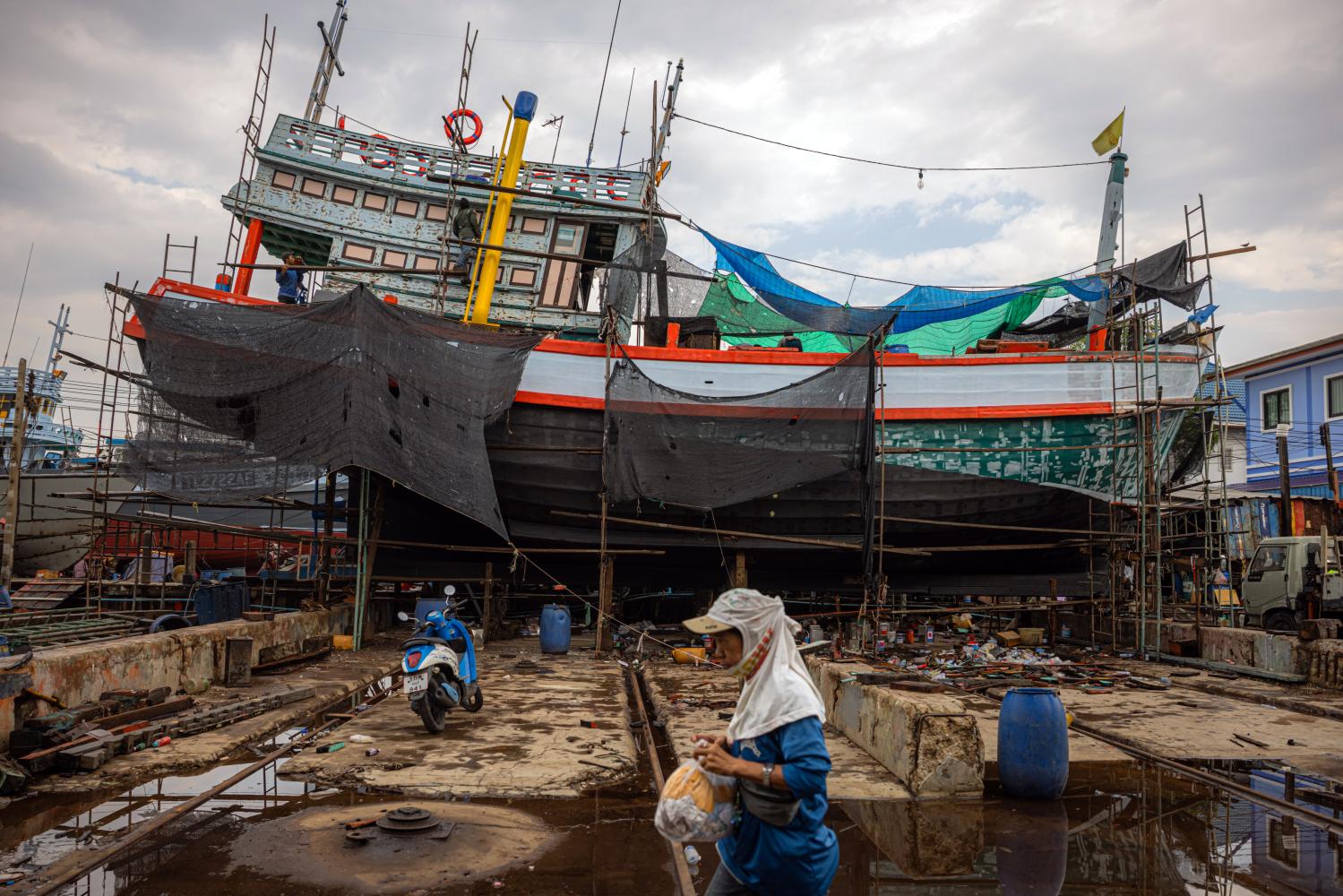
» There is no such thing as a free lunch. When global oil prices rise sharply, as they are doing now, someone must bear the cost. Some countries choose to absorb it through government support, as in Japan, while others pass the burden on to consumers, as in Thailand. Neither approach is inherently right or wrong; each carries different economic consequences. Policymakers must decide which set of outcomes is more acceptable and act accordingly.
Rethink Asean-Pakistan relations
News, Kavi Chongkittavorn, Published on 14/04/2026
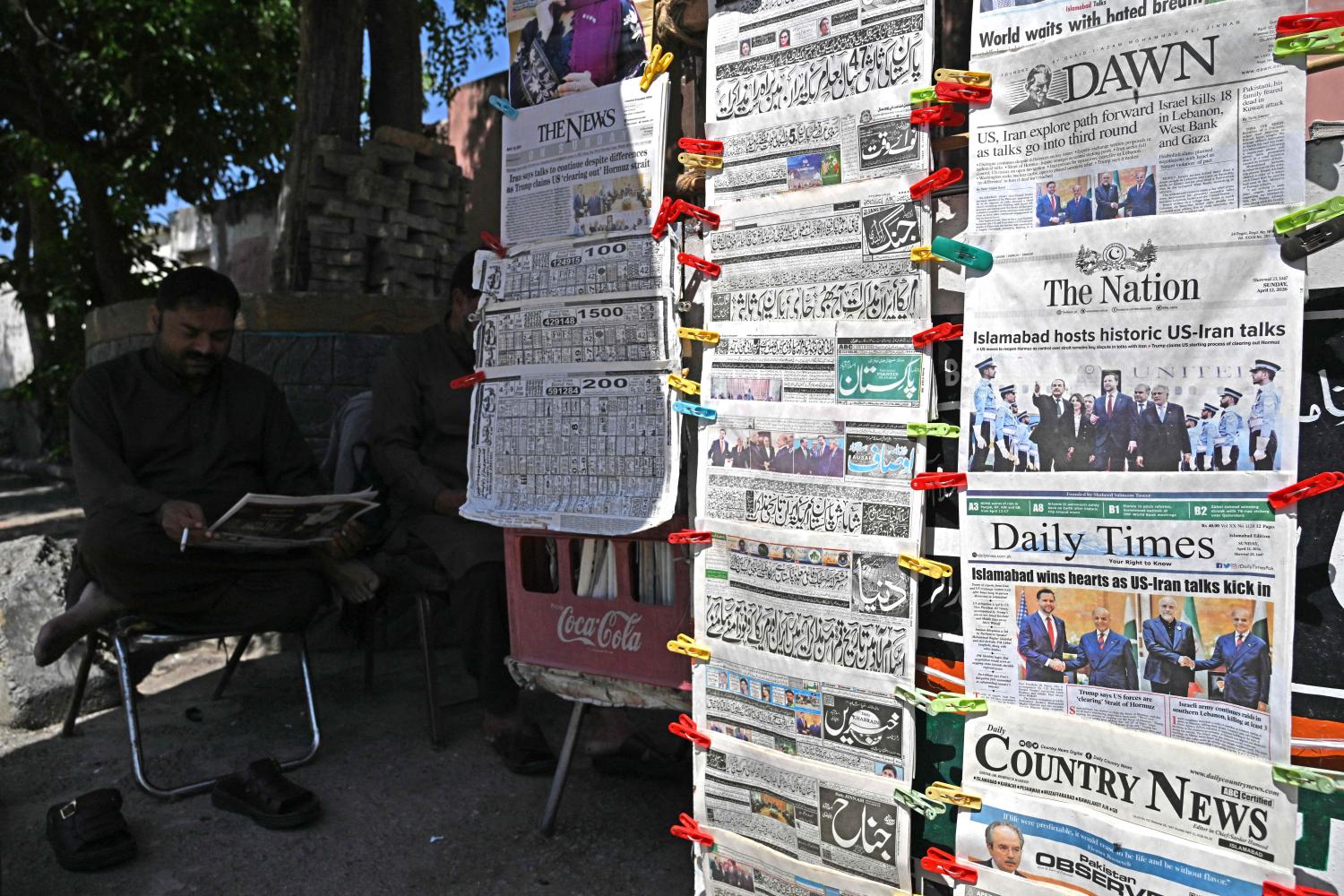
» Pakistan became an Asean sectoral dialogue partner in 1993. Yet for more than three decades, the grouping's engagement with this nuclear-armed state has remained limited. The time has surely come to reconsider its status and elevate it to a full dialogue partner.

It can even get a bit chilly in Hell
Roger Crutchley, Published on 12/04/2026
» The pause in the Middle East conflict is very welcome although with the opposing elements both claiming a "great victory" it's all a trifle confusing. Prior to the ceasefire, we had witnessed increasingly belligerent exchanges from both sides containing sombre warnings that the opposing forces were destined to end up in "hell". In fact the word "hell" was appearing so frequently it was in danger of losing its intended impact.

Cash flow fears
Postbag, Published on 11/04/2026
» Re: "Risk of acute crisis growing", (Opinion, March 5).
Temple aid halt signals deeper crisis
News, Anucha Charoenpo, Published on 11/04/2026
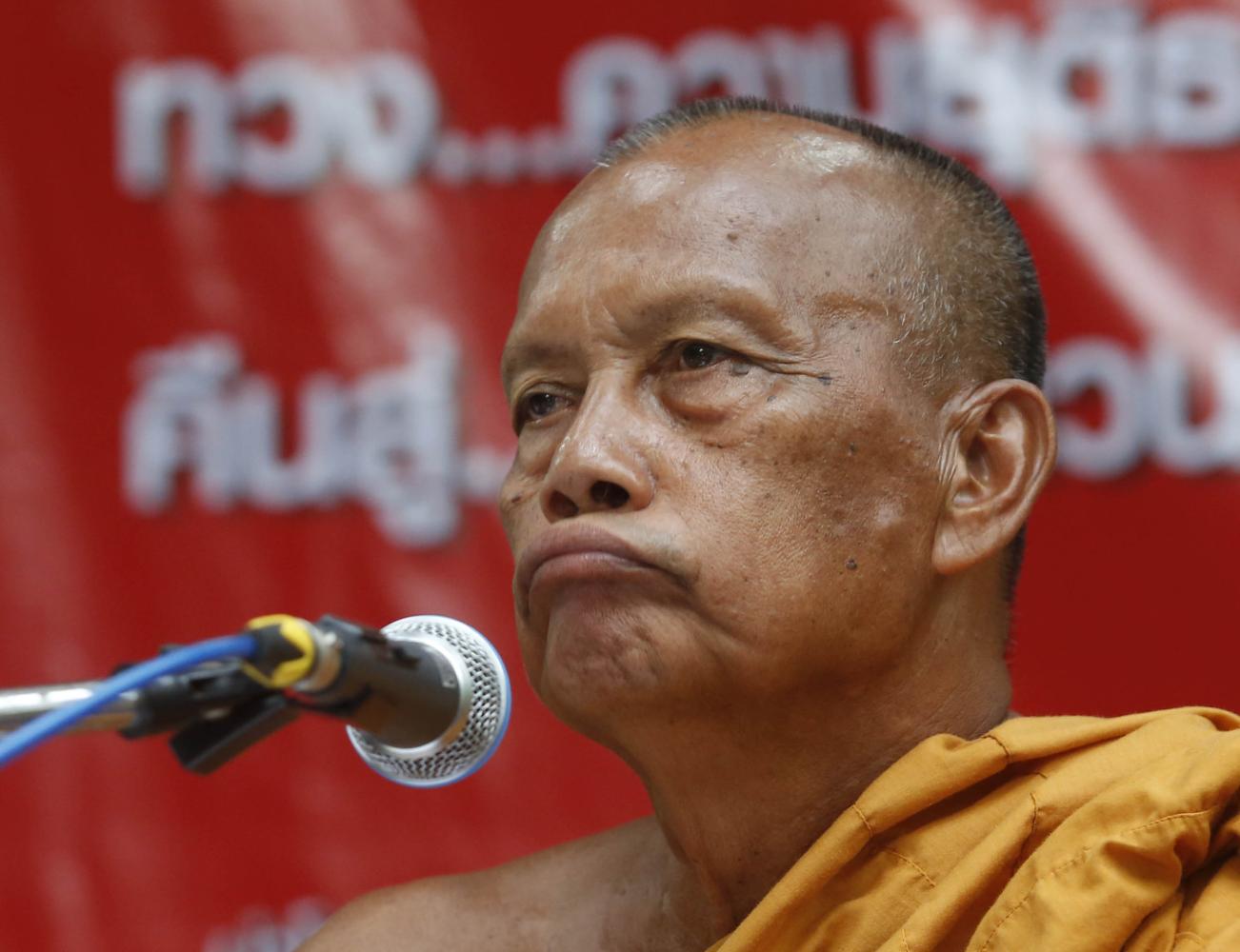
» Wat Suan Kaew in Nonthaburi's Bang Yai district has announced a temporary suspension of its long-running social charity programmes for needy groups due to mounting financial pressures.
Countering the fallacy of the buffer zone
Oped, Daoud Kuttab, Published on 10/04/2026
» Territorial buffers rarely, if ever, deliver the peace and security their advocates promise. After the collapse of the USSR, Ukraine was seen as a neutral cordon between Russia and Nato. Instead, it became a zone of increasingly fierce geopolitical contention, followed by open war.