




Showing 1 - 7 of 7
The visible threat
Life, Suwitcha Chaiyong, Published on 03/02/2025
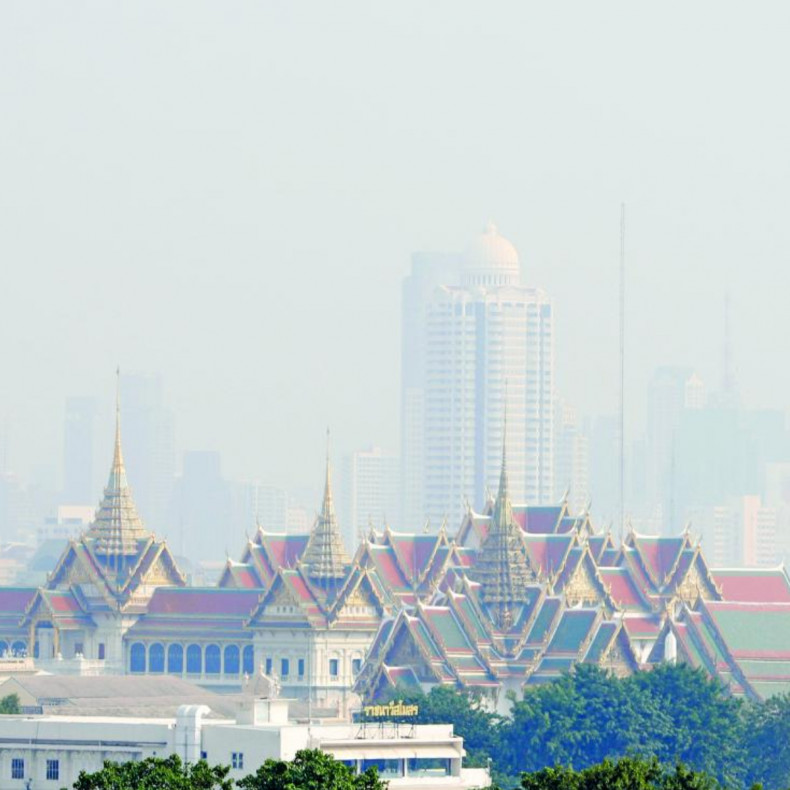
» Late last month, Bangkok was ranked as the fourth most polluted city in the world, according to IQAir. The air quality index (AQI) in Bangkok reached 188 and PM2.5 was as high as 108 µg/m³, indicating unhealthy air quality.
Seeing through Thai haze
Life, Suwitcha Chaiyong, Published on 20/02/2024
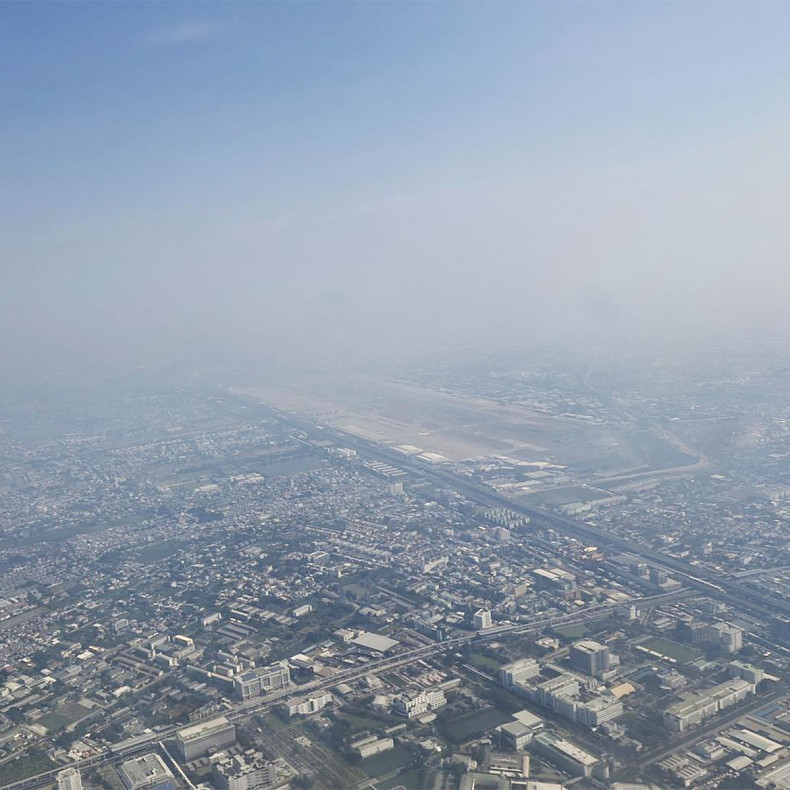
» According to the Thailand Development Research Institute, the government became aware of PM2.5 pollution in 2018 when the Pollution Control Department included PM2.5 in the calculation of the air quality index.
Double trouble
Life, Yvonne Bohwongprasert, Published on 30/11/2020
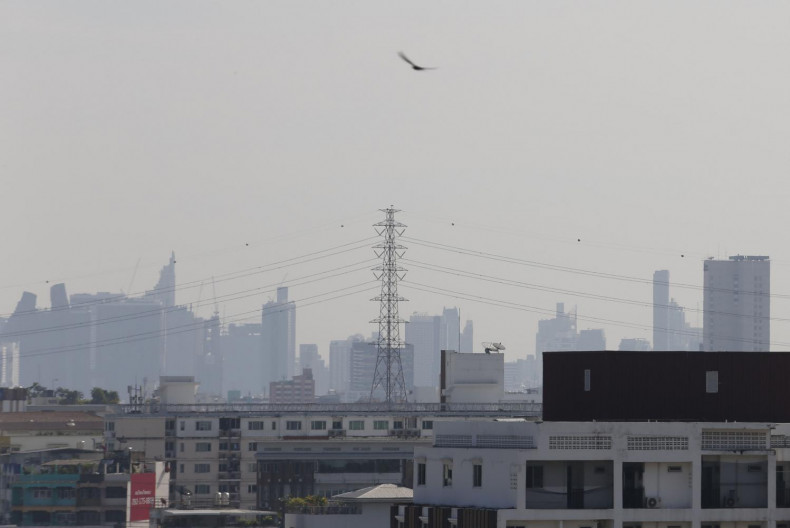
» In the dry winter months, it is not just the fear of Covid-19 but also the menacing presence of particulate matter 2.5 (PM2.5) -- hazardous fine-dust particles that measure 2.5 micrometres or less in diameter and affect the human respiratory system -- that the public has to contend with.
Change is in the air
Life, Suwitcha Chaiyong, Published on 06/05/2019
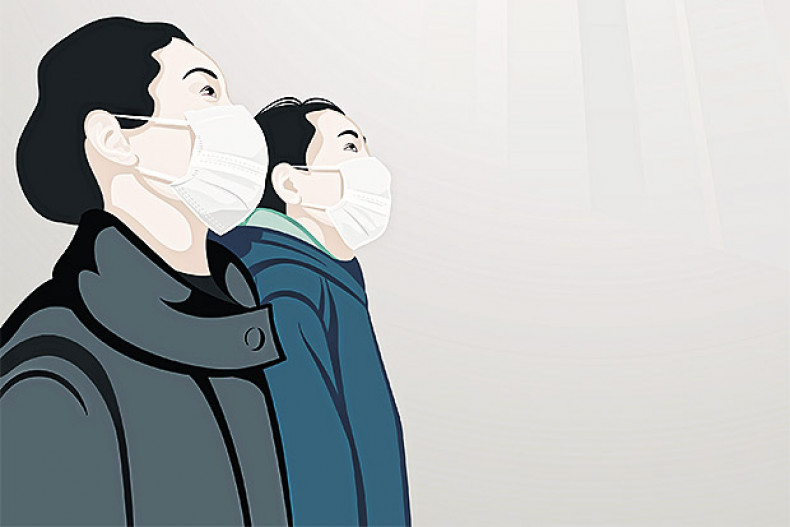
» If the news these days is anything to go by, the PM2.5 crisis appears to have subsided. And yet, the air-quality monitoring app AirVisual says otherwise. While Bangkok's air-quality index has certainly improved, other provinces such as Nakhon Ratchasima and Chiang Mai are still suffering.
Air for sale
Life, Kanokporn Chanasongkram, Published on 20/03/2019
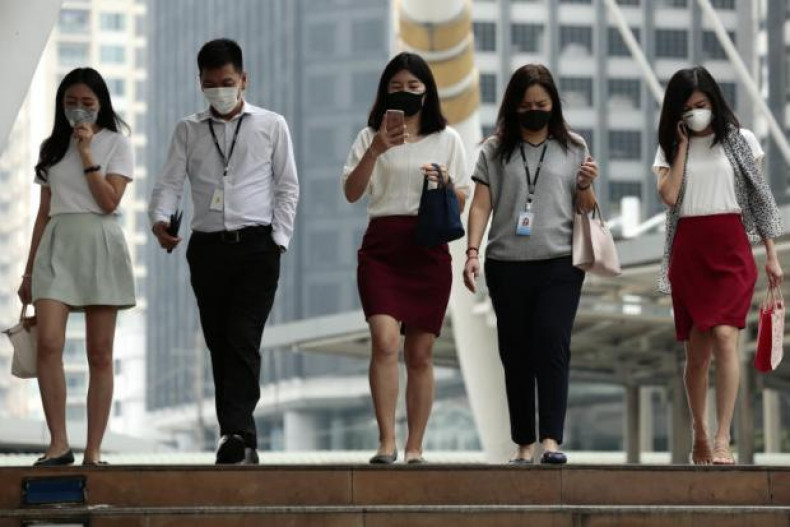
» The haze blanketing Bangkok has people wearing face masks to filter fine particulate matter PM2.5, which is now severely hitting Thailand's northern provinces. Layering the face with anti-pollution formulas is another measure to protect the skin.
Avoiding the great outdoors
Life, Arusa Pisuthipan, Published on 12/02/2019
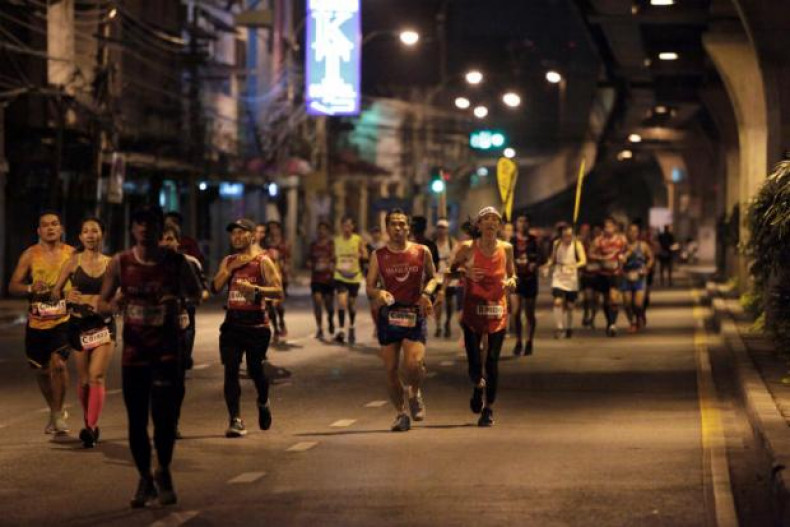
» Exercise enthusiast Saowaphak Pinijpichitkul mistook the toxic haze that had shrouded Bangkok earlier for dense morning fog, and thus didn't realise the health risks when she decided to continue her outdoor run day after day. The subsequent symptoms told her she was all wrong.
All I need is the air that I breathe
Life, Arusa Pisuthipan, Published on 30/01/2019
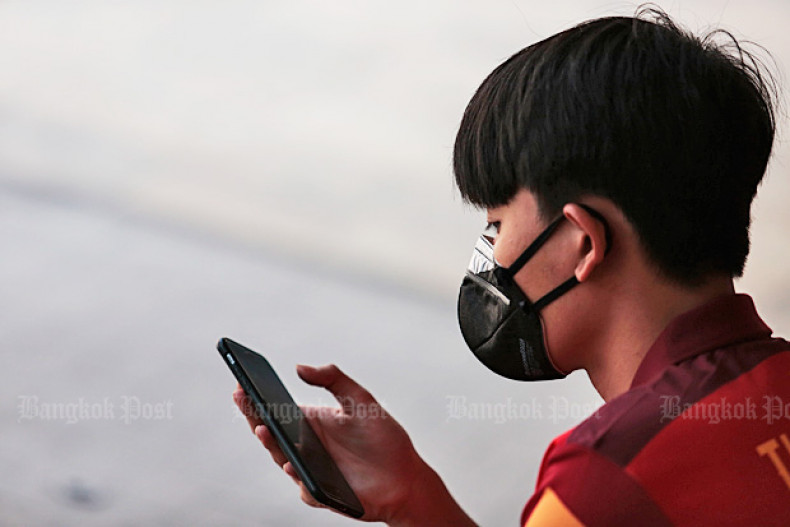
» The hazardous fine dust particles known as PM2.5 are hitting Bangkok like a silent killer. People are nervous. The N95 respirator masks to filter the minuscule particles, less than 2.5 micrometres in diameter, have quickly sold out. Online communities are flooded with data on how humans -- and animals -- can keep safe.