



Showing 1 - 10 of 23
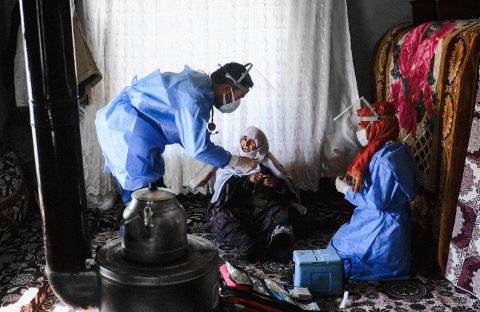
Rethinking global health finance
Oped, Walter O Ochieng & Tom Achoki, Published on 06/02/2026
» For the past half-century, the economics of global health were straightforward. Under the so-called "grant-based" approach, rich countries donate to poor countries, which use the funds to meet their populations' health needs. Success was measured by services provided or lives saved, rather than by balance sheets. While this model was far from perfect, the latest approach replacing it -- focused on using tools like guarantees and blended finance to crowd in private capital -- threatens to produce even worse outcomes.
Charting Thailand's refugee path
Oped, Tammi Sharpe, Published on 15/08/2025
» In the mid-1970s, conflict and upheaval across this region forced millions of people from Vietnam, Cambodia, and Laos to flee their homes in fear. Amidst this chaos, Thailand became a sanctuary for these refugees, offering safety and hope to those displaced.

Remembering a journo like no other
Oped, Thitinan Pongsudhirak, Published on 04/04/2025
» Gwen Robinson was a quintessential journalist who probed for the best scoop and pried for the juiciest gossip, an old-style old hand the likes of which we are unlikely to see again. In the new contentious era of geopolitical conflict and geoeconomic tension underpinned by American economic nationalism, Robinson's journalist craft over more than four decades explaining and linking Asia and the West will be sorely missed.

Fintech and universal inclusion
Oped, Carl Manlan & Adanna Chukwuma, Published on 14/01/2025
» The world has made remarkable progress in advancing financial inclusion in recent years. In the decade beginning in 2011, the share of adults with access to financial services rose a whopping 50%, to more than three-quarters. But we still have a long way to go in creating a truly inclusive financial system. Beyond expanding access to financial products and services, we must ensure that these products and services work for all people, including the 1.2 billion people worldwide with disabilities.
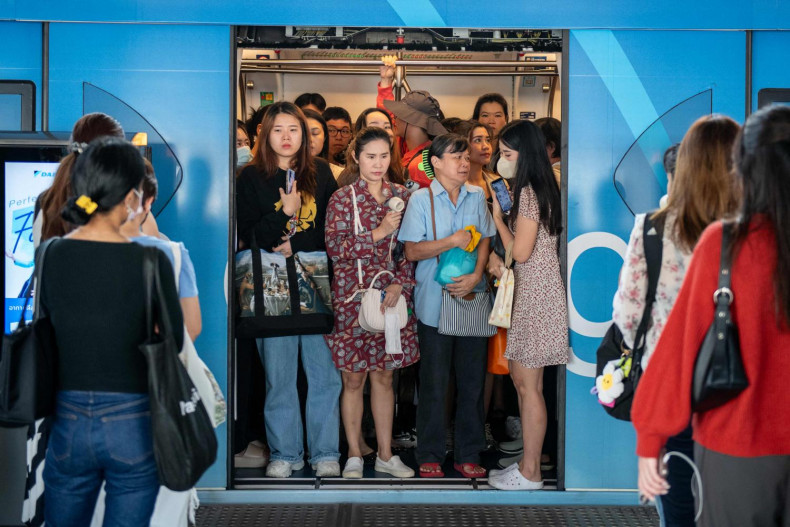
Is the 'middle-income trap' real?
Oped, Keun Lee, Published on 31/12/2024
» The term "middle-income trap" refers to the tendency of fast-growing developing economies to lose momentum well before they achieve high-income status. First introduced by World Bank economist Indermit Gill and the Brookings Institution's Homi Kharas in 2007, the concept has since become the subject of intense debate among economists.

Don't rely on last year's trends for global economy
Oped, Mohamed A El-Erian, Published on 16/01/2024
» Behavioural economists have popularised the term "recency bias" to describe our tendency to be disproportionately influenced by the latest events compared to earlier ones. Could this cognitive phenomenon explain why numerous analysts have a rather optimistic tilt for the world economy in 2024? Or are there really positive trends counterbalancing the obvious and mounting challenges to global growth?
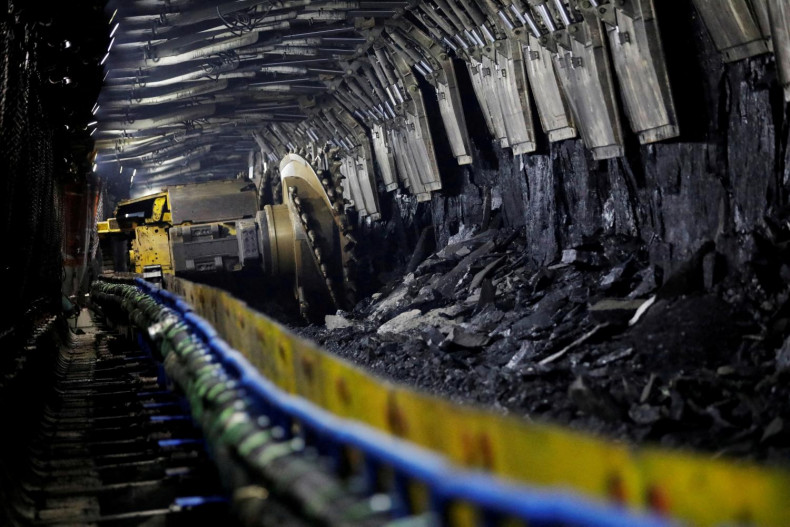
How China can save the world -- as well as itself
Oped, Gernot Wagner & Conor Walsh, Published on 11/11/2023
» China's model of economic growth has been a resounding success. With its focus on export promotion, capital investment, and technological catch-up, it has lifted some 800 million people out of poverty over the past 40 years.
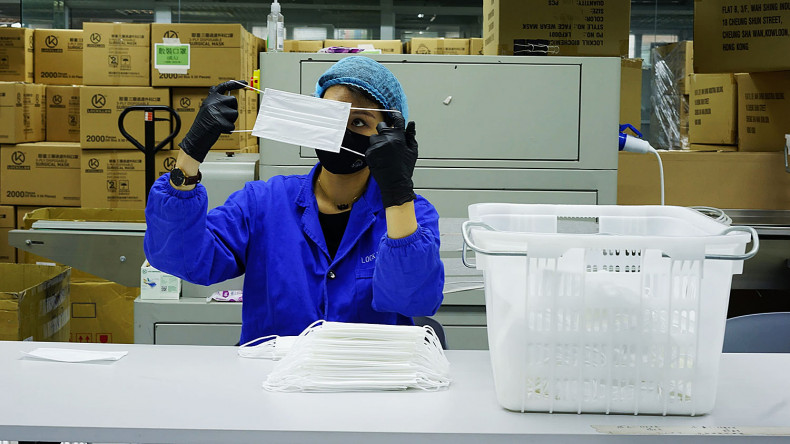
Unemployment and economic future in China
Oped, Nancy Qian, Published on 29/07/2023
» In May, China reported that youth unemployment had reached a record-breaking 20.8%, with the high-paying, high-skilled jobs that university graduates are trained for growing scarcer.
Why is America undercutting the Japanese?
Oped, Anne O. Krueger, Published on 26/07/2023
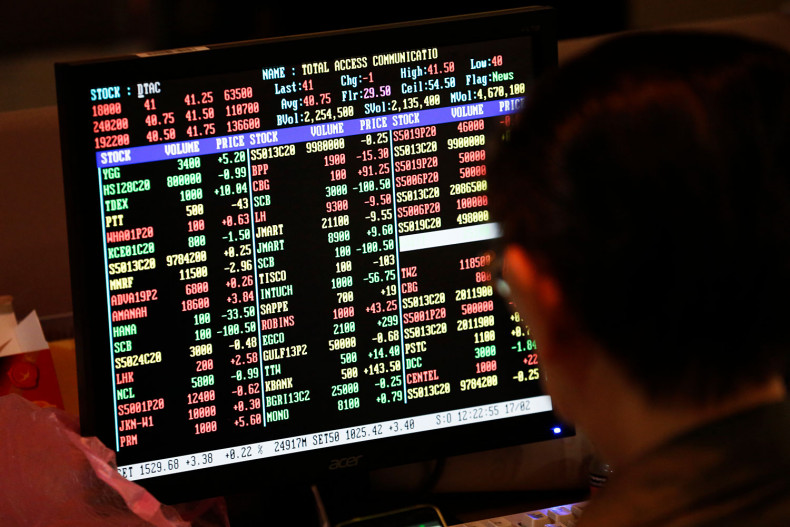
» Until 2017, America's trade policies were reasonably well aligned with its strategic objectives. The US was the world's largest economy, with unrivalled military power, and its alliances with European countries and others bolstered security and underwrote prosperity for all. It also provided global leadership through bodies like the World Trade Organization, ensuring a common rule-of-law framework to support economic growth and cross-border exchange around the world.
Breaking gender barriers in the clergy
Oped, Sanitsuda Ekachai, Published on 22/07/2023
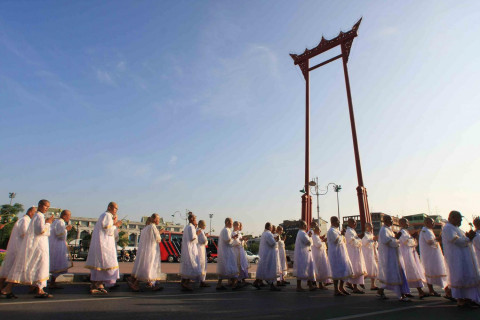
» Can queers be ordained as Buddhist monks? The question sparked intense debates on social media when Pataradanai Setsuwan, a well-known openly gay celebrity, entered the monkhood late last month.