



Showing 1 - 10 of 176
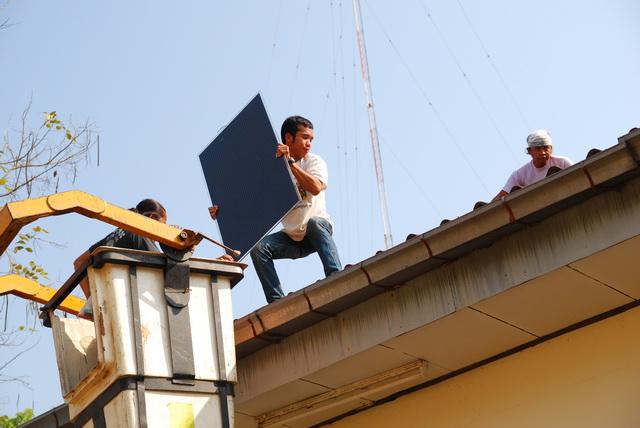
Solar boom risks leaving toxic legacy
Oped, Nattaphorn Buayam, Published on 11/03/2026
» Solar power is Thailand's master key in the fight against global warming. It is cheap, popular, and even promoted by the state. But beneath the success story lies a big question: What happens when millions of panels begin to die?
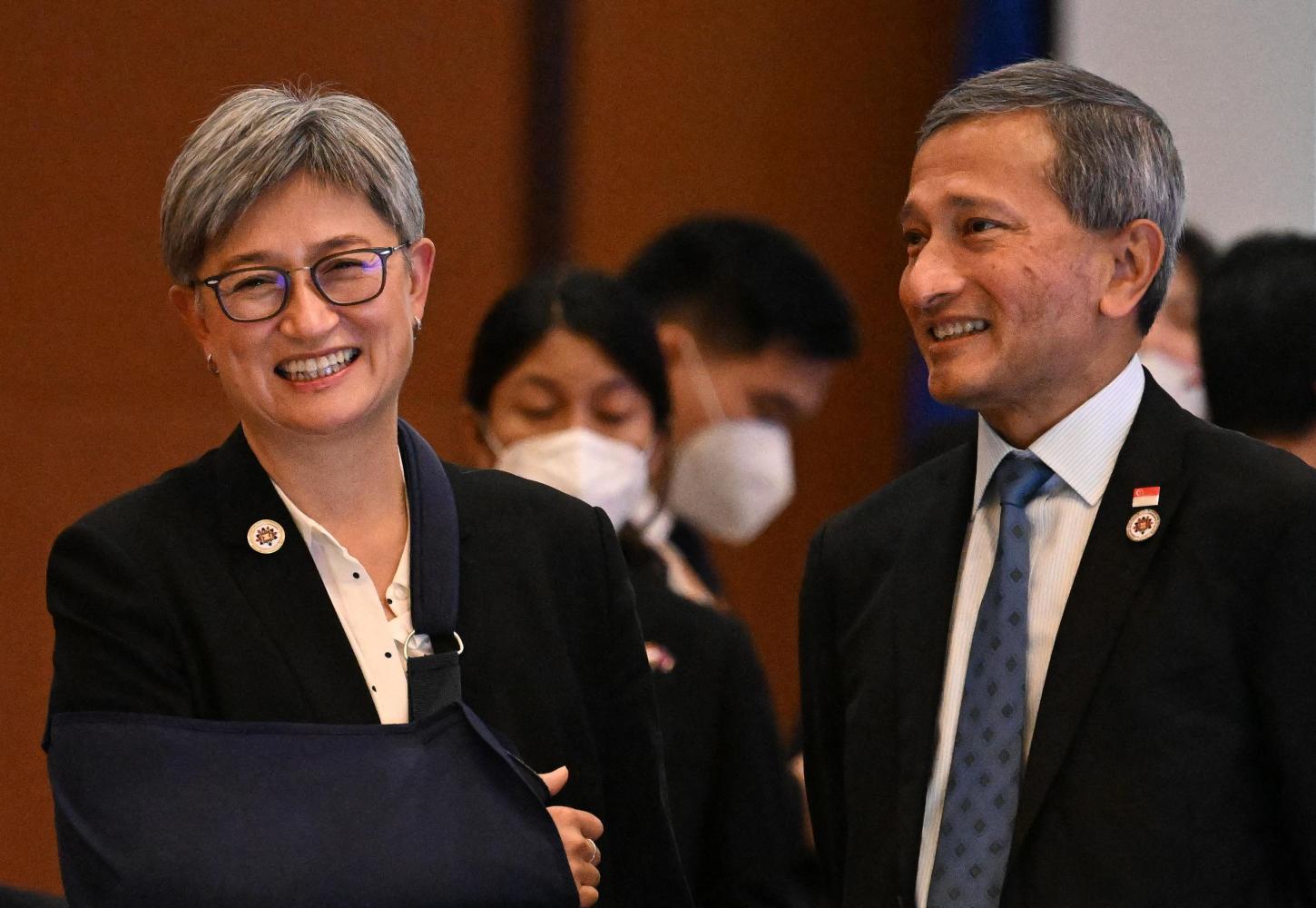
It's never been more important to strengthen ties
Oped, Genevieve Donnellon-May, Published on 09/03/2026
» Australia and the Association of Southeast Asian Nations (Asean) face a defining moment. Intensifying great-power competition, climate crises and economic fragmentation are reshaping the Indo-Pacific, raising urgent questions about how the two sides can build a truly resilient partnership.

Water crisis ignored
Oped, Editorial, Published on 27/01/2026
» The United Nations report on "global water bankruptcy" is a final warning to countries worldwide, including Thailand.

The end of China's one-child policy, 10 years later
Oped, Yi Fuxian, Published on 09/01/2026
» Jan 1 marked a decade since China repealed its one-child policy. Just ten days earlier, Peng Peiyun, who long oversaw the often-brutal enforcement of China's family-planning rules, died at the age of 96, having never been held accountable for her actions. Some obituaries praised Peng for being "reform-minded", even though, in practice, she only perpetuated an utterly inhumane policy, whose consequences have barely begun to materialise.
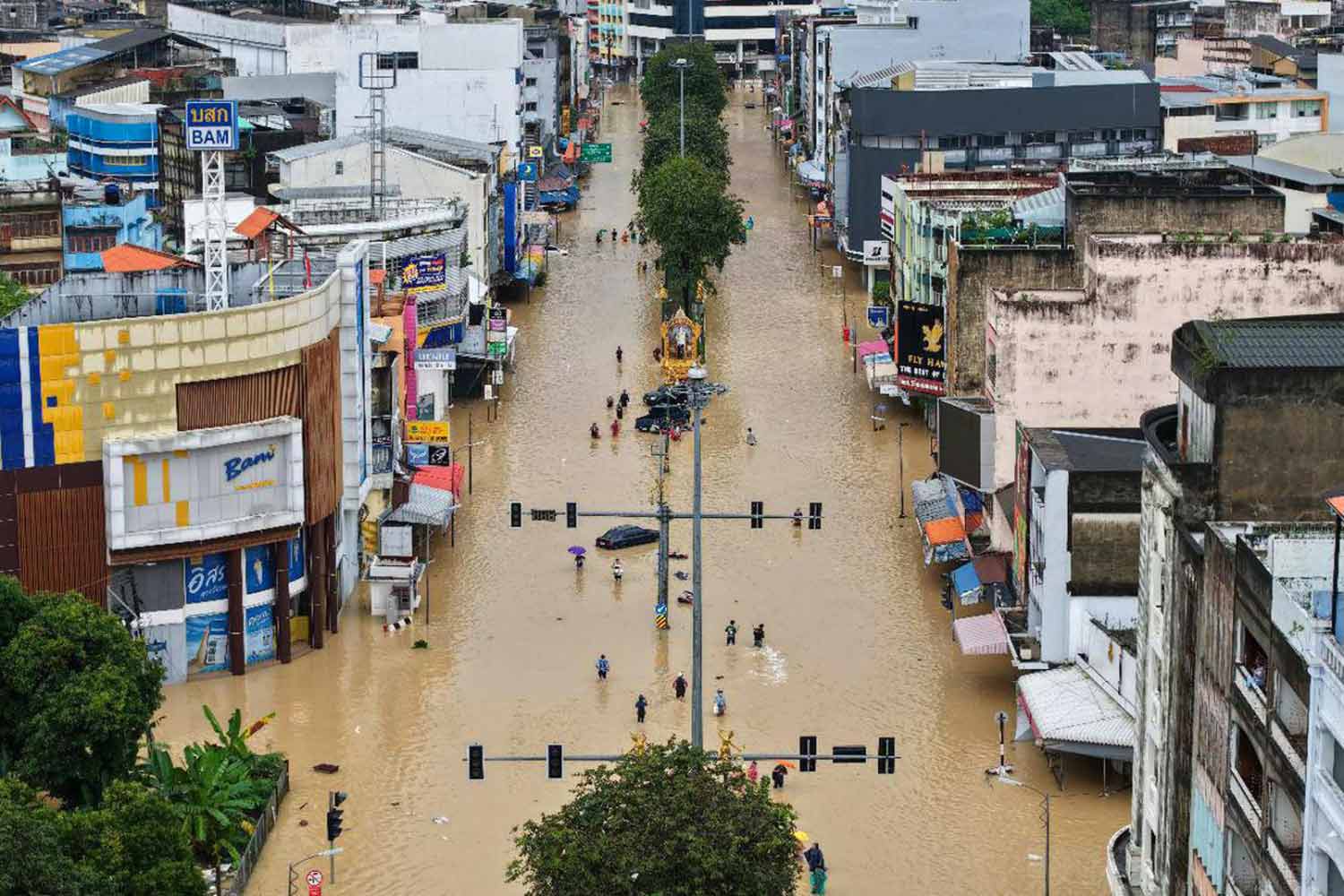
Flood resilience a national imperative
Oped, Srinivasa Popuri and Kotchakorn Voraakhom, Published on 18/12/2025
» The twin cyclones Senyar and Ditwah that struck South and Southeast Asia in November caused unprecedented flooding across the region, with Thailand among the most severely affected.
India seeks strong growth as key tests loom
Oped, Anne O Krueger, Published on 02/12/2025
» In the aftermath of World War II, the end of colonial rule produced a wave of newly independent -- and mostly poor -- countries, which were labelled "developing economies".
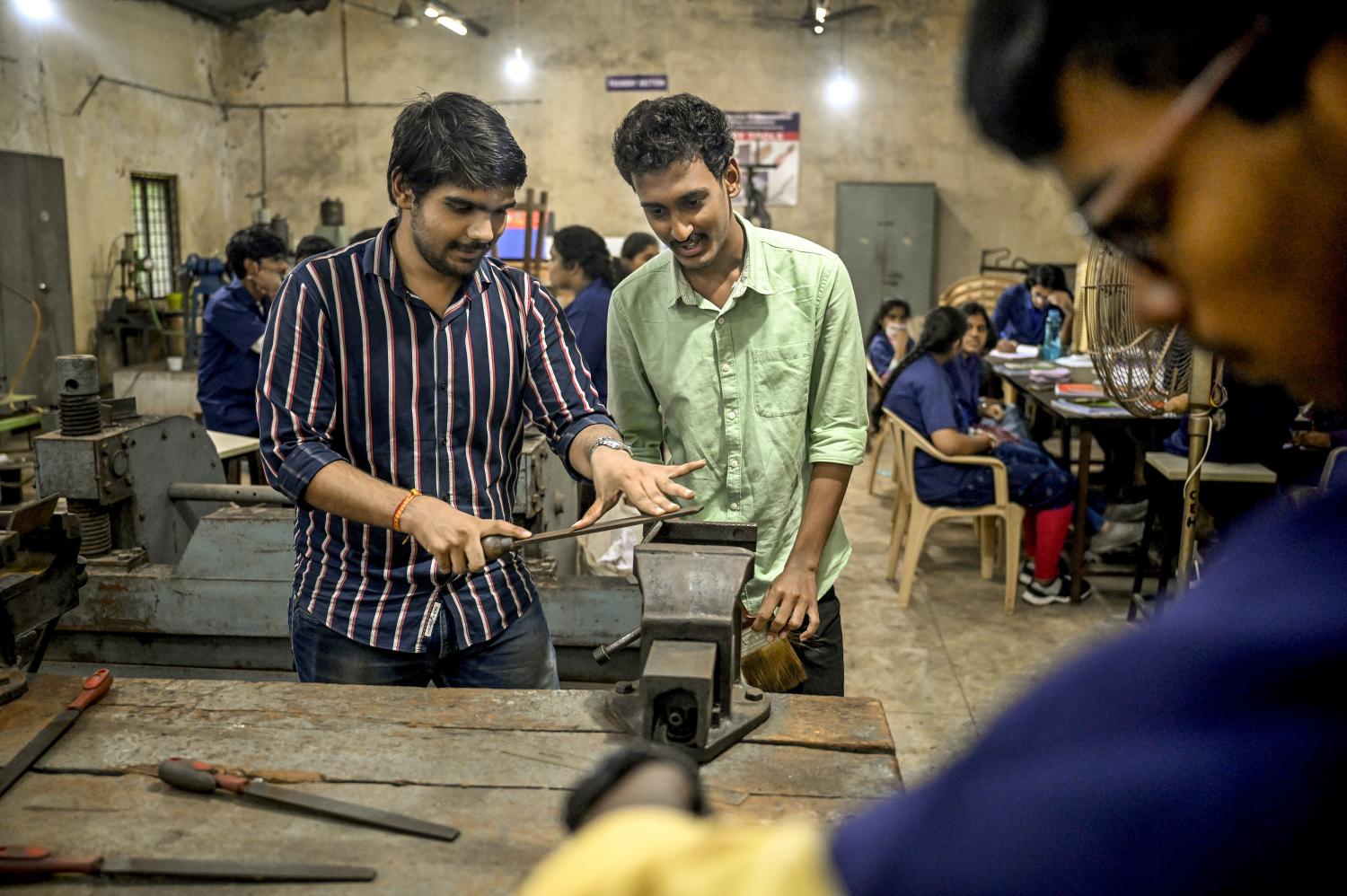
Can India's service sector survive US disruption?
Oped, Manishi Raychaudhuri, Published on 21/10/2025
» India's long-vaunted services sector has been boosted in recent years by the exponential growth of Global Capability Centres, multinational corporations' offshore hubs. However, President Donald Trump's administration is now threatening to dramatically alter the landscape for Indian workers, even as GCCs face several domestic challenges.
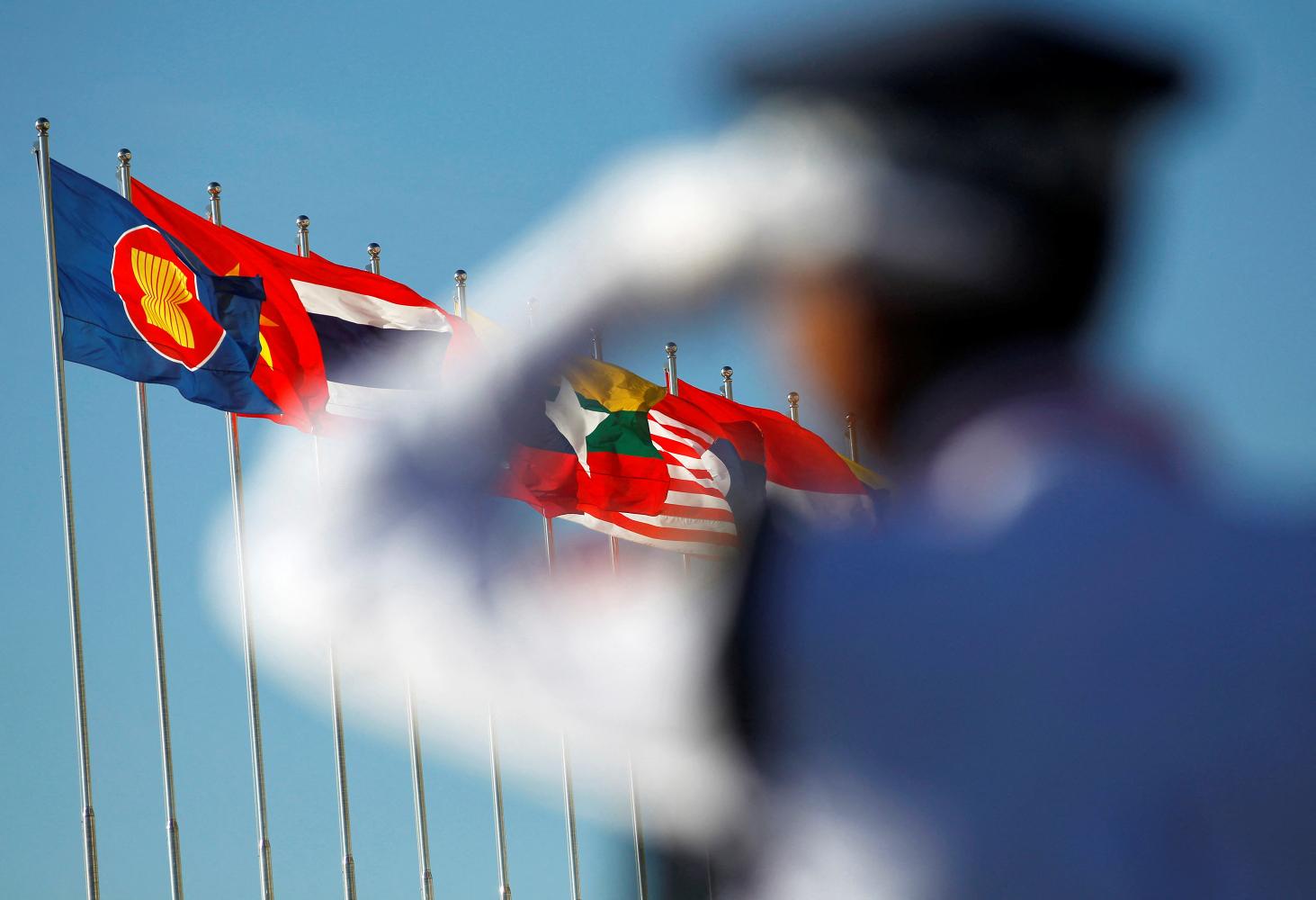
Flawed Asean needs to regain footing
Oped, Thitinan Pongsudhirak, Published on 10/10/2025
» Nearly six decades after its founding, the Association of Southeast Asian Nations (Asean) finds itself back where it began -- divided, uncertain, and vulnerable to the influence of major powers. Once hailed as a model for regional cooperation in the developing world, Asean now faces a crisis of purpose. Unless it can rediscover the unity and collective way forward that defined its early decades, Southeast Asia's flagship institution risks slipping into irrelevance.

Thai and Omani bridge builders
Oped, Pisanu Suvanajata, Published on 08/10/2025
» On the 45th anniversary of diplomatic relations between the Kingdom of Thailand and the Sultanate of Oman, last week, the Royal Thai Embassy in Muscat and the Diplomatic Academy of the Ministry of Foreign Affairs of Oman convened a workshop that transcended mere commemoration. It became a working session on how two middle-power nations, distant in geography but close in outlook, can turn shared principles -- dialogue, moderation, and trust -- into practical pathways for peace and stability.
How gender equality boosts the economy
Oped, Pinelopi Koujianou Goldberg, Published on 26/09/2025
» With protectionism and industrial policy returning to advanced economies, and with geopolitical tensions on the rise, this is an inauspicious moment for trade-led growth strategies. Since future growth will increasingly depend on sound domestic policies, low- and middle-income countries should focus on ensuring that existing resources are fully and efficiently deployed. And no resource is more valuable than human capital.