



Showing 1 - 10 of 147
2026 outlook calls for recalibration
News, Mohamed A El-Erian, Published on 17/01/2026
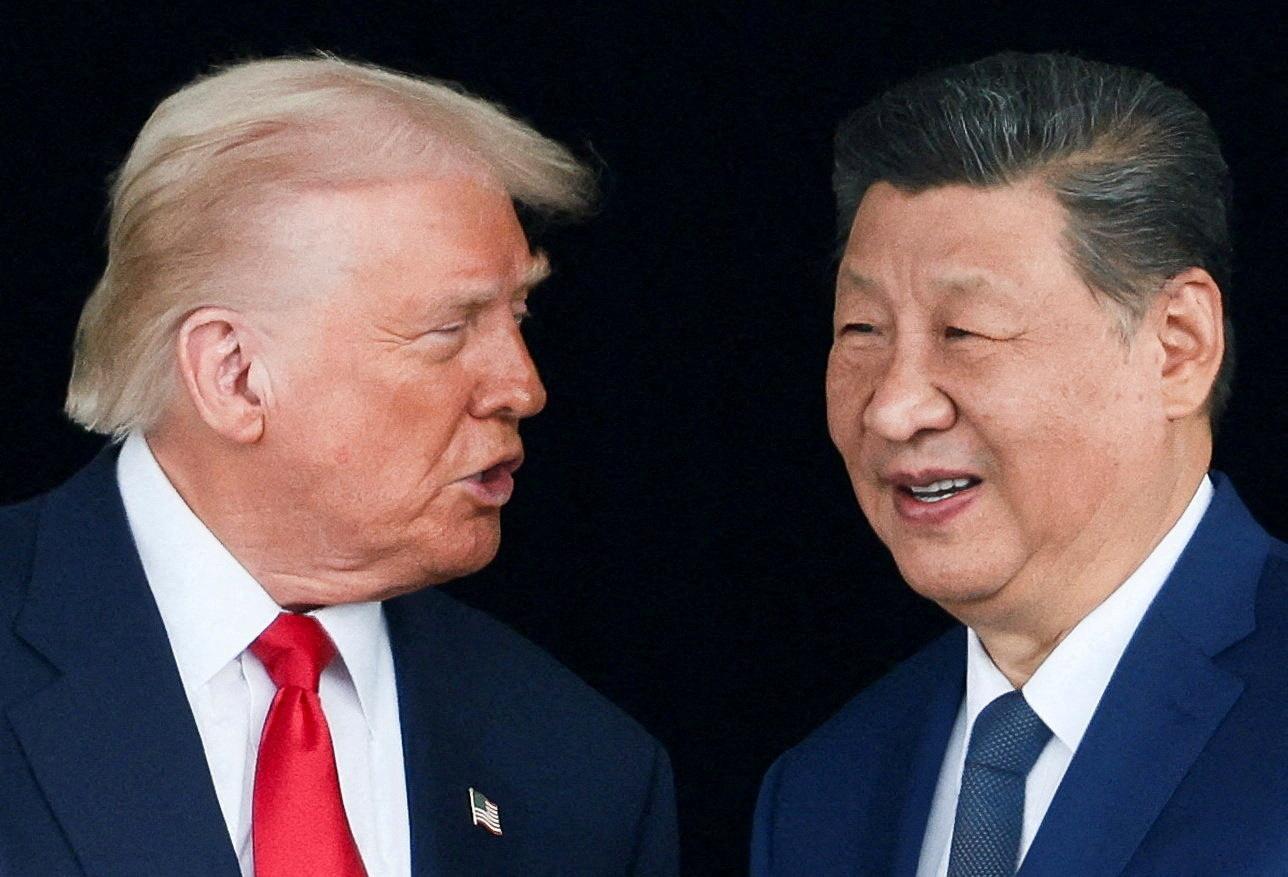
» For global markets, 2025 was defined as much by what did not happen as by what did. The year offered a masterclass in the power of a single narrative, with massive, concentrated bets on AI masking various other unanswered questions. Yet as we move further into 2026, the AI narrative is unlikely to prove strong enough to continue overshadowing other lingering uncertainties, many of which reflect deeper structural shifts. For investors, central banks, and governments alike, the situation demands adaptation.

Nepal's young protesters drive a political reset
Oped, Barbim Karki, Published on 27/11/2025
» Nepal announced fresh elections to be held on March 5 next year following a week of deadly violence in September as an interim government headed by the country's Sushila Karki, the first female prime minister, takes charge.

Solidarity first
Oped, Postbag, Published on 24/11/2025
» Re: "Asean regains footing despite setbacks", (Opinion, Nov 21).
An Asean free from 'wars on drugs'
Oped, Gloria Lai, Published on 19/09/2025
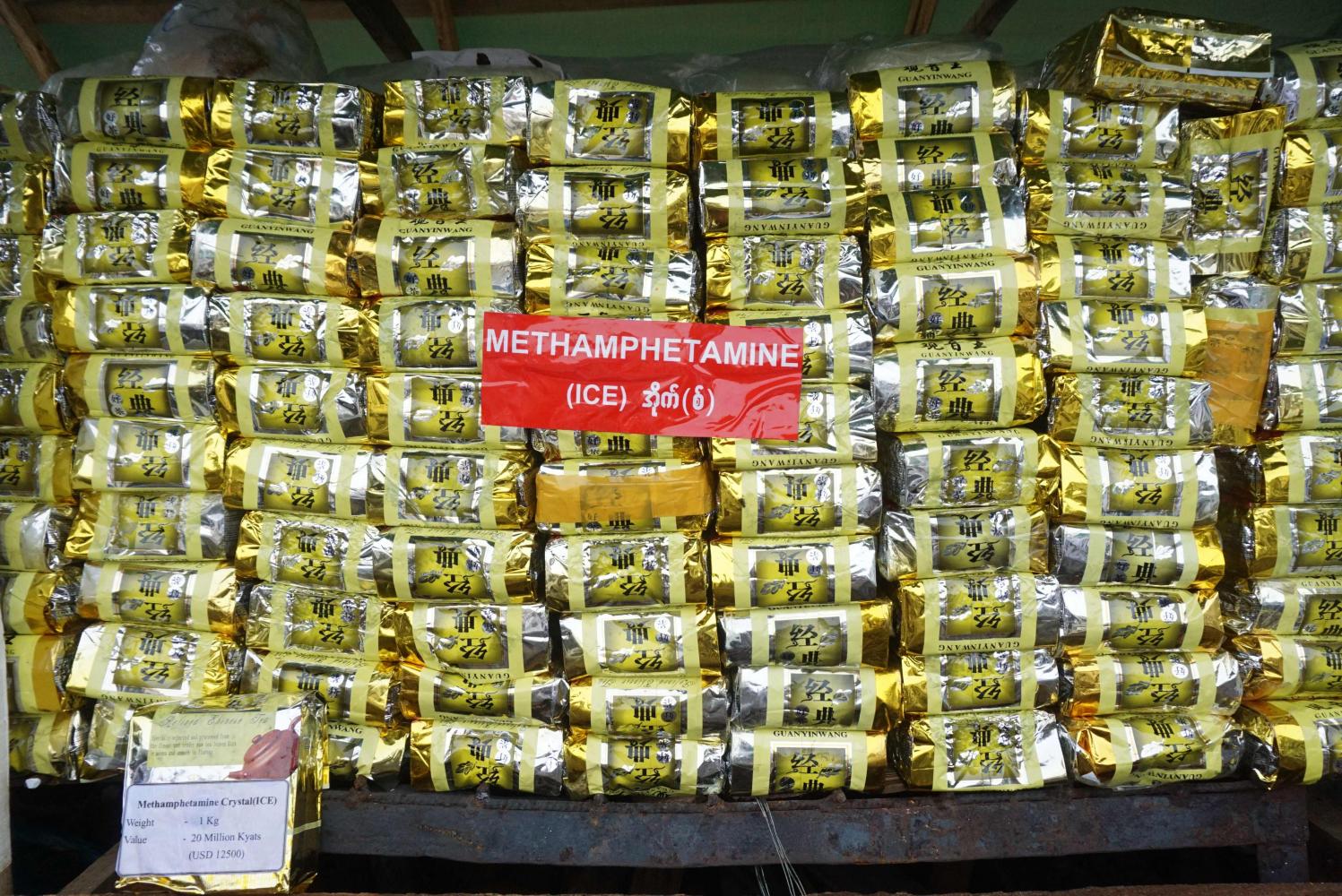
» Asean governments recently met in Singapore for a regional meeting about drugs, where the host nation urged renewed commitment to a "drug-free region". The problem isn't simply the recycling of an outdated mantra first declared in 1998, nor the fact that the region's drug markets have only expanded since then, but that this approach ignores how government policies themselves shape those markets -- and the devastating harms that follow.
1% GDP growth impacts will be severe
Oped, Chartchai Parasuk, Published on 21/08/2025
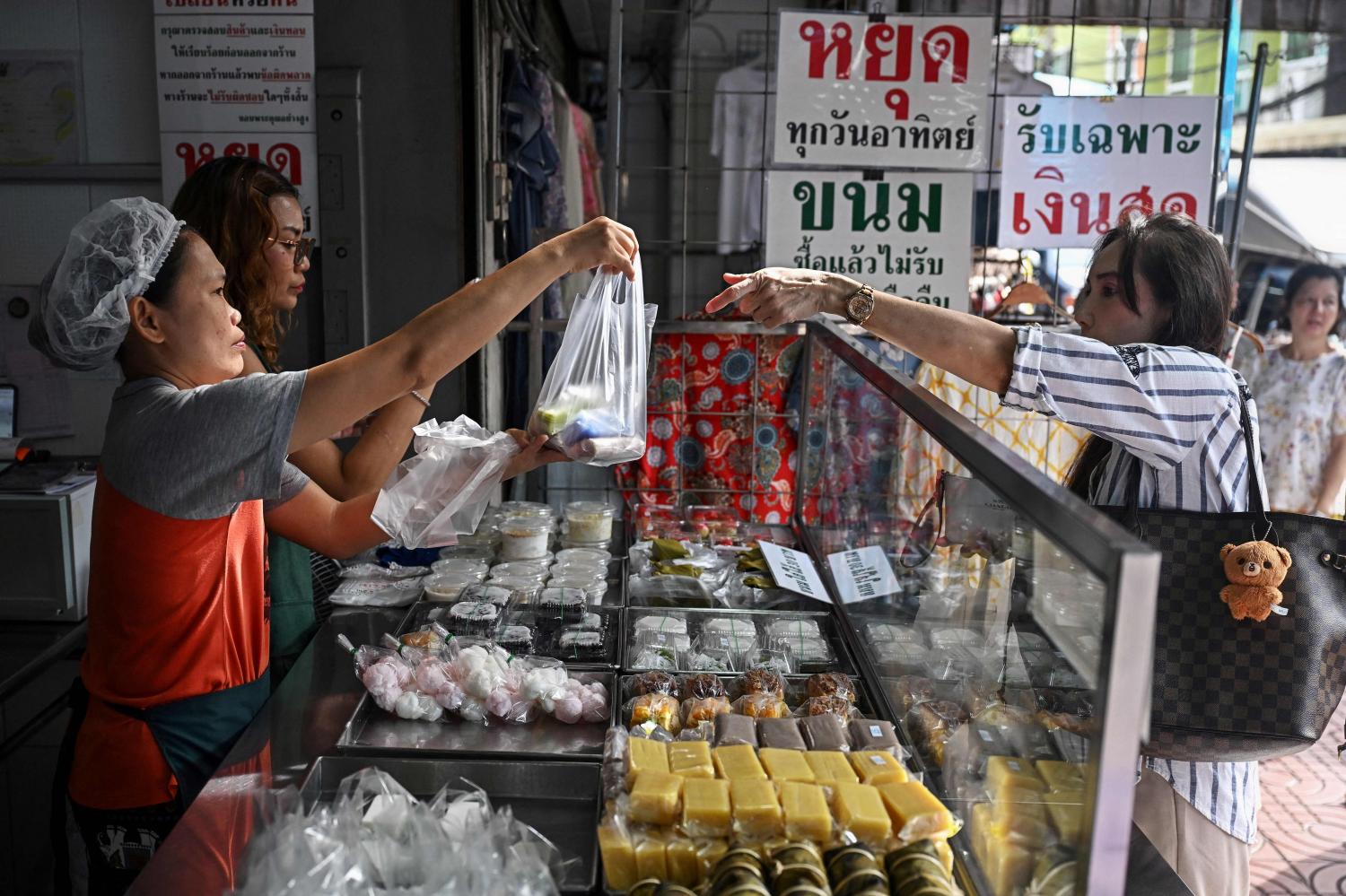
» Where did I get the idea that GDP growth in the second half of 2025 would only be 1.0%? The answer is the government, as the National Economic and Social Development Council (NESDC) told me so.
Trump's deals are weakening the rule of law
News, Richard K Sherwin, Published on 09/08/2025
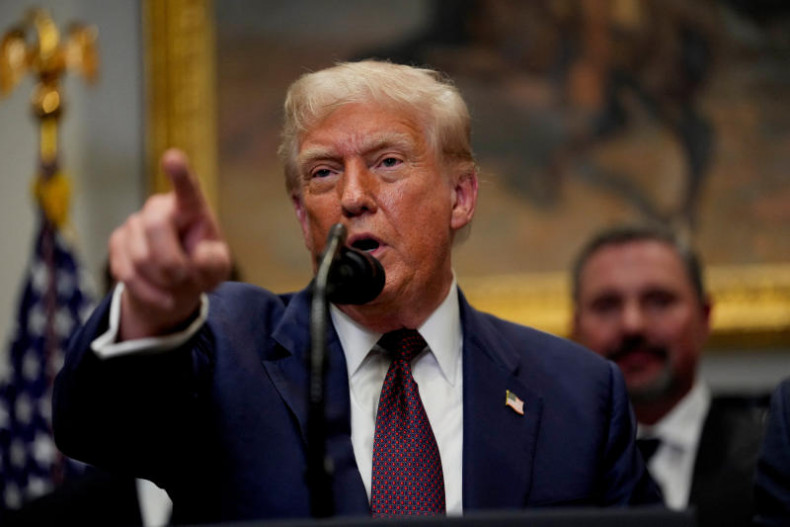
» European Union trade commissioner Maros Sefcovic described the recent US-EU trade agreement in unvarnished terms. Agreeing to a 15% tariff on most exports to the United States and promising to purchase $750 billion (24 trillion baht) worth of American energy over three years and to invest another $600 billion in the US (not including an unspecified amount in additional orders of US-made military hardware) was "clearly the best deal we could get."

Holidays take toll
Postbag, Published on 02/08/2025
» Re: "Thailand still has chance to shine", (Opinion, July 31).

The climate challenge as a development opportunity
Oped, Navroz K Dubash, Published on 06/06/2025
» When climate change is framed as a global problem requiring collective regulation of greenhouse-gas emissions, developing-country governments see little reason to prioritise the issue over others. After all, the rich, industrialised countries who contributed disproportionately to the problem are themselves backing away from decarbonisation and climate-finance commitments, while low-income countries bear the brunt of the costs of climate change. Decision-makers in developing countries understandably conclude it may be more rational to hunker down and focus on climate resilience rather than emissions reductions.

Asean builds trust in digital future
Oped, Satvinder Singh & Thomas Beloe, Published on 26/05/2025
» As Asean jockeys to be at the heart of the modern digital economy, fostering trust is key to reaping the benefits of growing digitalisation and further empowering the vulnerable segments of the population.

Asean countries are facing their own 'China shock'
News, Manishi Raychaudhuri, Published on 20/05/2025
» As the United States and Europe have sought to loosen their economic ties with China in recent years, Beijing has focused on expanding its export markets across the "Global South", particularly in Southeast Asia. But this could create significant economic risks as the region's manufacturers struggle to compete. Regardless of the contours of any eventual US-China trade deal, Beijing's exports to America seem destined to continue falling, as do those to the European Union. The bloc has been seeking to "de-risk" from Chinese imports and supply chains, particularly when it comes to electric vehicles, batteries and solar power equipment.