



Showing 1 - 10 of 23

Navigating between global superpowers
News, Vitit Muntarbhorn, Published on 14/02/2026
» Both China and the US issued new national security policies over the past year. At first glance, they seem to diverge markedly, portending a deep rupture in the world order. Yet, they may also bear some similarities in terms of self-interest and self-advancement. Collateral to that, other countries seeking to forge a middle path may wish to navigate a perspicacious route towards global equilibrium.
Re-energising higher education in Asean
News, Vitit Muntarbhorn, Published on 22/12/2025
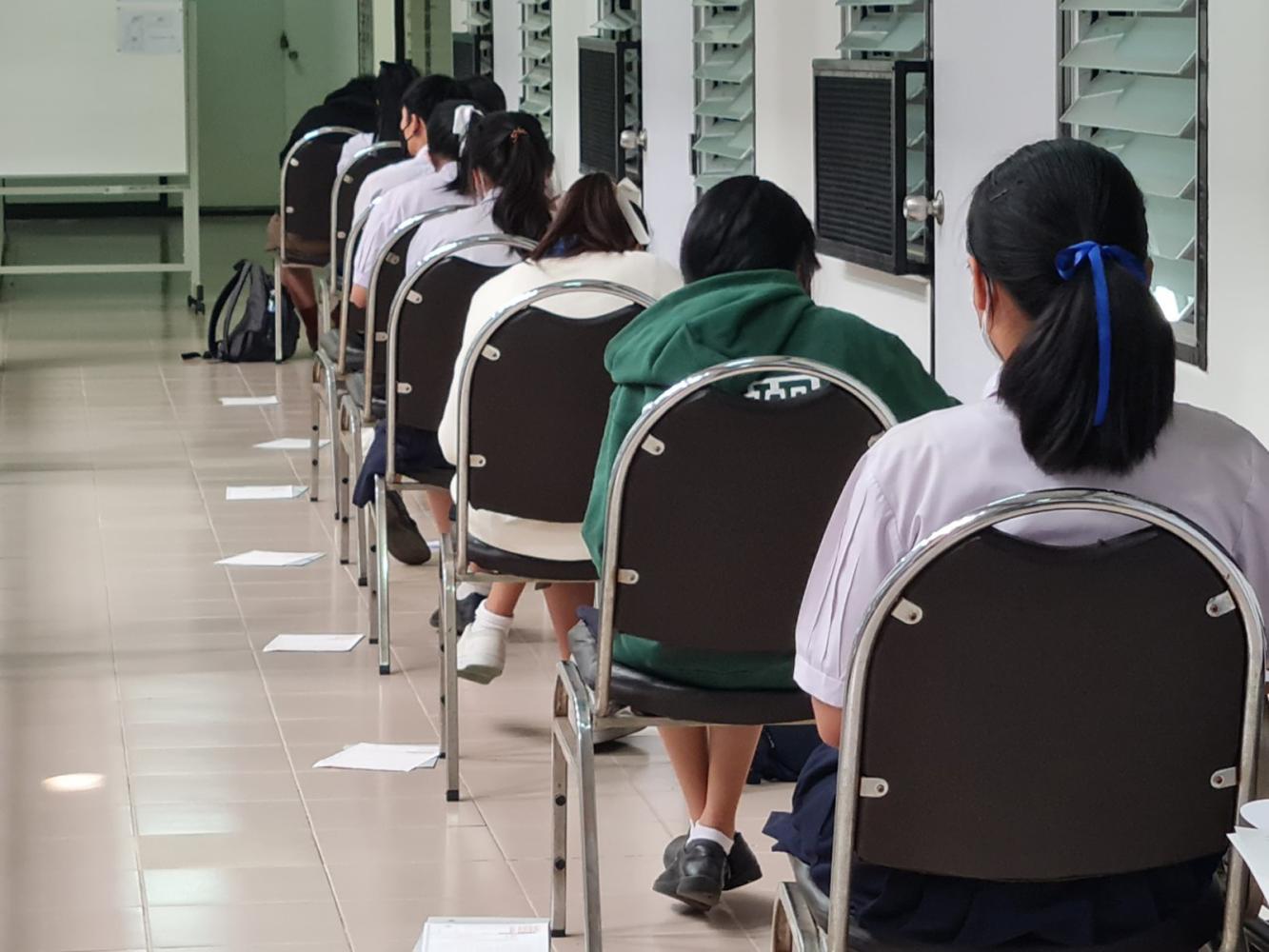
» Higher education, implying the tertiary level associated with universities and parallel institutions, is at an inflexion point in Southeast Asia, where the trajectory of socio-political, economic and cultural development is changing rapidly.

Introducing the new cybercrime treaty
News, Vitit Muntarbhorn, Published on 27/09/2025
» Next month, a key Asean nation will host a raft of countries for the signing ceremony for a new cybercrime treaty. Its full (and rather wordy) title is: the "United Nations Convention against Cybercrime; Strengthening International Cooperation for Combating Certain Crimes Committed by Means of Information and Communications Technology Systems and for the Sharing of Evidence in Electronic Form of Serious Crimes".

Sustaining healthcare in volatile times
Oped, Vitit Muntarbhorn, Published on 18/08/2025
» Health care is pivotal for human well-being. Yet in today's precarious world, it is pressured by diminishing resources, demographic variables, warfare and violence, and environmental degradation. Sustaining health care thus requires insightful planning and implementation, no less for Thailand and the Association of Southeast Asian Nations (Asean) regions.
Labour and the dynamics of change
Oped, Vitit Muntarbhorn, Published on 25/07/2025
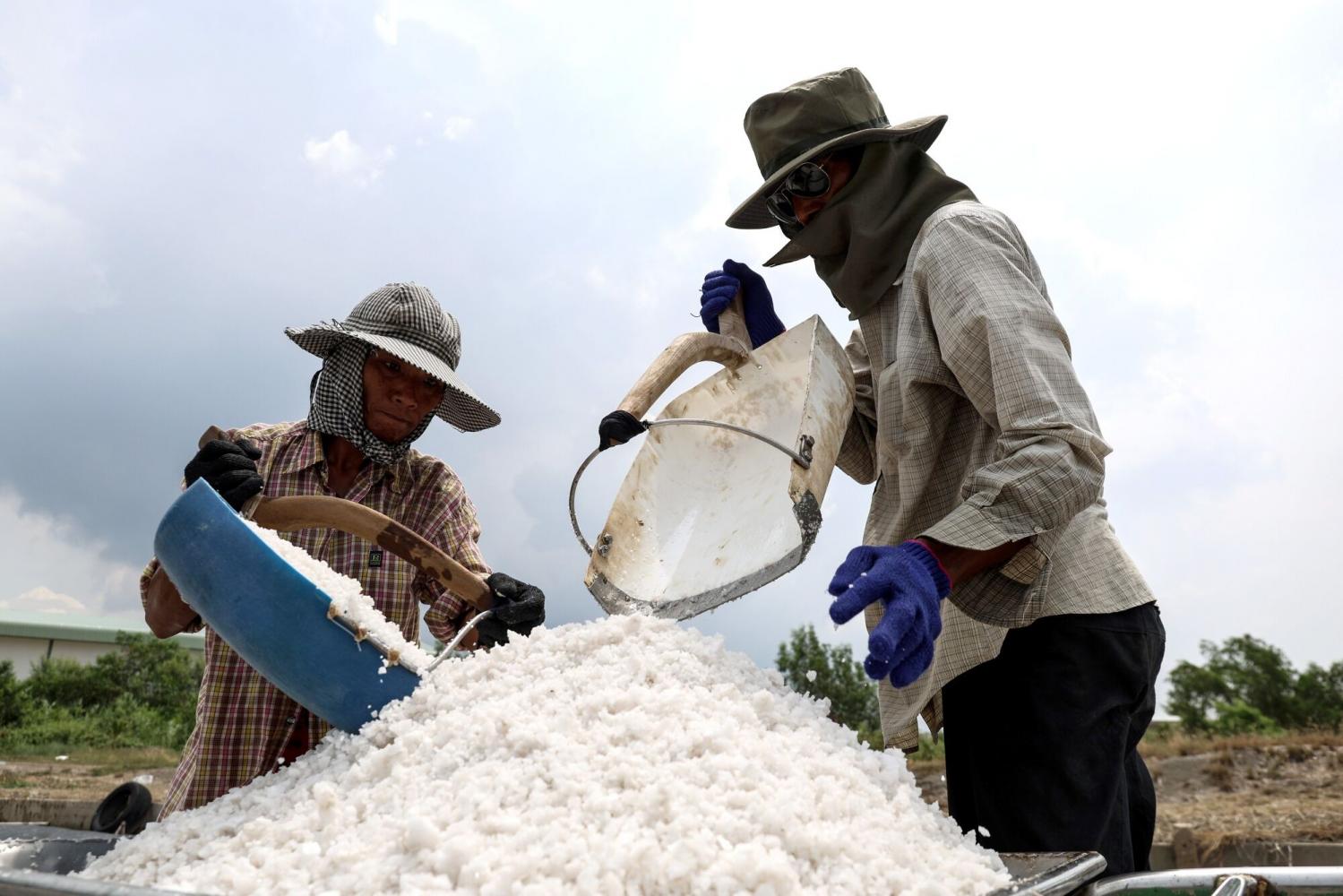
» The fluctuating international context compels countries in this region and beyond to recalibrate their labour laws, policies and practices. This is particularly critical at a time of great demographic changes, such as declining and ageing population in parts of the globe, compromised by a more transactional and conditional world of "quid pro quo". Thailand faces an inflection point on this front, requiring dynamic adjustments.

Protecting children in the age of AI
Oped, Vitit Muntarbhorn, Published on 01/03/2025
» The age of Artificial Intelligence (AI) is very much here. The term "generative AI" is now commonplace, with the public fascinated with how AI can actively produce content such as written and audio creations. In fact, the world is moving towards Artificial General Intelligence (AGI), whereby robots will be able to match and even outdo human intelligence. Aptly, its relationship with children (under 18 years) invites reflection and precaution.

Reconfiguring Asean rights declaration
News, Vitit Muntarbhorn, Published on 13/12/2024
» It has been 12 years since the Asean Human Rights Declaration (AHRD) was adopted in 2012 by the 10-member regional grouping, the Association of Southeast Asian Nations, embodying the key standards of human rights for the Southeast Asian region. How has it fared after all these years?

Labour rights in a mutating world
News, Vitit Muntarbhorn, Published on 02/12/2024
» The world of work is undergoing significant changes amidst risks in a precarious setting. The poly-crisis surrounding the workplace ranges from health risks from global warming and climate change to political constraints and demographic changes with an ageing population in several parts of the world. The challenge is thus to respond with more preparedness in the life cycle of existence, where work is a major contributor to not only human livelihood but also self-esteem, a sense of purpose and a sense of belonging. In particular, the following issues thus deserve greater attention.

China's interface with AI development
News, Vitit Muntarbhorn, Published on 21/10/2024
» With intense competition between the superpowers on the development of and interface with artificial intelligence (AI), does China favour some commitments which can converge with other countries?

Reimagining human rights and China?
News, Vitit Muntarbhorn, Published on 23/09/2024
» Should human rights be reimagined, especially in the context of China? From one angle, the answer is obvious. Plenty of norms are already agreed upon globally without the need for reimagination, and China is part of that universality. Yet given the situation on the ground level and the evolving nature of human rights, there might be room for some innovative reimagination, and this deserves balanced reflection.