



Showing 1 - 10 of 13
How to help the world's poor most effectively
News, Bjorn Lomborg, Published on 22/12/2025
» As 2025 draws to a close, it's natural to turn our thoughts to the good we can do in the coming year -- not just for our families and communities, but for the world at large. The holidays are a moment not just for personal resolutions but for asking a bigger question: how can we help the world's poor as effectively as possible?
Climate hysteria in the media has really got to stop
News, Bjorn Lomborg, Published on 14/10/2025
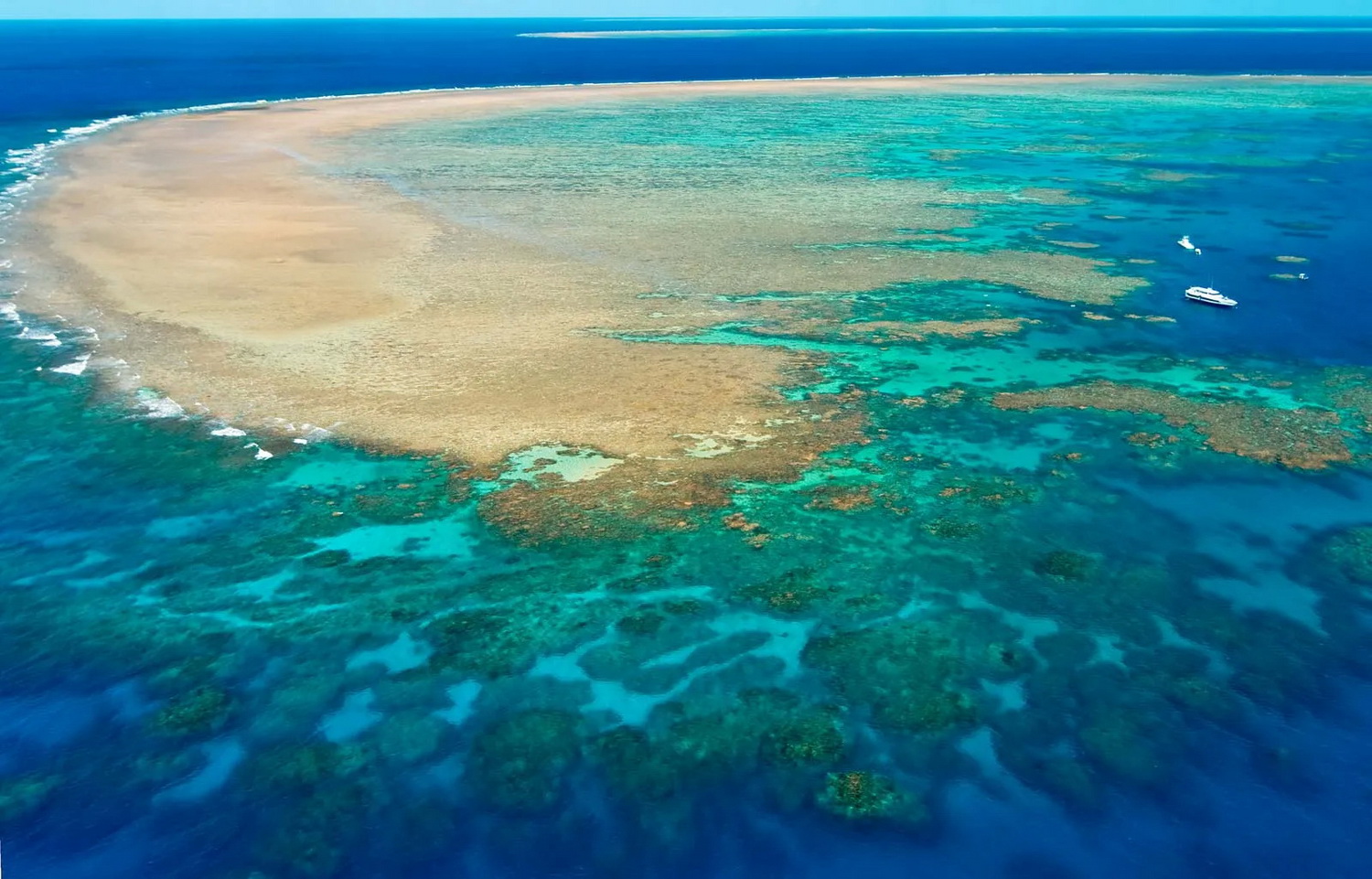
» Reading the news, you would believe that the Great Barrier Reef -- the aquatic wonder off Australia's coast -- is on its deathbed, bleached beyond recognition by climate change. Recent headlines shouted in unison: "Great Barrier Reef suffers worst coral decline on record." Environmental journalists are in panic mode about irreversible damage. This is advocacy campaigning, not impartial reporting.

Thailand should chart its own path on climate
News, Bjorn Lomborg, Published on 14/06/2025
» In recent years, climate anxiety has taken over many Western governments and most international organisations. The result has been ruinous policies that help little but undermine future prosperity needed to deal with a host of other problems. Fortunately, Thailand can avoid repeating these mistakes.

Green energy has become a pricey delusion
Oped, Bjorn Lomborg, Published on 13/05/2025
» Ask families in Germany and the UK what happens when more and more supposedly cheap solar and wind power is added to the national power mix, and they can tell you by looking at their utility bills: it gets far more expensive. This goes against everything that we're being told. Green energy is supposed to be incredibly cheap. But we're not hearing the real story.
Pricey policies to curb climate change 'dead'
Oped, Bjorn Lomborg, Published on 28/11/2024
» The latest climate summit has been as hypocritical and dysfunctional as every one before, with most world leaders not even bothering to turn up. Still, 50,000 people flew in from across the world, while essentially telling the rest of us to stop flying. Poor-country politicians performatively staged a "walk-out", and rich nations ended up promising a climate slush fund of US$300 billion (about 10 trillion baht) a year.

The education policy that can bridge the gap
Oped, Bjorn Lomborg, Published on 11/10/2024
» Children's educational test scores are a major cause for concern across the world. Learning plummeted nearly everywhere during the Covid-19 pandemic -- but even before that, standardised test result measures in mathematics, science and reading were heading in the wrong direction.

Why solar and wind are not winning
Oped, Bjorn Lomborg, Published on 20/04/2024
» Despite us constantly being told that solar and wind are now the cheapest forms of electricity, governments around the world needed to spend US$1.8 trillion (66.3 trillion baht) on the green transition last year. "Wind and solar are already significantly cheaper than coal and oil" is how US President Joe Biden conveniently justifies spending hundreds of billions of dollars on green subsidies. Indeed, arguing that wind and solar is cheapest is a meme employed by green lobbyists, activists and politicians around the world. Unfortunately, as the $1.8 trillion price-tag shows, the claim is wildly deceptive.

COP28 won't admit real cost of net zero
News, Bjorn Lomborg, Published on 06/12/2023
» The spectacle of another annual climate conference is getting underway in Dubai. Like Kabuki theater, performative set pieces lead from one to the other: politicians and celebrities arrive by private jets; speakers predict imminent doom; hectoring NGOs cast blame; political negotiations become fraught and inevitably go overtime; and finally: the signing of a new agreement that participants hope and pretend will make a difference.

Development goals need to be prioritised
Oped, Bjorn Lomborg, Published on 20/09/2023
» The world is failing on its development promises. These are known as the Sustainable Development Goals (SDGs), agreed by all governments in 2015 to be achieved by 2030. Progress across all these promises -- including in areas as important as eradicating poverty and ending hunger -- is happening at less than one-fourth of the pledged speed. On current trends, the world will reach its 2030 promises half a century late.

Why malaria still persists in much of Africa
News, Bjorn Lomborg, Published on 12/06/2023
» We think of malaria as a problem faced only by humid, hot countries. But just over a century ago, the disease thrived as far north as Siberia and the Arctic Circle, and was endemic in 36 states of the US. We don't have specific data that far back for Thailand, but back then, malaria is estimated to have killed 2.5 million people each year in the Western Pacific, Middle East and South Asia.