



Showing 1 - 10 of 176

Piyabutr’s farewell post could have been an email
Vanich Kittichai, Published on 07/03/2026
» A frustrating but inescapable part of leading change is the need to maintain an image of complete assuredness and confidence. Even when facing external or internal friction, an agent of revolution can never really let on that they harbour any doubt or dissatisfaction. It is those moments of uncertainty that allow proponents of the status quo to delegitimise the entire movement.

A new look at history education
Editorial, Published on 22/02/2026
» As the Election Commission has yet to endorse the outcome of the national election, the caretaking and presumptive Prime Minister Anutin Charnvirakul is actively presenting his vision and policies. His latest proposal involves revamping the teaching of national history.

Three main parties and two directions
Oped, Thitinan Pongsudhirak, Published on 16/01/2026
» Although Thailand's election campaign is reaching fever pitch ahead of voting day on Feb 8, the dynamics and contours of its final outcome can be gleaned from past polls over the last 25 years. Only once in January 2001, as was indicated in this space last week, were voter results fully honoured and carried out. Other elections were either upended by military coups or manipulated by judicial interventions.

Democracy in doubt
Postbag, Published on 23/12/2025
» Re: "BJT builds poll momentum as rivals falter", & "Pheu Thai calls on EC for fair election", (BP, Dec 21).
Artists resist repression in Thailand, US
Oped, Sally Tyler, Published on 08/12/2025
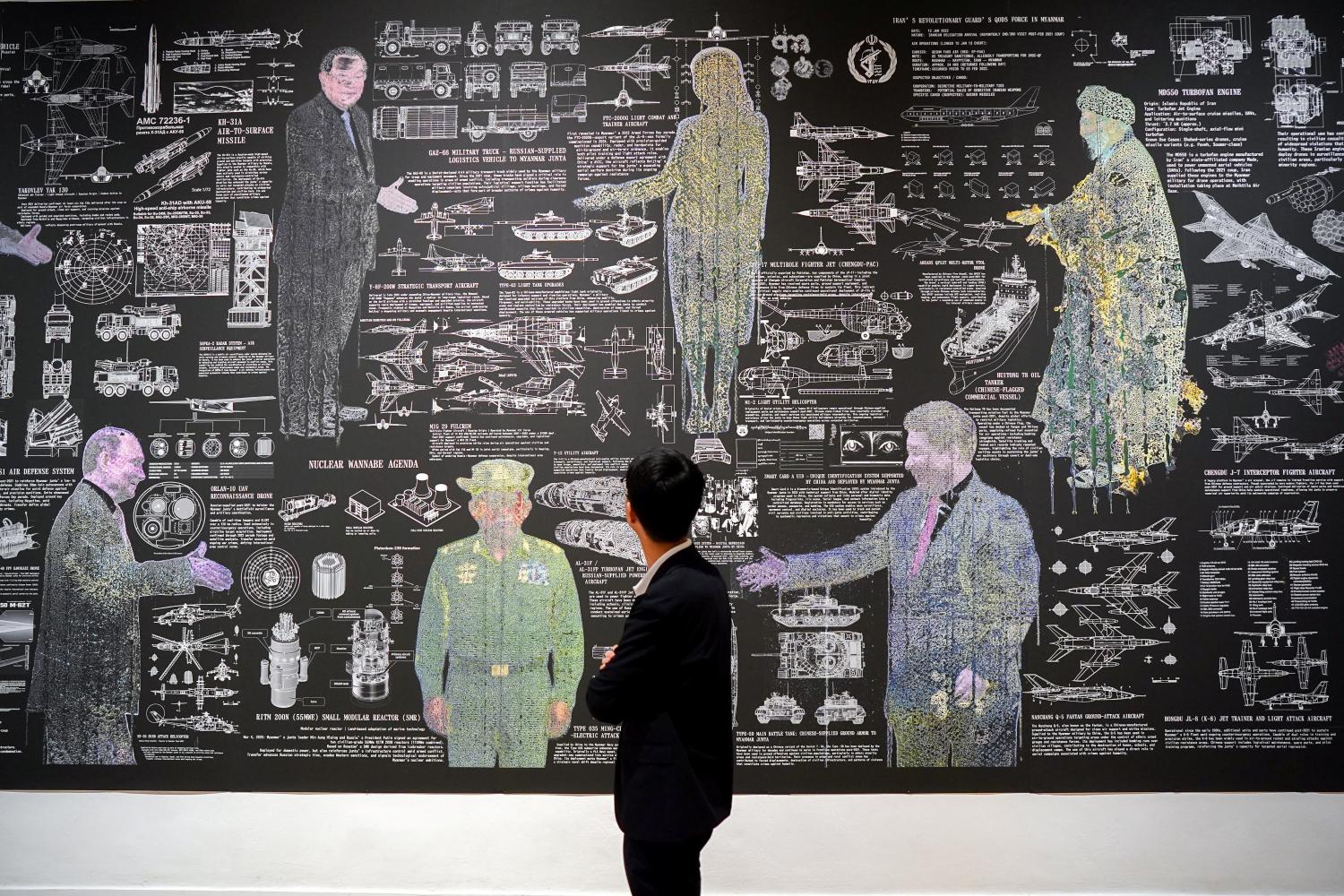
» In late August, two seemingly unrelated events occurred in Thailand and the US. The Bangkok Art and Culture Centre (BACC) altered a major exhibit it had recently opened and, a few weeks later, the comedian Jimmy Kimmel was temporarily taken off the air by the ABC television network. These events are linked as forms of artistic repression and perhaps more concerning, as examples of the growing use of intermediary censorship by authoritarian regimes.

No special species
Oped, Postbag, Published on 29/11/2025
» Re: "Jakarta dog meat ban sparks debate", (World, Nov 27). Yes, if an animal is infected with rabies or any other disease, it is probably better not to eat its meat, however tasty, albeit recognising that the starving might reasonably have different priorities. This is true whether the animal is a dog, a cow, a cat, a pig, a chicken, or another of our animal relatives.

Where's the data?
Oped, Postbag, Published on 27/11/2025
» Re: "Partnering up for a resilient future", (Opinion, Nov 20). My social media feeds have been overflowing with desperate reels from the recent mega-flooding. And amid all this chaos, one question hangs heavily in the air: Where is the government? And more importantly, even if it wanted to respond, how would it know where help is needed?
Rising heat needs urgent response
Oped, Armida Salsiah Alisjahbana, Published on 24/11/2025
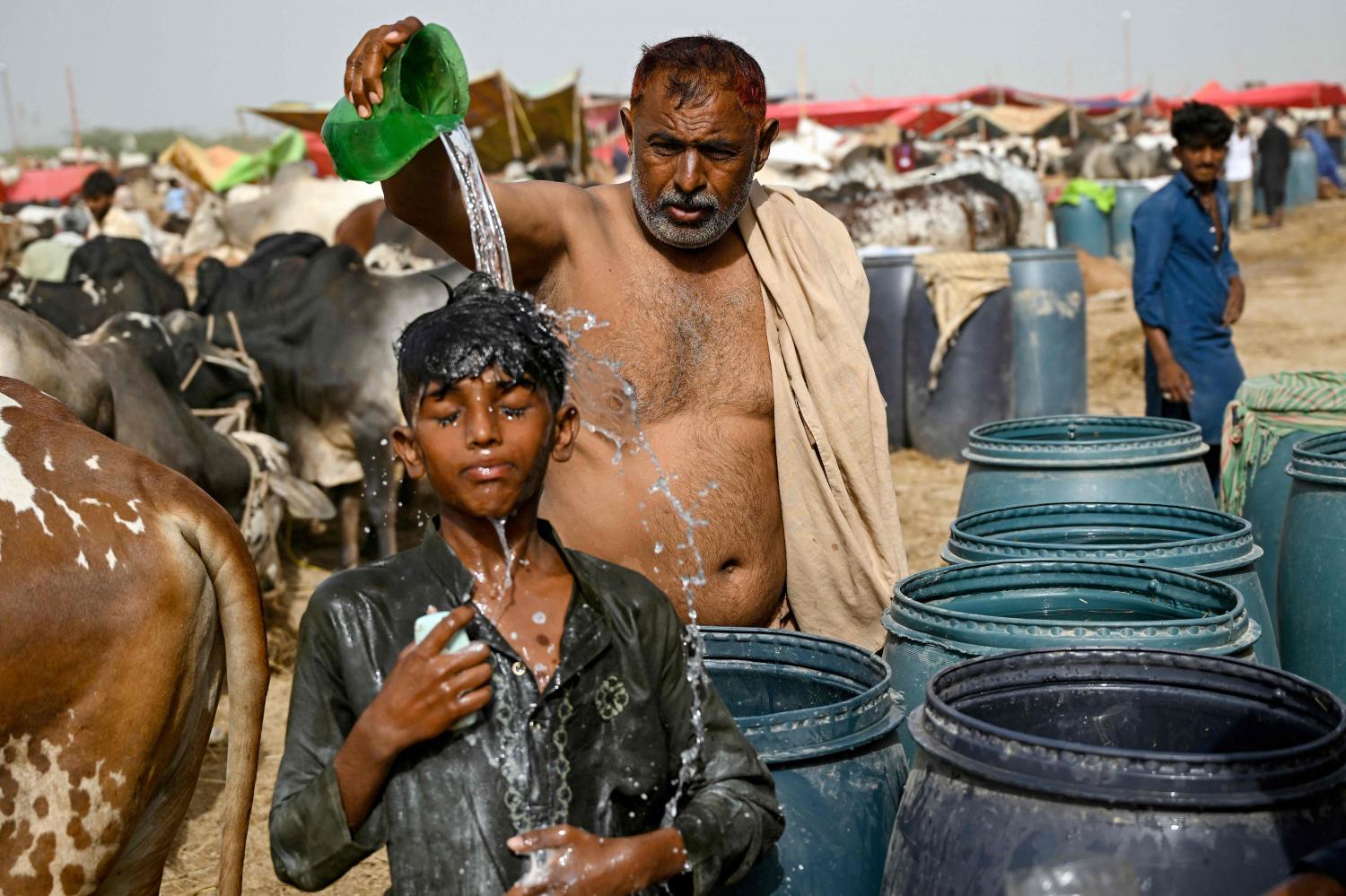
» 2024 was the hottest on record globally. In Asia and the Pacific, Bangladesh was the worst-hit country, with about 33 million people affected by lower crop yields that destabilised food systems, along with extensive school closures and many cases of heatstroke and related diseases. Children, the elderly and low-wage earners in poor and densely populated urban areas suffered the most, as they generally had less access to cooling systems or to water supplies and adequate healthcare. India, too, was badly affected, with around 700 heat-related deaths mostly in informal settlements.
'Scam-gate' deserves full accounting
Oped, Thitinan Pongsudhirak, Published on 24/10/2025
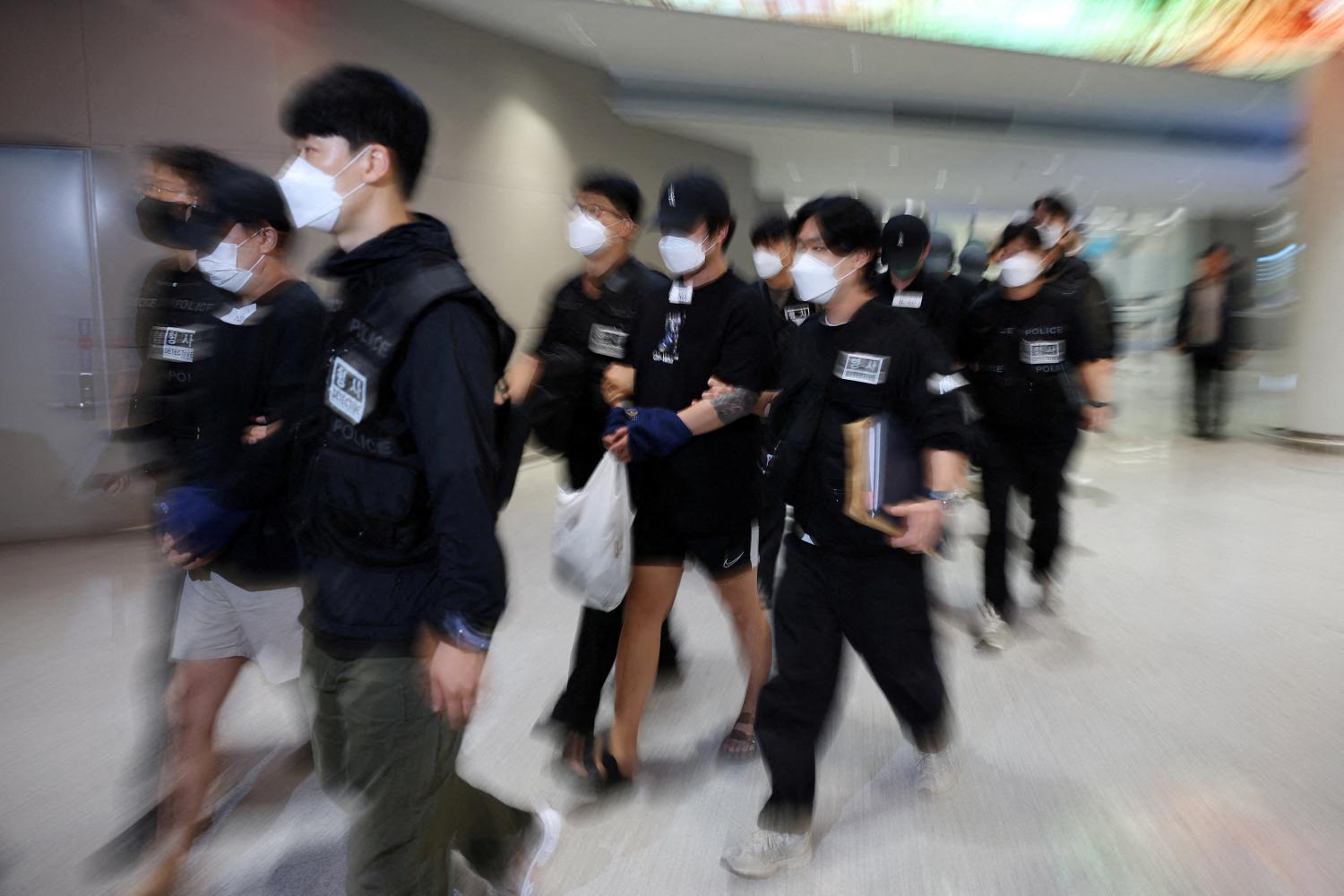
» The explosive revelations and allegations of regional cybercrimes and scam networks have hit Thailand head-on and placed the government of Prime Minister Anutin Charnvirakul in an awkward and defensive position. As more facts surrounding what looks like a labyrinthine cross-border multibillion-dollar transnational criminal ring come to light, more questions have surfaced with no clear answers. The Anutin government needs to come clean and avoid a "scam-gate" of cover-ups and lies at the expense of countless scammed victims across many countries.
Myanmar's fragile pursuit of peace
Oped, Pisanu Suvanajata, Published on 23/10/2025
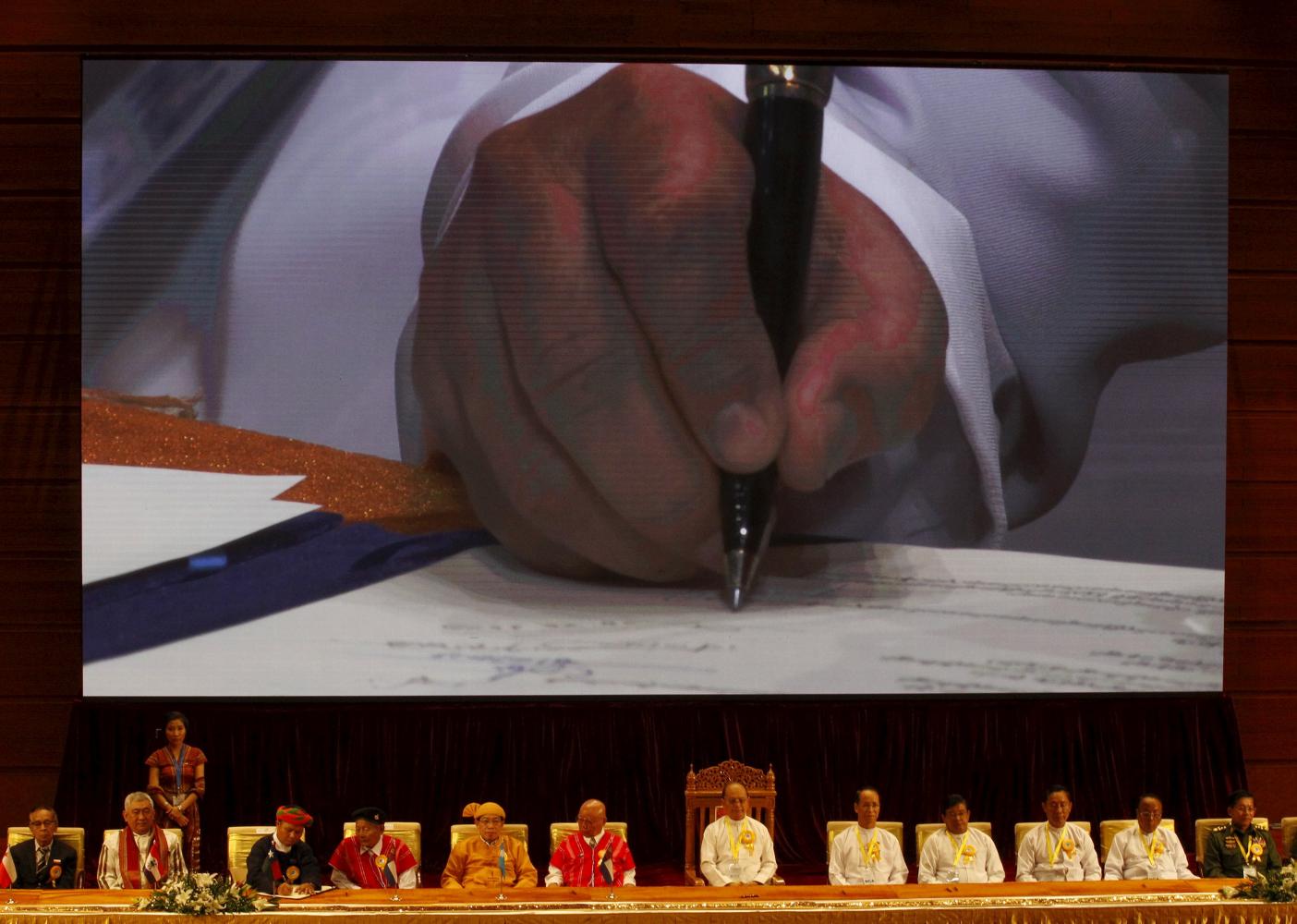
» A decade ago, Myanmar reached what many viewed as a historic milestone on Oct 15, 2015. The signing of the Nationwide Ceasefire Agreement (NCA) between the government and several ethnic armed organisations (EAOs) brought renewed hope. After more than seven decades of internal conflict, the country seemed to be stepping towards a peaceful and inclusive future.