



Showing 1 - 10 of 987

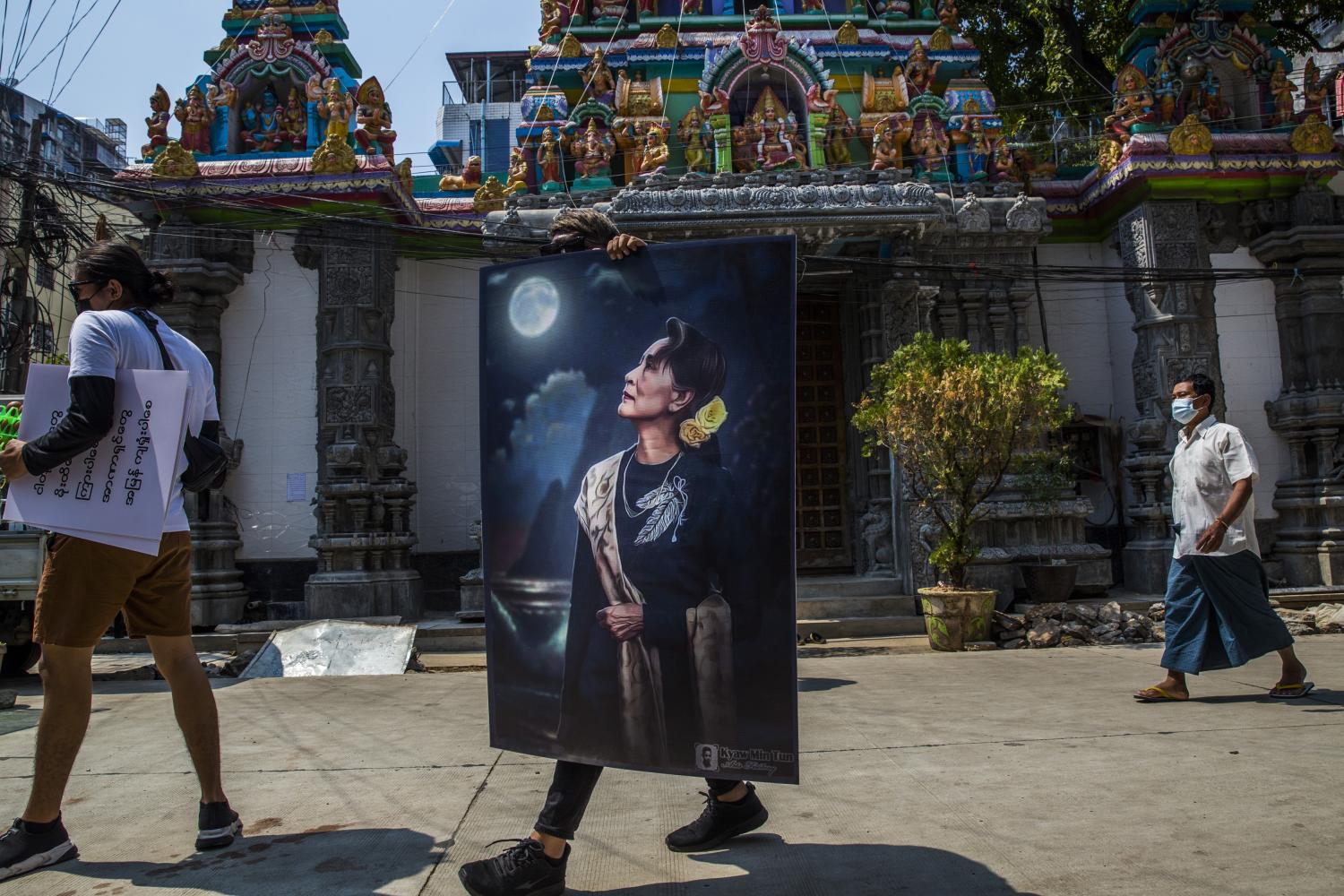
Suu Kyi, media bias and morality
News, Fergus Harlow, Published on 11/04/2026
» History rarely collapses in an instant; more often, it is quietly rewritten until reality itself feels negotiable. In the years leading up to Myanmar's 2021 coup, a story took shape in the international imagination -- one that cast Aung San Suu Kyi not as a constrained civilian leader navigating a military-dominated state, but as a symbol of moral failure.
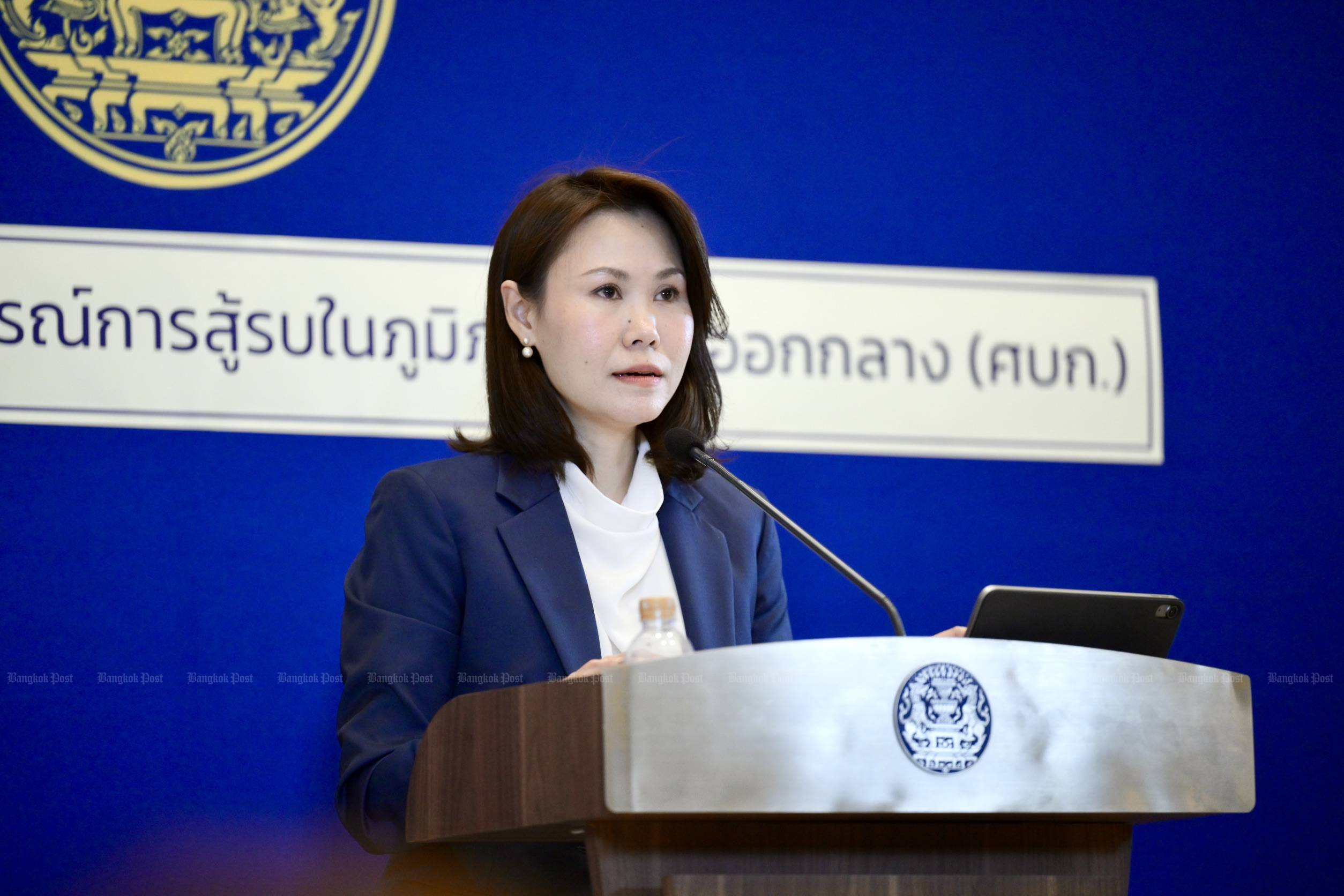
No, this is not a New Normal
Vanich Kittichai, Published on 04/04/2026
» “This is the New Normal” is how spokesperson for the Centre for Monitoring the Situation in the Middle East, Nuttaa Mahattana, has characterised Thailand’s current struggle with soaring fuel and commodities prices triggered by the war in the Middle East.
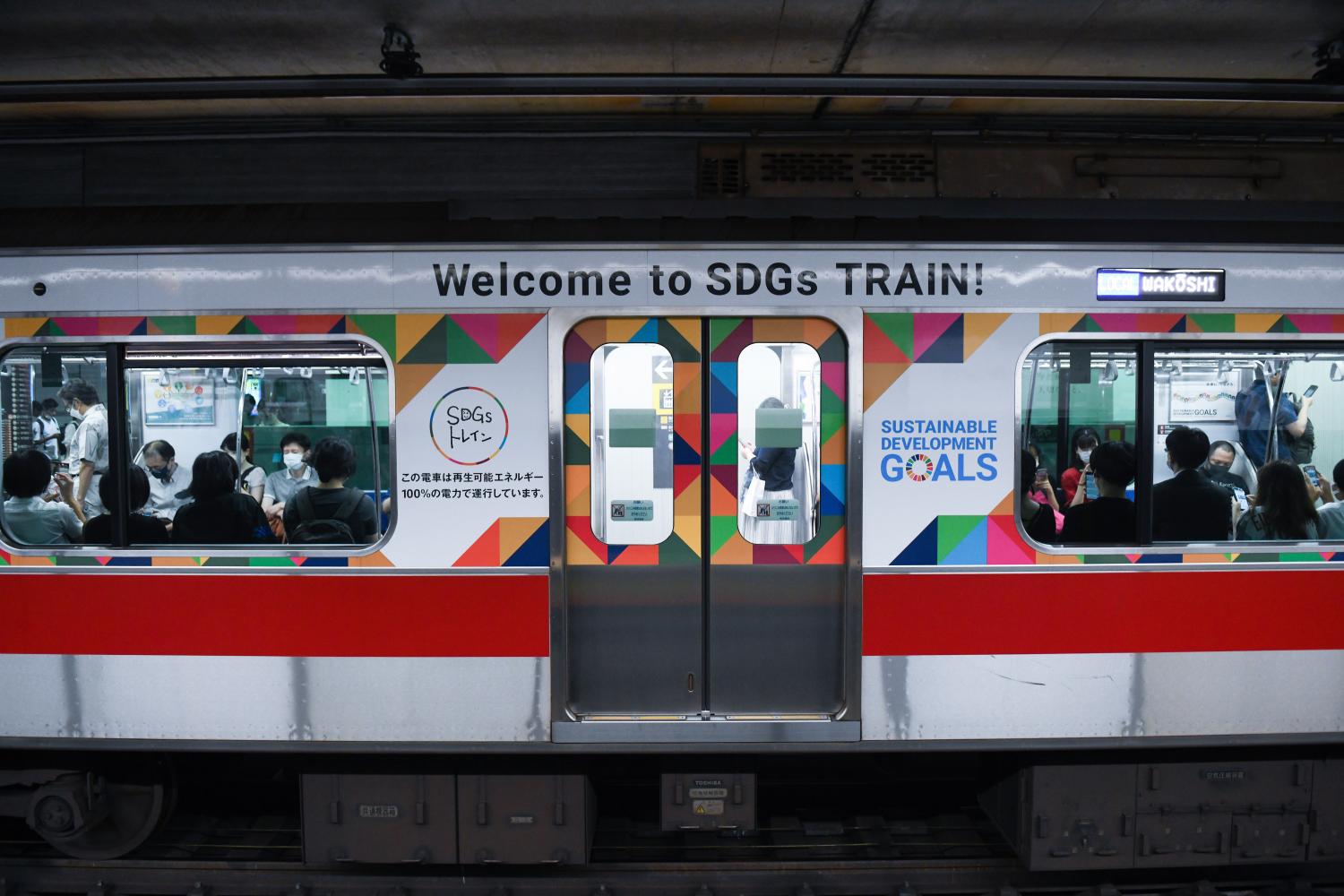
Where are we in terms of SDGs?
Oped, Evgeny Tomikhin, Published on 03/04/2026
» As 2026 began, the United Nations Commission for Asia and the Pacific (Unescap) headquarters reopened its doors for the annual Asia-Pacific Forum for Sustainable Development (APFSD).
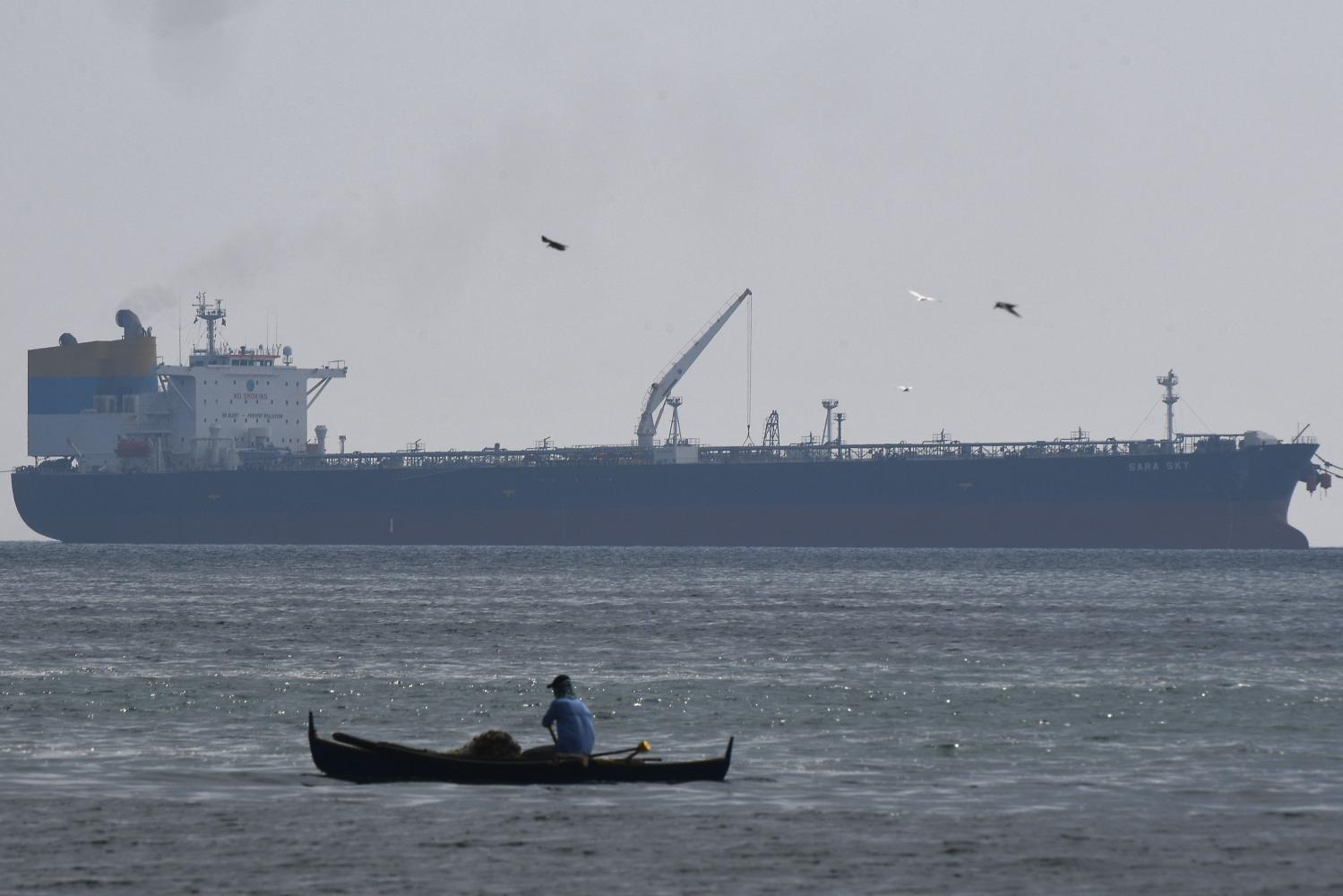
Russia is winning the Iran War
Oped, Chris Patten, Published on 02/04/2026
» While the rationale for US President Donald Trump's Iran war is difficult to decipher, its main beneficiary is far easier to identify: Russian President Vladimir Putin.
Urgent push for fair climate finance
Oped, Sarinee Achavanuntakul, Published on 01/04/2026
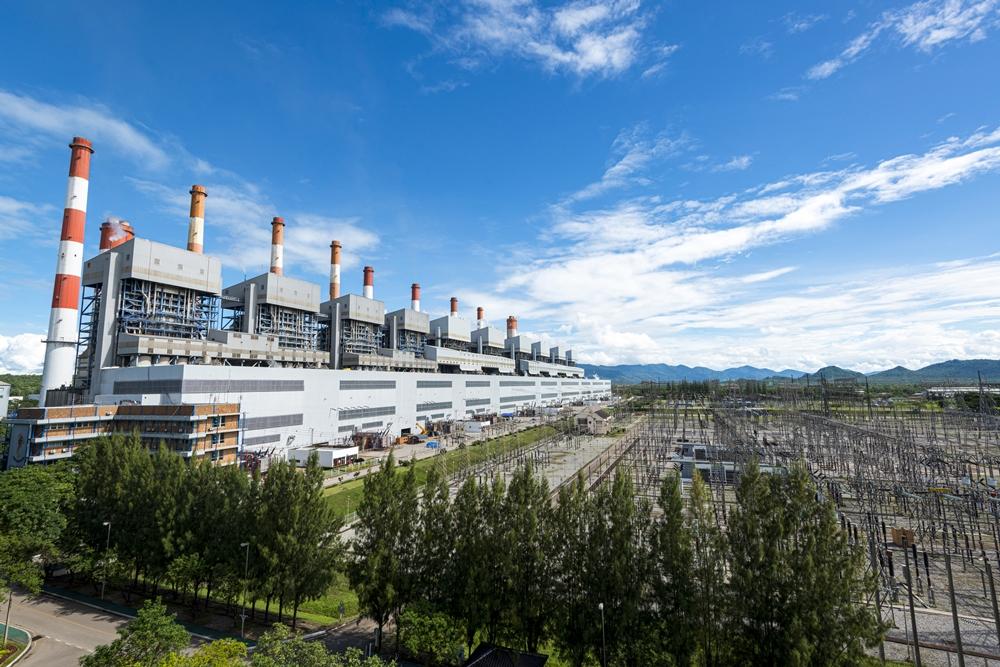
» Ever more visible, the various impacts from climate change are eroding both Thailand's economic competitiveness and the livelihoods of its people: season by season, in heat waves that flatten productivity, floods that swallow farmland, and coastal erosion that is slowly reclaiming communities.
The silent engines of Asean realism
Oped, Imran Khalid, Published on 30/03/2026
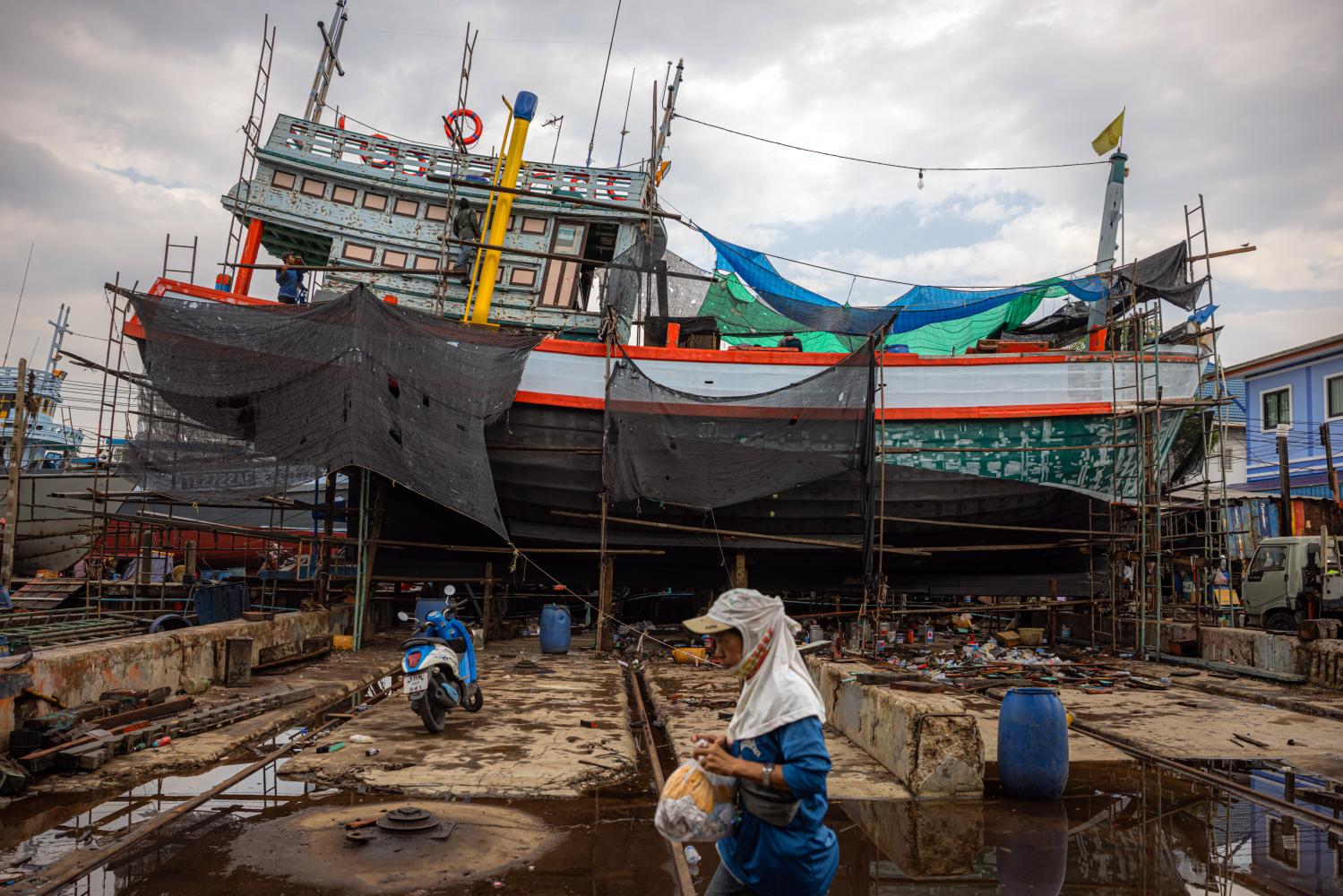
» The global economy is currently tackling what may be the most significant energy disruption since the 1970s. The effective throttling of the Strait of Hormuz -- now seeded with Iranian Maham mines and subject to a tense, IRGC-monitored tolling system -- has physically severed the energy arteries that sustain the industrial heart of Southeast Asia.

Target the young
Postbag, Published on 29/03/2026
» Re: "Population shrinks to 65.8m", (BP, March 26).
Cornered Orban at risk of losing next election
News, Gwynne Dyer, Published on 28/03/2026
» Viktor Orban has not aged well. When I met him in Budapest two months before the Berlin Wall came down in 1989, he was a typical hyper-ambitious student leader. Anybody who has been to university knows the type: fluent, ruthless, perpetually on the look-out for the main chance, and oddly old still to be a student. (He was 26.)
American hegemony is waning
News, Carla Norrlöf is Professor of Political Science at the University of Toronto., Published on 21/03/2026
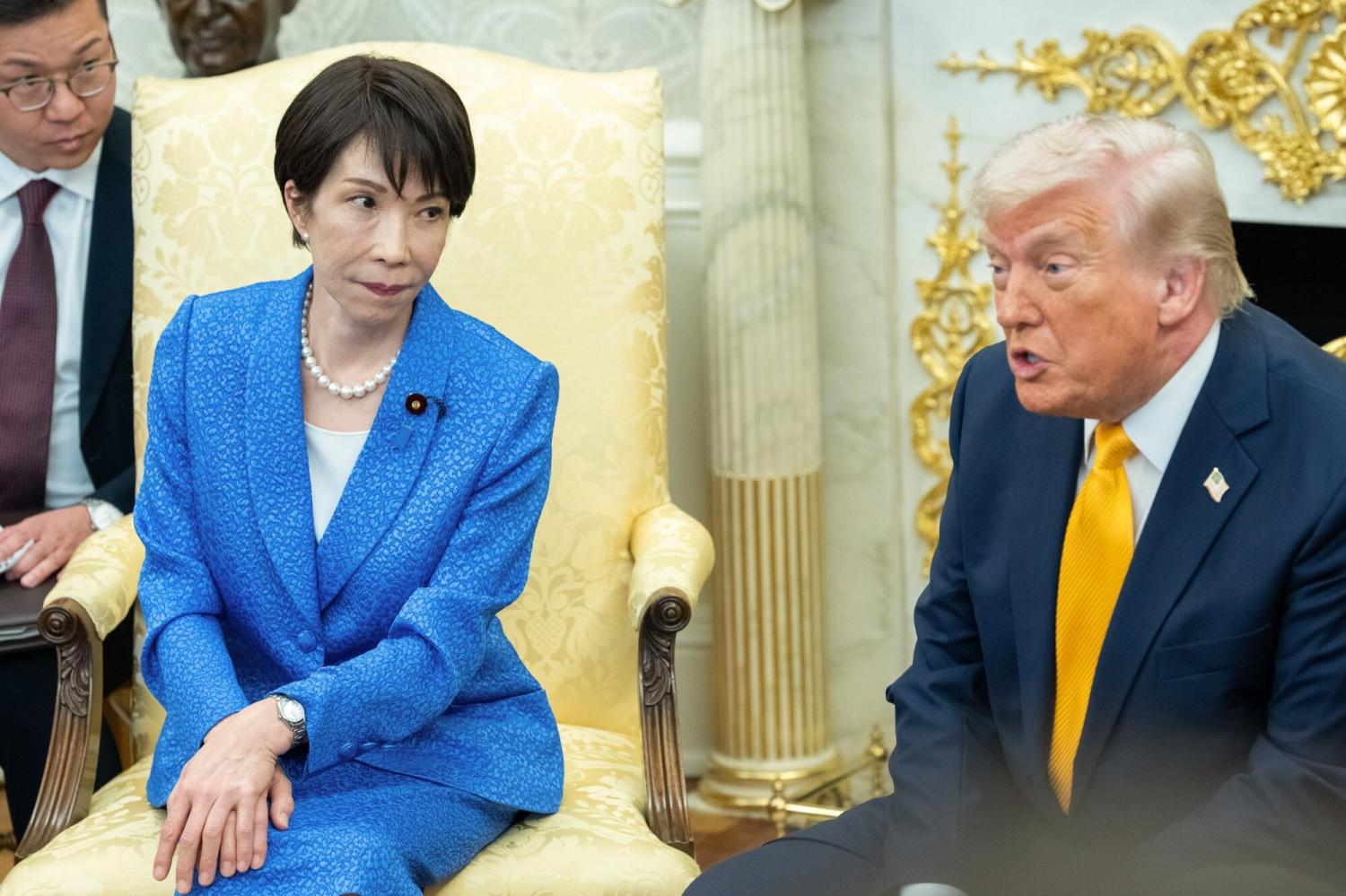
» The messy crisis in the Strait of Hormuz has clarified how power works in the 21st century. It reminds us that the greatest long-term threat to the United States is not China's military buildup or Russian aggression, but the gradual fragmentation of the alliance system that has underwritten its global leadership since World War II.