




Showing 1 - 7 of 7

What's next after same-sex marriage?
Oped, Vitit Muntarbhorn, Published on 20/01/2025
» Jan 23, 2025 will be remembered as a historic day for both Thailand and Southeast Asia. As a result of the amendments to the Thai Civil and Commercial Code -- which will come into effect on that day, 120 days after it was royally endorsed in the final months of 2024 -- same-sex couples will be able to register their marriage, and enjoy the rights of spouses under the law, regardless of their gender, without discrimination.

Legalise surrogacy
Oped, Editorial, Published on 19/04/2023
» The arrest of Navaporn Phakiatsakul -- a Chinese woman of Thai nationality -- has put the spotlight on the issue of illegal surrogacy.
Surrogacy needs care
News, Editorial, Published on 21/02/2022
» Commercial surrogacy in Thailand is illegal. Thai surrogate mothers can only be permitted if they are biologically related to the child.
Ramp up action against NCDs
Oped, Poonam Khetrapal, Published on 24/06/2021
» Amid the Covid-19 response, opportunities to prevent, detect, control and treat noncommunicable diseases (NCDs) must be fully harnessed.
Please do not shoot the messengers
News, Kavi Chongkittavorn, Published on 26/11/2019
» At the 40th Unesco General Conference in Paris last week, a plethora of issues affecting global well-being were discussed. These days big and small members dutifully raise their voices, remarkably demonstrating their national preferences in an uncertain world. One could easily notice that voices from big funders, except Japan, are louder than ever before. As usual, some smaller countries from the Caribbean, the Pacific Islands and Africa were absent from the week-long meetings due to their lack of funds. However, a few surrogate delegates for the members from the Caribbean region, such as St Lucia, Grenadine and others, managed to pitch their views, wanting to make their presence felt -- sometimes causing confusion and prolonged debate.
Why the West should not give up on Cambodia
News, George Yeo, Published on 02/11/2019
» The US and EU are considering withdrawing economic privileges from Cambodia for the way elections were held last year. The ruling party won all parliamentary seats because the opposition had been crippled. Opposition leaders were disqualified and their party dissolved. By western standards, Cambodia's election fell far short of democratic norms and the result was unfair at best, illegitimate at worst. Strangely, however, there was no widespread protest. Instead, there was a palpable sense of relief among ordinary Cambodians when the elections were over.
Restore trust in the election
News, Editorial, Published on 11/12/2018
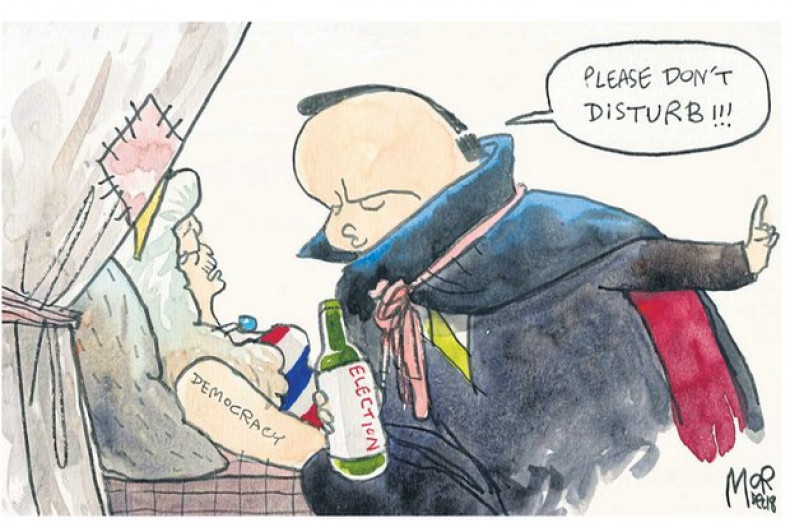
» If Prime Minister Prayut Chan-o-cha and his four surrogate politicians in the cabinet refuse to do the right thing and step down before the election, they must at least stop their stream of orders on how to run the voting process.