




Showing 1 - 10 of 1,281

Tris says war poses downside risks to growth
Business, Nuntawun Polkuamdee, Published on 24/03/2026
» Thailand's economic outlook for 2026 is facing growing downside risks as escalating tensions in the Middle East, particularly disruptions in the Strait of Hormuz, threaten global oil supply and domestic stability, according to Tris Rating.
Energy security now a daunting problem
Business, Nareerat Wiriyapong, Published on 23/03/2026
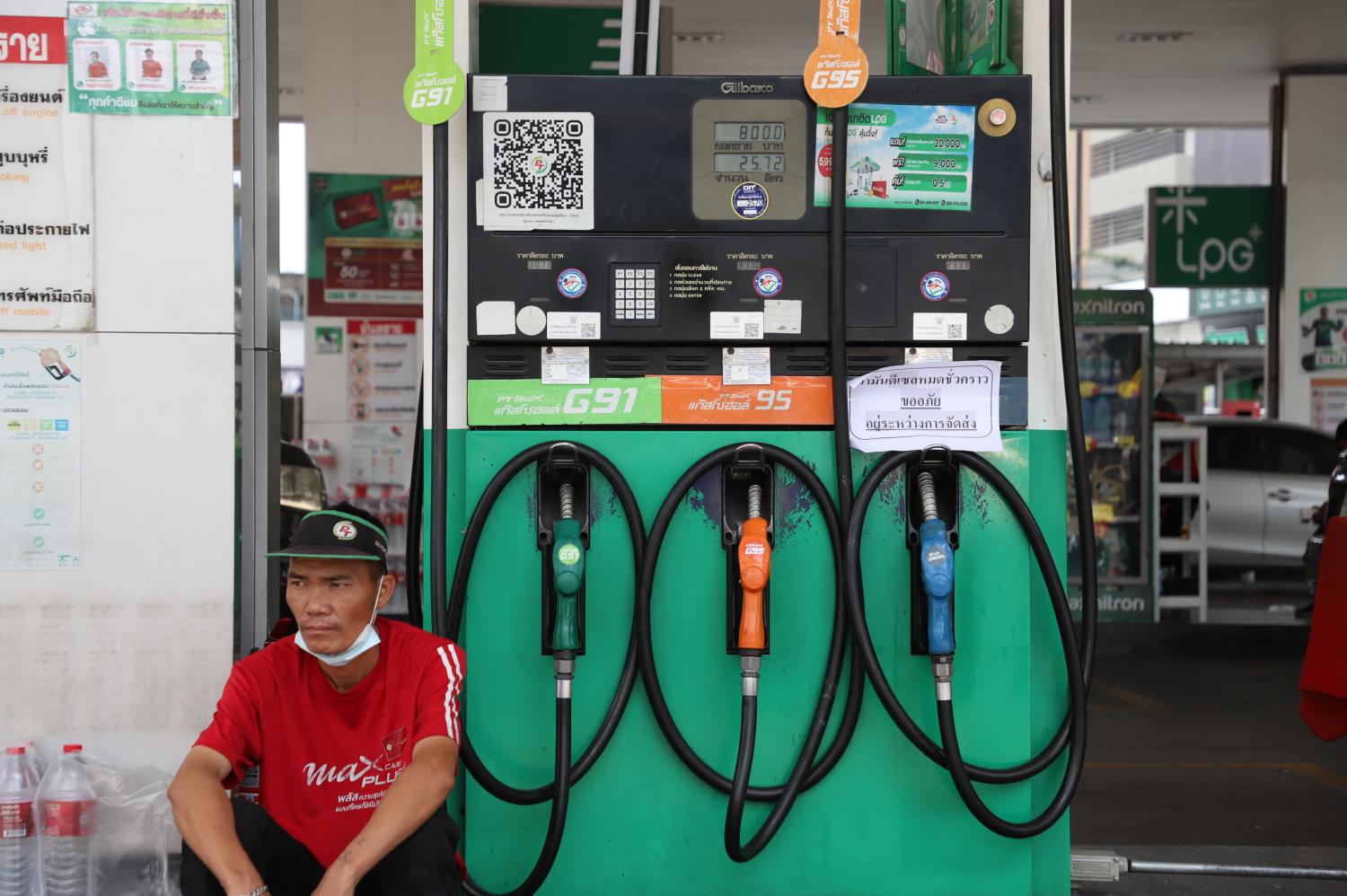
» Amid spikes in global crude oil and gas prices, the government has deployed several measures including price caps to ensure energy security and ease the cost of living.
Ethanol output cranked up to meet E20 demand
Business, Yuthana Praiwan, Published on 20/03/2026
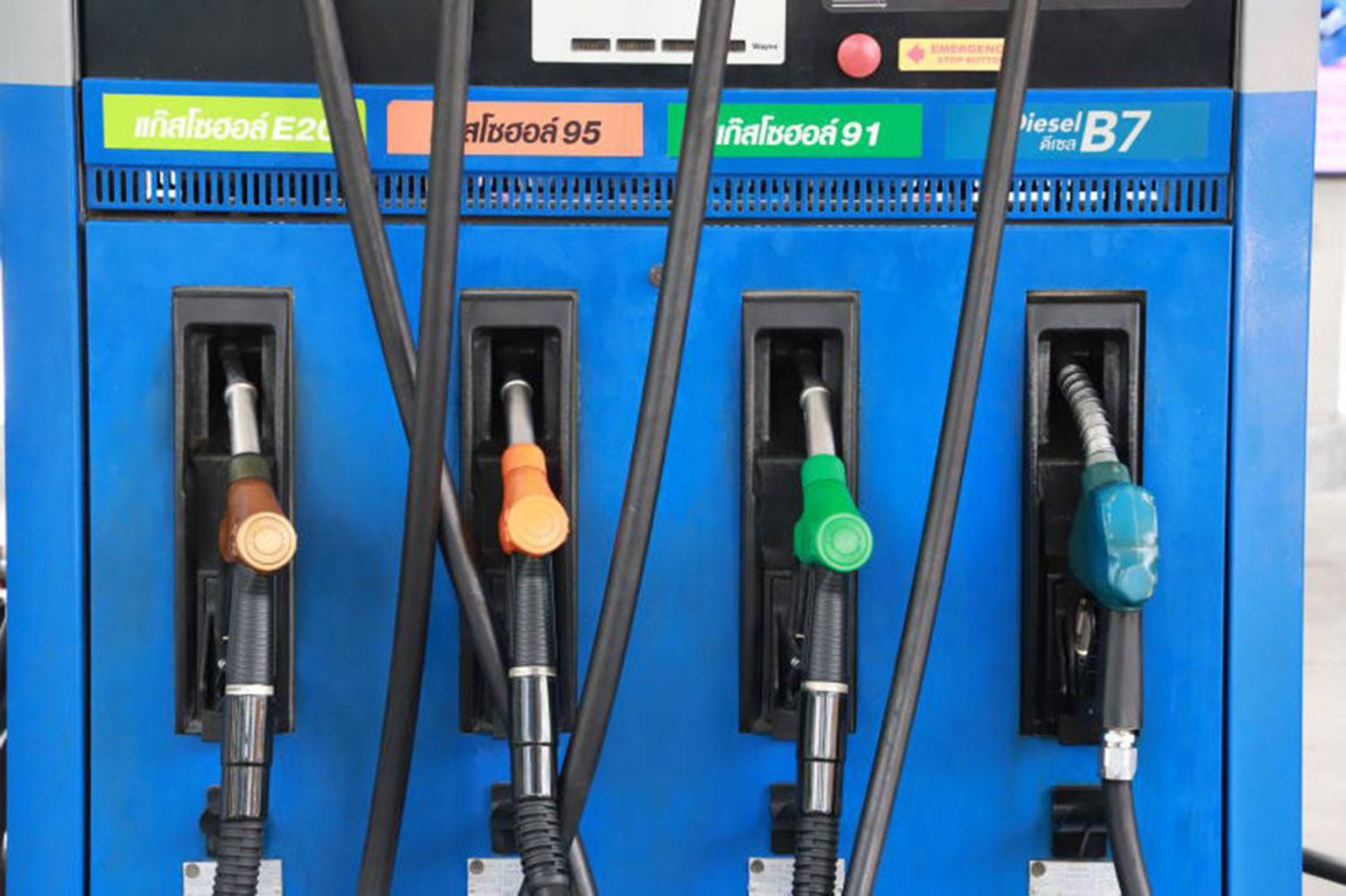
» Ethanol manufacturers are increasing production to serve growing demand for gasohol E20, aligning with the government's efforts to reduce Thailand's reliance on oil imports.

Global funds look to Malaysia as Iran war shakes up Asian assets
Bloomberg, Published on 17/03/2026
» Even before the war in Iran sparked a surge in energy prices, Malaysia stood out from its Southeast Asian peers as the newfound darling of global investors.
Thai oil fund spending B1 billion a day on subsidies
Bloomberg News and Post Reporters, Published on 11/03/2026
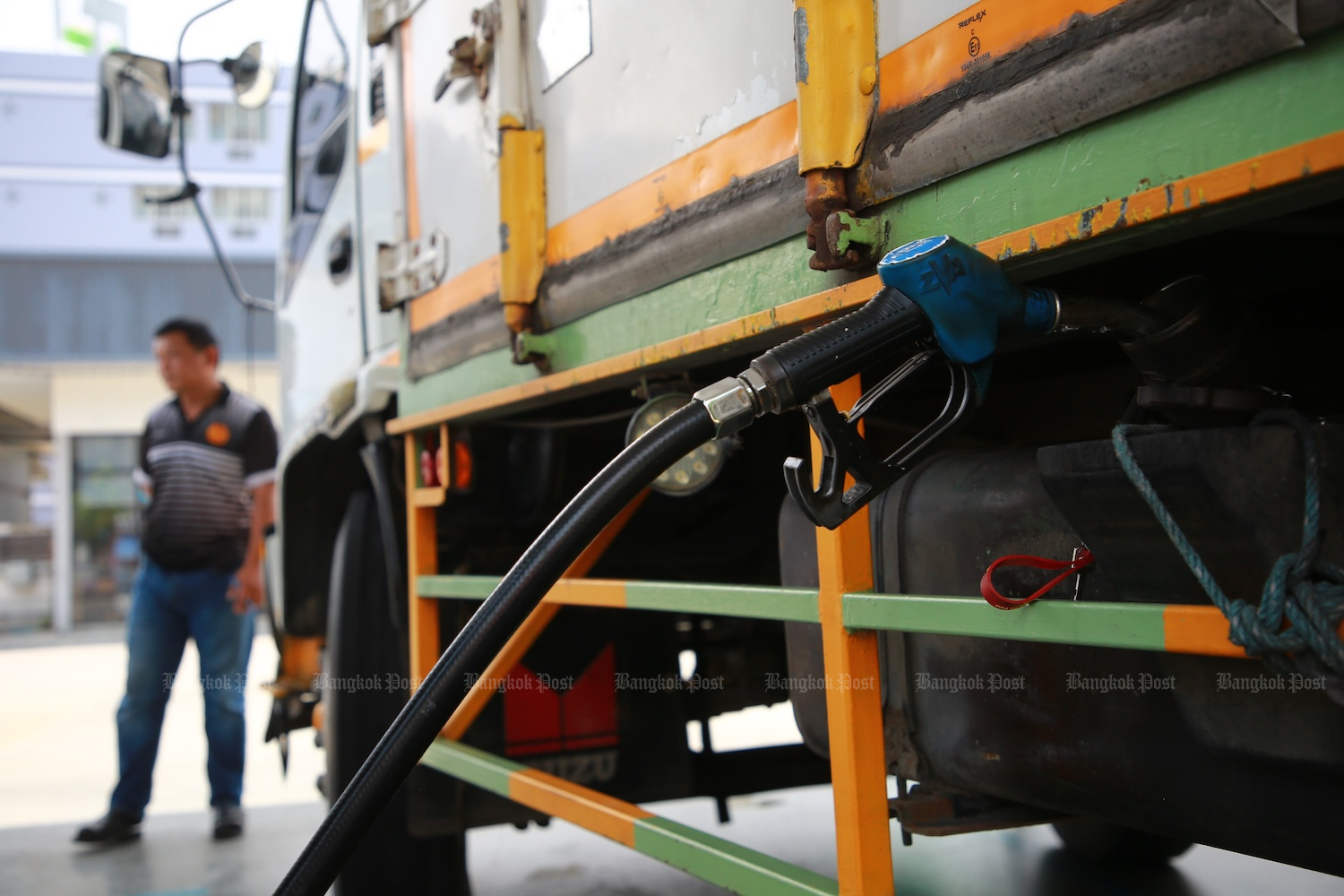
» The Thai government is widening efforts to curb demand for fuel, as it burns through cash fighting to keep domestic diesel prices artificially low amid surging global energy costs.
Fiscal position ‘sufficient’ for fuel subsidies
Wichit Chantanusornsiri, Published on 10/03/2026
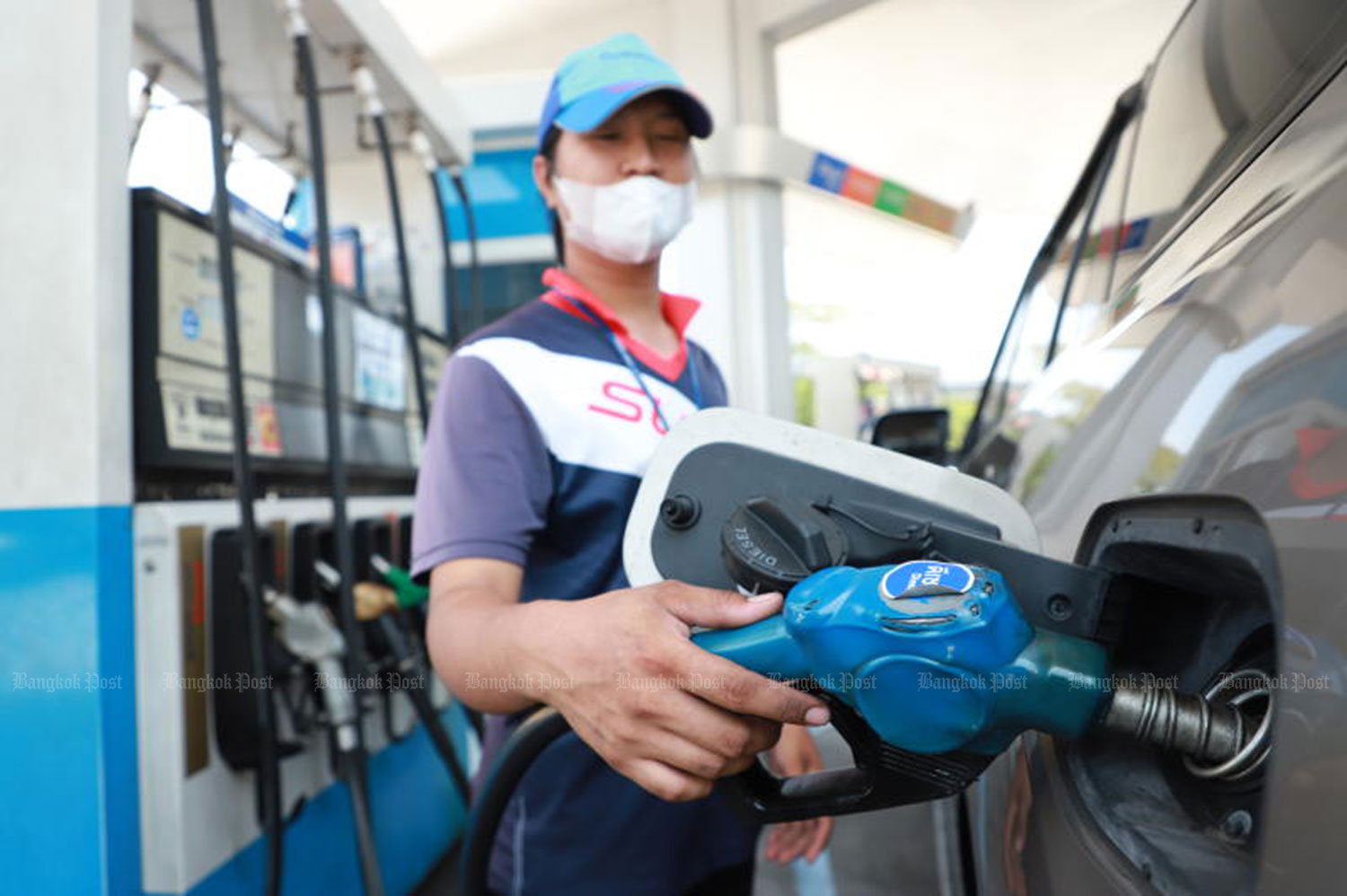
» The government is in good fiscal condition, with a buffer of 300 billion baht if it needs to guarantee loans for the Oil Fuel Fund for subsidies, according to the Ministry of Finance.

Asian equities endure worst week since March 2020
Business, Nuntawun Polkuamdee and Nareerat Wiriyapong, Published on 07/03/2026
» RECAP: Asian equity markets steadied on the final trading day of a volatile week, even as the Mideast conflict raged on. With a 6.4% decline, the MSCI Asia Pacific Index had its worst week since March 2020.
Thai government revenue tops target
WICHIT CHANTHANUSORNSIRI, Published on 05/03/2026
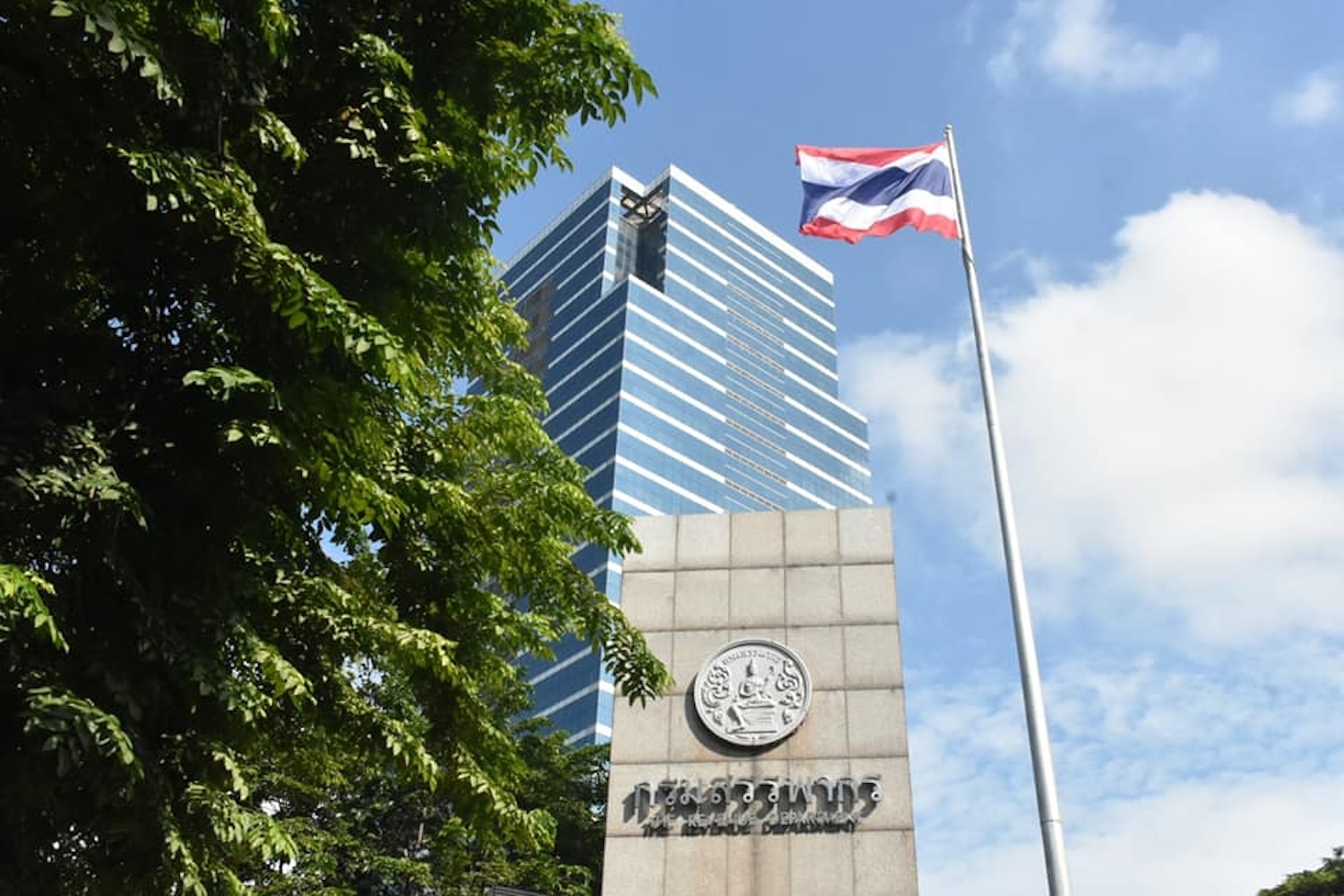
» Thai government revenue exceeded projections in the first four months of the 2026 fiscal year, driven by higher fuel tax receipts and additional income from state enterprises.
Baht faces pressure from oil upswing
Business, Nareerat Wiriyapong, Published on 05/03/2026
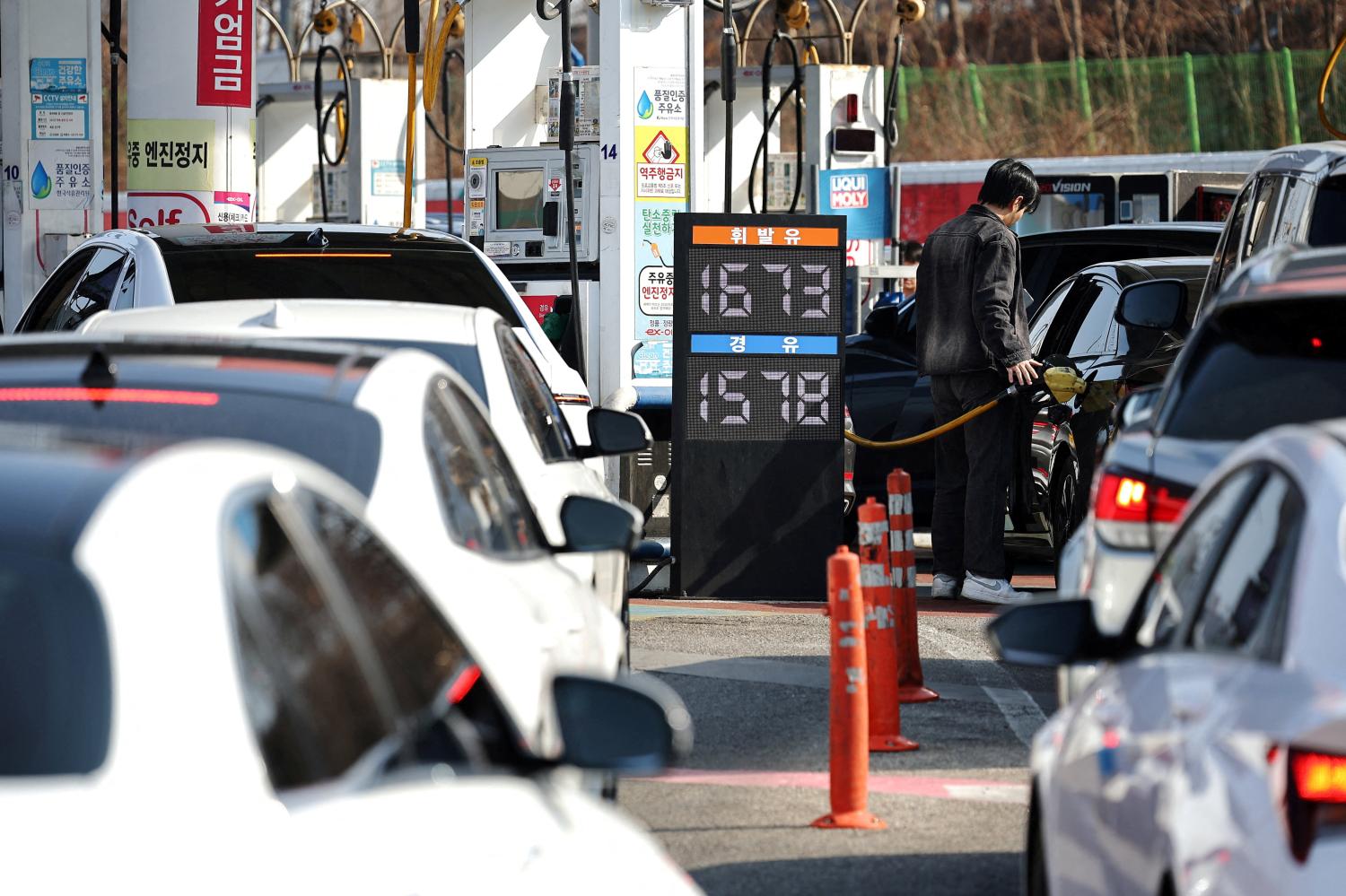
» The baht could slide beyond 33 to the US dollar, with high volatility possible if the war in the Middle East is prolonged, forcing Thailand, a net oil importer, to pay a significantly higher import bill, according to Kasikorn Research Center (K-Research).
Navigating new currents: Thailand-US trade after the tariff ruling
Business, Nalinee Taveesin, Published on 04/03/2026
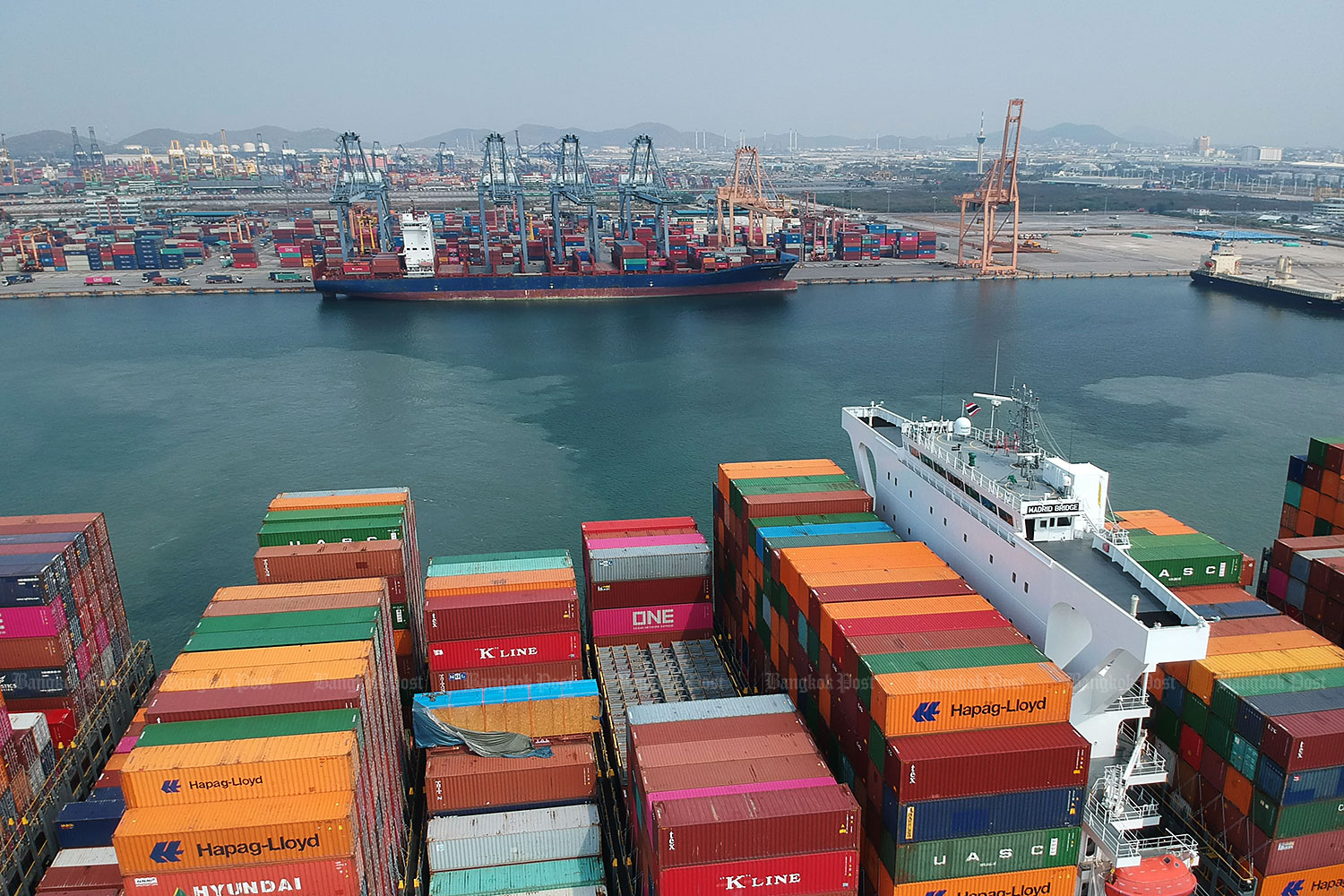
» The recent decision by the US Supreme Court that President Donald Trump exceeded his authority under the International Emergency Economic Powers Act in imposing broad tariffs marks an important institutional clarification in US trade governance. The court reaffirmed that tariff powers ultimately reside with Congress.