




Showing 1 - 10 of 994
Andrew crisis haunts monarchy
News, Pavin Chachavalpongpun, Published on 21/02/2026
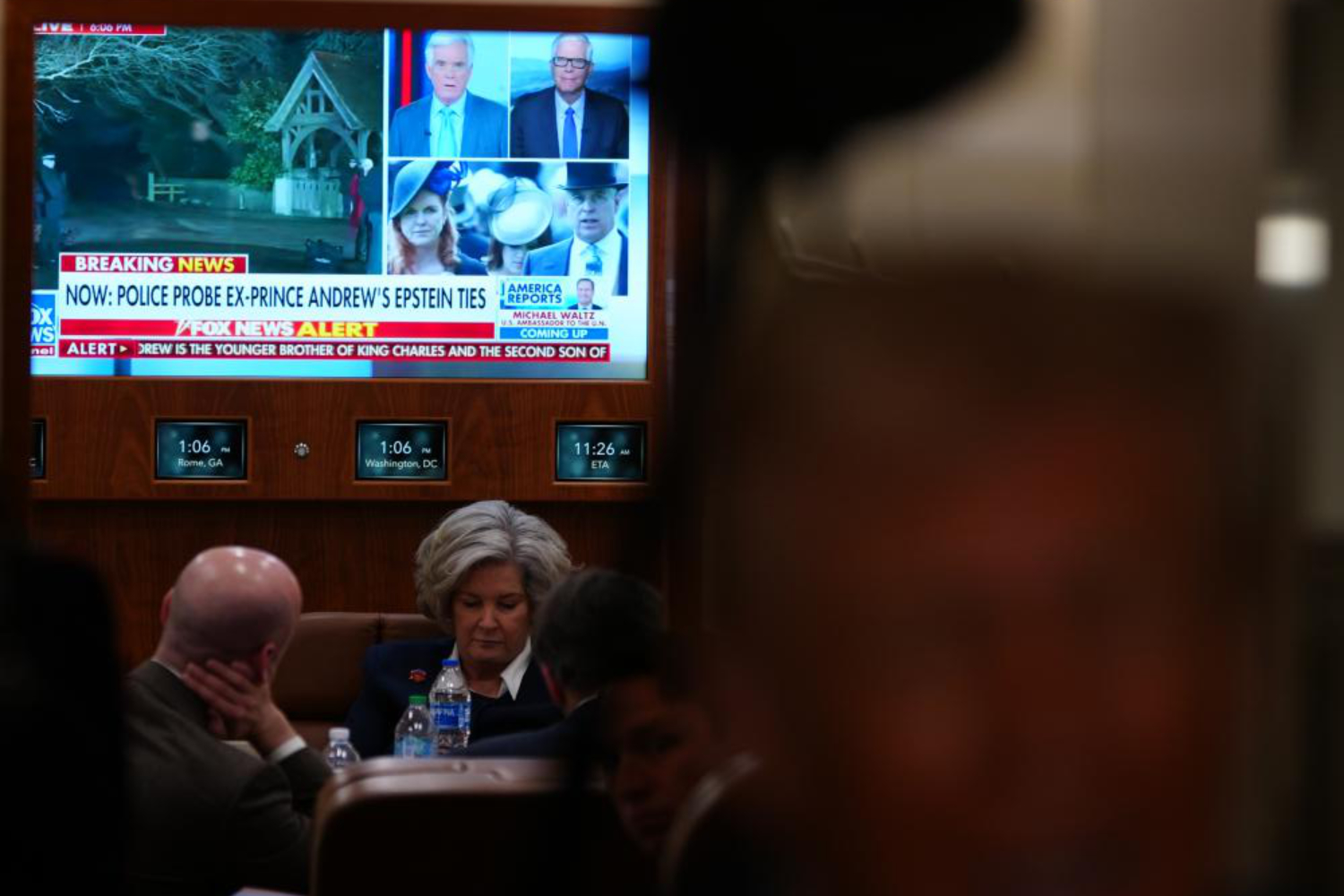
» For centuries, the British monarchy has survived by carefully weaving a narrative of moral leadership and national service. That meticulously constructed image has been deeply undermined by the persistent shadow of the Andrew Mountbatten-Windsor and Jeffrey Epstein scandal.
When voters look beyond credentials
Oped, Anucha Charoenpo, Published on 20/02/2026
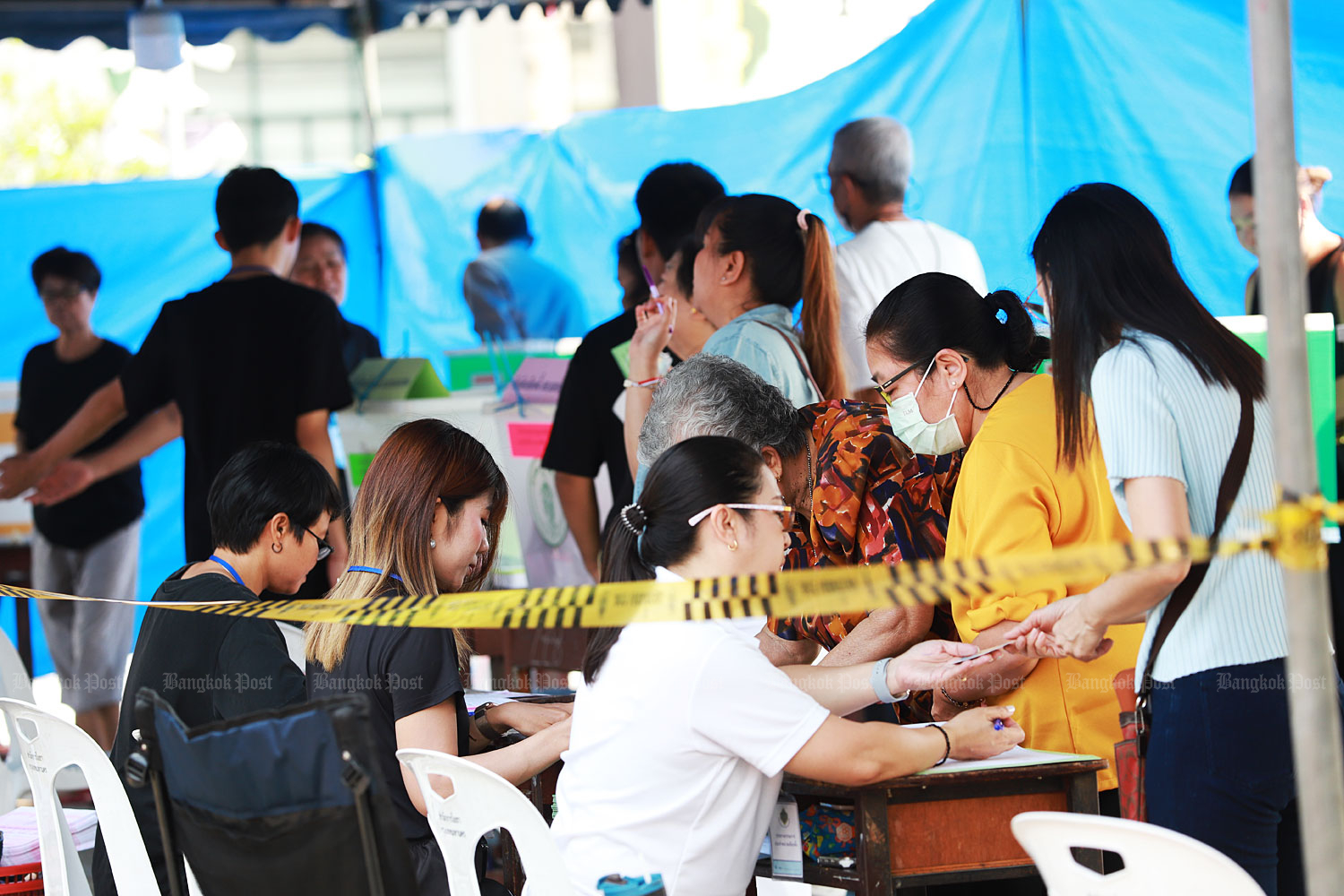
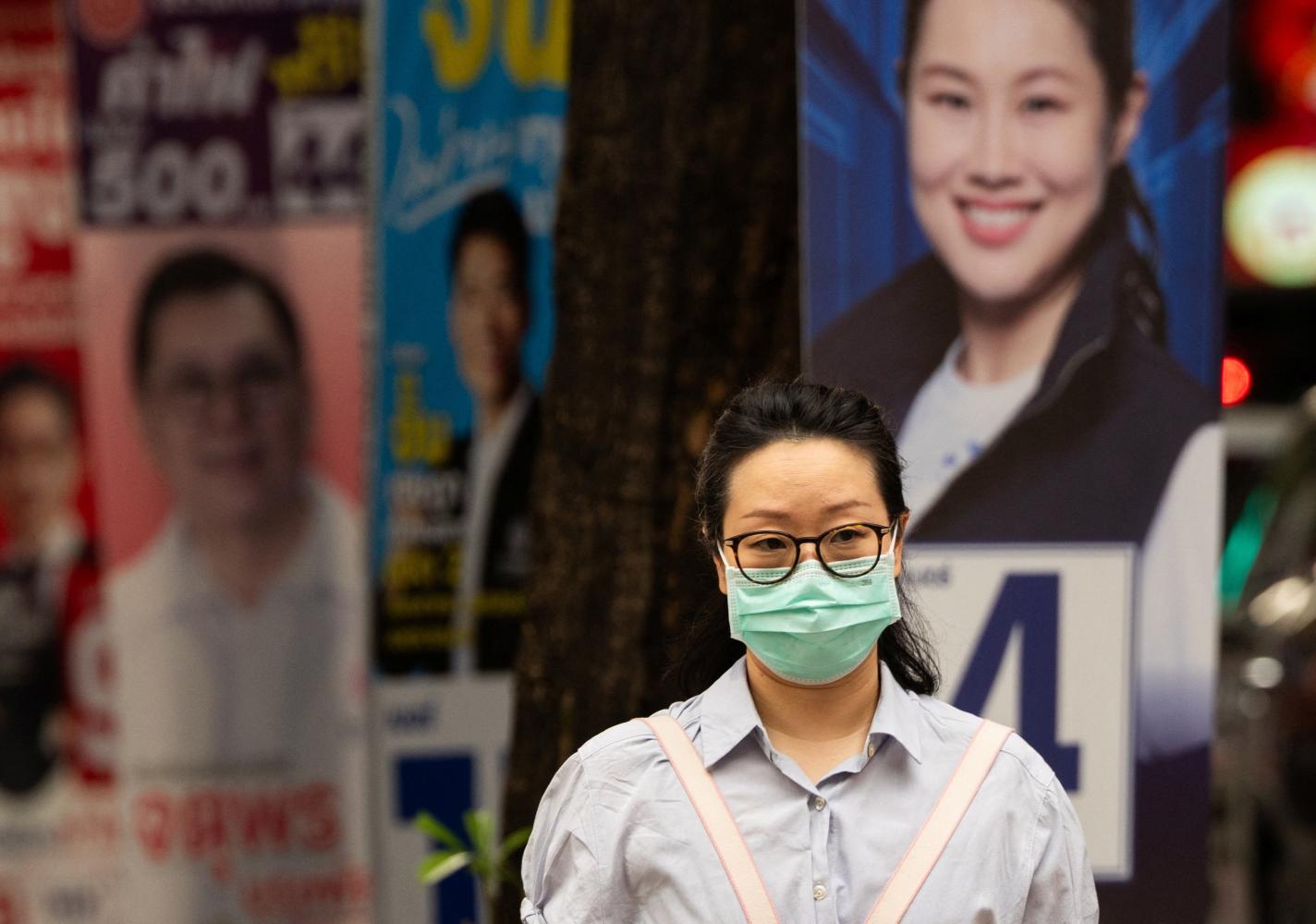
» Many observers of Thai politics may be wondering why the following individual of such distinguished standing failed to secure a seat in parliament in the Feb 8 election. He holds the title of professor and earned a doctoral degree in engineering from the Massachusetts Institute of Technology, one of the world's most renowned universities. He previously contested the 2022 Bangkok gubernatorial election, securing more than 250,000 votes. He has also achieved notable academic success and served as president of King Mongkut's Institute of Technology, Ladkrabang. With credentials such as these, his electoral defeat has come as a surprise to many.

Fix Thailand's data confusion
Oped, Jompon Pitaksantayothin, Published on 20/02/2026
» Thailand has made significant strides in building a data governance framework, most notably through the Personal Data Protection Act (PDPA) 2019. Data now underpins how citizens exercise their rights, how governments deliver services, how businesses innovate, and ultimately, how democracy is sustained.

Anutin 2 govt's foreign policy outlook
News, Kavi Chongkittavorn, Published on 17/02/2026
» To say that diplomacy under the upcoming Anutin 2 government will differ significantly from its first, short-lived period in power would be an exaggeration. However, one thing is clear: following the electoral landslide, the new cabinet will be rock solid. A government with such stability will exert a strong influence on Thai foreign policy.

BJT's chance to rebuild
News, Editorial, Published on 17/02/2026
» With 193 seats, the Bhumjaithai Party (BJT) has secured far more than a clear electoral victory. For the first time, a party that came only third in the 2023 national election now holds enough leverage to call the shots and shape the national political landscape in its own image.
Emerging markets stand strong
Oped, Kristalina Georgieva and Mohammed Al-Jadaan, Published on 12/02/2026
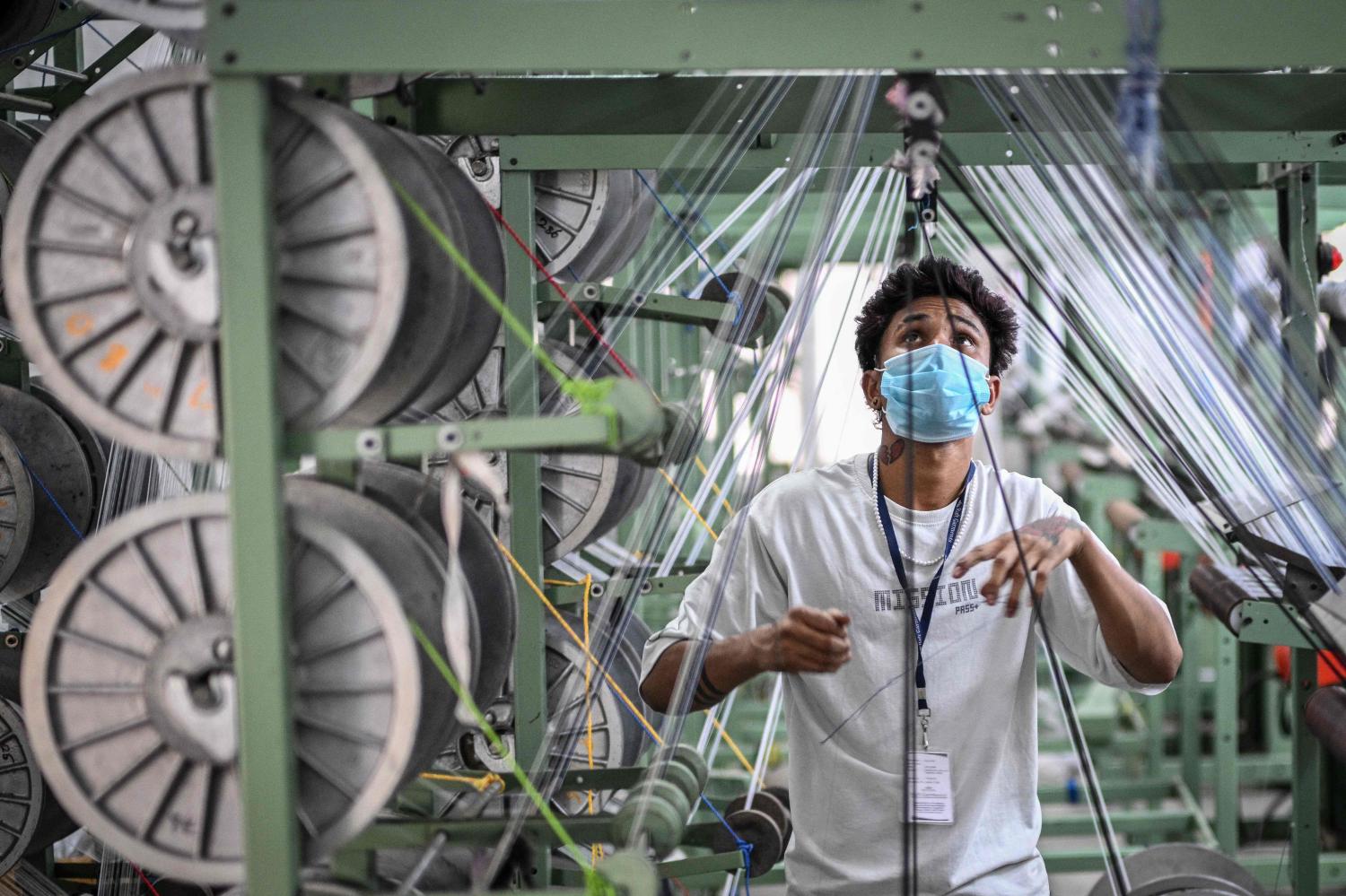
» It used to be that when advanced economies sneezed, emerging markets caught a cold. That is no longer true. Following recent global shocks, such as the post-pandemic inflation surge and a new wave of tariffs, emerging markets have held up well. Inflation has continued to slow, currencies have generally retained their value, and debt issuance costs have remained at manageable levels. There has been no sign of the kind of financial turbulence that came with past economic shocks.
Japanese PM Takaichi comes out on top
Oped, Taniguchi Tomohiko, Published on 11/02/2026
» Japanese Prime Minister Sanae Takaichi has just scored an unprecedented victory in the country's general election. The ruling Liberal Democratic Party (LDP), which she leads, won 316 seats in the 465-member House of Representatives (the Diet's lower house), up sharply from 198. The combined strength of two parties that had merged hastily -- despite their fundamentally opposing platforms -- in an effort to bring Ms Takaichi down fell from 167 seats to just 49. The LDP, which celebrated its 70th anniversary last year, has never looked more robust.

Climate change discourse takes a new turn
Oped, Bjorn Lomborg, Published on 09/02/2026
» What a difference a single year makes. The once-dominant push to radically reshape society to avert climate catastrophe has collapsed. Look at Davos -- the talkfest long dominated by climate advocacy. That consensus has been abandoned by its once strongest proponents.
All eyes trained on coalition maths
News, Chairith Yonpiam, Published on 07/02/2026
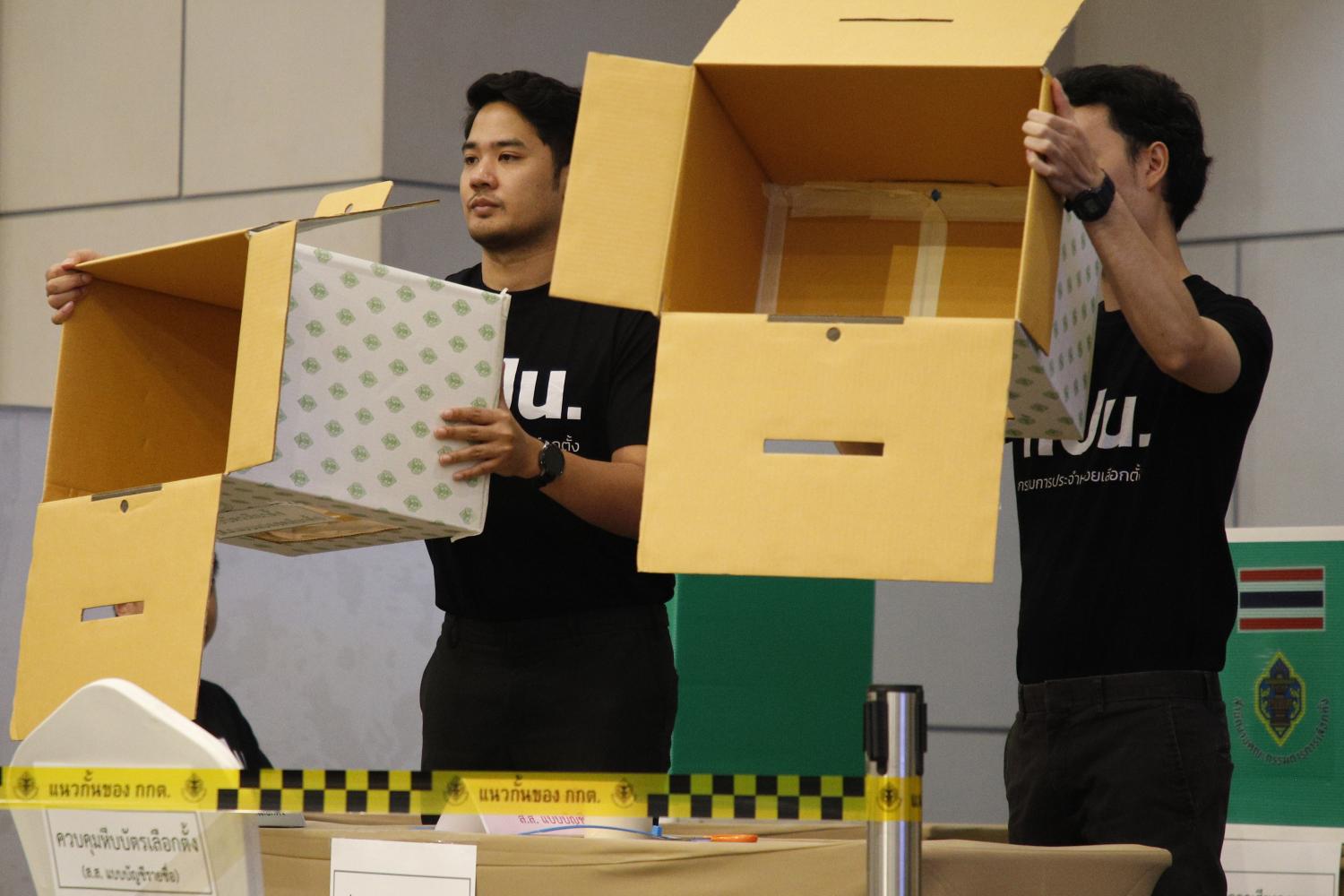
» As the election campaign enters its final stage, with more than 53 million eligible voters heading to the polls tomorrow, experts are making their final tea-leaf readings.
Will poll be breakout or more of same?
Oped, Thitinan Pongsudhirak, Published on 06/02/2026
» As Thais go to the polls this Sunday, the most consequential question is whether Thailand will finally break out of its debilitating cycle of political instability and economic underperformance that has marked the past two decades. The signs and signals suggest otherwise -- at least not yet.