



Showing 1 - 10 of 2,241

Unflattering comparison
Postbag, Published on 15/03/2026
» Re: "Potus again presses Congress on voter bill", (World, March 10).

War on Iran is one 'Taco' too far
News, Jamie McGeever, Published on 14/03/2026
» The "Trump always chickens out" (Taco) investment strategy -- buying beaten-down stocks on the assumption that the US president will ultimately back down from his more extreme policies -- has, for the most part, been a profitable one. But the Iran war may change that.

Echoes ignored
Oped, Postbag, Published on 13/03/2026
» Re: "With Iran war, US is alone", (World, March 6). The Deputy Director of the German Marshall Fund, Kristina Kausch, is upset that US President Donald Trump has not sought the world's approval in his quest to destroy Iran's military abilities and for the removal of its genocidal dictatorship. One which screams daily: "Death to Israel" and "Death to America". (Time Off, Bangkok Post, March 8).

Can artificial intelligence kill imaginary friends?
Oped, Naomi R Aguiar & Marjorie Taylor, Published on 13/03/2026
» Will we someday have nostalgia for a time when children talked to an imaginary friend instead of an AI companion?
The Iran war is upending global energy markets
Oped, Carolyn Kissane, Published on 12/03/2026
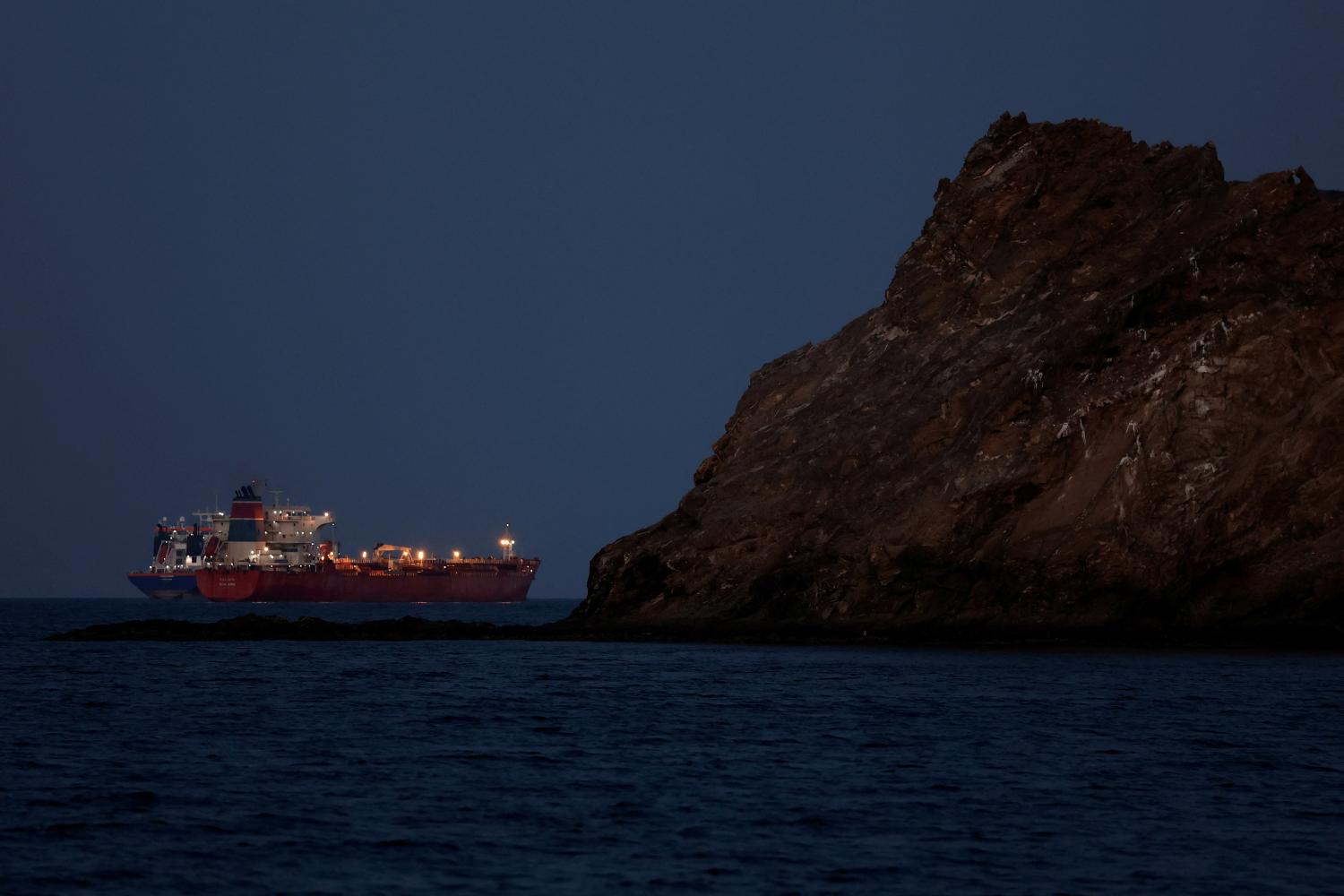
» The war with Iran is widening faster than many expected. The Islamic Republic's retaliation against Arab Gulf states has extended beyond military targets to critical civilian infrastructure, including airports, water desalination plants, and energy facilities. Hezbollah has opened a second front from Lebanon. US President Donald Trump suggests that operations could last "four to five weeks", but with nearly 50 senior Iranian officials having been killed, it is unclear who might be positioned to negotiate an off-ramp.
Time for region to double down on green energy
Oped, Lidy Nacpil, Published on 06/03/2026
» The escalating instability in the Middle East has sent shockwaves through global energy markets, forcing Southeast Asian nations into a precarious position. While the region has made significant pledges to transition toward renewables, the threat of interrupted gas supplies and surging LNG prices is creating a dangerous incentive to prioritise immediate energy security over long-term climate goals.

Risk of crisis growing more acute
Oped, Chartchai Parasuk, Published on 05/03/2026
» This article is a follow-up to my previous piece titled "Fiscal deficit will trigger 2026 crisis". In that article, I argued Thailand's heavy dependence on external liquidity, combined with the government's need for 860 billion baht annually to finance its deficits, would lead to a severe liquidity shortage and, ultimately, a financial crisis.
Keeping Asia's growth engine on track
News, Thomas Noto Suoneto & Genevieve Donnellon-May, Published on 28/02/2026
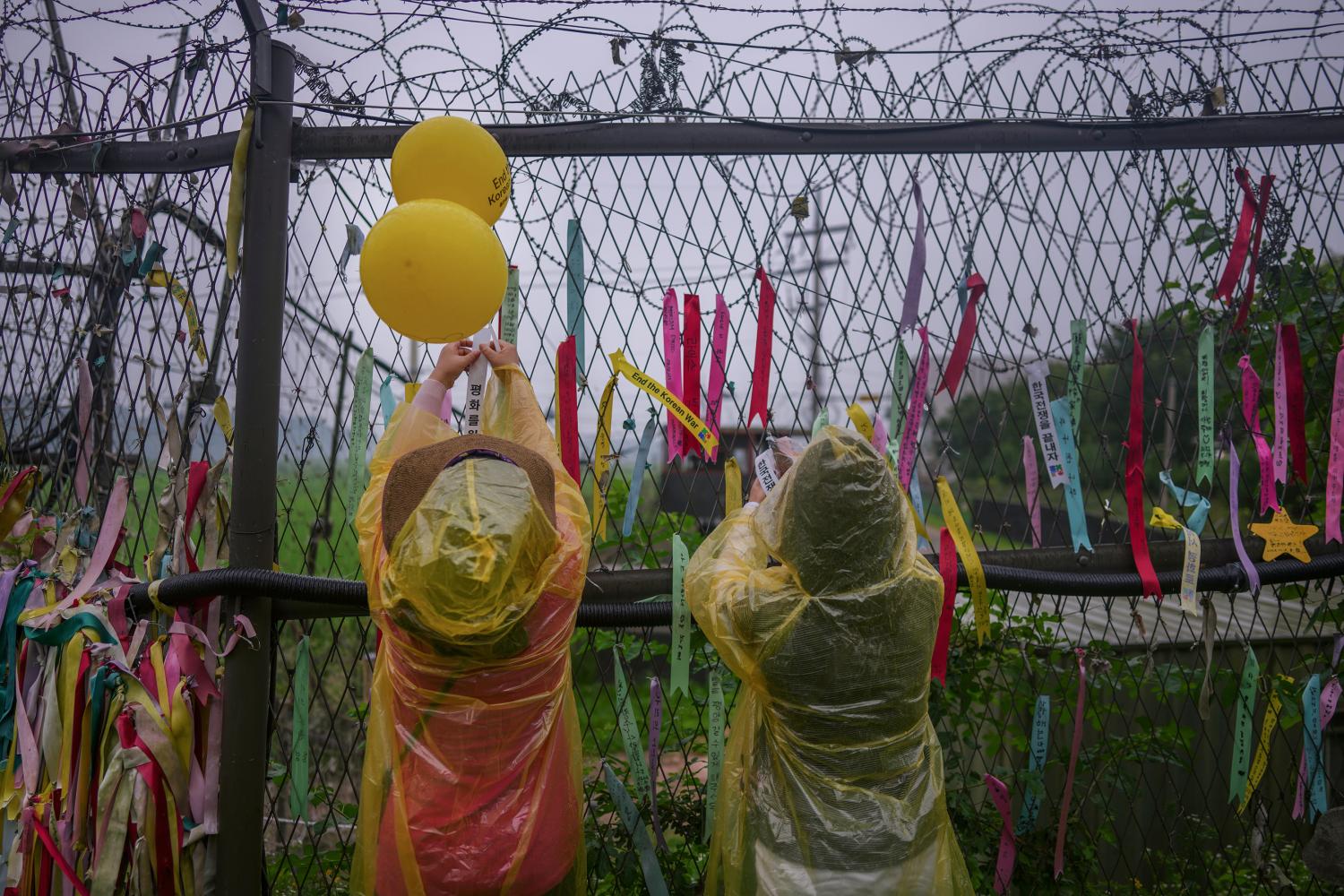
» Asia stands at a decisive crossroads. The region remains the world's most powerful growth engine, with many Asean economies expanding above 5% and Asia-wide growth projected to exceed 4% in 2026 -- well above the global average of roughly 3.1%. Strong domestic demand, rising middle classes, and rapid technological adoption continue to propel the region forward, cementing its role as the central driver of global economic growth.
US AI boom faces electric shock
News, Ron Bousso, Published on 27/02/2026
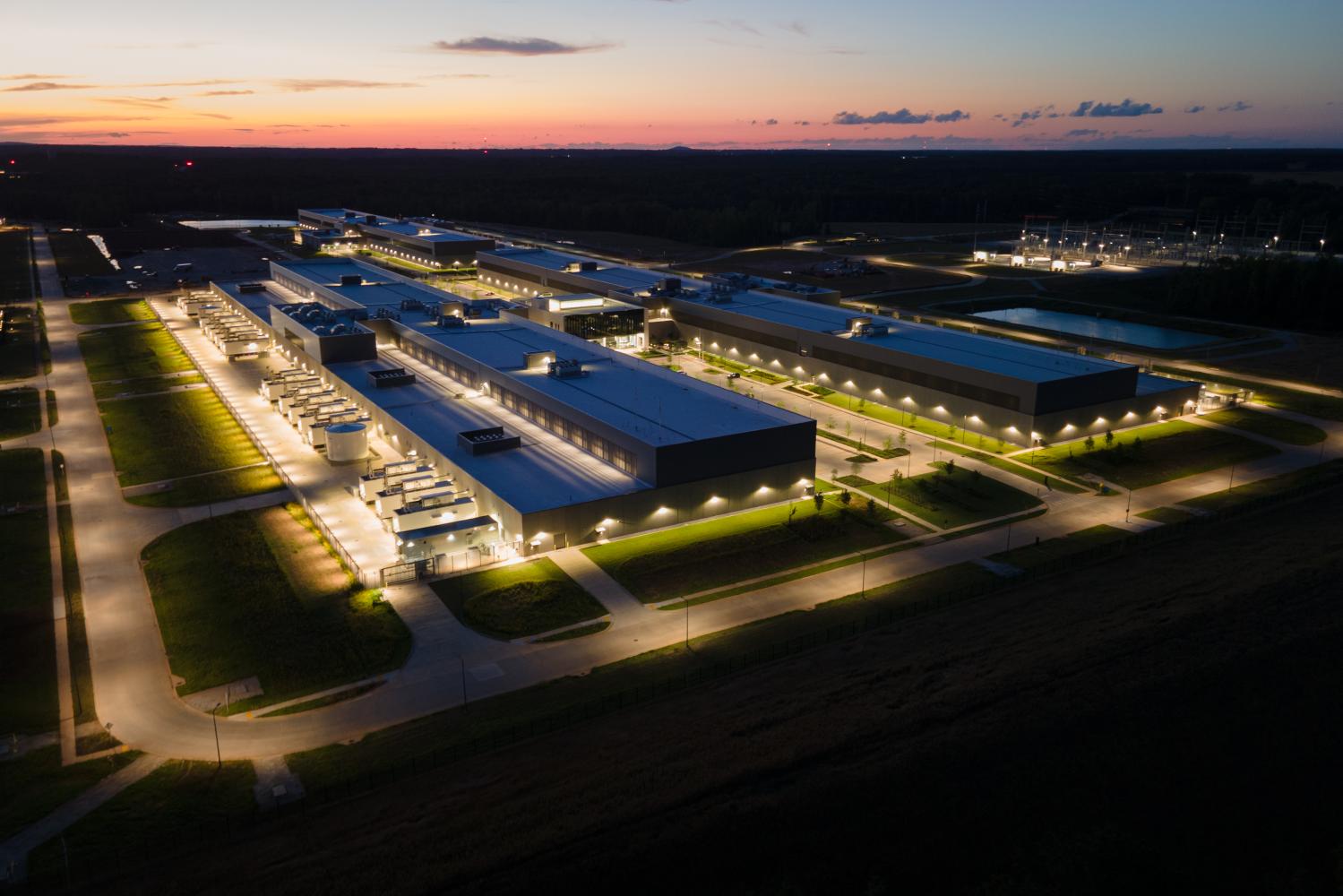
» Big Tech's race to dominate artificial intelligence may soon hit a nasty road bump, at least in the US, where electricity grids struggle to keep pace with the big-spending hyperscalers.

Unlocking Thai competitiveness
Oped, Kiratipong Naewmalee & Phumjit Sri-Udomkajorn, Published on 25/02/2026
» Regulatory reform is an urgent priority in restoring growth to Thailand's emerging economy. Rigid rules and excessive red tape have become significant structural barriers to private sector development. Evidence from several key industries demonstrates that outdated, fragmented legislation continues to constrain competitiveness.