



Showing 1 - 10 of 5,407
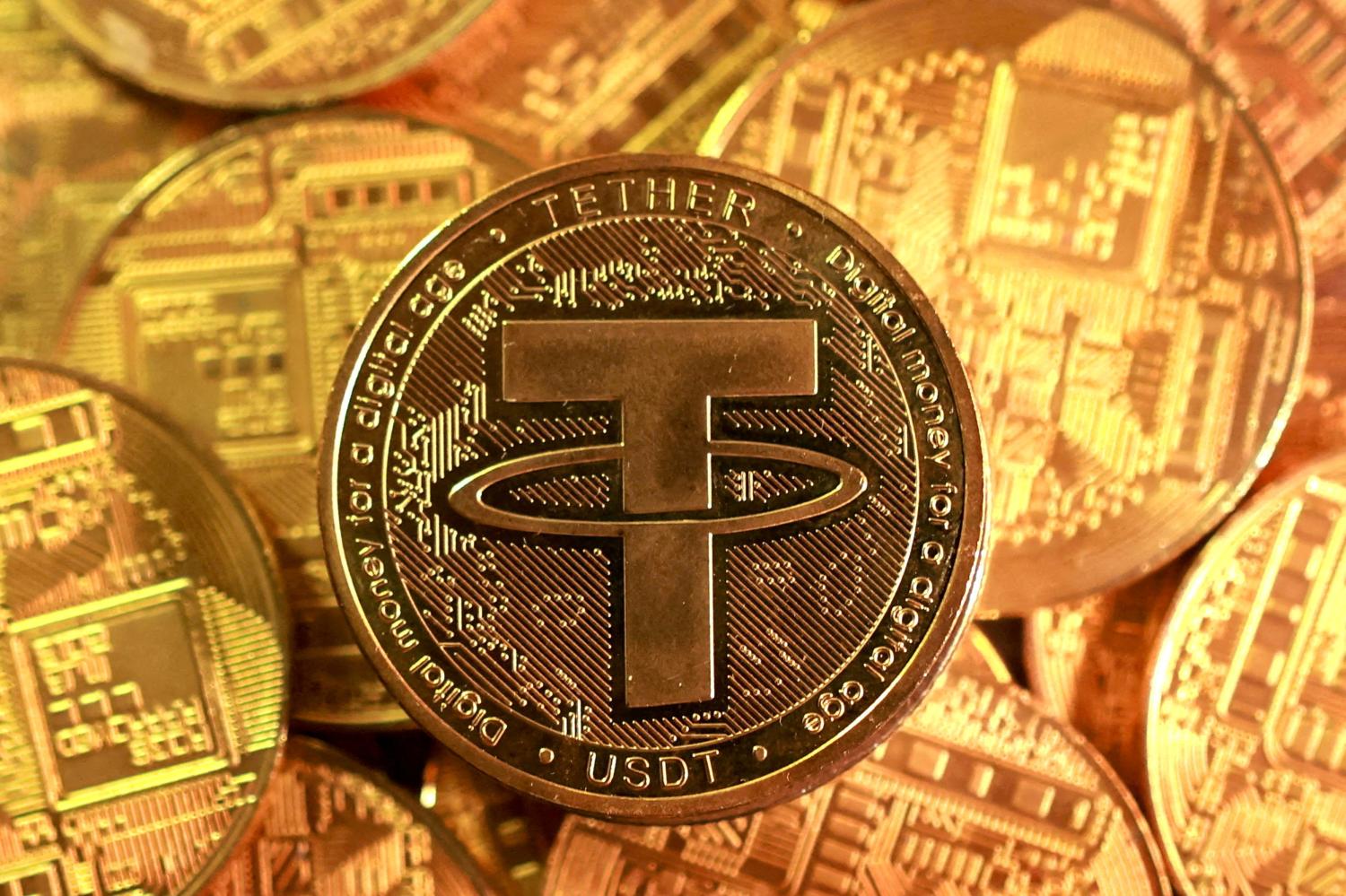
Crypto push undermines US power
Oped, Jayati Ghosh, Published on 20/04/2026
» The Ouroboros, the ancient image of a serpent devouring its own tail, has long symbolised self-defeating strategies. It is thus an apt metaphor for US President Donald Trump's current policies. His reckless and illegal war against Iran is the clearest example, but his administration's enthusiastic embrace of crypto currencies represents a subtler, slower-burning expression of the same self-destructive tendency.
Hormuz crisis reveals energy resilience gap
News, Laura Carvalho, Published on 18/04/2026
» The closure of the Strait of Hormuz has triggered what the International Monetary Fund calls a "global yet asymmetric" rupture, disrupting the flow of roughly one-quarter of oil, one-fifth of liquefied natural gas, and one-third of fertiliser supplies. Energy and fertiliser prices have risen, supply chains have rerouted, and financial conditions have tightened unevenly around the world.
Thumbs up for Lumpini
Oped, Editorial, Published on 17/04/2026
» Two recent developments at Lumpini Park offer a solid proof that when the public and private sectors collaborate to address community needs, the results are nothing short of spectacular.

When will the IMF ever learn?
Oped, Timothy Kaldas, Published on 16/04/2026
» This year's International Monetary Fund Spring Meetings come at a time of heightened economic uncertainty and intense scrutiny of the institution's capabilities and approach. Critics on the left argue that the IMF imposes regressive austerity measures on borrowers, exacerbating poverty, hampering economic growth, and undermining their ability to achieve debt sustainability. On the right, US President Donald Trump's administration has accused the IMF of "mission creep," claiming that it has strayed from its core mandate of maintaining macroeconomic stability.
Oil shock risks wider chain reaction
Oped, Chartchai Parasuk, Published on 16/04/2026
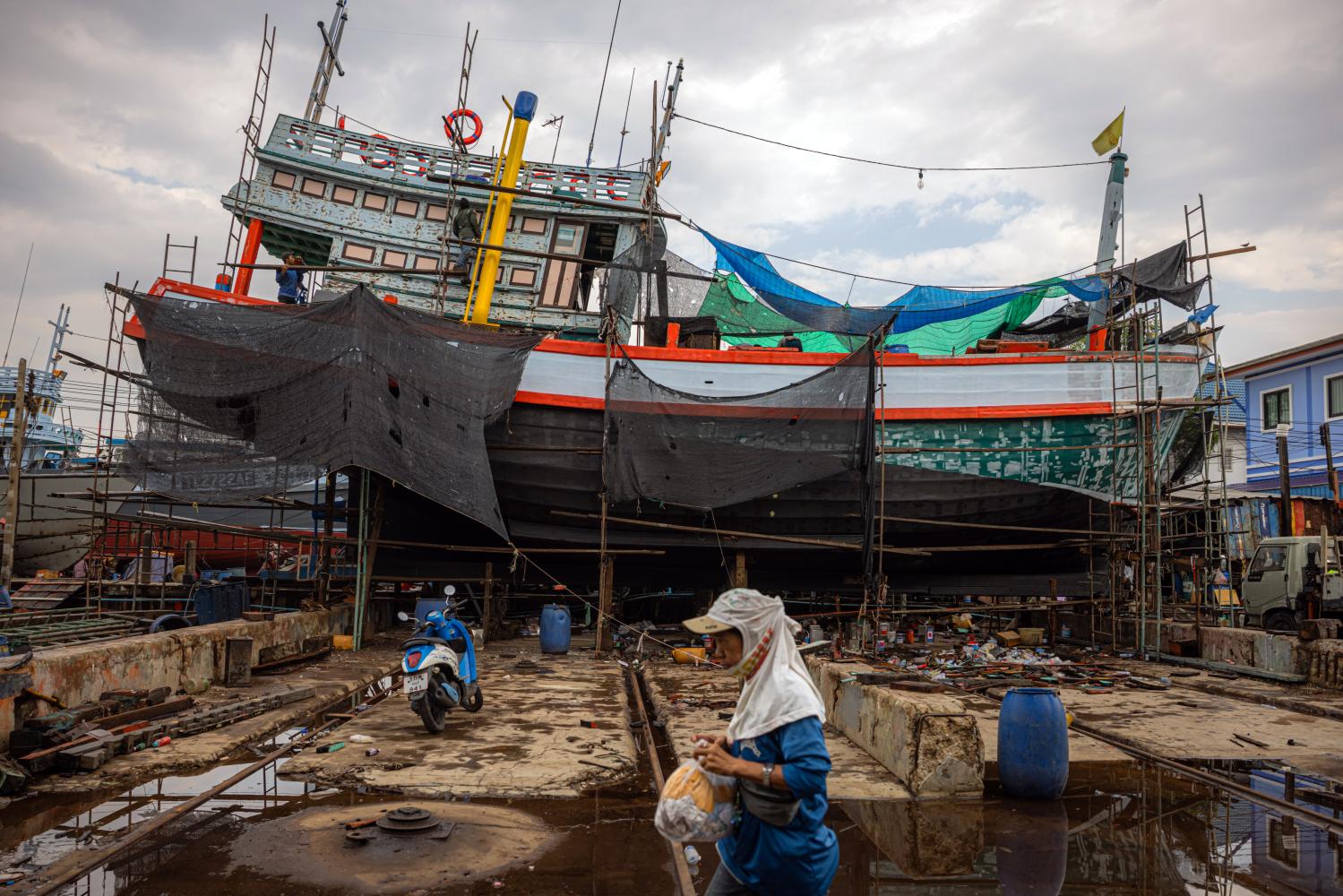
» There is no such thing as a free lunch. When global oil prices rise sharply, as they are doing now, someone must bear the cost. Some countries choose to absorb it through government support, as in Japan, while others pass the burden on to consumers, as in Thailand. Neither approach is inherently right or wrong; each carries different economic consequences. Policymakers must decide which set of outcomes is more acceptable and act accordingly.
OECD bid looks far off
Oped, Editorial, Published on 16/04/2026
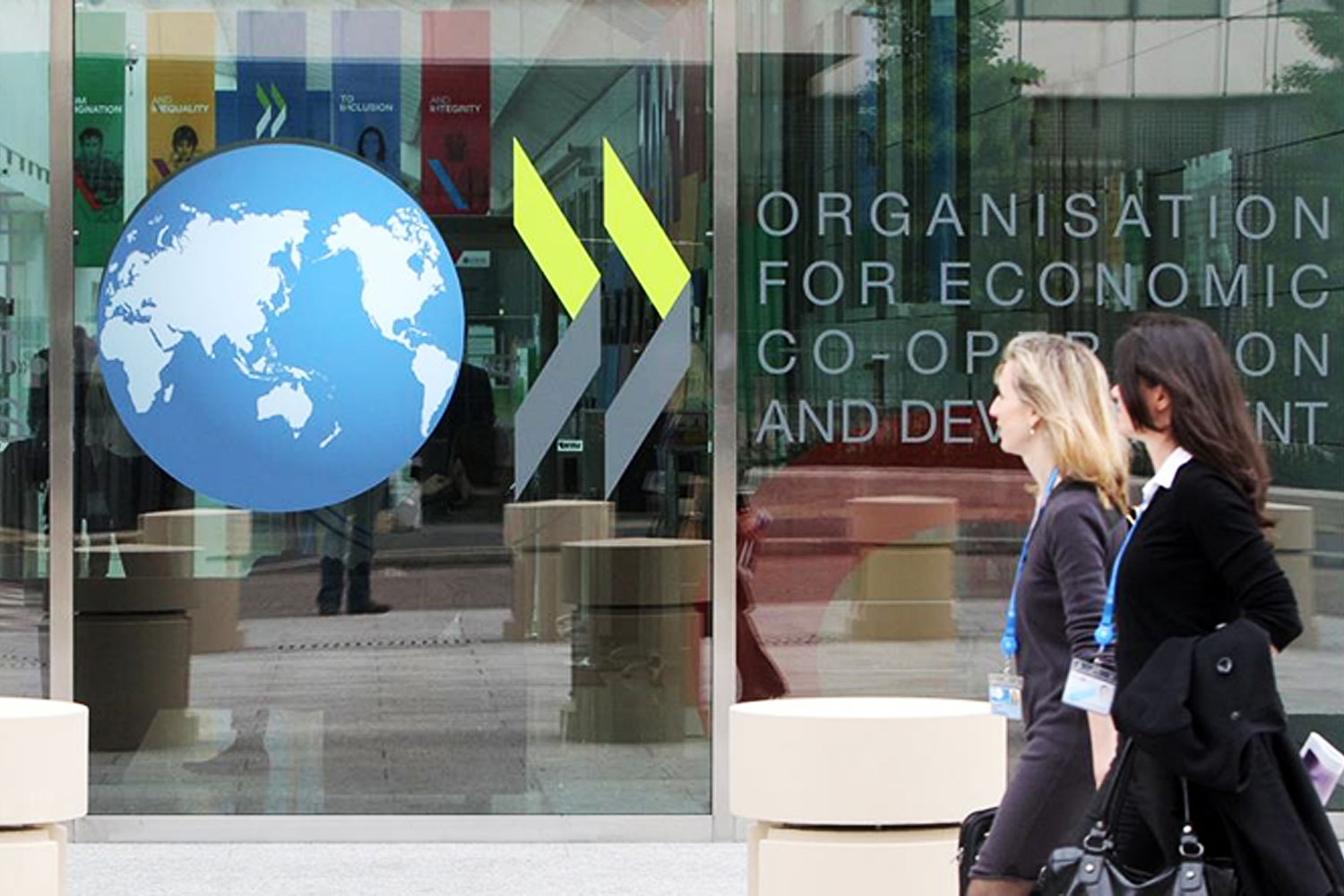
» When Prime Minister Anutin Charnvirakul declared in parliament last week that Thailand must become a member of the OECD, his statement reflected both ambition and urgency.
China's water security ambitions
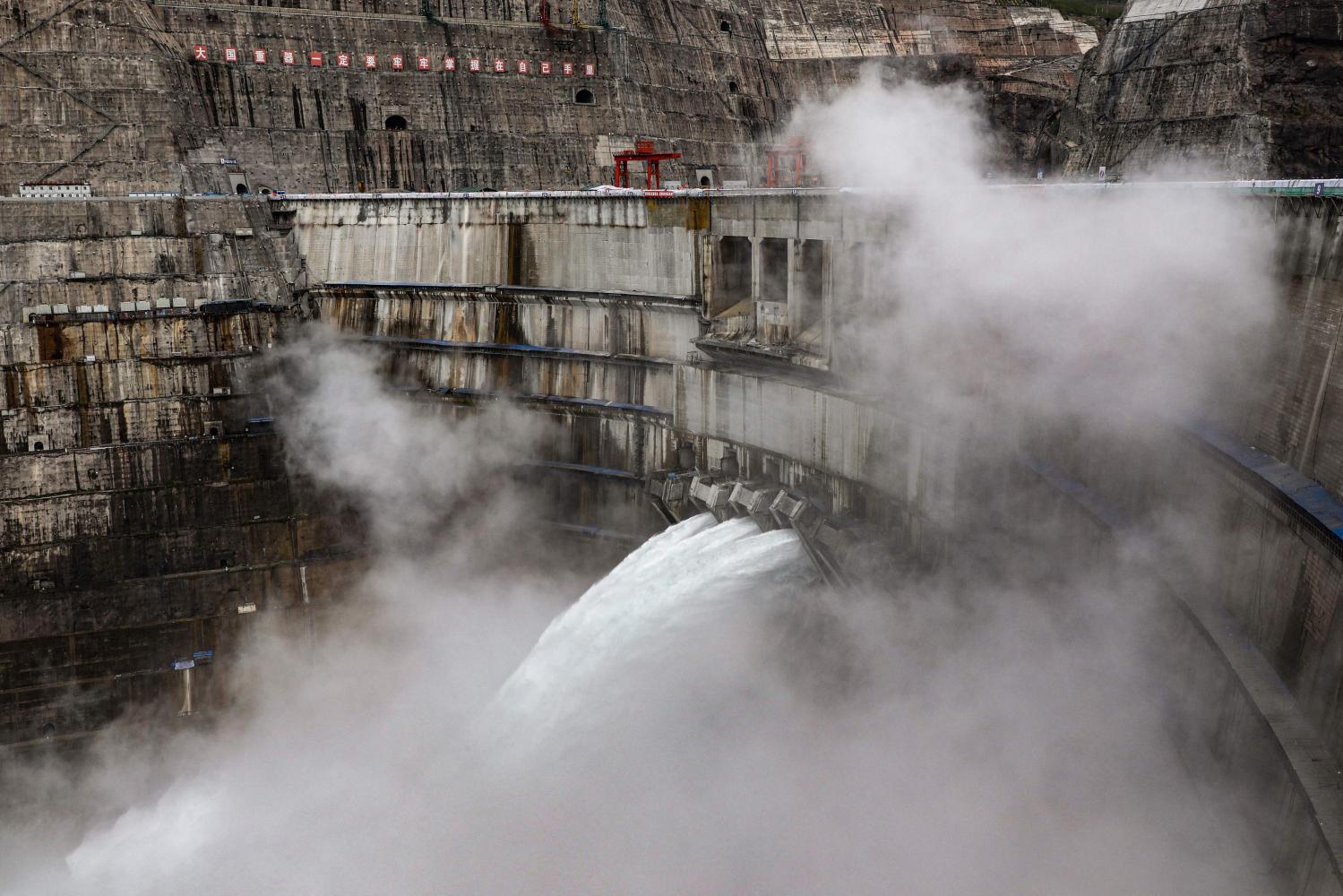
News, Amit Ranjan and Genevieve Donnellon-May, Published on 15/04/2026
» China holds only 6% of the world's fresh water, which supports nearly 20% of the global population and generates over 18% of global gross domestic product. The country faces water challenges largely due to water quality concerns and significant spatio-temporal imbalances.
Nepal's new govt faces challenges
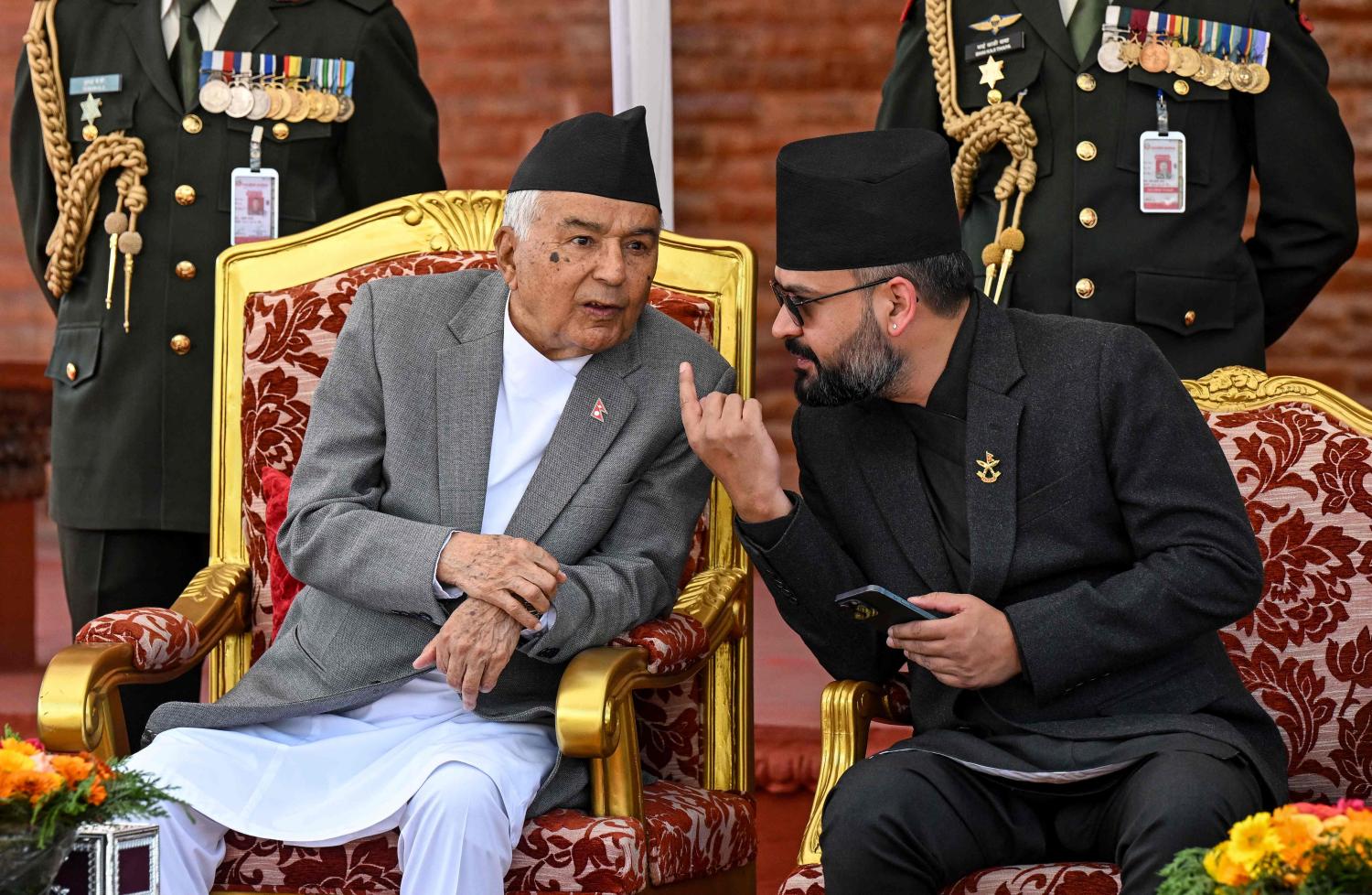
News, Brabim Karki, Published on 13/04/2026
» Nepal's new government, led by Balendra Shah, more popularly known as Balen, is moving fast and shaking the politics of the Himalayan nation.

It can even get a bit chilly in Hell
Roger Crutchley, Published on 12/04/2026
» The pause in the Middle East conflict is very welcome although with the opposing elements both claiming a "great victory" it's all a trifle confusing. Prior to the ceasefire, we had witnessed increasingly belligerent exchanges from both sides containing sombre warnings that the opposing forces were destined to end up in "hell". In fact the word "hell" was appearing so frequently it was in danger of losing its intended impact.
What are Thailand’s visa changes really about?
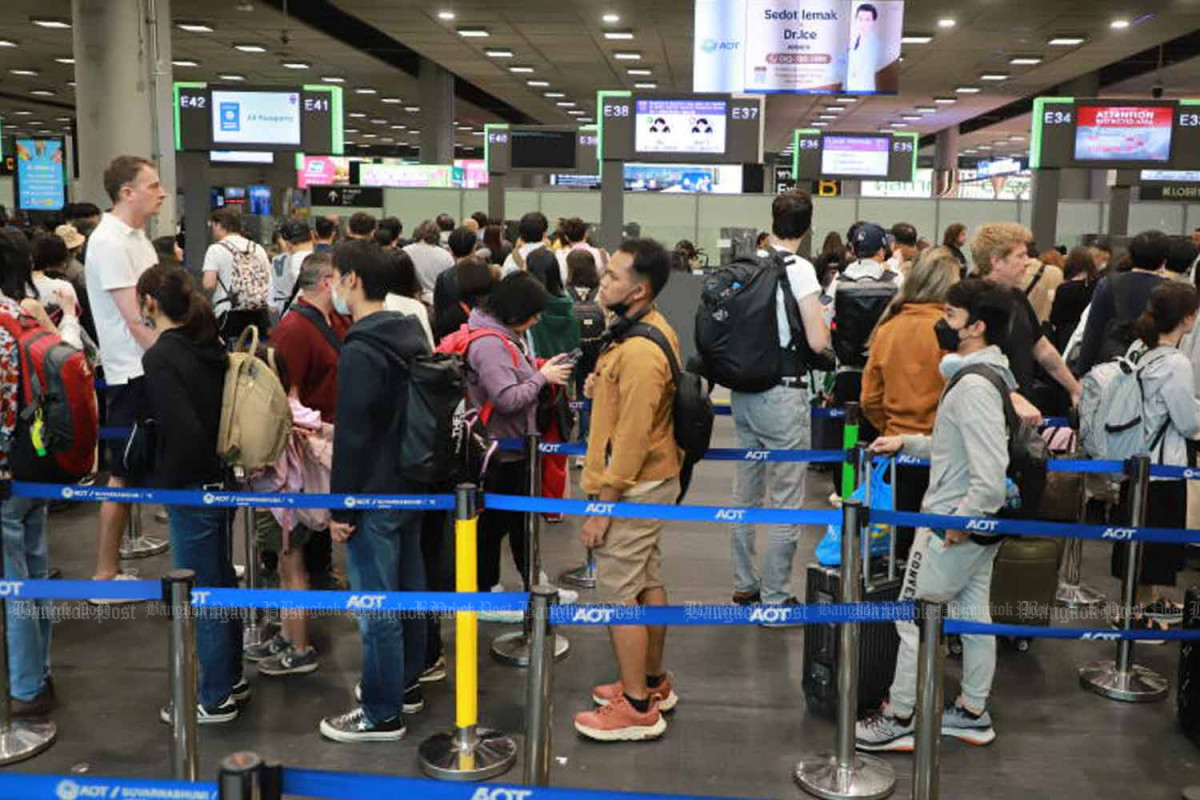
Vanich Kittichai, Published on 11/04/2026
» There have been a number of announcements from state agencies to do with visa policies in Thailand over the past several months that seem to have made the matter rather convoluted.