



Showing 1 - 10 of 1,668
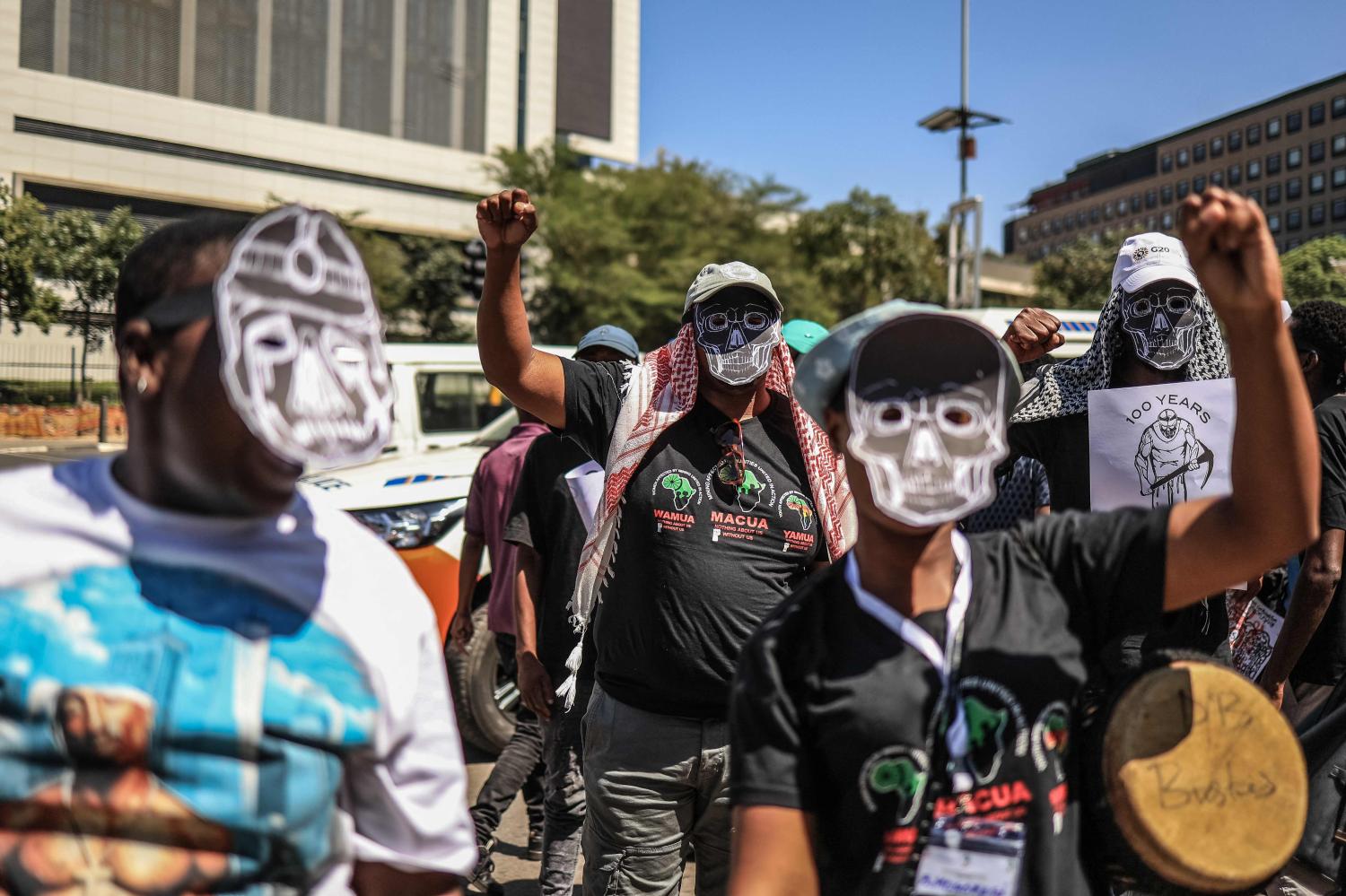
Why communities pay for mining
Oped, Christopher Rutledge, Published on 19/02/2026
» Last week, policymakers and industry executives of mining companies gathered in Cape Town for the annual African Mining Indaba. They followed a familiar script: governments would court investors, companies would promise jobs and growth, and champagne would flow as speakers tout Africa as indispensable to the global energy transition.
Could a Brics currency rival the dollar?
Oped, Jim O'Neill, Published on 18/02/2026
» Could the Brics (Brazil, Russia, India, China, South Africa) ever launch a shared currency to challenge the US dollar's dominant position in the world economy? Like many conventional international economists, I have generally dismissed the idea, despite my own role in coining the Brics acronym, which led to the creation of a formal Brics club (since expanded into the Brics+, with the addition of five new members).
Corruption keeps getting worse
Editorial, Published on 15/02/2026
» Everyone knows corruption in Thailand is bad, but few realise how bad. By global standards, Thailand is slipping into the bottom tier.
When journalism still exists -- but no longer matters
News, Carla Norrlöf, Published on 14/02/2026
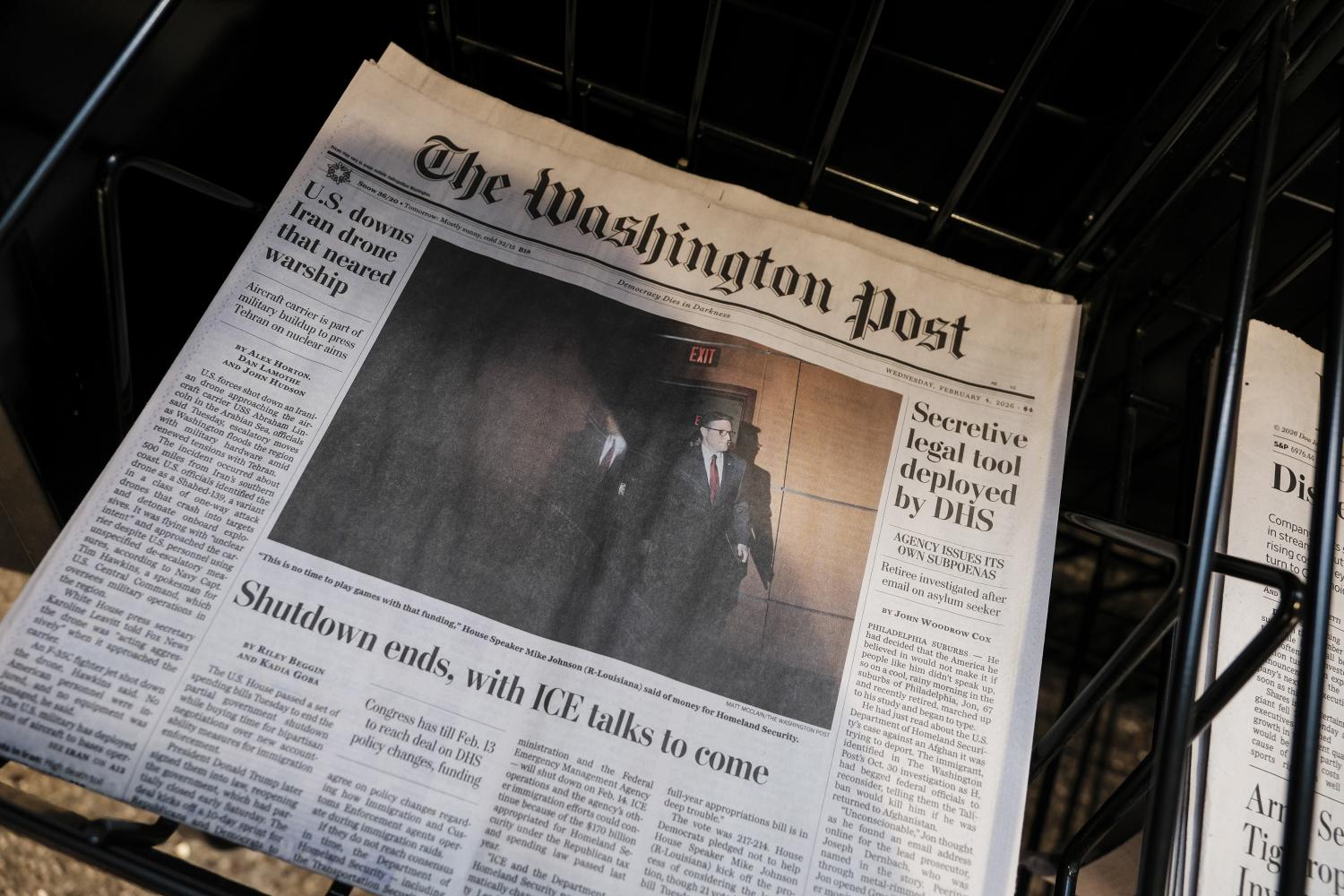
» 'Democracy Dies in Darkness" became the motto of the Washington Post in 2017, four years after Jeff Bezos, the Amazon founder and one of the world's richest men, purchased the newspaper. Today, however, Mr Bezos, who has throttled the Post's opinion page and now slashed the newspaper's staff, seems determined to demonstrate that a free press, an essential component of democracy, can be killed off in broad daylight.
How world's super-rich are rewriting the rules
Oped, Joseph E Stiglitz & Jayati Ghosh, Published on 13/02/2026
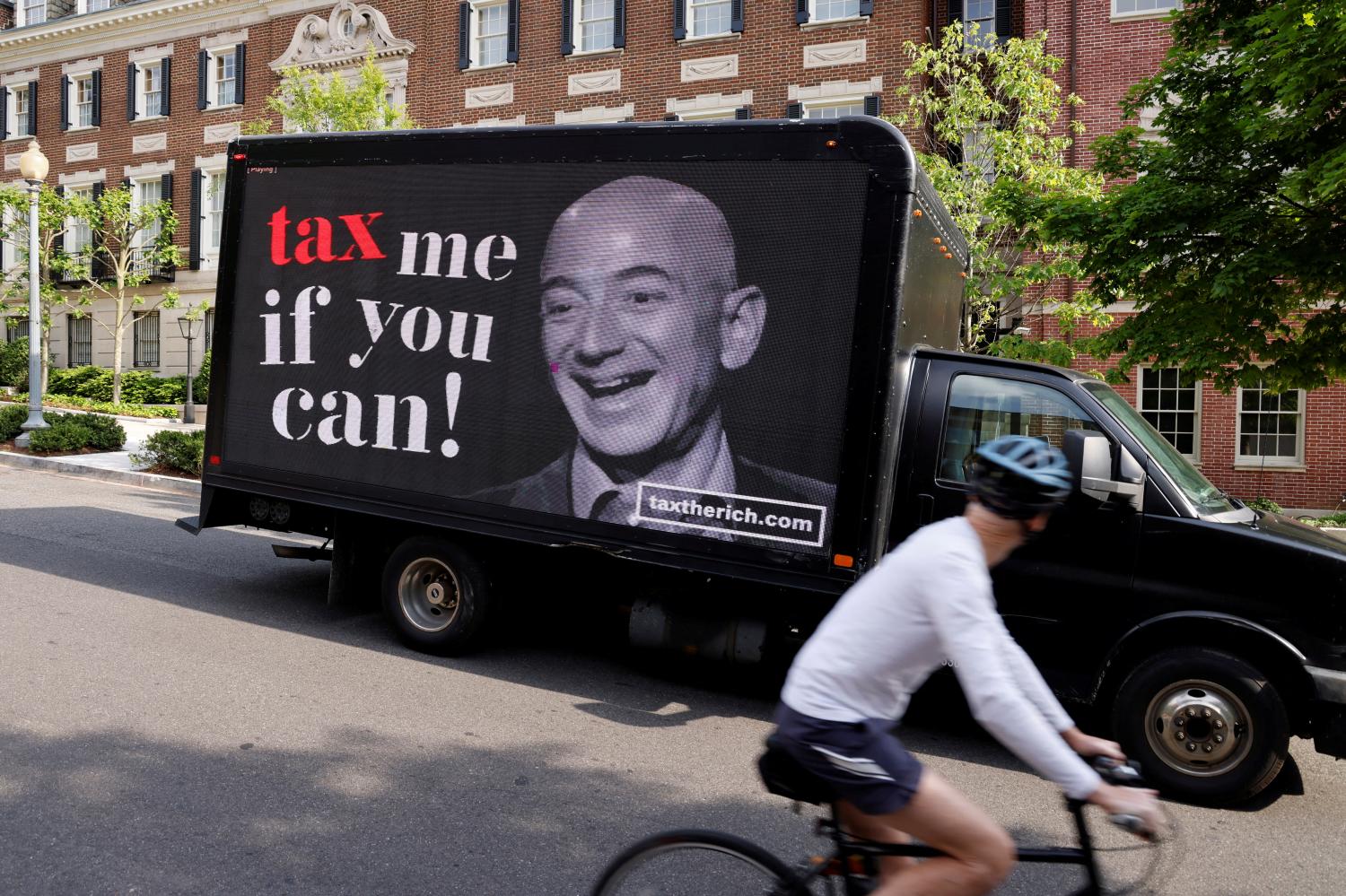
» Ongoing efforts to derail multilateral tax cooperation lie at the heart of a global programme to replace democratic governance with coercive rule by the extremely wealthy -- or what we call 21st-century Caesarism. Any strategy to counter this programme, therefore, must recognise that taxing extreme wealth is essential to saving democracy.
Emerging markets stand strong
Oped, Kristalina Georgieva and Mohammed Al-Jadaan, Published on 12/02/2026
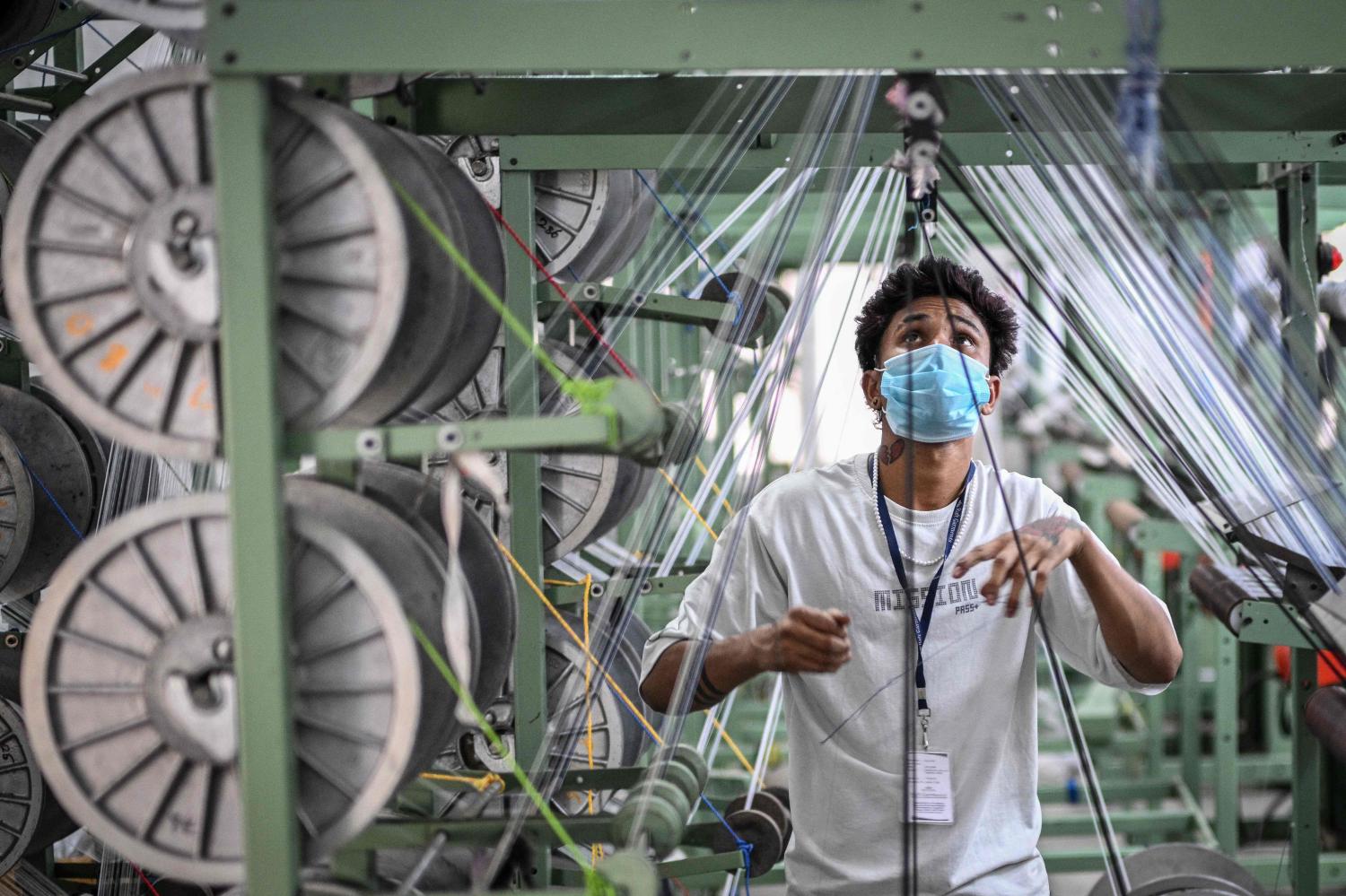
» It used to be that when advanced economies sneezed, emerging markets caught a cold. That is no longer true. Following recent global shocks, such as the post-pandemic inflation surge and a new wave of tariffs, emerging markets have held up well. Inflation has continued to slow, currencies have generally retained their value, and debt issuance costs have remained at manageable levels. There has been no sign of the kind of financial turbulence that came with past economic shocks.
Roaring global growth is emerging
News, Mike Dolan, Published on 11/02/2026
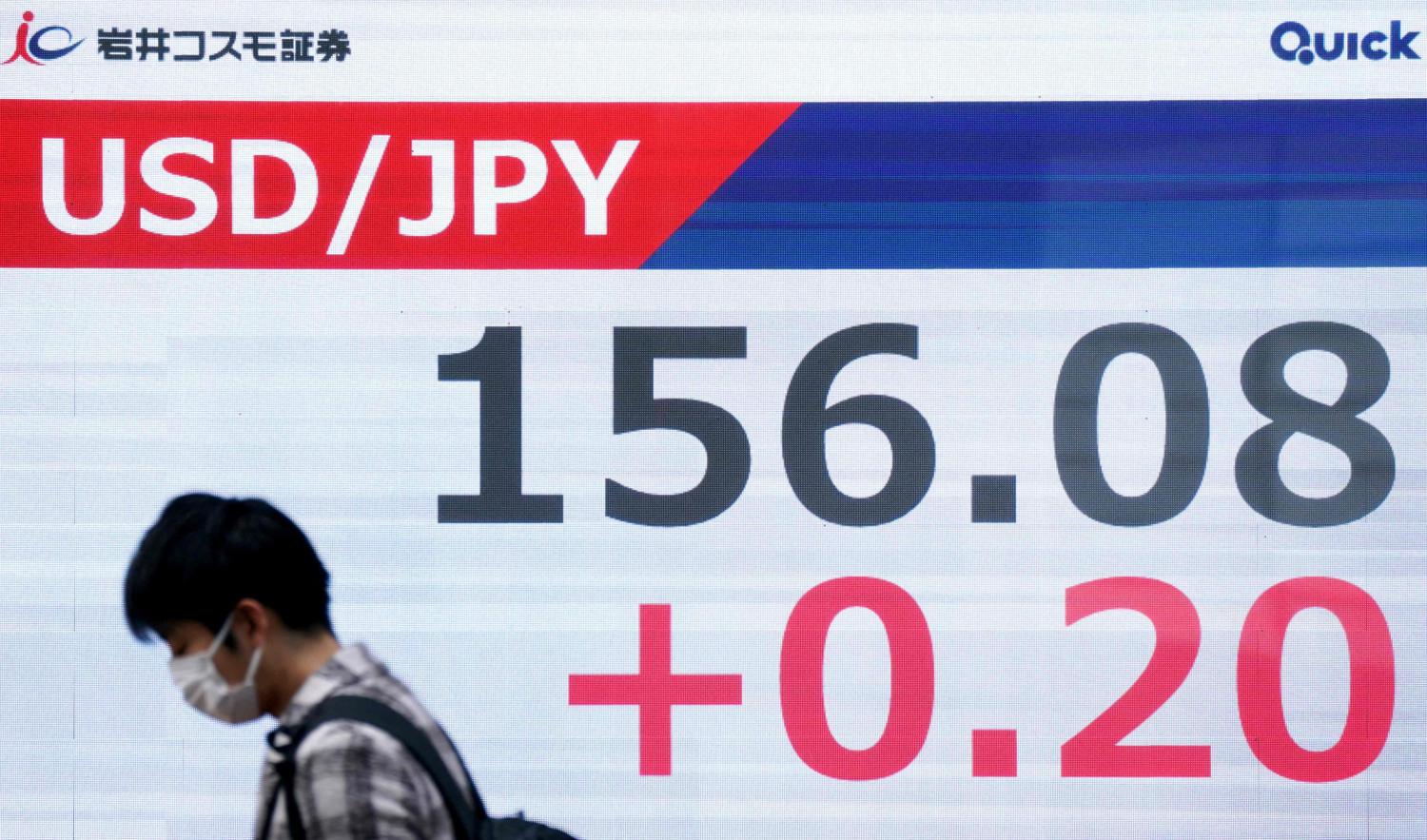
» The chaotic newsflow, geopolitical shape-shifting and wild market swings of 2026 have clouded one basic signal: the global economy is racing forward.
From conflict to shared prosperity
News, David Jay Green, Published on 10/02/2026
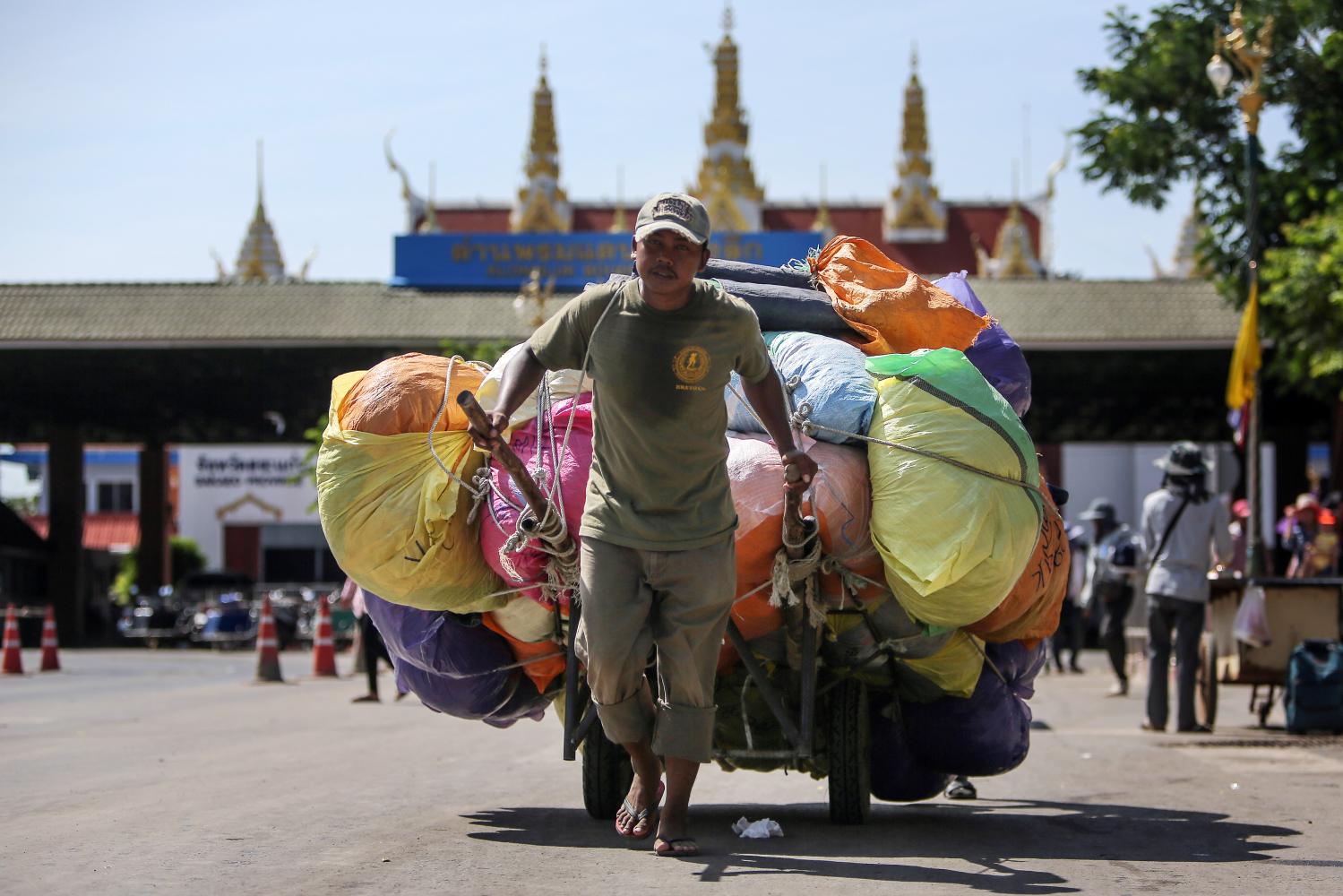
» The news from the front line, the border between Cambodia and Thailand, has a depressing familiarity. Another ceasefire is agreed upon, but it is accompanied by hostile statements from officials of both governments, and, in the past, such statements have led to aggressive action by one or both military forces. This opens the door to armed combat. People are killed or injured, property and infrastructure damaged, and people's livelihoods disrupted. We need to break this cycle; we need real peace.
Thailand reconsiders its foreign policy
News, Kavi Chongkittavorn, Published on 10/02/2026
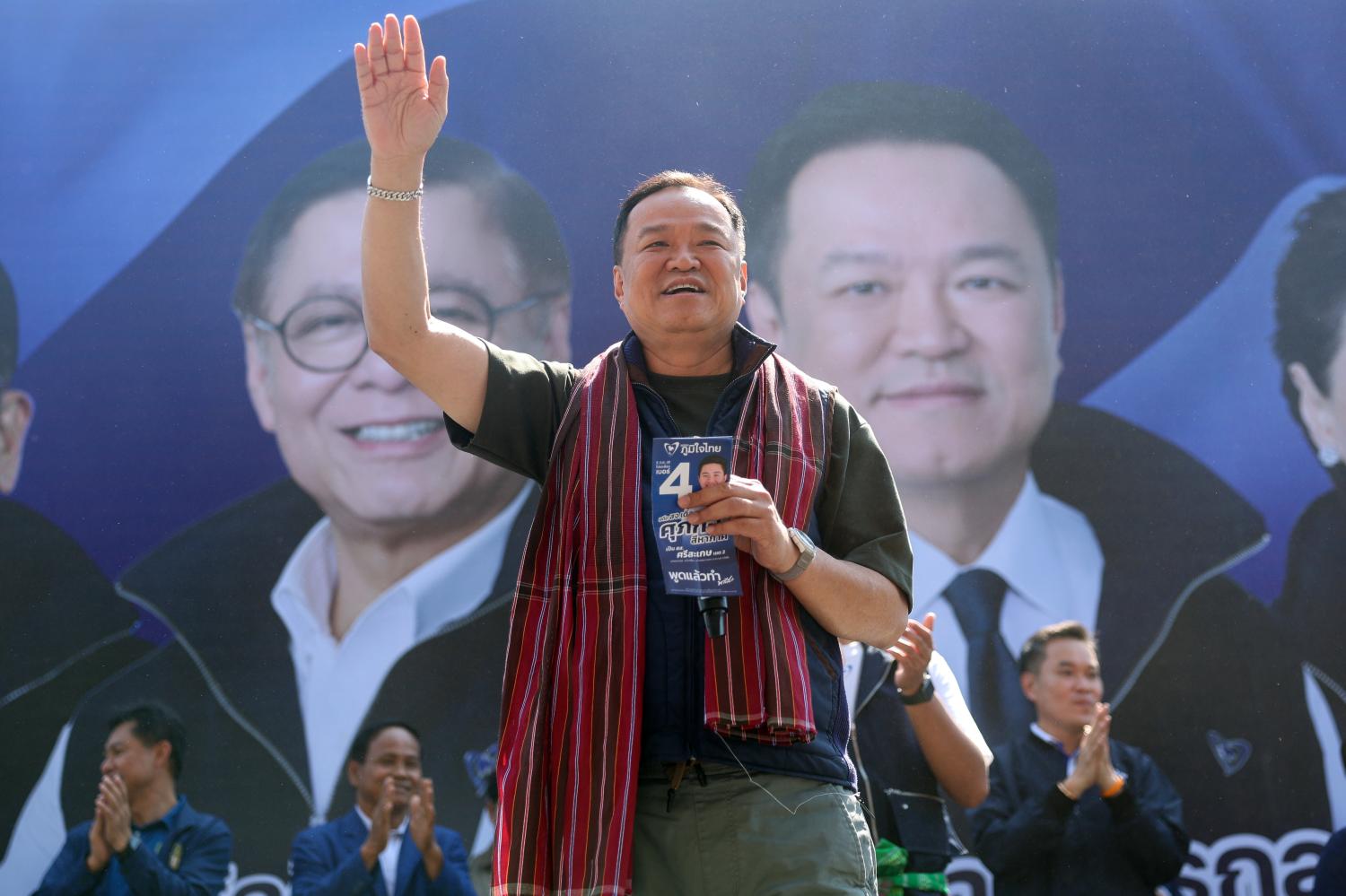
» Thai foreign policy was elevated to a high priority on the policy platforms of many political parties during Sunday's general election. The stakes have risen enormously due to growing public interest following the conflict with Cambodia.
Rethinking global health finance
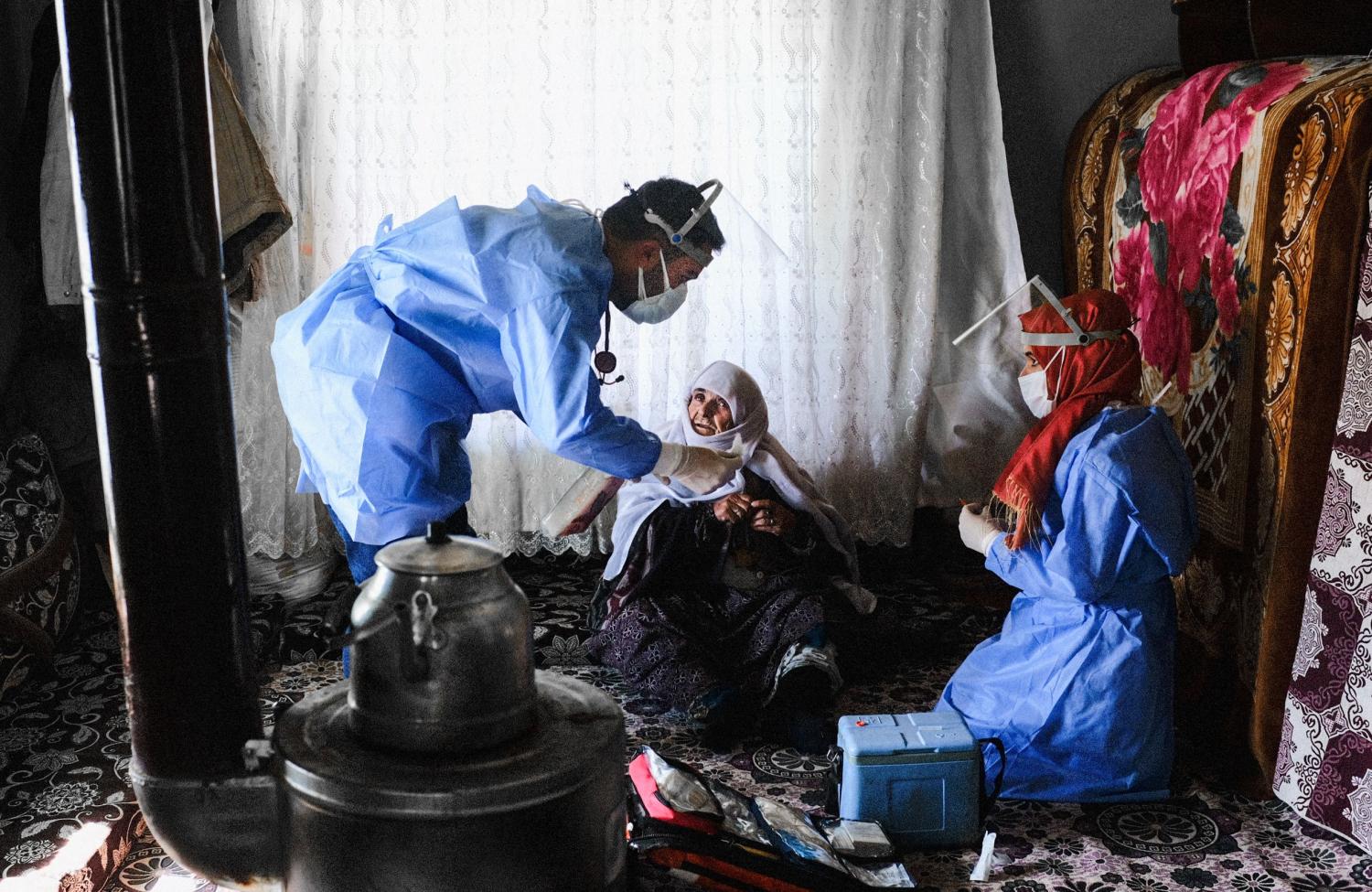
Oped, Walter O Ochieng & Tom Achoki, Published on 06/02/2026
» For the past half-century, the economics of global health were straightforward. Under the so-called "grant-based" approach, rich countries donate to poor countries, which use the funds to meet their populations' health needs. Success was measured by services provided or lives saved, rather than by balance sheets. While this model was far from perfect, the latest approach replacing it -- focused on using tools like guarantees and blended finance to crowd in private capital -- threatens to produce even worse outcomes.