




Showing 1 - 10 of 1,934
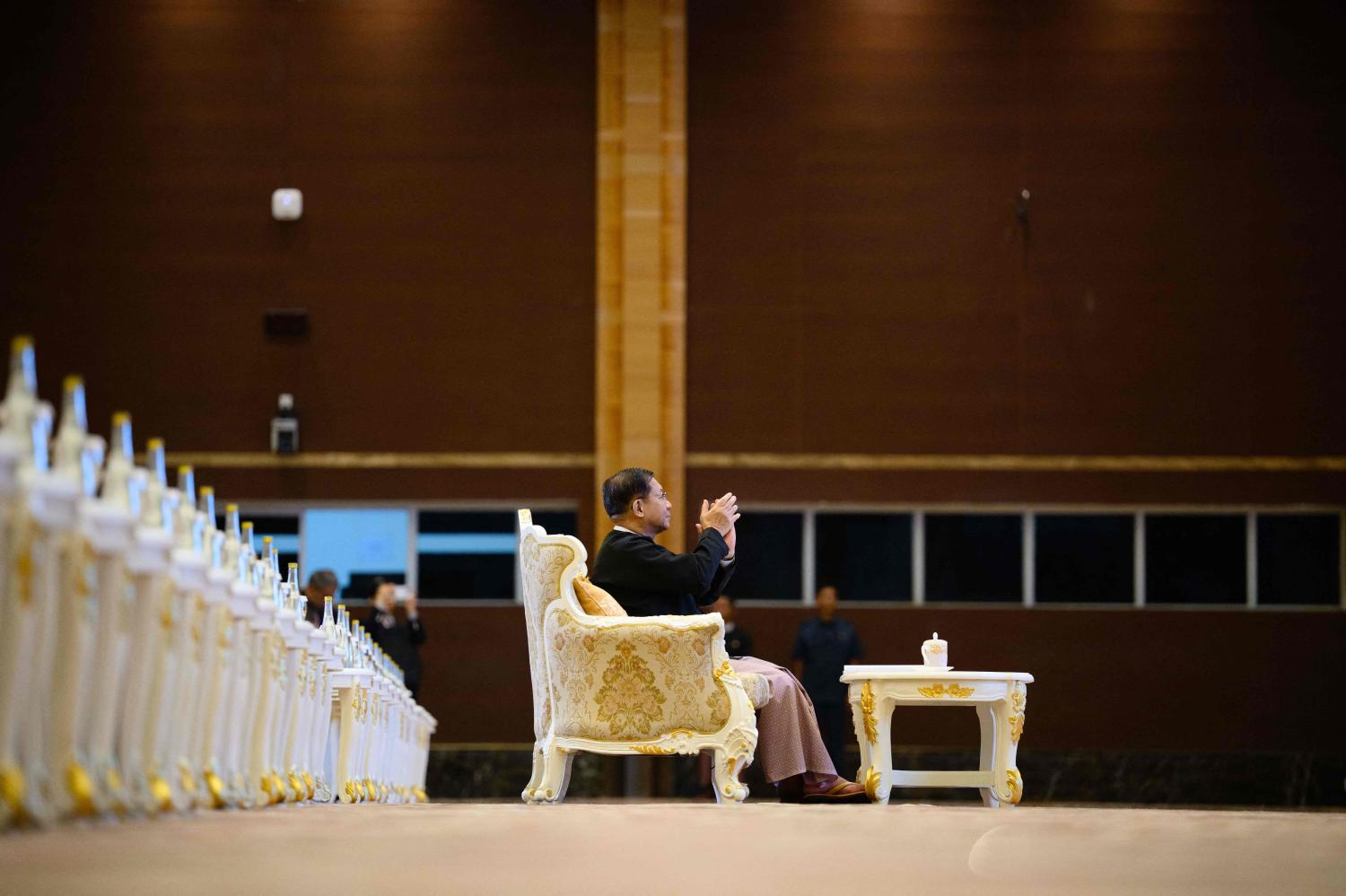
Myanmar's robbery of a democracy
Oped, Thitinan Pongsudhirak, Published on 24/04/2026
» Five long years after Myanmar's military seized power on 1 Feb 2021, what has taken place in recent weeks amounts to a delayed fait accompli. Led by Senior General Min Aung Hlaing, then commander-in-chief of the armed forces, the coup diverged from its traditional playbook seen in 1962 and 1988, when tanks rolled and the military ruled by brute force. This time, the takeover nearly unravelled amid a nationwide uprising that evolved into a civil war, waged by an armed and determined resistance comprising the civilian-led National Unity Government (NUG), the People's Defence Forces (PDFs), and a constellation of Ethnic Armed Organisations (EAOs).
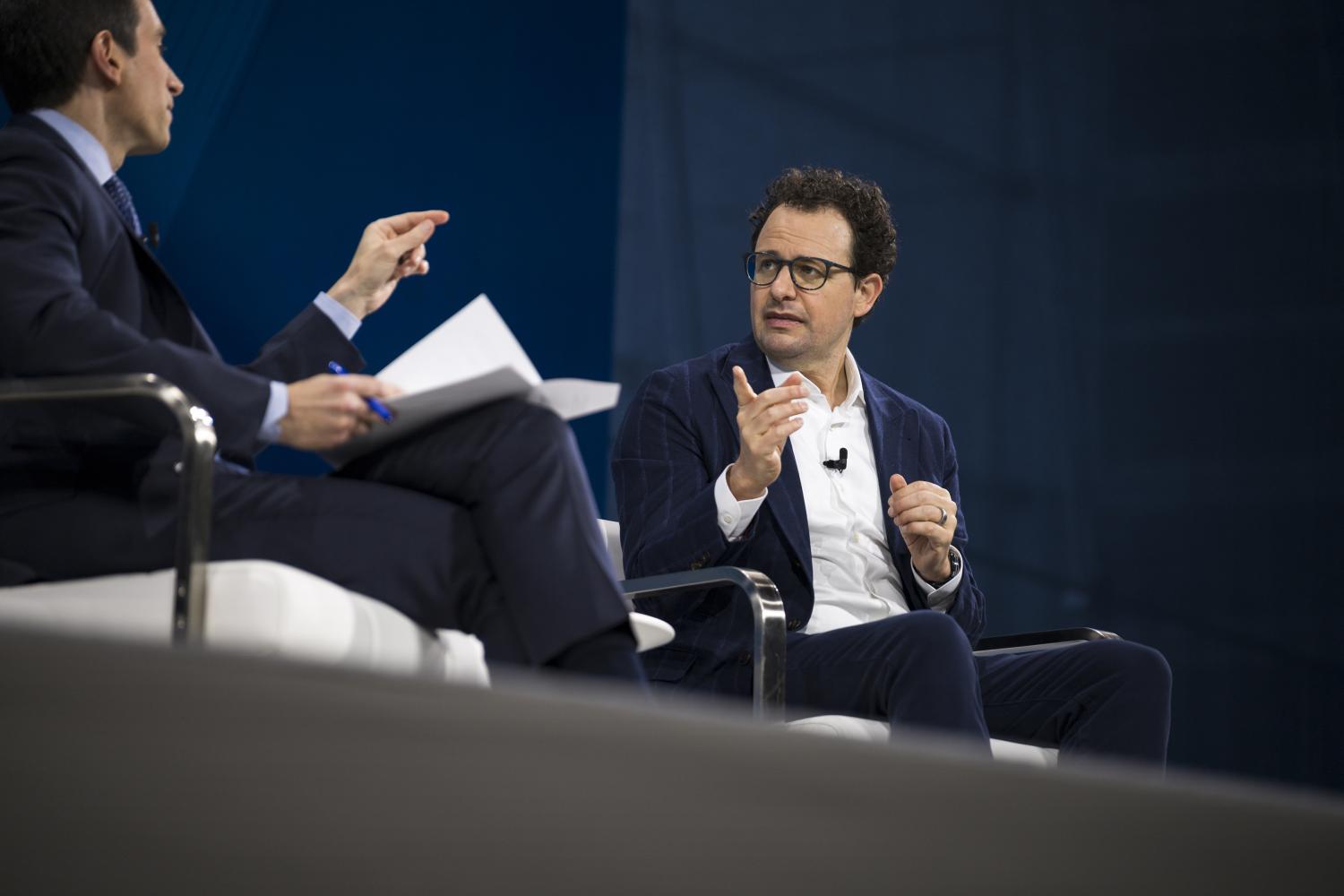
The global AI threat has arrived
Oped, S Alex Yang and Angela Huyue Zhang, Published on 24/04/2026
» Anthropic's new artificial intelligence (AI) model, Claude Mythos Preview, has alarmed business leaders and policymakers around the world because of its extraordinary ability to find and exploit vulnerabilities in major operating systems and web browsers. Even the Trump administration, which has feuded with Anthropic in recent months over certain military uses of its models, now seems keen to work with the company to protect critical government infrastructure from cyberattacks.

Trump’s ‘low IQ’ slur and the right’s race obsession
AFP, Published on 23/04/2026
» WASHINGTON - When US President Donald Trump this week attacked Supreme Court Justice Ketanji Brown Jackson and top House Democrat Hakeem Jeffries, two of America’s most prominent Black figures, he chose a particularly pejorative insult: “low IQ person”.
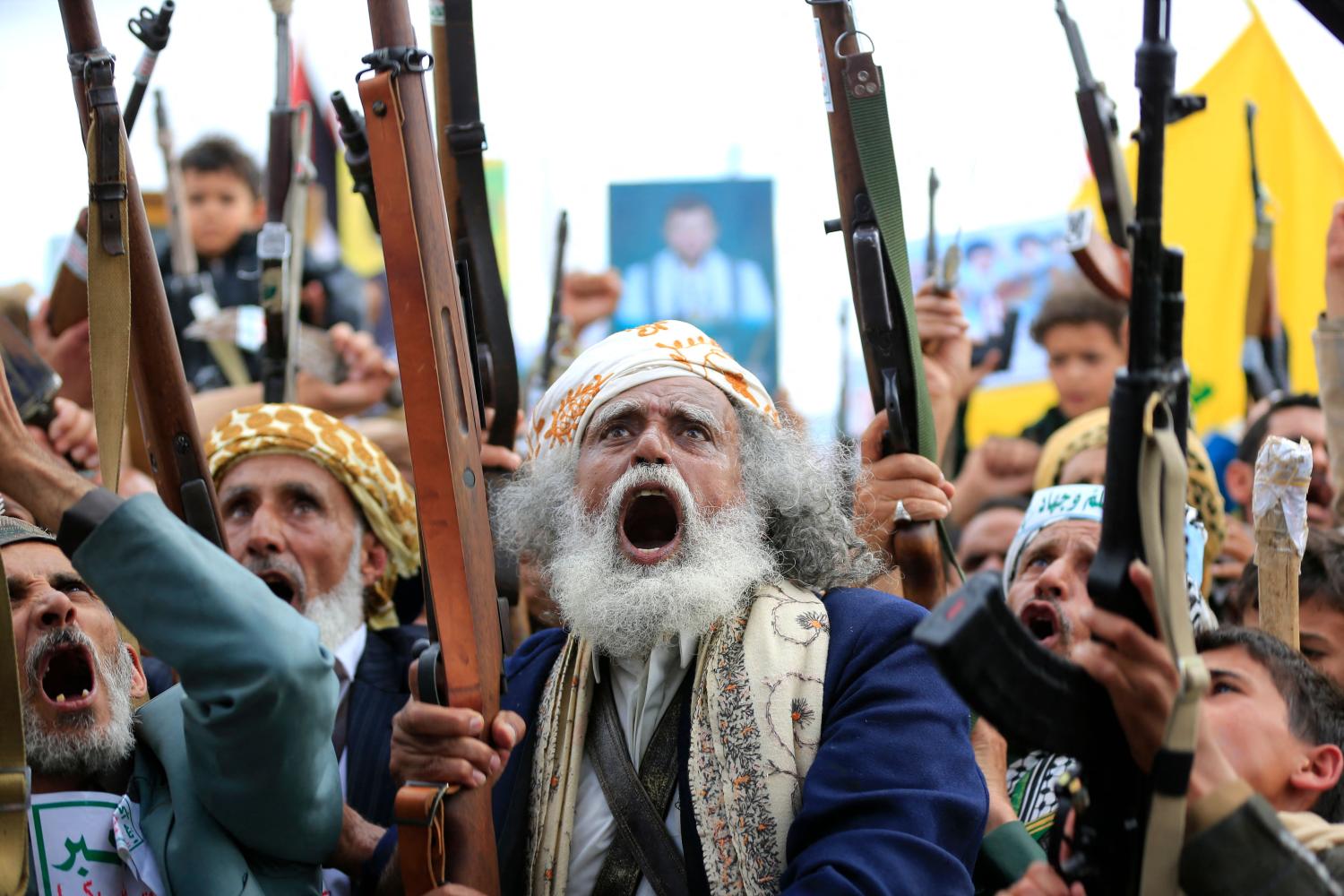
How can we future-proof the global economy?
Oped, Mohamed A El-Erian, Published on 23/04/2026
» An uncomfortable reality is becoming increasingly difficult to ignore. The global economy is in a period of "more frequent and violent shocks", as Nobel laureate Michael Spence puts it. Instead of facing isolated and temporary disruptions, we are confronting a structural shift towards unsettling volatility, deepening fragmentation, and a wider dispersion of outcomes for countries, companies, and households. The old world is gone, and virtually everyone risks losing out in the new one. The question is by how much and what to do about it.
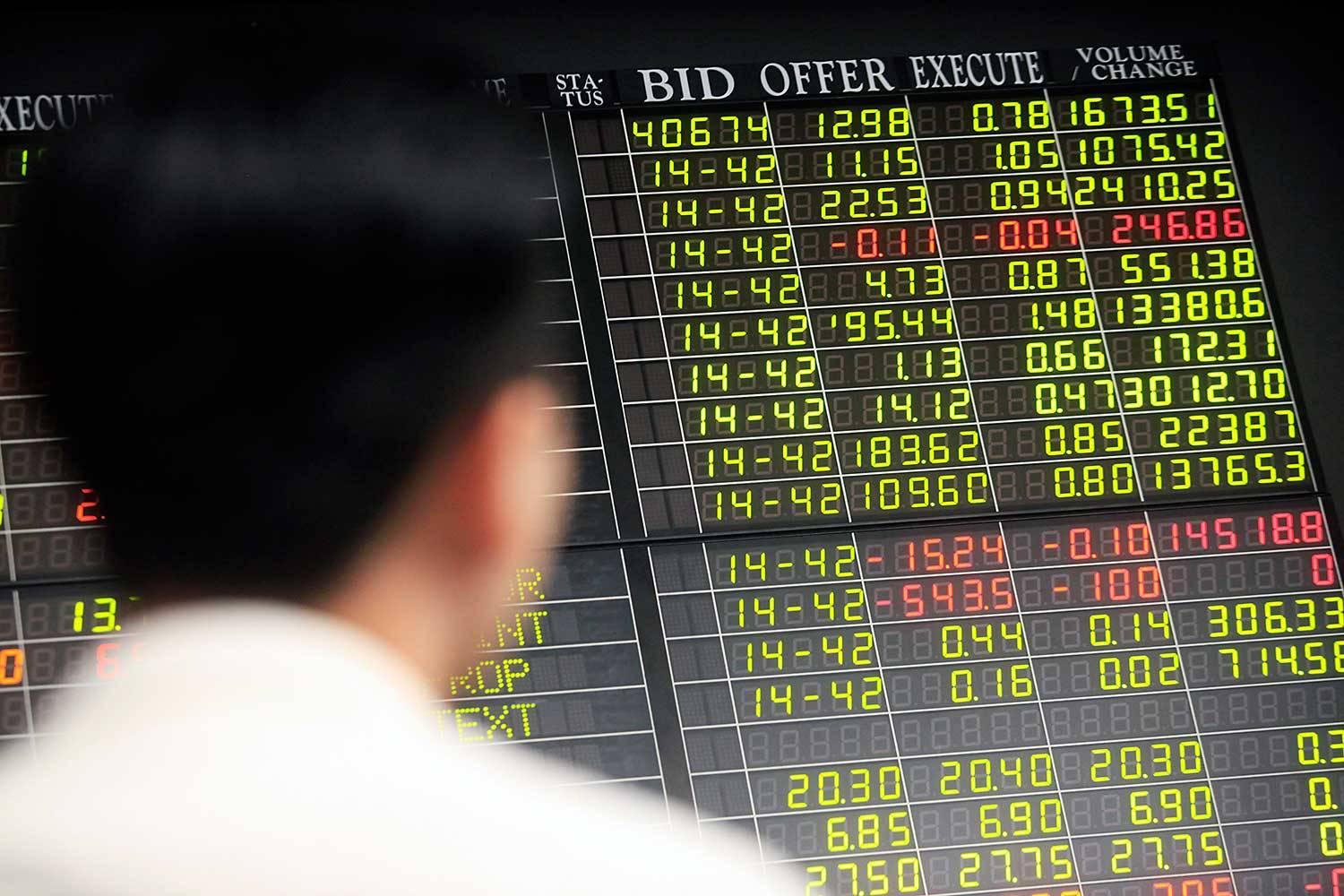
BLS sees strong Q1 results for listed firms
Business, Nuntawun Polkuamdee, Published on 22/04/2026
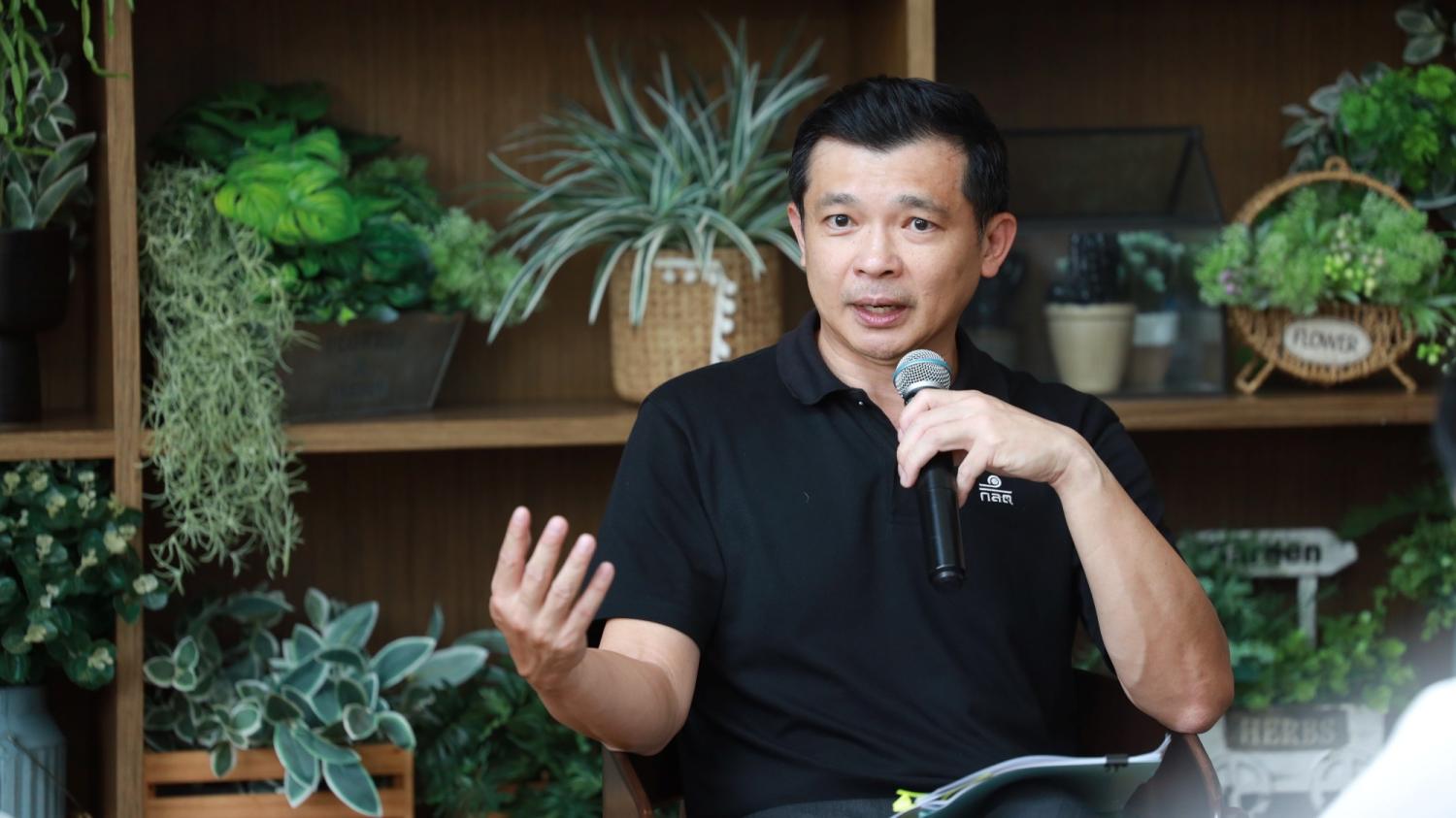
» Listed Thai companies are on track to deliver strong first-quarter financial results, with net profits projected to rise 15% year-on-year and 26% quarter-on-quarter, underpinned by sector-specific tailwinds, says Bualuang Securities (BLS).
SEC sets out key market reforms for 2026
Business, Nuntawun Polkuamdee, Published on 18/04/2026
» Amid persistent market volatility and mounting external pressures, the Securities and Exchange Commission (SEC) has outlined an ambitious roadmap for the rest of the year, prioritising structural reforms, investor confidence, and proactive risk management.
Arson attacks herald PM's southern visit
News, Apinya Wipatayotin, Published on 18/04/2026
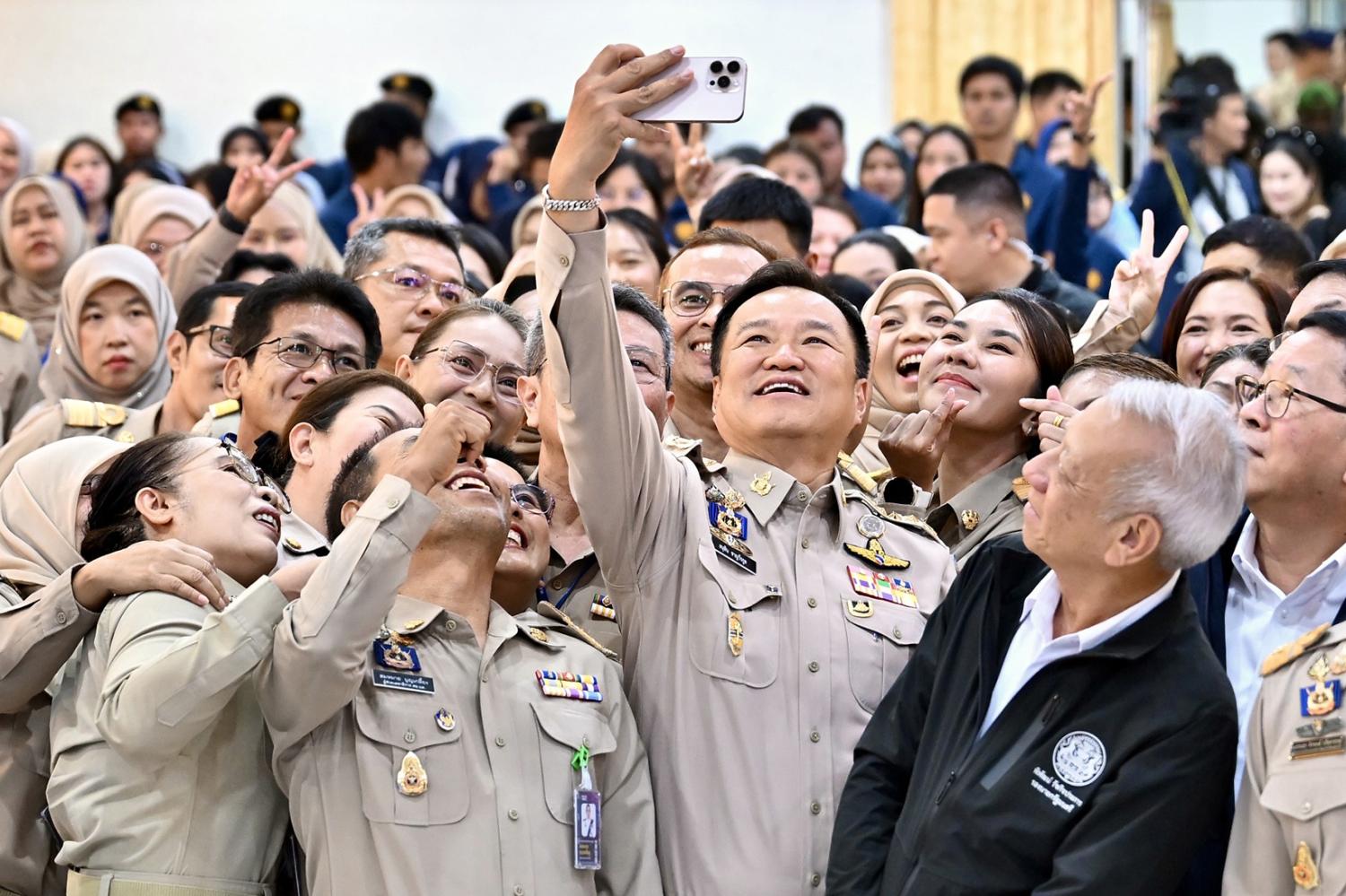
» Prime Minister Anutin Charnvirakul on Friday pledged to accelerate peace efforts in the deep South as suspected insurgents carried out arson attacks believed to be symbolic acts timed with his visit.
Policy viability under scrutiny
News, Aekarach Sattaburuth, Published on 17/04/2026
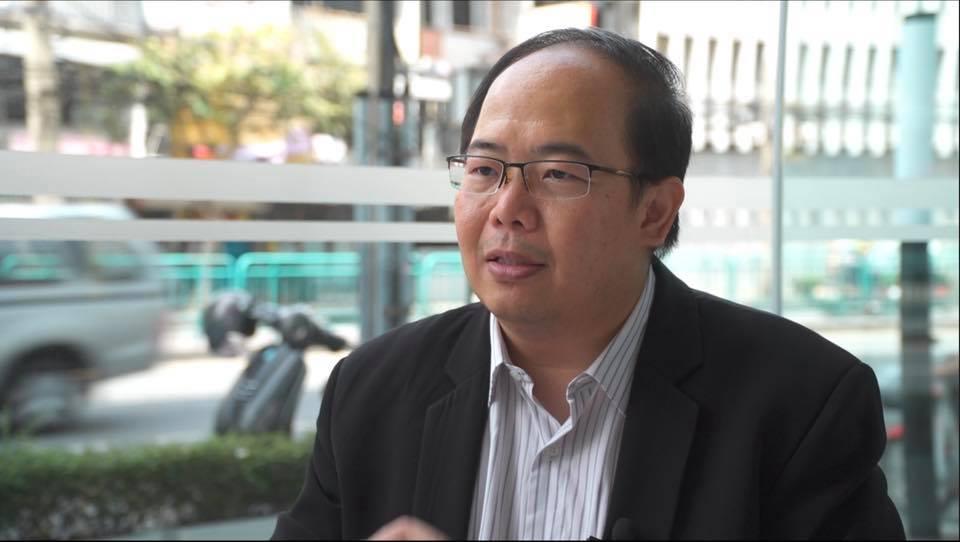
» Analysts have expressed caution over the feasibility of Prime Minister Anutin Charnvirakul's "Five Pillars" policy roadmap, unveiled under the slogan "Promises Delivered," citing a lack of clearly differentiated initiatives, the absence of a "signature" policy, and the lack of an explicit commitment to constitutional amendments.
Initiative touts regional AI-driven commerce
Business, Suchit Leesa-nguansuk, Published on 16/04/2026
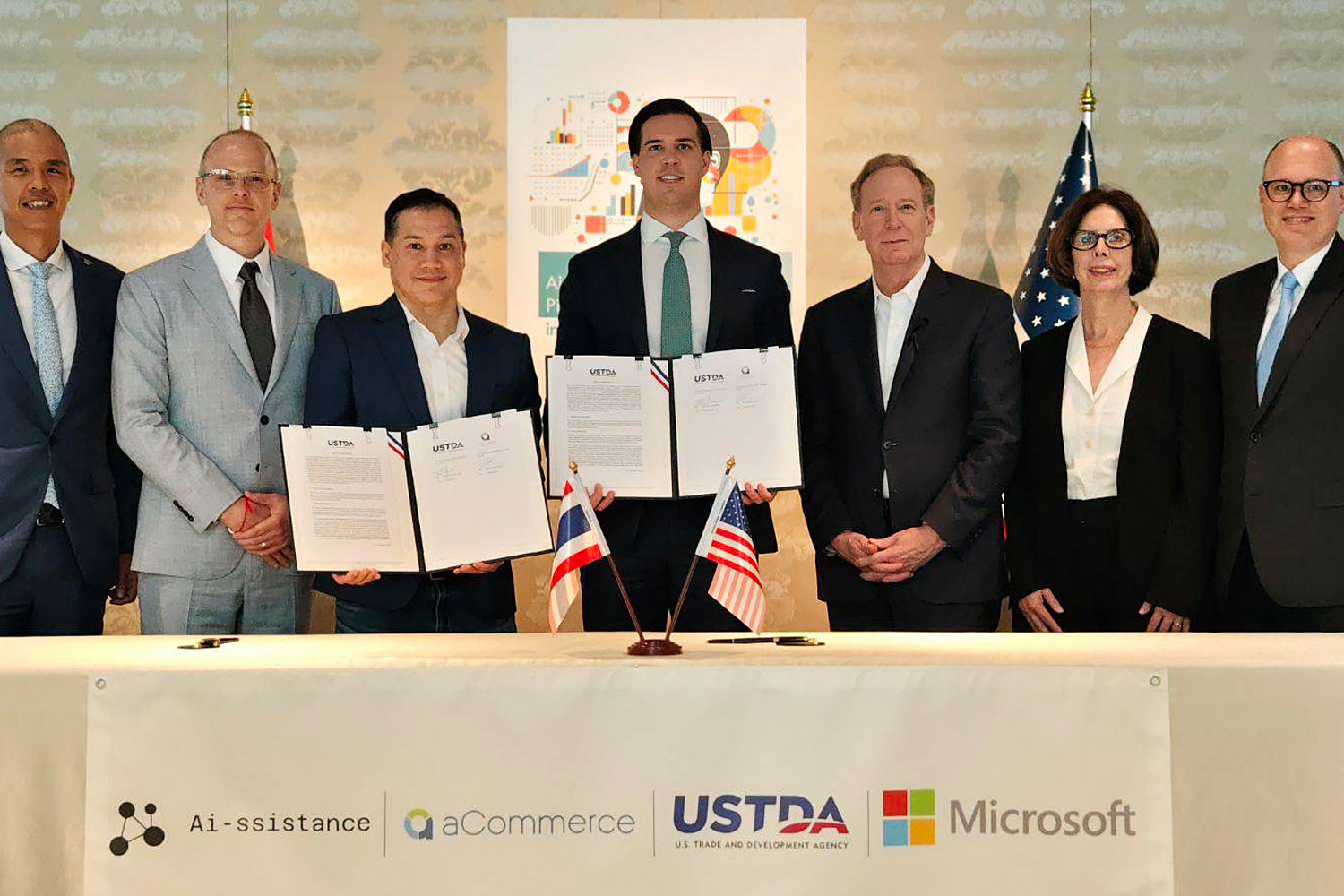
» Regional e-commerce enabler aCommerce has partnered with artificial intelligence (AI) startup Ai-ssistance, Microsoft and the US government to advance AI-driven commerce in Thailand and across Southeast Asia.
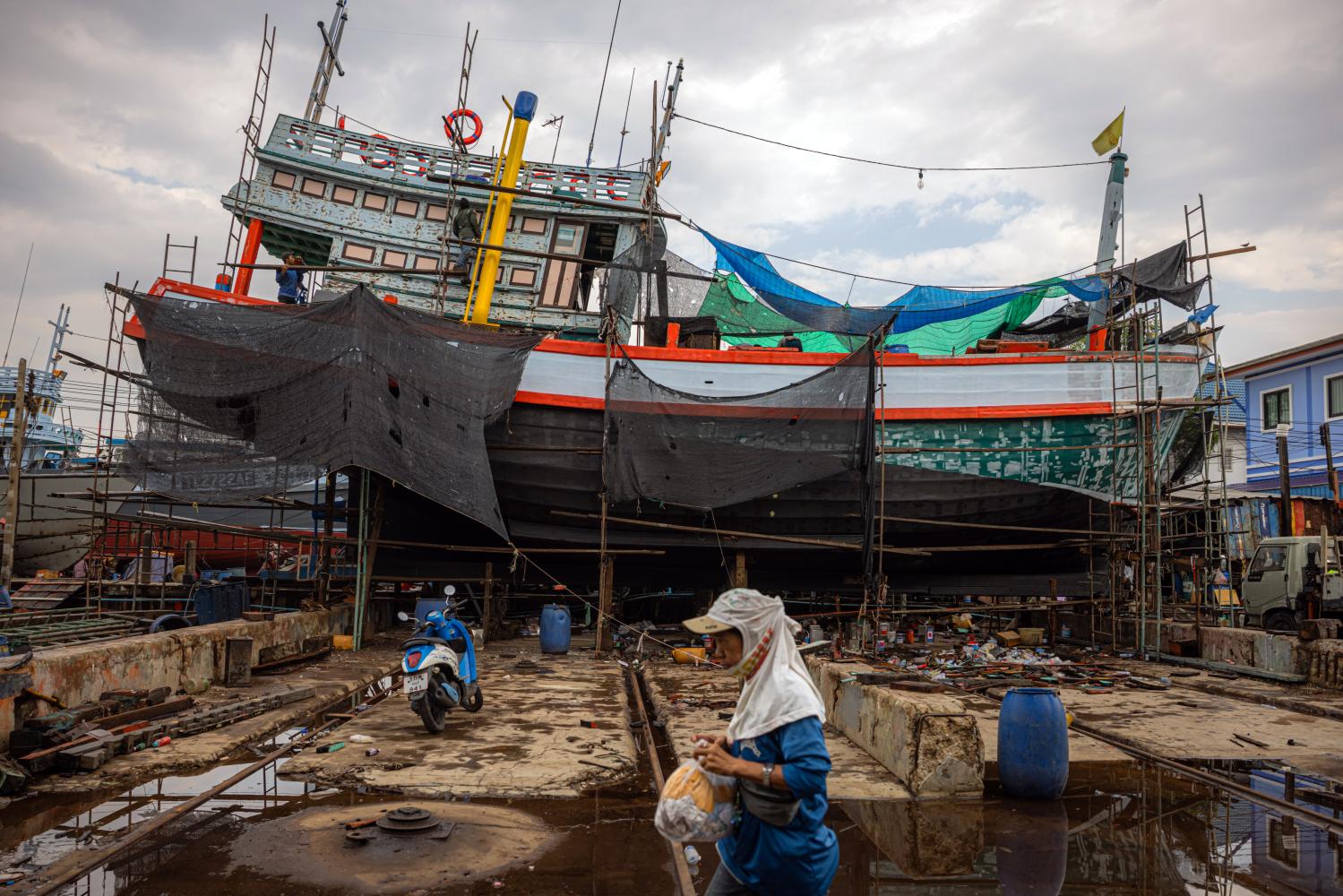
Oil shock risks wider chain reaction
Oped, Chartchai Parasuk, Published on 16/04/2026
» There is no such thing as a free lunch. When global oil prices rise sharply, as they are doing now, someone must bear the cost. Some countries choose to absorb it through government support, as in Japan, while others pass the burden on to consumers, as in Thailand. Neither approach is inherently right or wrong; each carries different economic consequences. Policymakers must decide which set of outcomes is more acceptable and act accordingly.