




Showing 1 - 10 of 707

Crypto push undermines US power
Oped, Jayati Ghosh, Published on 20/04/2026
» The Ouroboros, the ancient image of a serpent devouring its own tail, has long symbolised self-defeating strategies. It is thus an apt metaphor for US President Donald Trump's current policies. His reckless and illegal war against Iran is the clearest example, but his administration's enthusiastic embrace of crypto currencies represents a subtler, slower-burning expression of the same self-destructive tendency.
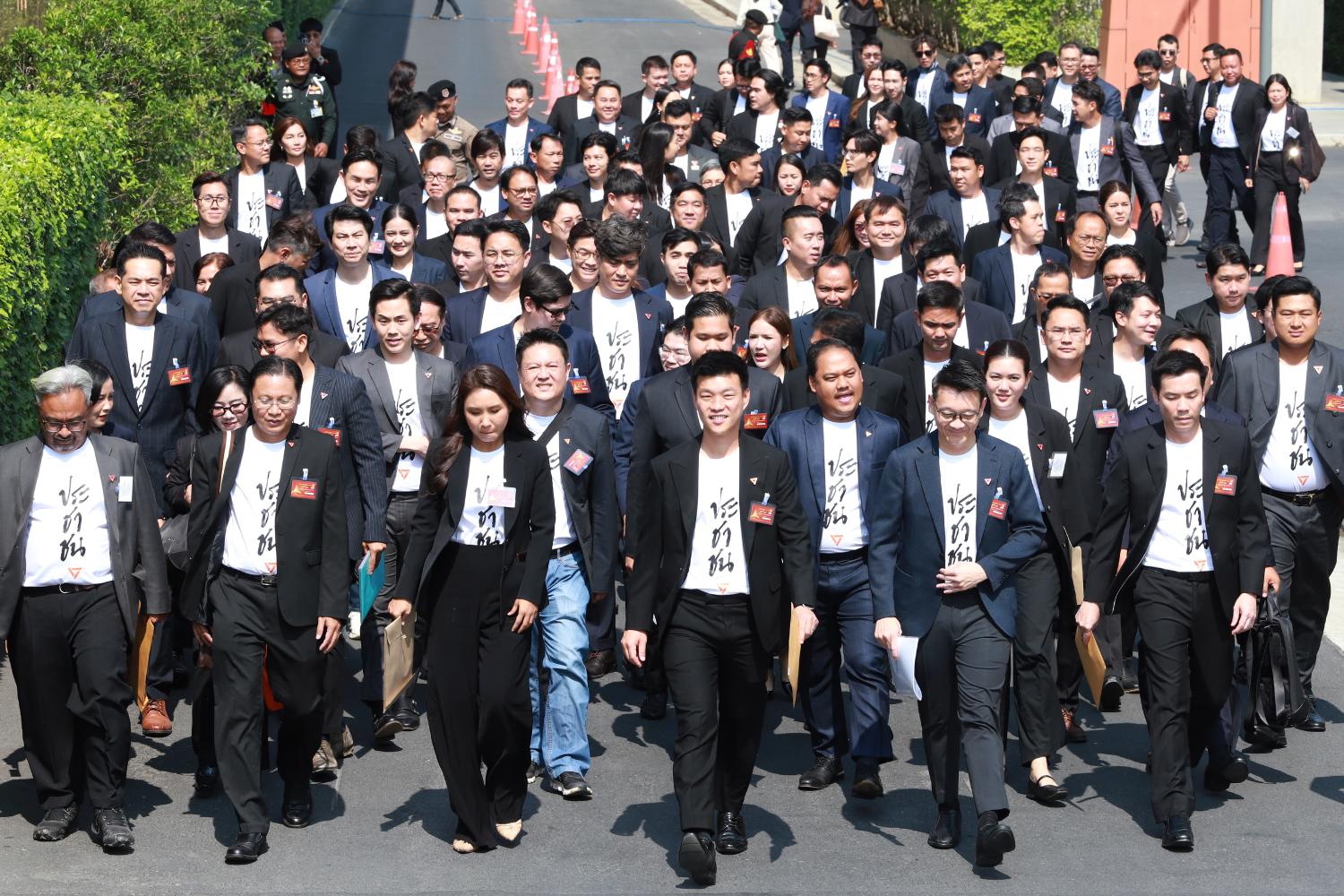
PP's fate in hands of Supreme Court
News, Chairith Yonpiam, Published on 18/04/2026
» Progress of the legal case against 44 former Move Forward Party (MFP) MPs involved in a proposed amendment of Section 112 of the criminal code -- the lese-majeste law -- is heating up an already simmering political atmosphere.

When will the IMF ever learn?
Oped, Timothy Kaldas, Published on 16/04/2026
» This year's International Monetary Fund Spring Meetings come at a time of heightened economic uncertainty and intense scrutiny of the institution's capabilities and approach. Critics on the left argue that the IMF imposes regressive austerity measures on borrowers, exacerbating poverty, hampering economic growth, and undermining their ability to achieve debt sustainability. On the right, US President Donald Trump's administration has accused the IMF of "mission creep," claiming that it has strayed from its core mandate of maintaining macroeconomic stability.
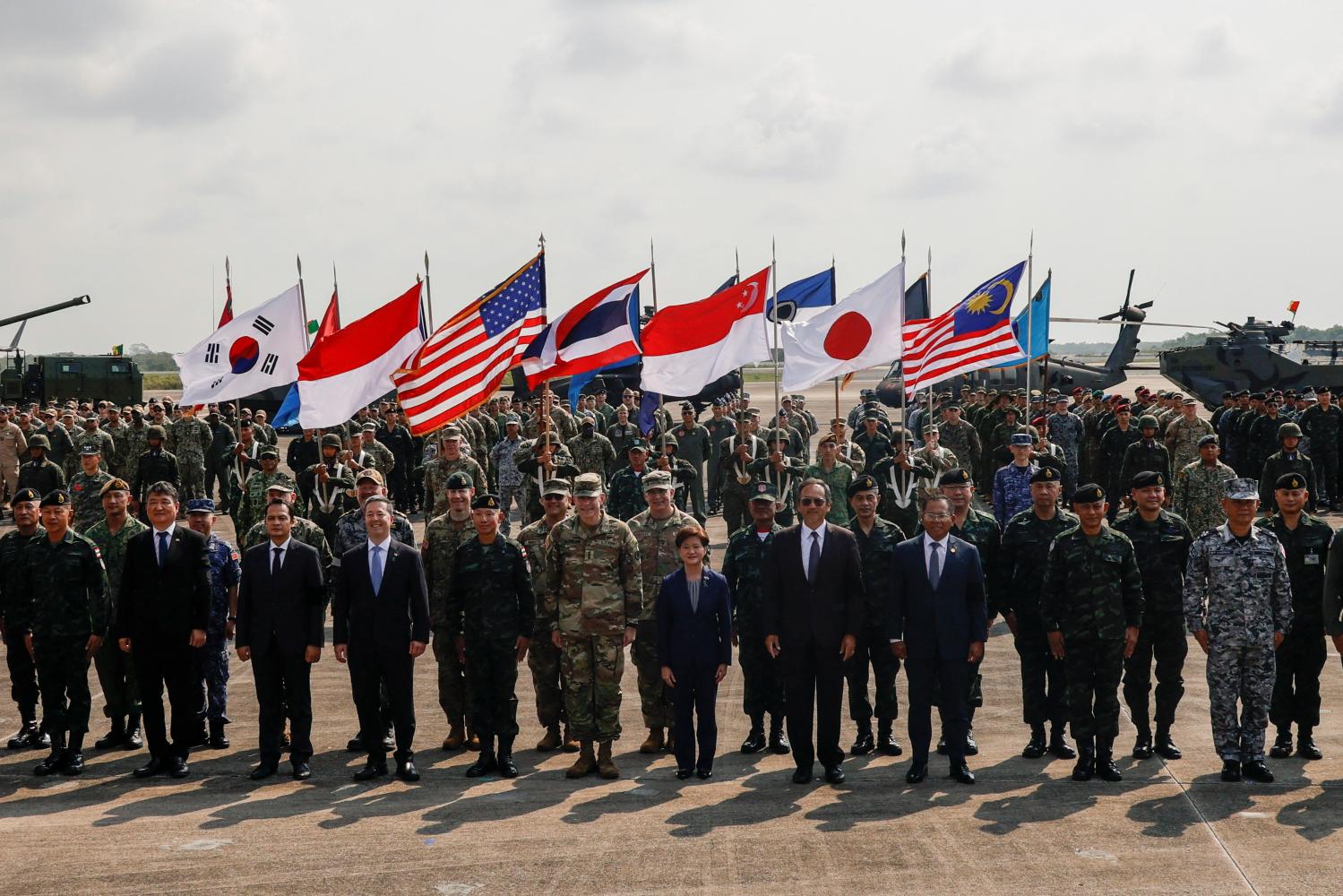
Can alliances with the US be replaced?
Oped, Kavi Chongkittavorn, Published on 07/04/2026
» The increasingly loud debate over the future of alliances -- after reports that the US could scale back or even withdraw from Nato -- is nerve-racking. It has caused alarm across Europe and in Southeast Asia, another node of the US alliance network. Even without any official decision, remarks by US President Donald Trump on social media were enough to shake already fragile US alliances. The question now frequently asked by Thai policymakers is: What comes next if alliances weaken?

A plaintive song for the taxman
Roger Crutchley, Published on 29/03/2026
» I've just got back from filing my income tax and must thank the staff at the branch of the Revenue Department for their helpfulness and efficiency. It must be a thankless job knowing that nearly everyone they deal with would probably rather be somewhere else.

PM's crisis-coping skills again in doubt
Oped, Nattaya Chetchotiros, Published on 26/03/2026
» A joint military attack on Iran by the United States and Israel appears to have had a profound political impact on the Anutin government. Prime Minister Anutin Charnvirakul and his ministers have come under heavy criticism from the public and commentators alike for what is widely seen as a failure to handle the oil supply situation effectively.

Piyabutr’s farewell post could have been an email
Vanich Kittichai, Published on 07/03/2026
» A frustrating but inescapable part of leading change is the need to maintain an image of complete assuredness and confidence. Even when facing external or internal friction, an agent of revolution can never really let on that they harbour any doubt or dissatisfaction. It is those moments of uncertainty that allow proponents of the status quo to delegitimise the entire movement.
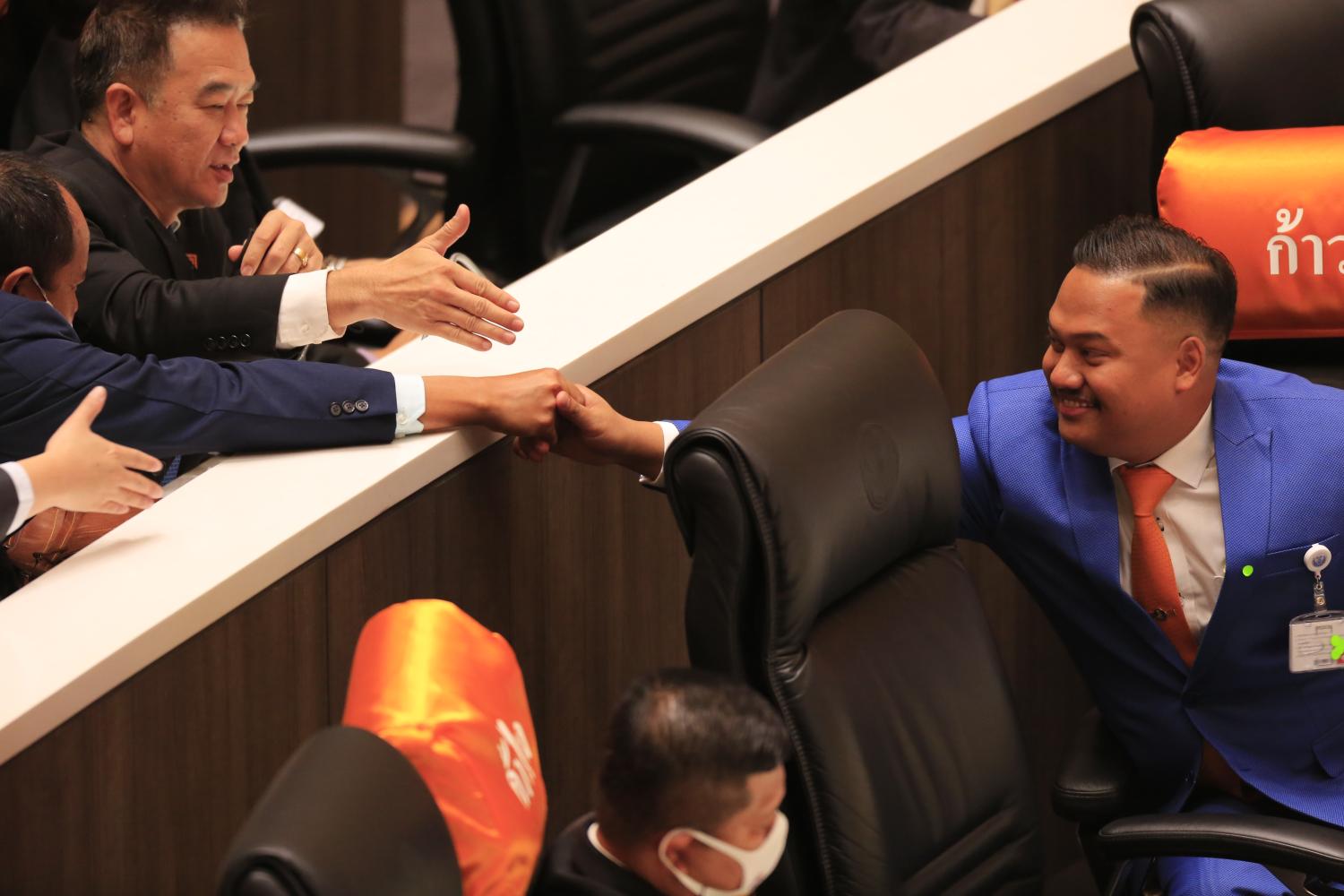
People's Party needs to sort out its mess
Oped, Veera Prateepchaikul, Published on 23/02/2026
» Two weeks have passed since the election on Feb 8, and yet no one has come up with proof that the barcodes and QR codes printed on ballot sheets used on the day can be traced back to individual voters, showing for whom and which parties they voted for.
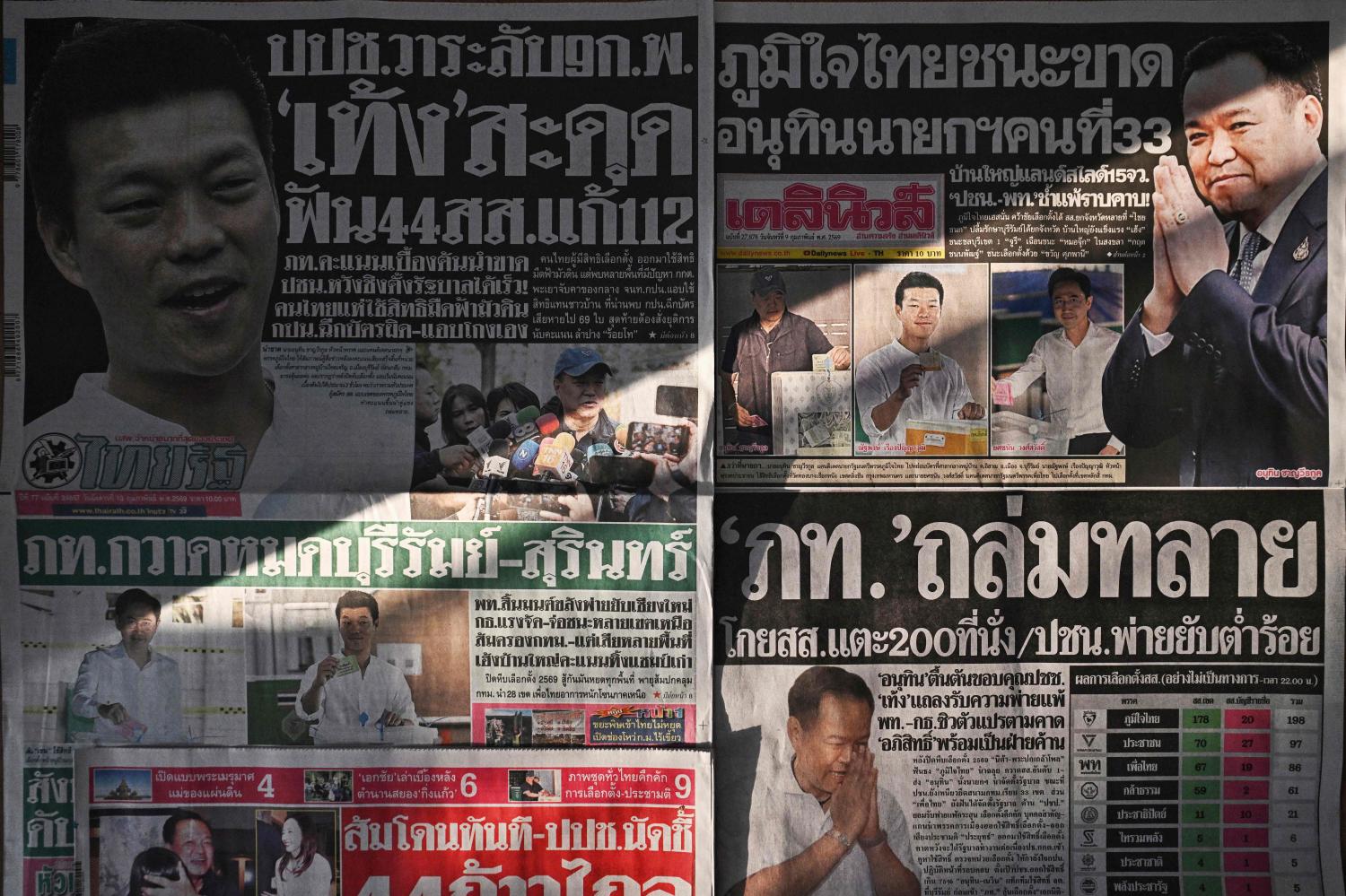
Implications of conservative triumph
Oped, Thitinan Pongsudhirak, Published on 13/02/2026
» The incumbent and conservative Bhumjaithai (BJT) Party has surprisingly swept Thailand's Feb 8 election with a commanding win. With the previously poll-leading and progressive People's Party (PP) coming in a distant second, Thailand appears headed for a conservative coalition government revolving around BJT and like-minded junior partners. Known for its conservative stance and being pro-status quo, it would not be surprising if the BJT-led coalition government, led by Prime Minister-elect Anutin Charnvirakul, were not challenged by the Constitutional Court, the Election Commission, and other supervisory agencies, which have derailed and dissolved reform-minded winning parties in the past.

How world's super-rich are rewriting the rules
Oped, Joseph E Stiglitz & Jayati Ghosh, Published on 13/02/2026
» Ongoing efforts to derail multilateral tax cooperation lie at the heart of a global programme to replace democratic governance with coercive rule by the extremely wealthy -- or what we call 21st-century Caesarism. Any strategy to counter this programme, therefore, must recognise that taxing extreme wealth is essential to saving democracy.