




Showing 1 - 10 of 1,826

How can we future-proof the global economy?
Oped, Mohamed A El-Erian, Published on 23/04/2026
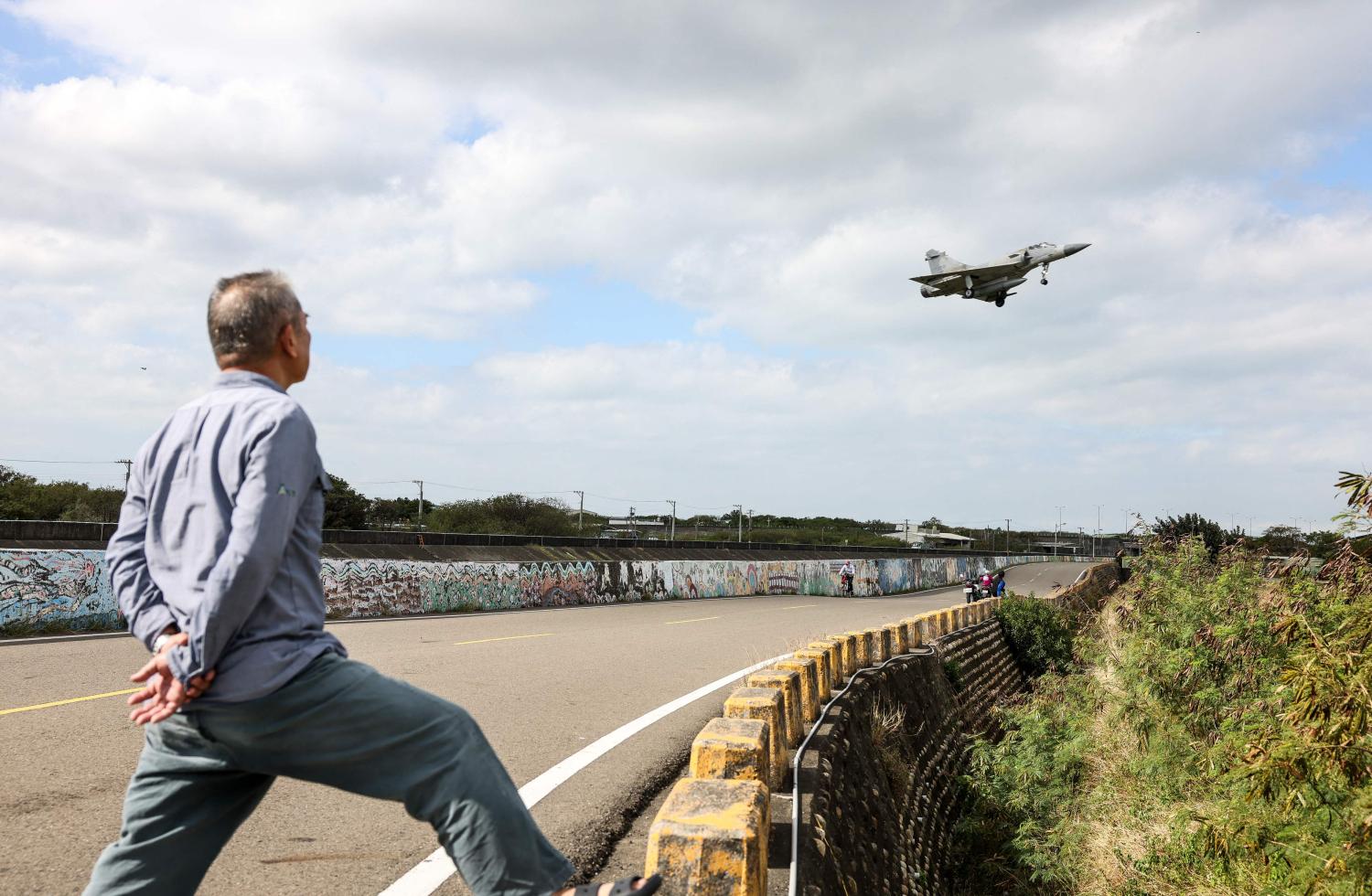
» An uncomfortable reality is becoming increasingly difficult to ignore. The global economy is in a period of "more frequent and violent shocks", as Nobel laureate Michael Spence puts it. Instead of facing isolated and temporary disruptions, we are confronting a structural shift towards unsettling volatility, deepening fragmentation, and a wider dispersion of outcomes for countries, companies, and households. The old world is gone, and virtually everyone risks losing out in the new one. The question is by how much and what to do about it.
Chokepoints expose fragility of our global order
Oped, Todd G Buchholz, Published on 22/04/2026
» Most schoolchildren learn that the Earth is roughly 40,000km around. They do not learn that the global economy depends on just 160 of those kilometres.
Mining is killing region's rivers
Oped, Pianporn Deetes, Published on 21/04/2026
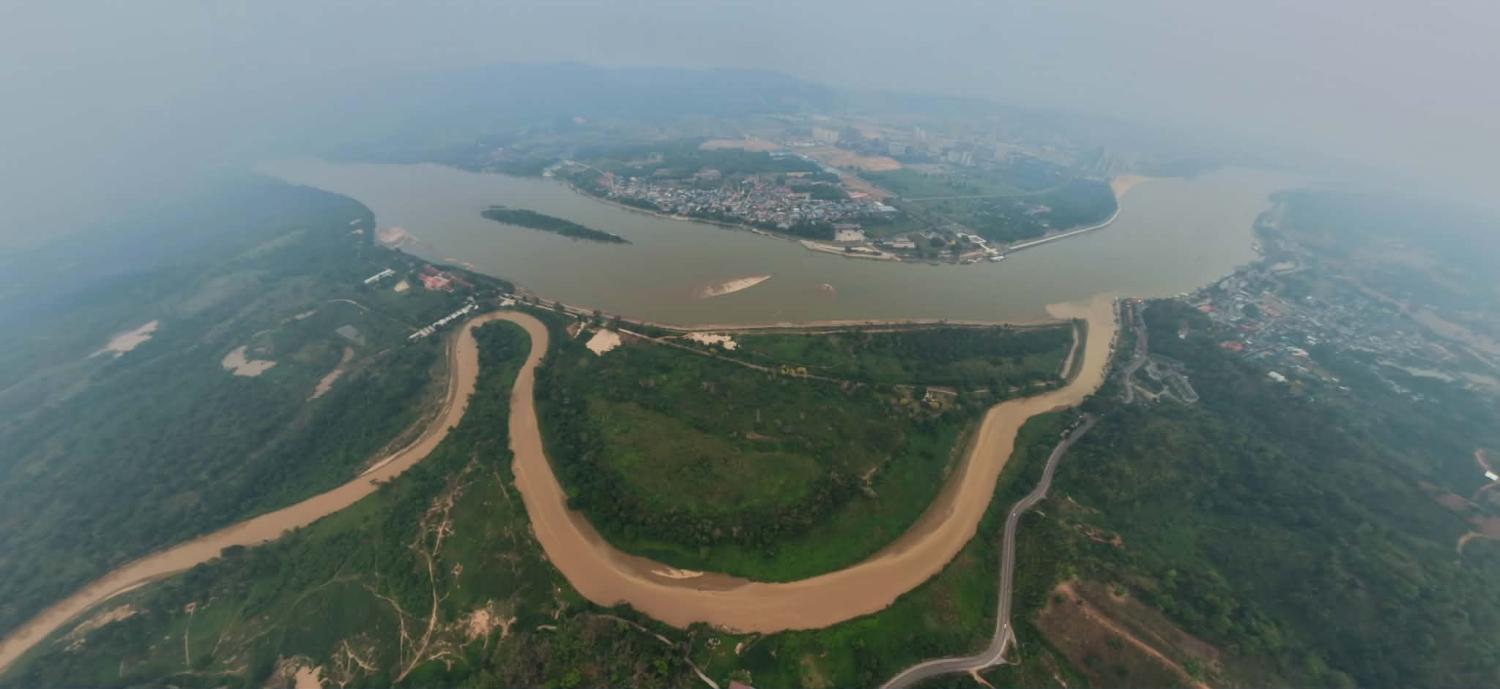
» Last week, Thailand's Pollution Control Department (PCD) released a report on its tenth round of water quality monitoring tests on three rivers in the northern region. The report is based on samples taken from the Kok, Sai, Ruak, and Mekong rivers in the country's northernmost area.
Opening Hormuz is the easy part, restoring oil flow is not
Reuter's columnist Ron Bousso, Published on 20/04/2026
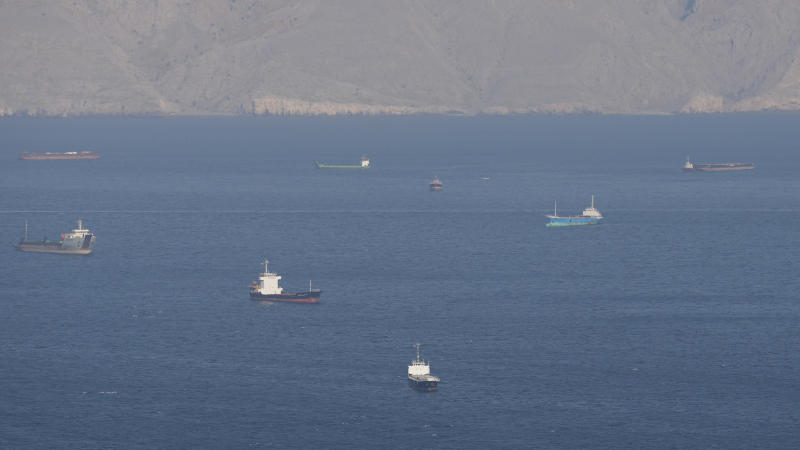
» LONDON - The stop-start shipping traffic through the Strait of Hormuz underscores the profound uncertainty hanging over the world’s most critical oil and gas chokepoint. But one thing is already clear: even if the guns fall silent, flows through the narrow waterway will take months – and possibly years – to recover to pre-war levels.

Car scheme doubts
Oped, Editorial, Published on 20/04/2026
» The government's planned "old car for new" scheme, a campaign to provide a subsidy and soft loans to accelerate electric vehicle adoption, marks a policy push to advance the transition towards net zero. In principle, the direction sounds good.

Putting today's news on the map
Roger Crutchley, Published on 19/04/2026
» One of the few positive outcomes of the present Iran conflict is the impact it has had on geographical knowledge of the area amongst people around the globe. Every day millions switch on the television or their phones and the first thing they are likely to be greeted with is a map of the Middle East.
Hormuz crisis reveals energy resilience gap
News, Laura Carvalho, Published on 18/04/2026
» The closure of the Strait of Hormuz has triggered what the International Monetary Fund calls a "global yet asymmetric" rupture, disrupting the flow of roughly one-quarter of oil, one-fifth of liquefied natural gas, and one-third of fertiliser supplies. Energy and fertiliser prices have risen, supply chains have rerouted, and financial conditions have tightened unevenly around the world.
Climate fixation fails world's poor
Oped, Bjorn Lomborg, Published on 17/04/2026
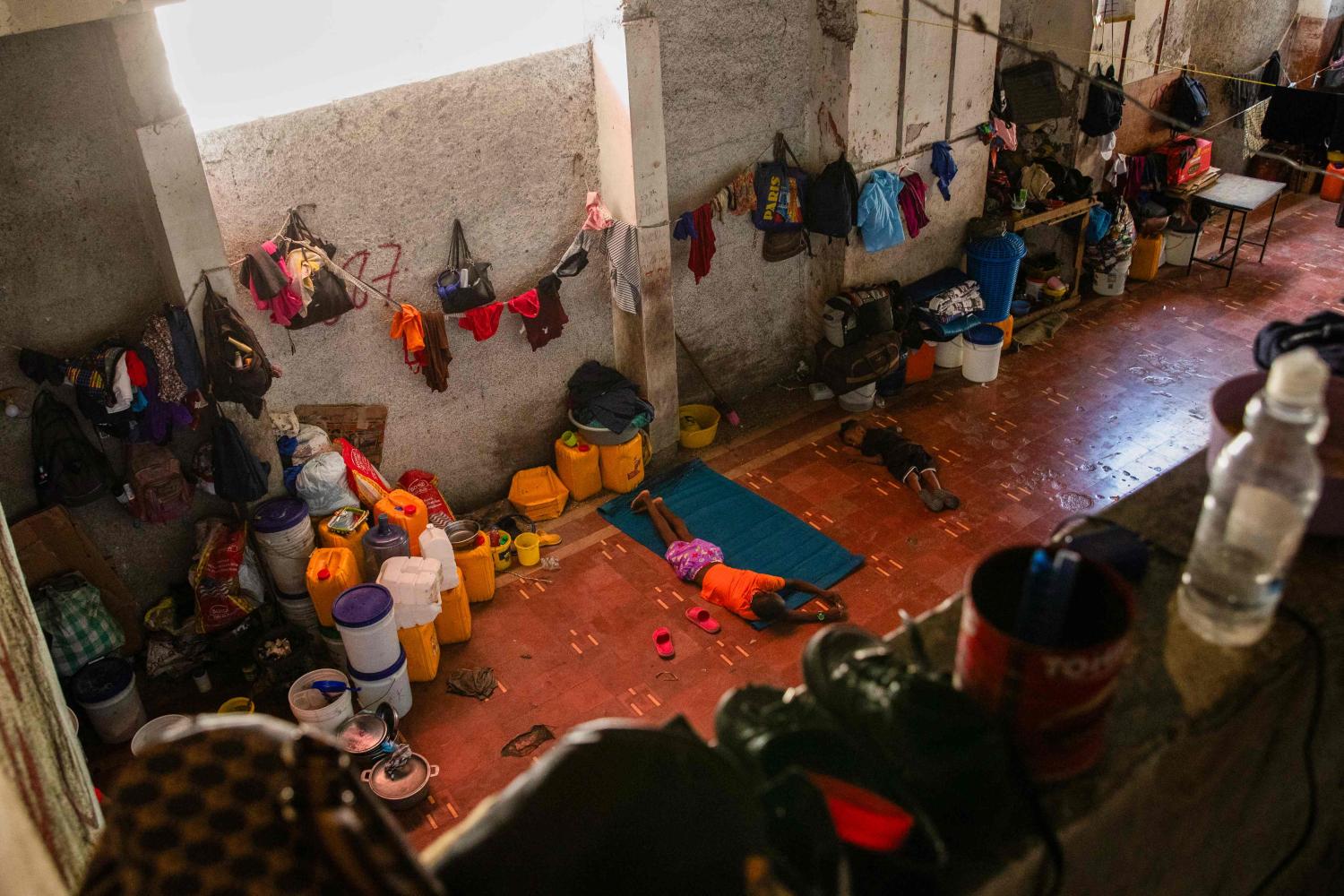
» This week in Washington, more than 10,000 delegates, finance ministers, and central bankers are gathering for the World Bank and IMF Spring Meetings. Their stated goal: accelerate global development, drive economic growth, and lift billions out of poverty.
Oil shock risks wider chain reaction
Oped, Chartchai Parasuk, Published on 16/04/2026
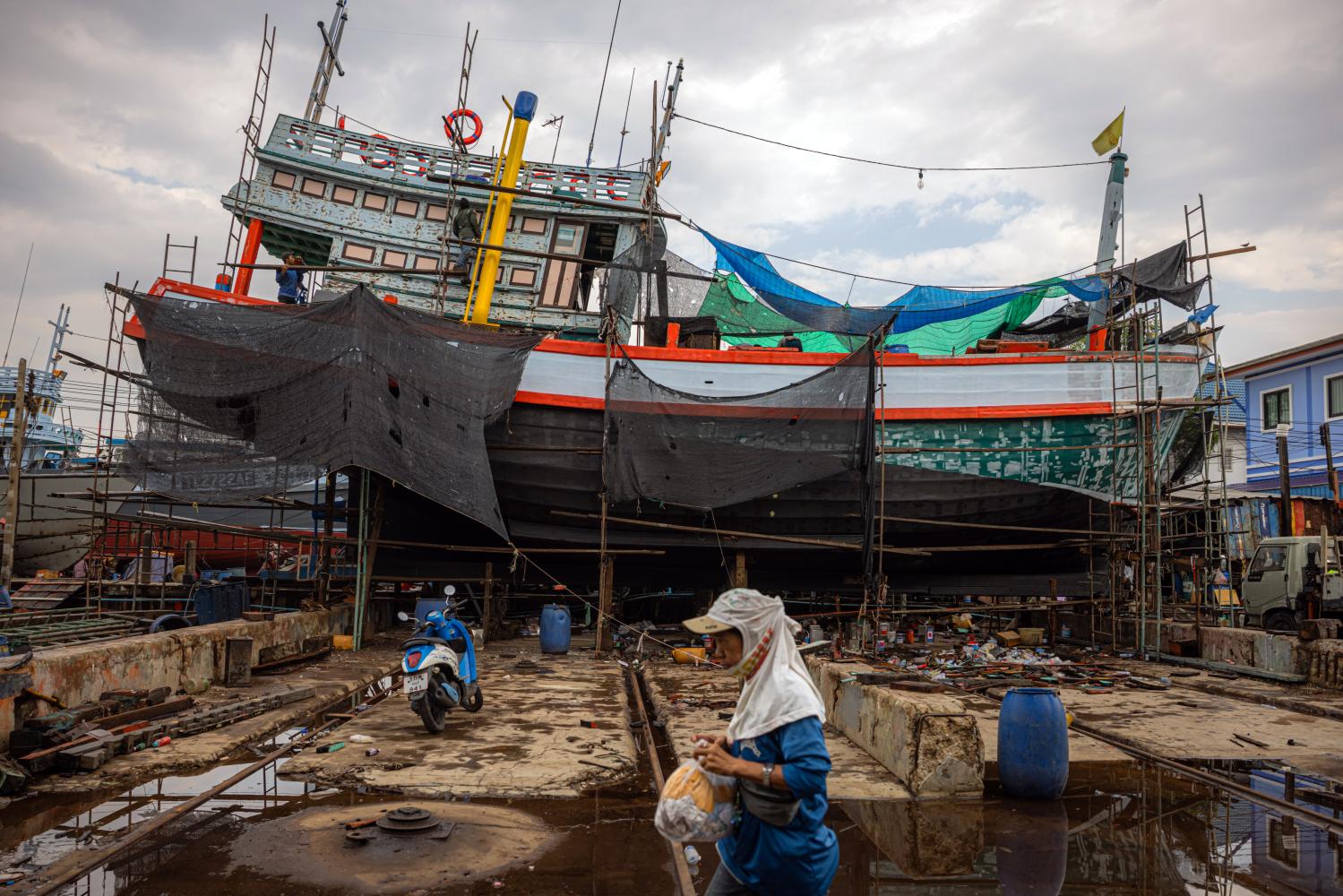
» There is no such thing as a free lunch. When global oil prices rise sharply, as they are doing now, someone must bear the cost. Some countries choose to absorb it through government support, as in Japan, while others pass the burden on to consumers, as in Thailand. Neither approach is inherently right or wrong; each carries different economic consequences. Policymakers must decide which set of outcomes is more acceptable and act accordingly.
China's water security ambitions
News, Amit Ranjan and Genevieve Donnellon-May, Published on 15/04/2026
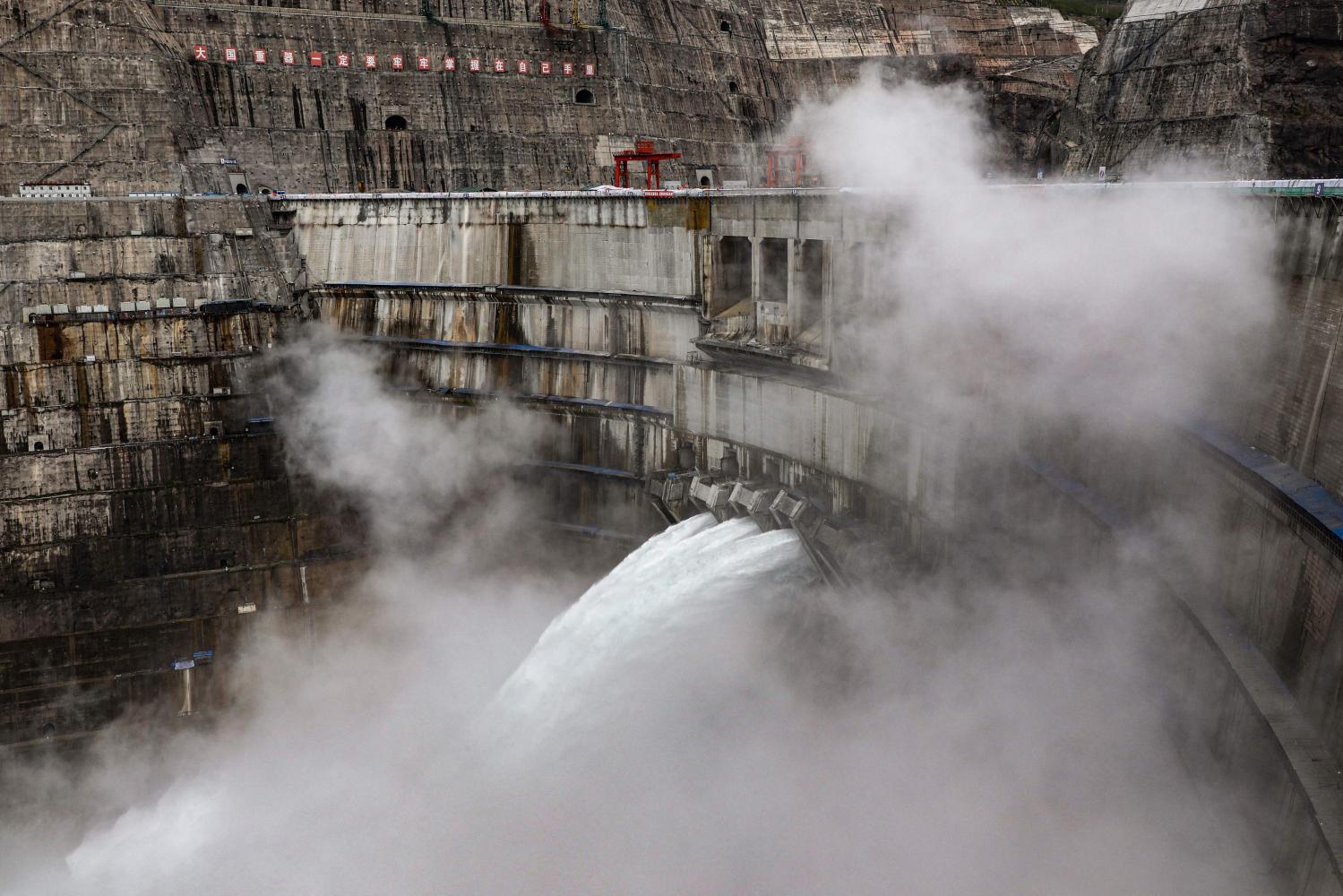
» China holds only 6% of the world's fresh water, which supports nearly 20% of the global population and generates over 18% of global gross domestic product. The country faces water challenges largely due to water quality concerns and significant spatio-temporal imbalances.