



Showing 1 - 10 of 183
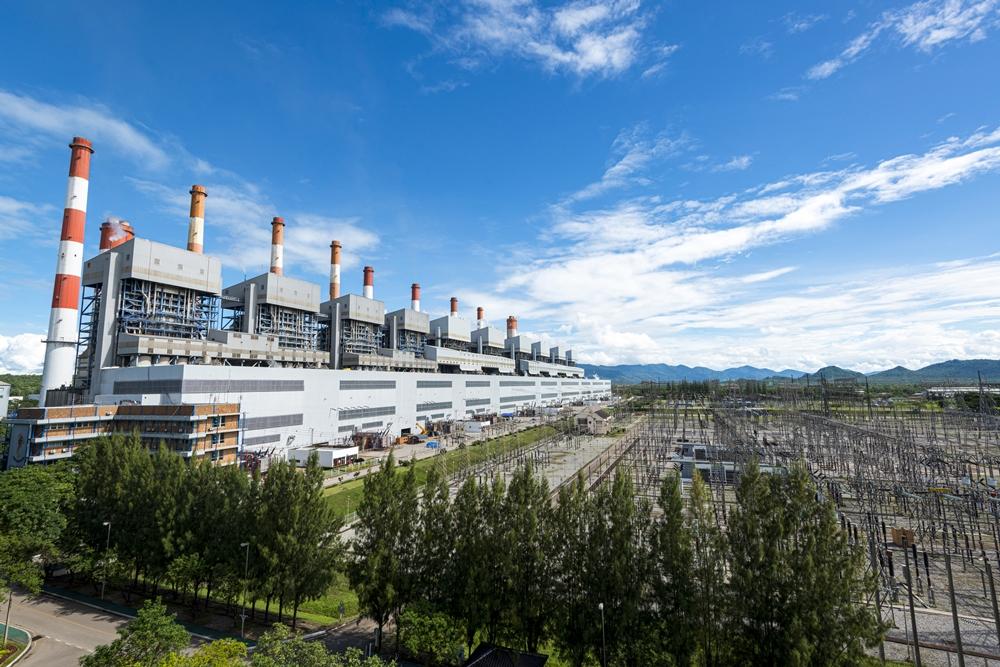
Urgent push for fair climate finance
Oped, Sarinee Achavanuntakul, Published on 01/04/2026
» Ever more visible, the various impacts from climate change are eroding both Thailand's economic competitiveness and the livelihoods of its people: season by season, in heat waves that flatten productivity, floods that swallow farmland, and coastal erosion that is slowly reclaiming communities.

Risk of crisis growing more acute
Oped, Chartchai Parasuk, Published on 05/03/2026
» This article is a follow-up to my previous piece titled "Fiscal deficit will trigger 2026 crisis". In that article, I argued Thailand's heavy dependence on external liquidity, combined with the government's need for 860 billion baht annually to finance its deficits, would lead to a severe liquidity shortage and, ultimately, a financial crisis.

Is there a case for IMF gold sales?
News, Tim Hirschel-Burns & Marina Zucker-Marques, Published on 14/10/2025
» With developing countries facing intense financial pressure and developed countries slashing foreign aid, it can be tempting to dream of stumbling across a pot of gold. Dream no longer: The International Monetary Fund is currently sitting on 90.5 million ounces of the metal.
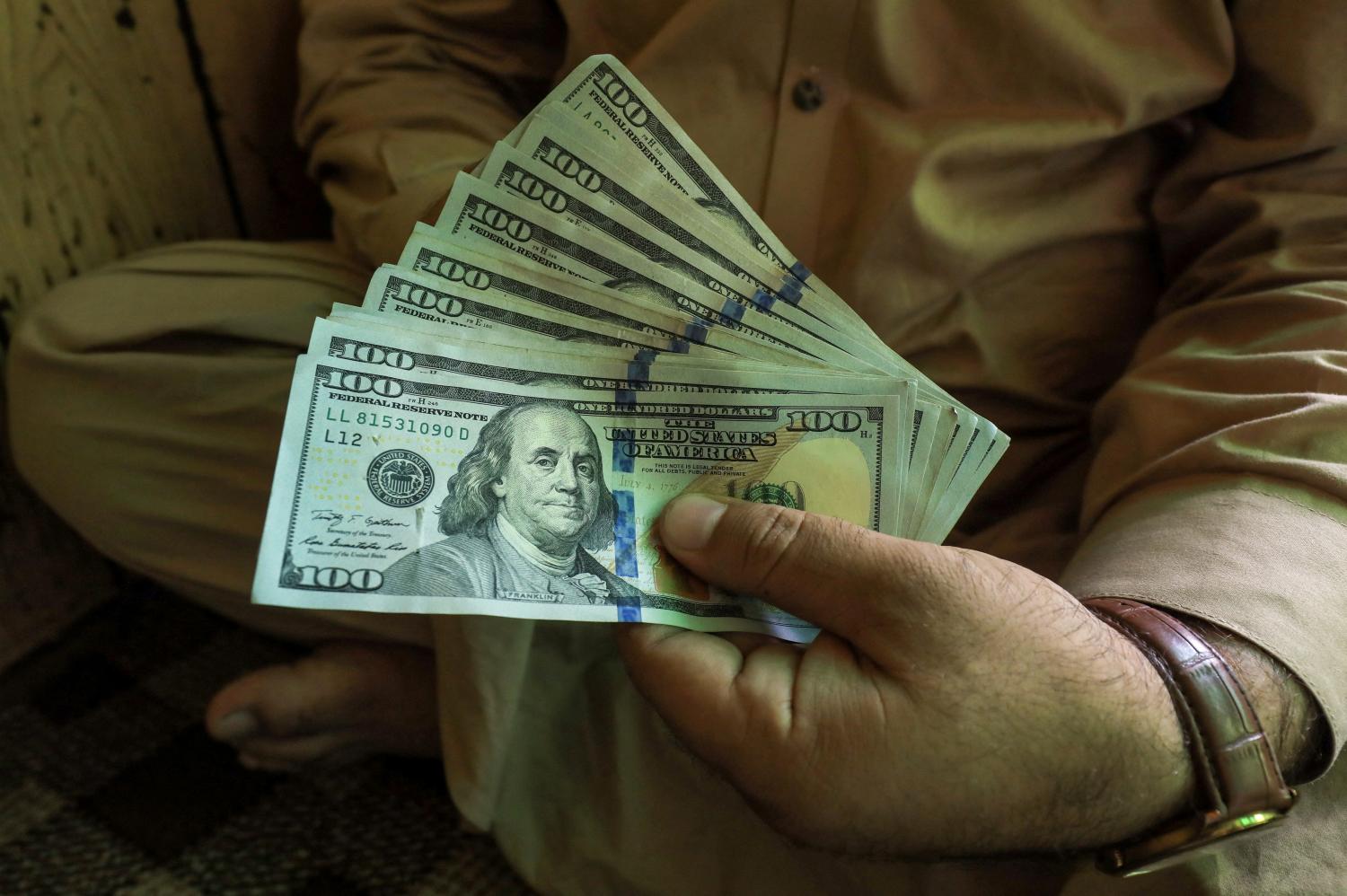
Cutting Asia's reliance on dollars
Oped, Yasuto Watanabe & Hiro Ito, Published on 02/10/2025
» The US dollar remains the world's leading reserve currency, but recent developments -- particularly President Donald Trump's unilateral economic diplomacy, including weaponisation of the dollar -- have fuelled doubts about whether it will maintain that status. While some of America's geopolitical rivals may hope to displace the dollar, the real challenge facing Asian economies is to manage the vulnerabilities created by their heavy dependence on it.
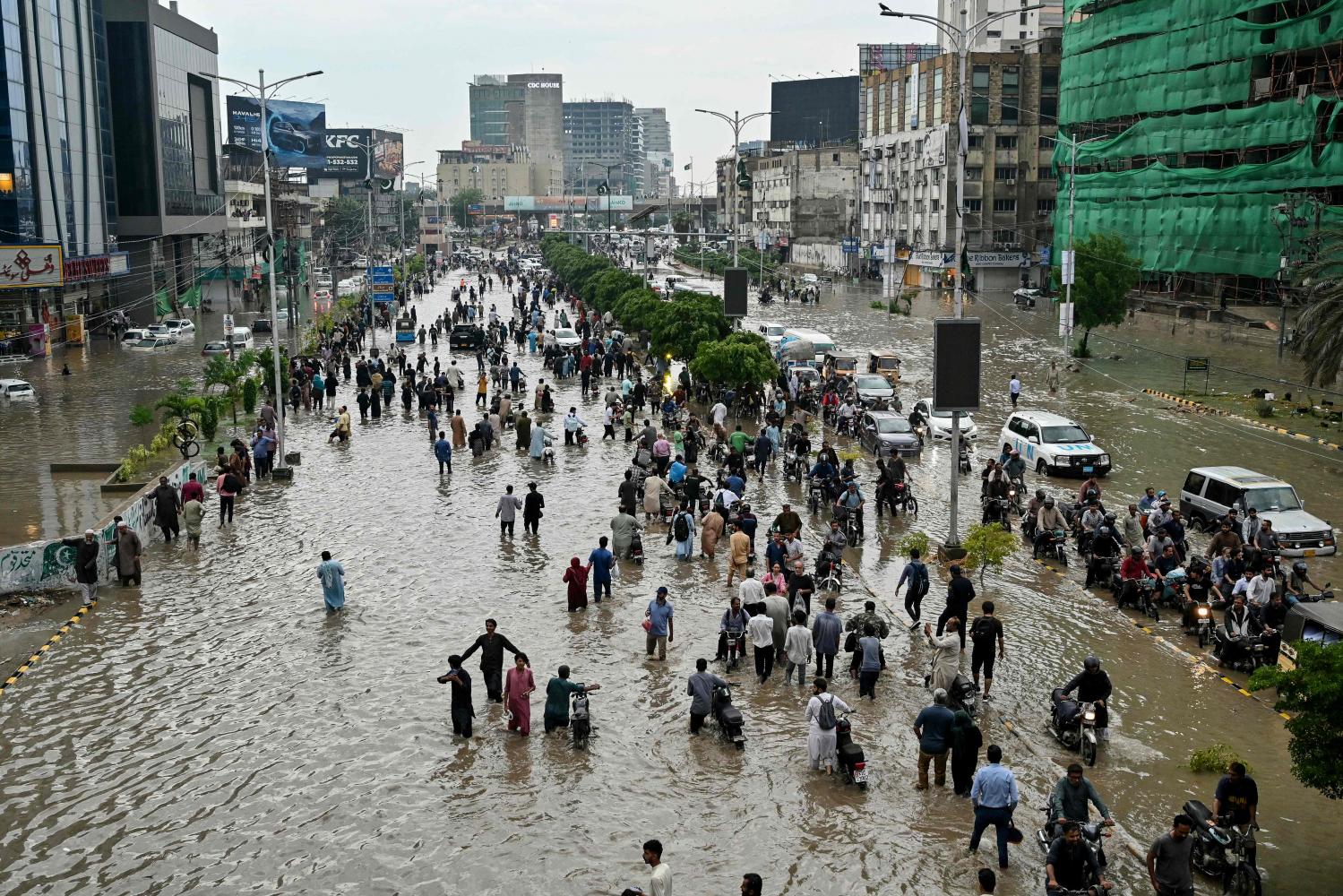
Market still 'wrong' on climate
Oped, Fiona Watson, Published on 01/10/2025
» As business, government and nonprofit leaders debate the future of climate action ahead of the United Nations Climate Change Conference (COP30) in Brazil, the global economy remains vulnerable to acute and chronic climate-driven shocks whose impact could be more severe than that of the 2008 global financial crisis. At a time when many governments and businesses continue to underestimate and underprice physical climate risk, we must remember that neither financial markets nor regulators are always right. What if their current complacency about climate risks is catastrophically wrong?
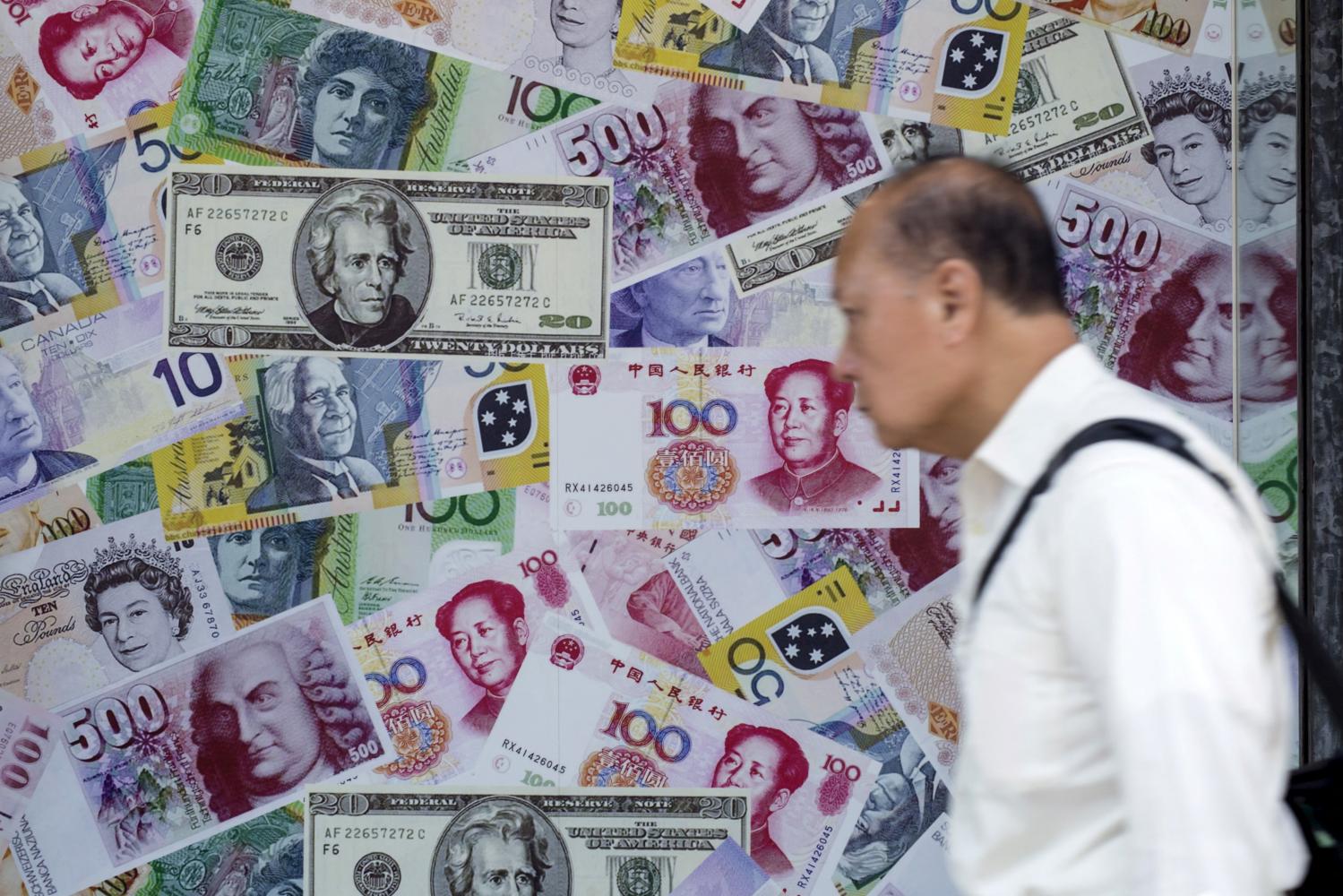
Renminbi debt in a dollar-denominated world
Oped, Paola Subacchi, Published on 25/09/2025
» When governments borrow on international markets, they do so overwhelmingly in US dollars. Roughly two-thirds of international debt issuance is denominated in foreign currencies, of which nearly half is in dollars and about 40% is in euros. The rest is spread across other currencies, including the Chinese renminbi.
Stepping up the poverty fight
News, Akinwumi A Adesina & Ilan Goldfajn, Published on 15/09/2025
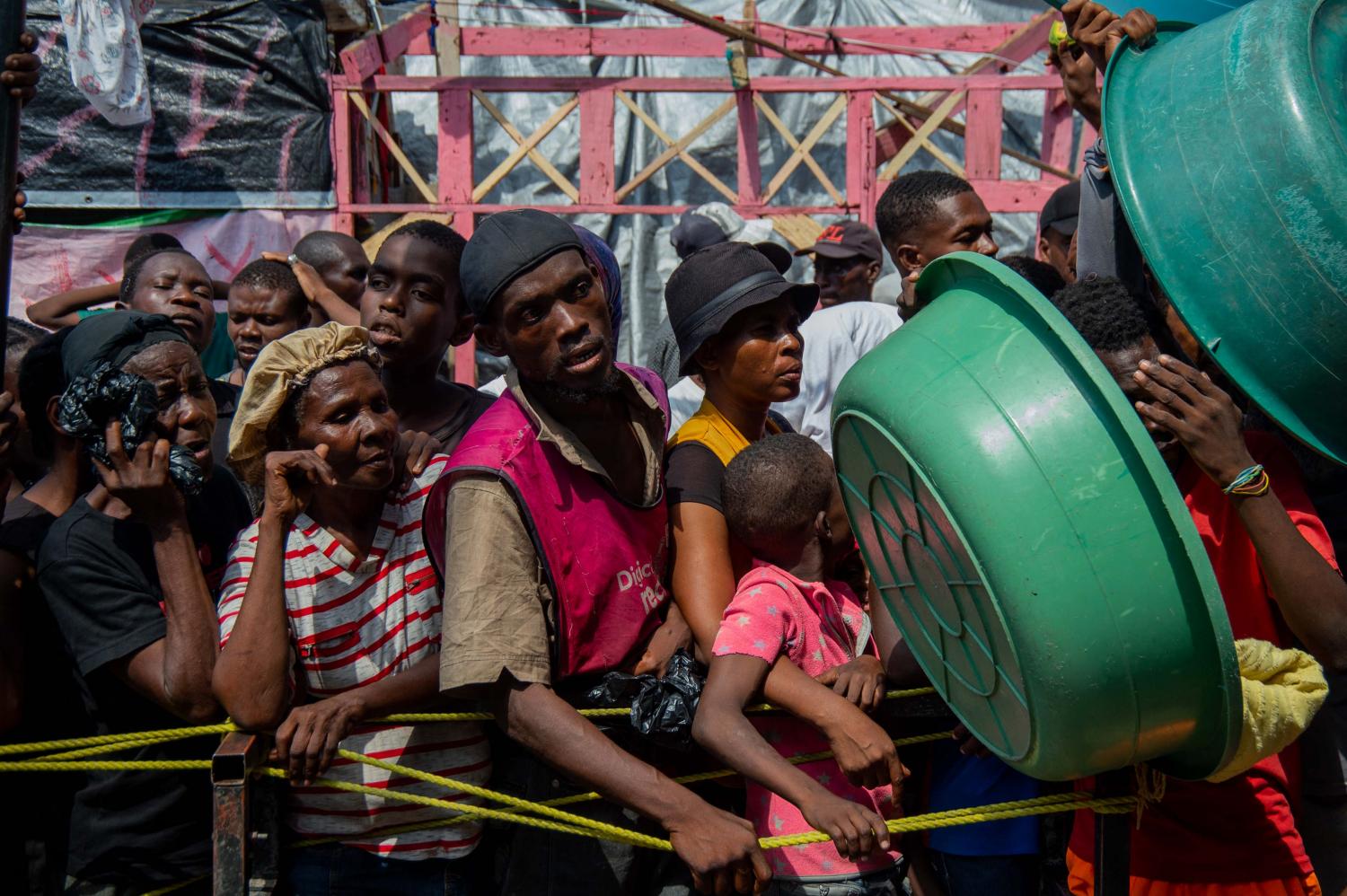
» Faced with a slowing global economy and rising debts, many developing-country governments may be tempted to scale back anti-poverty programmes. That would be a grave mistake. Combating poverty is not just a moral imperative; it is also crucial for economic stability, conflict prevention, and long-term development.

Reform lending laws
Oped, Postbag, Published on 03/09/2025
» Re: "Buy now, bankrupt later", (Business, Sept 1). Little is ever said about the so-called many (often SET-listed) prolific finance companies here, which charge very high interest rates, levy late fees very quickly, and impose other strict rules that are often, may we say, not very consumer-finance friendly.

Risky central bank politicisation
Jamie McGreever, Published on 29/08/2025
» There is legitimate debate about the actual independence of modern-day central banks, but almost everyone agrees that overt politicisation of monetary policy — as we appear to be seeing in the United States — is dangerous. Why is that?
Agenda for tackling debt crisis
News, Martín Guzmán & Mahmoud Mohieldin & Vera Songwe, Published on 23/08/2025
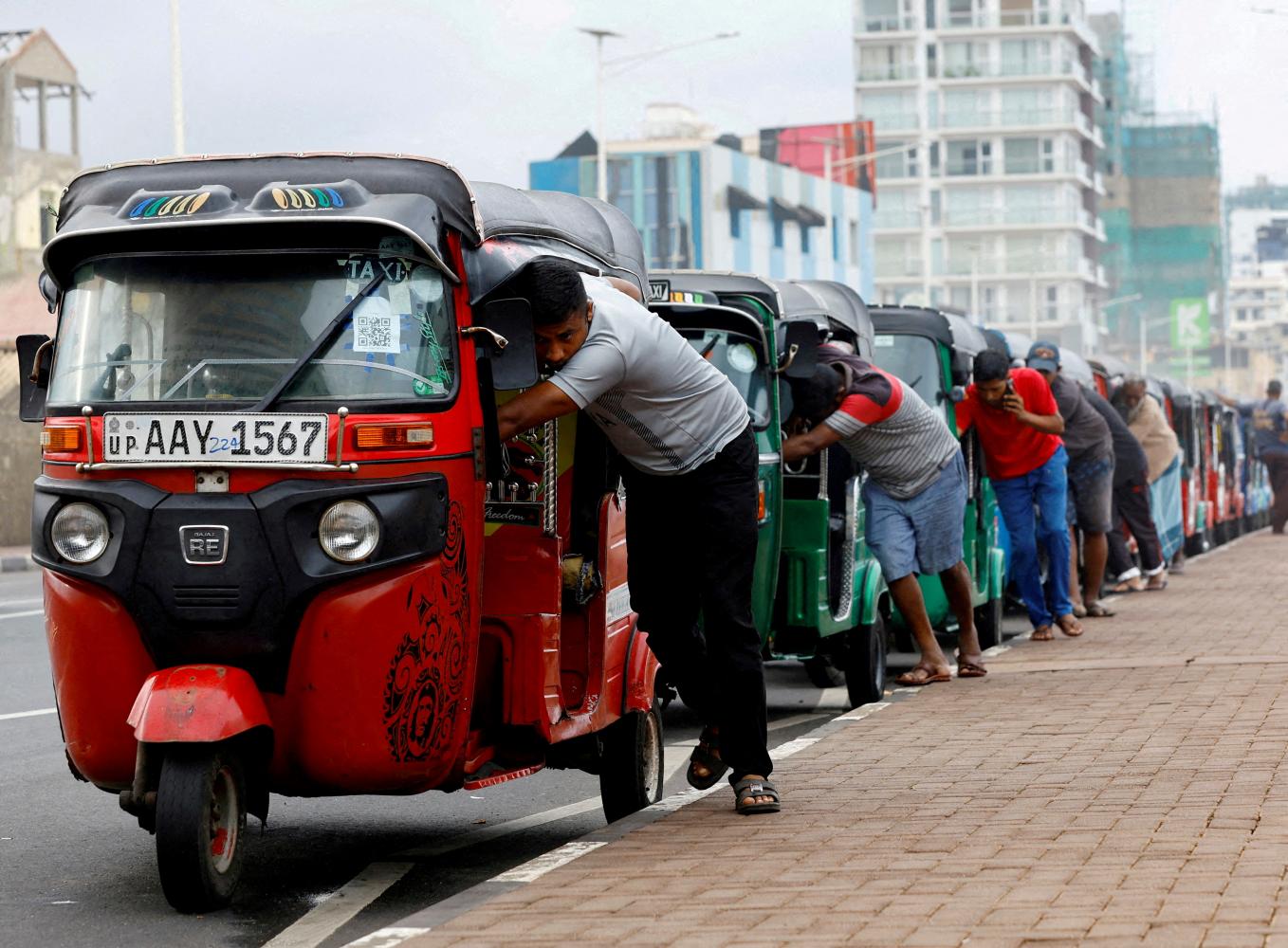
» Following the Fourth International Conference on Financing for Development in June, we reached a breakthrough moment. Governments, international financial institutions, and civil-society organisations, recognising the need to tackle today's debt and development crises, are ready for action ahead of the United Nations General Assembly (UNGA) in September.