



Showing 1 - 10 of 1,701
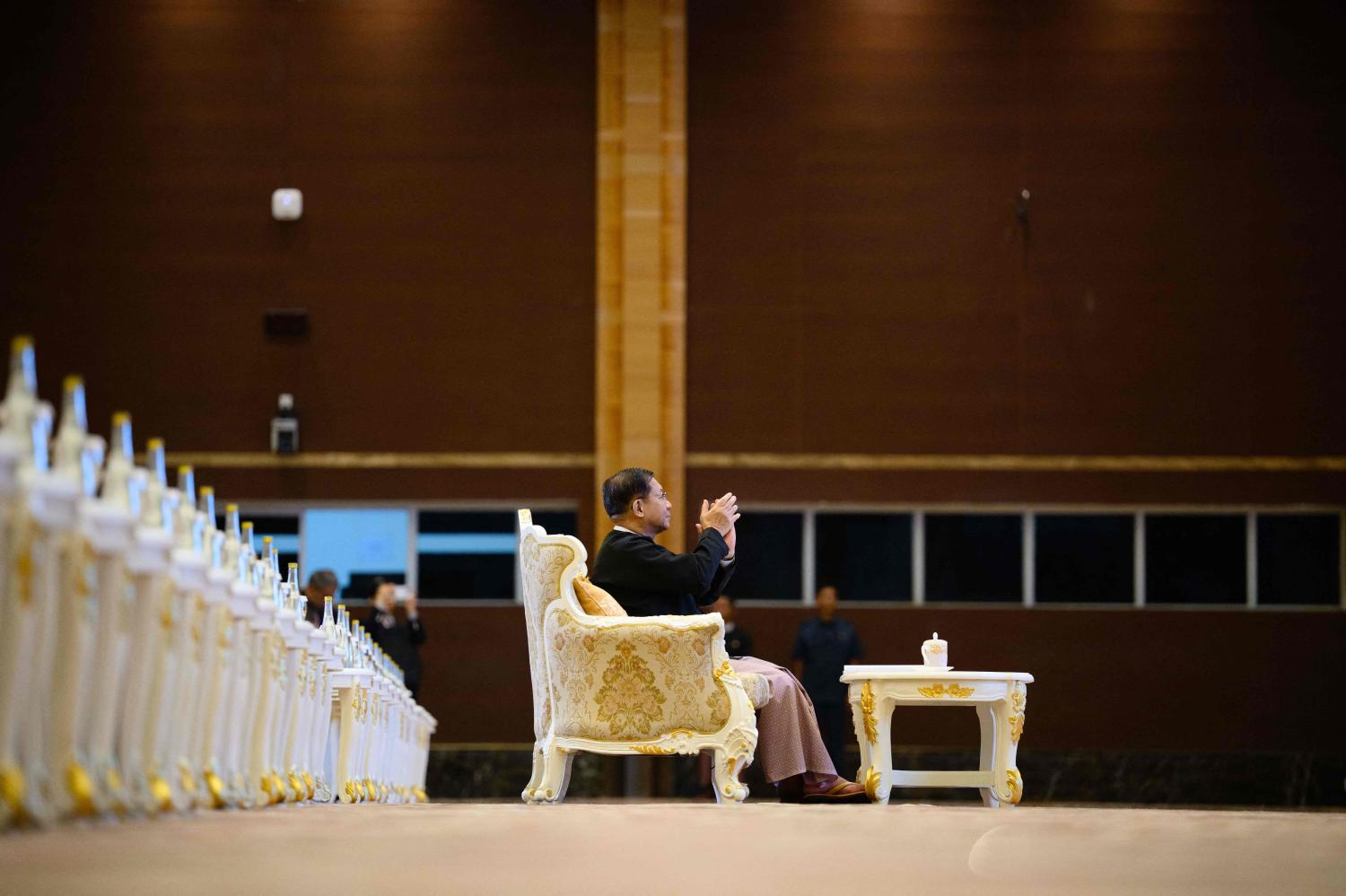
Myanmar's robbery of a democracy
Oped, Thitinan Pongsudhirak, Published on 24/04/2026
» Five long years after Myanmar's military seized power on 1 Feb 2021, what has taken place in recent weeks amounts to a delayed fait accompli. Led by Senior General Min Aung Hlaing, then commander-in-chief of the armed forces, the coup diverged from its traditional playbook seen in 1962 and 1988, when tanks rolled and the military ruled by brute force. This time, the takeover nearly unravelled amid a nationwide uprising that evolved into a civil war, waged by an armed and determined resistance comprising the civilian-led National Unity Government (NUG), the People's Defence Forces (PDFs), and a constellation of Ethnic Armed Organisations (EAOs).
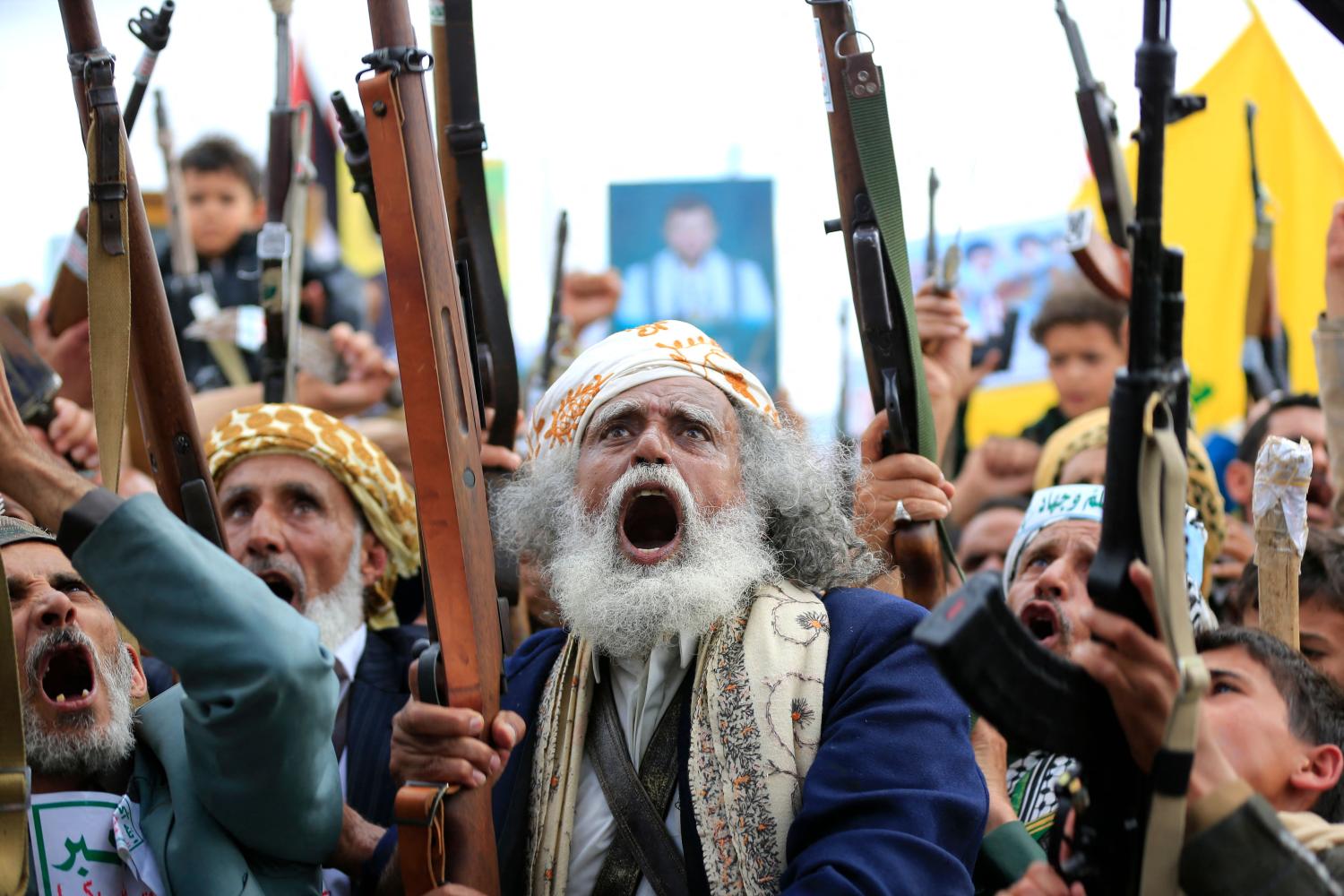
How can we future-proof the global economy?
Oped, Mohamed A El-Erian, Published on 23/04/2026
» An uncomfortable reality is becoming increasingly difficult to ignore. The global economy is in a period of "more frequent and violent shocks", as Nobel laureate Michael Spence puts it. Instead of facing isolated and temporary disruptions, we are confronting a structural shift towards unsettling volatility, deepening fragmentation, and a wider dispersion of outcomes for countries, companies, and households. The old world is gone, and virtually everyone risks losing out in the new one. The question is by how much and what to do about it.
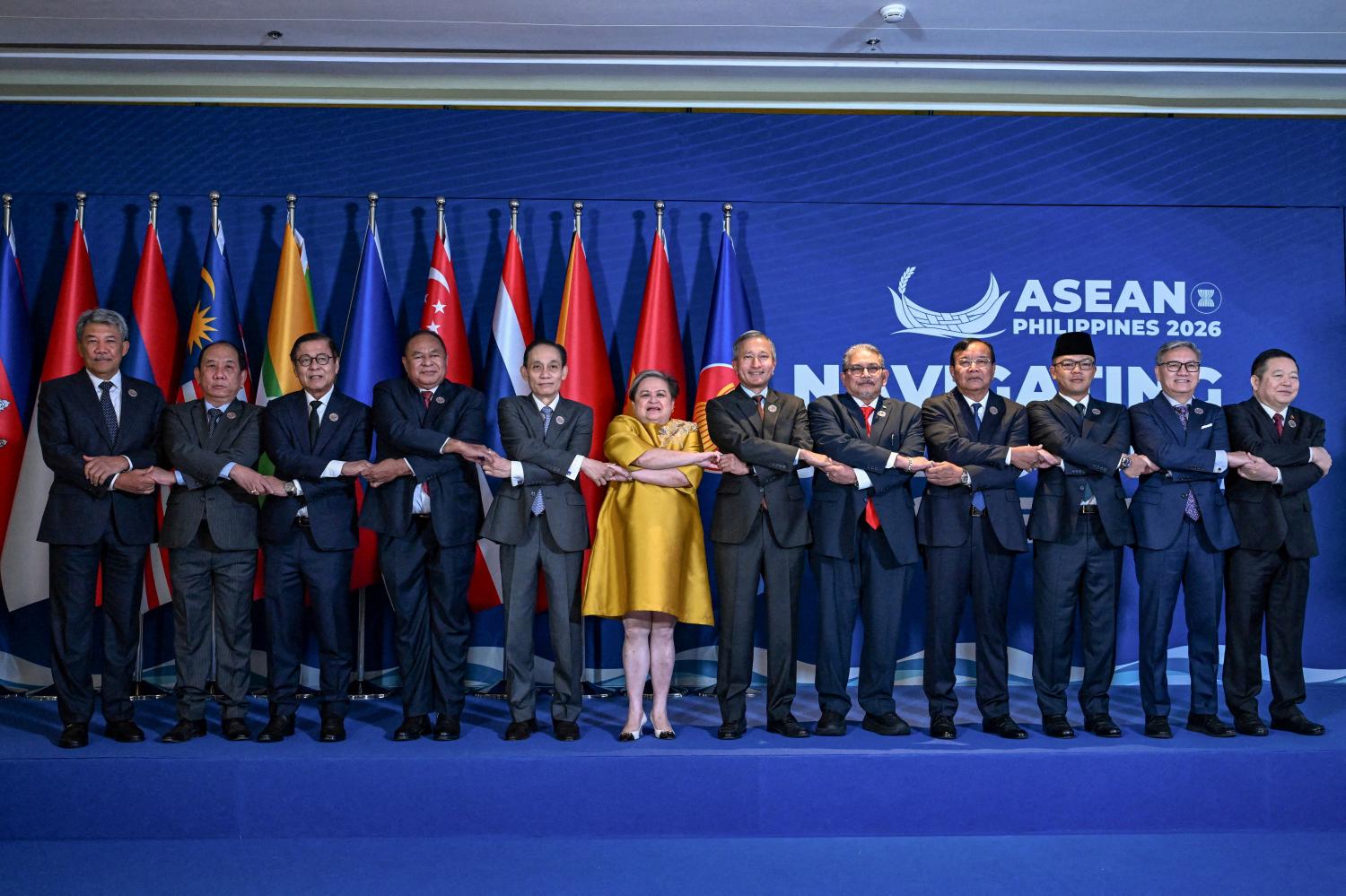
Rupture, reform and how to rebuild
Oped, Robert F Godec, Published on 23/04/2026
» The world is teetering on the edge of a cliff. Russia, China, and the United States are using their military and economic power in the ruthless pursuit of power and domination. In doing so, they have ruptured an international system that for 80 years was characterised by rules, institutions, and a measure of cooperation.
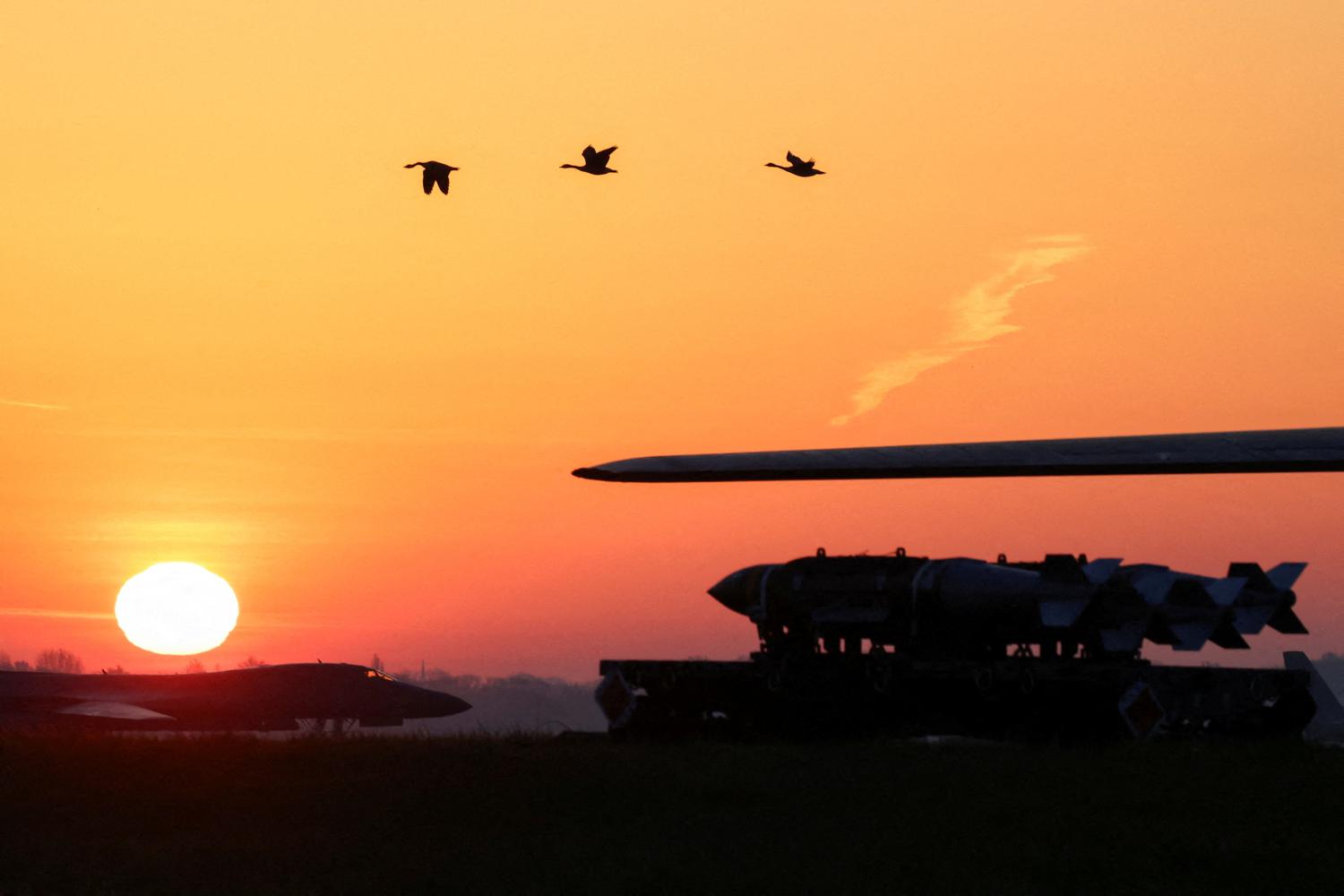
The day the US became Britain at Suez
Oped, Philip J Cunningham, Published on 09/04/2026
» The world's focus is on the US-induced debacle in the Strait of Hormuz, but it's another narrow strait that sums up the current state of US power in the world: Suez.
Iran's water weapon against Gulf
Oped, Michael Christopher Low, Published on 07/04/2026
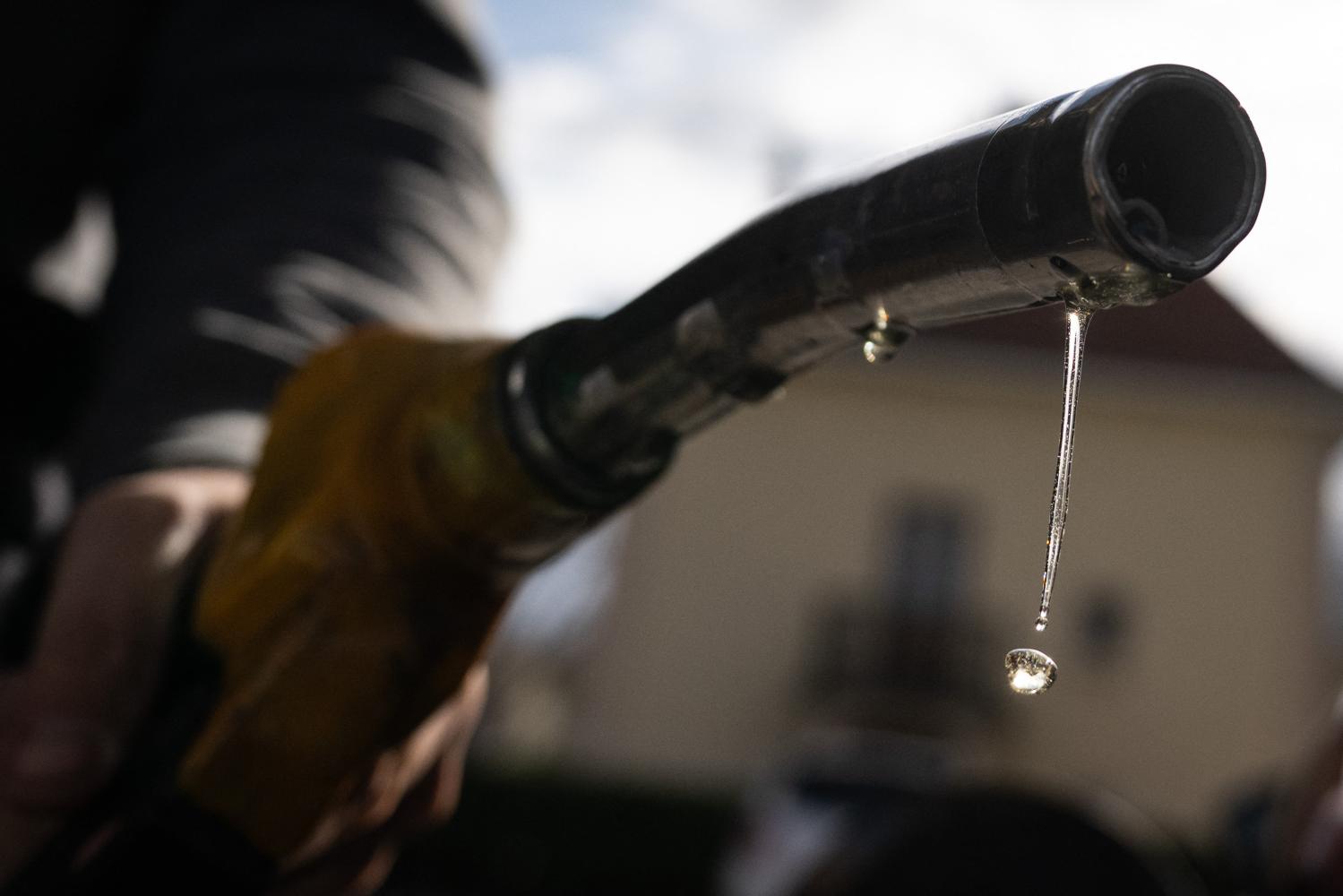
» The oil-rich monarchies of the Persian Gulf are often described as petrostates. But the US-Israeli war with Iran has highlighted that they are also saltwater kingdoms, societies whose survival depends on desalination, or converting seawater into potable water at industrial scale.
Can alliances with the US be replaced?
Oped, Kavi Chongkittavorn, Published on 07/04/2026
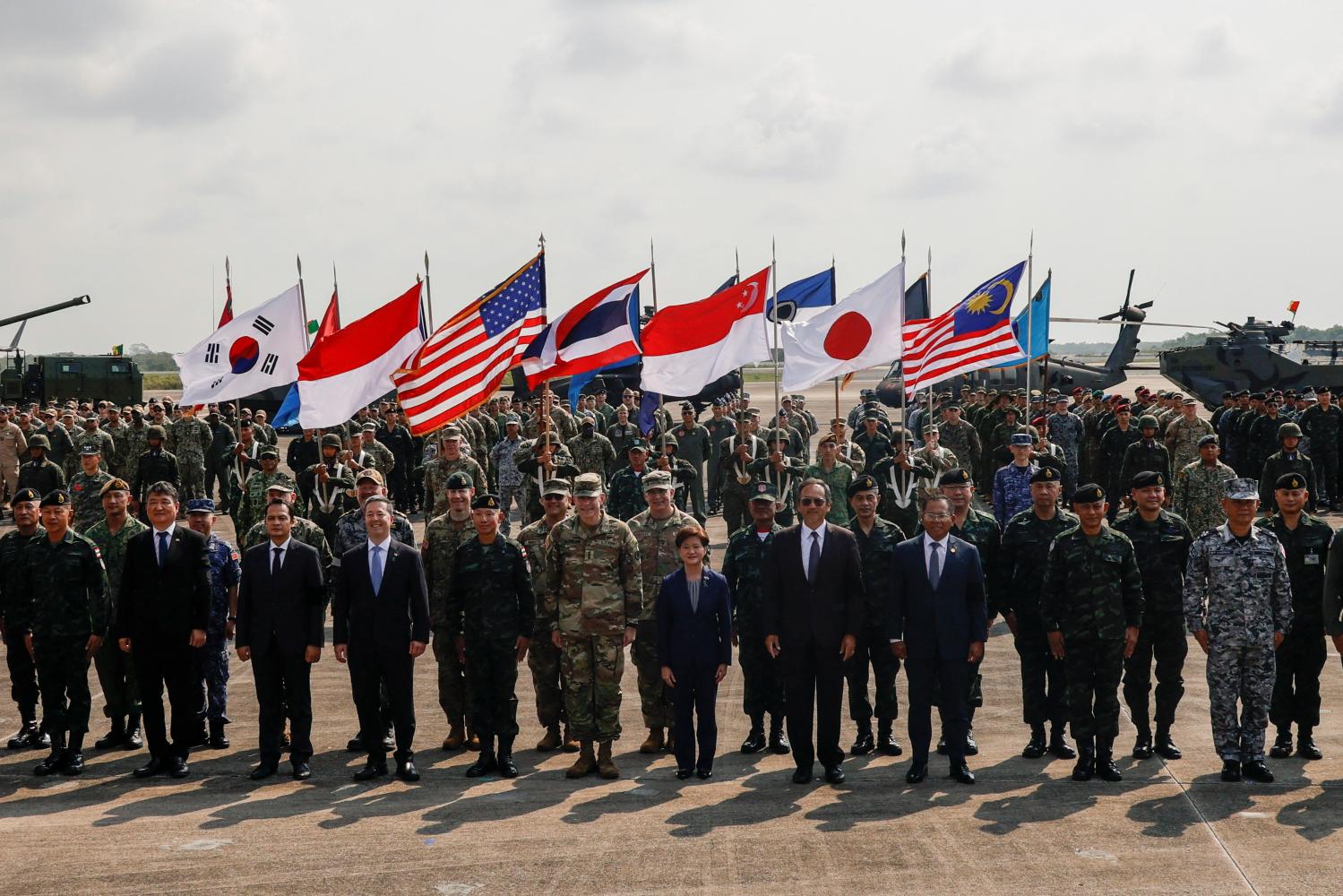
» The increasingly loud debate over the future of alliances -- after reports that the US could scale back or even withdraw from Nato -- is nerve-racking. It has caused alarm across Europe and in Southeast Asia, another node of the US alliance network. Even without any official decision, remarks by US President Donald Trump on social media were enough to shake already fragile US alliances. The question now frequently asked by Thai policymakers is: What comes next if alliances weaken?
Myanmar's odd new govt takes shape
News, Larry Jagan, Published on 06/04/2026
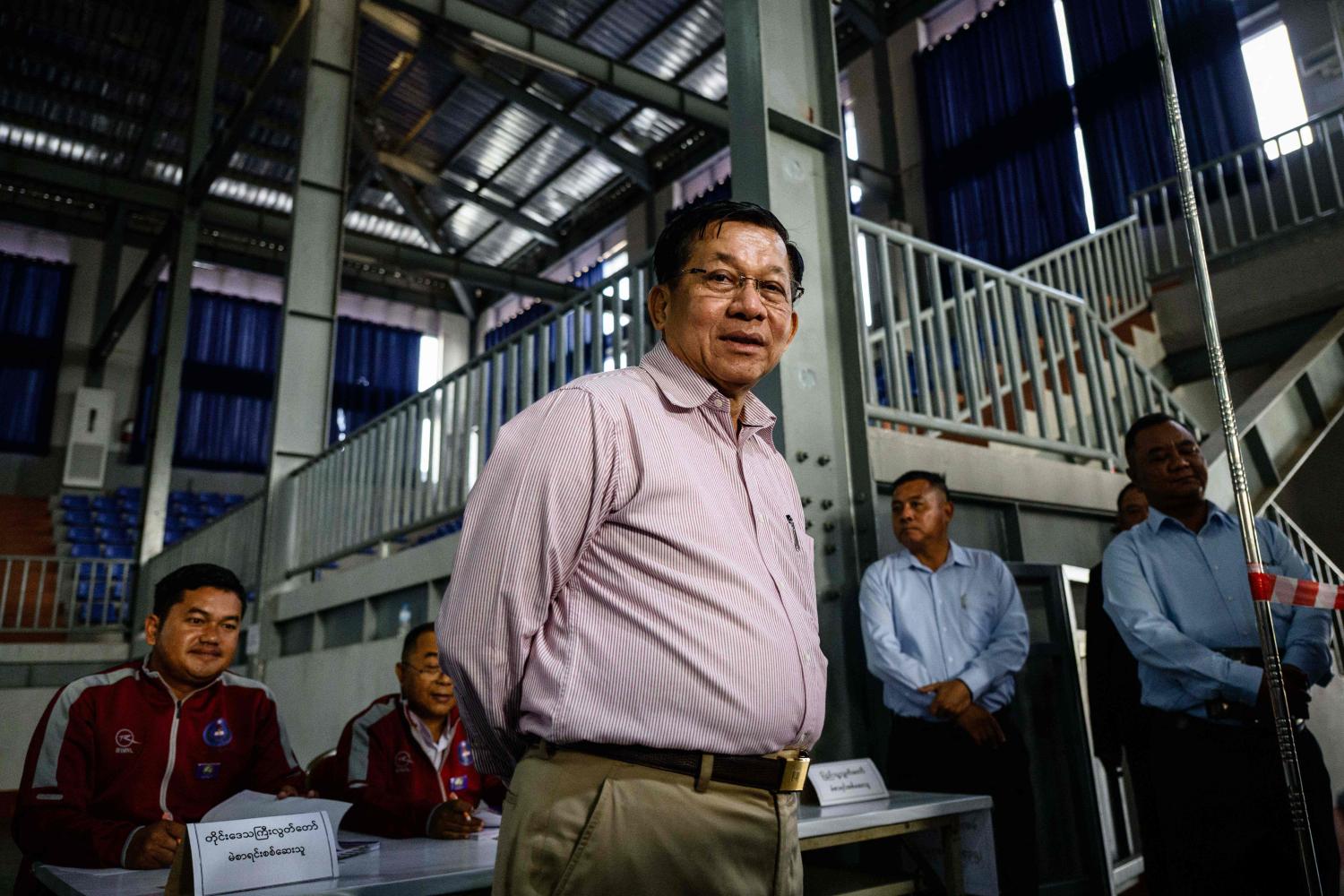
» Finally, Myanmar's former army chief Senior General Min Aung Hlaing has been appointed as the country's next president. Amid much pomp and ceremony on Friday, Myanmar's newly elected parliamentarians approved his nomination by an overwhelming majority: 429 out of the 584 MPs.
International law is still worth defending
News, Andreas Motzfeldt Kravik, Published on 04/04/2026
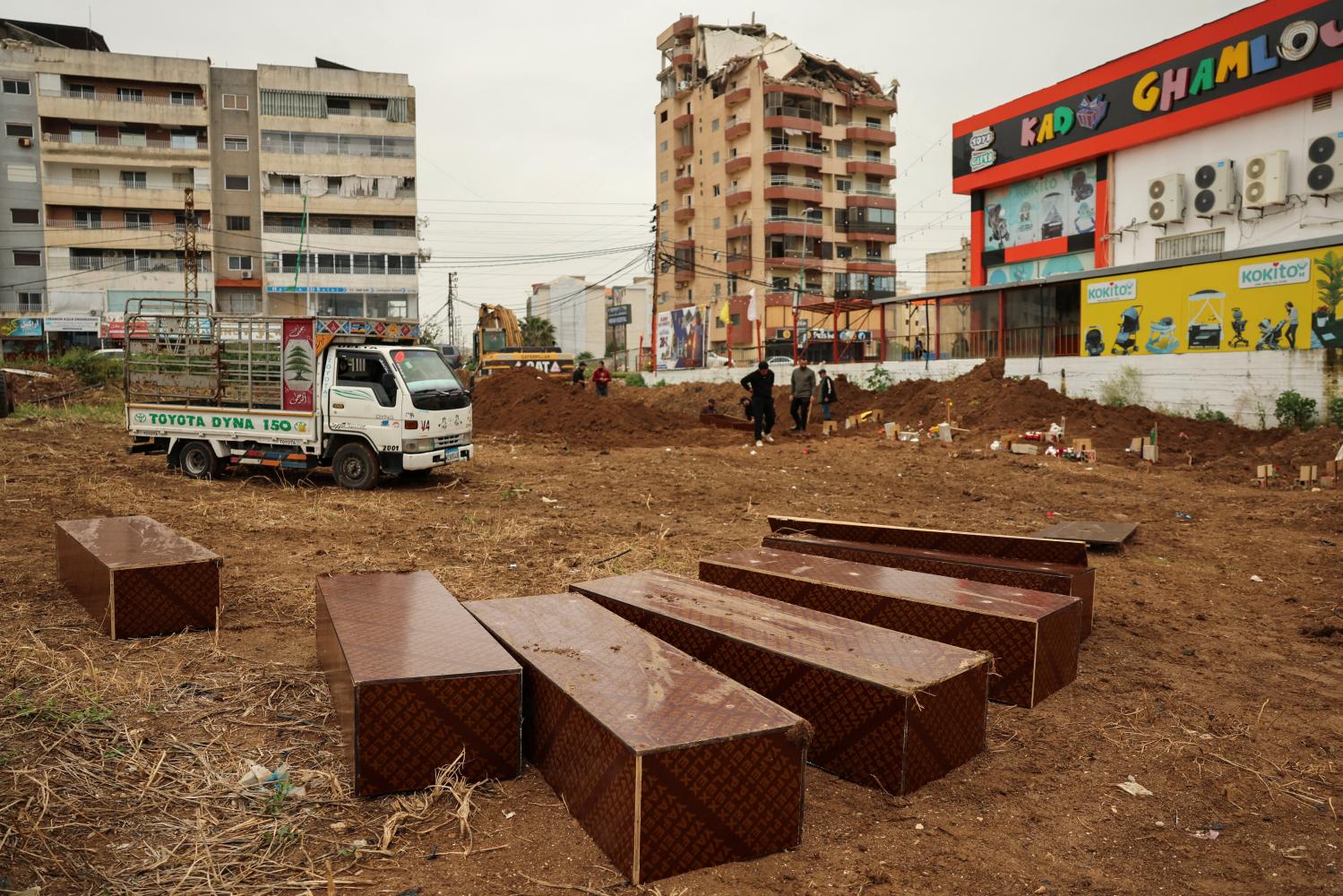
» As the United States and Israel rain bombs down on Iran, with the stated intent of subduing one of the world's most brutal regimes, international law is collateral damage.
Government stability tests performance
Oped, Thitinan Pongsudhirak, Published on 03/04/2026
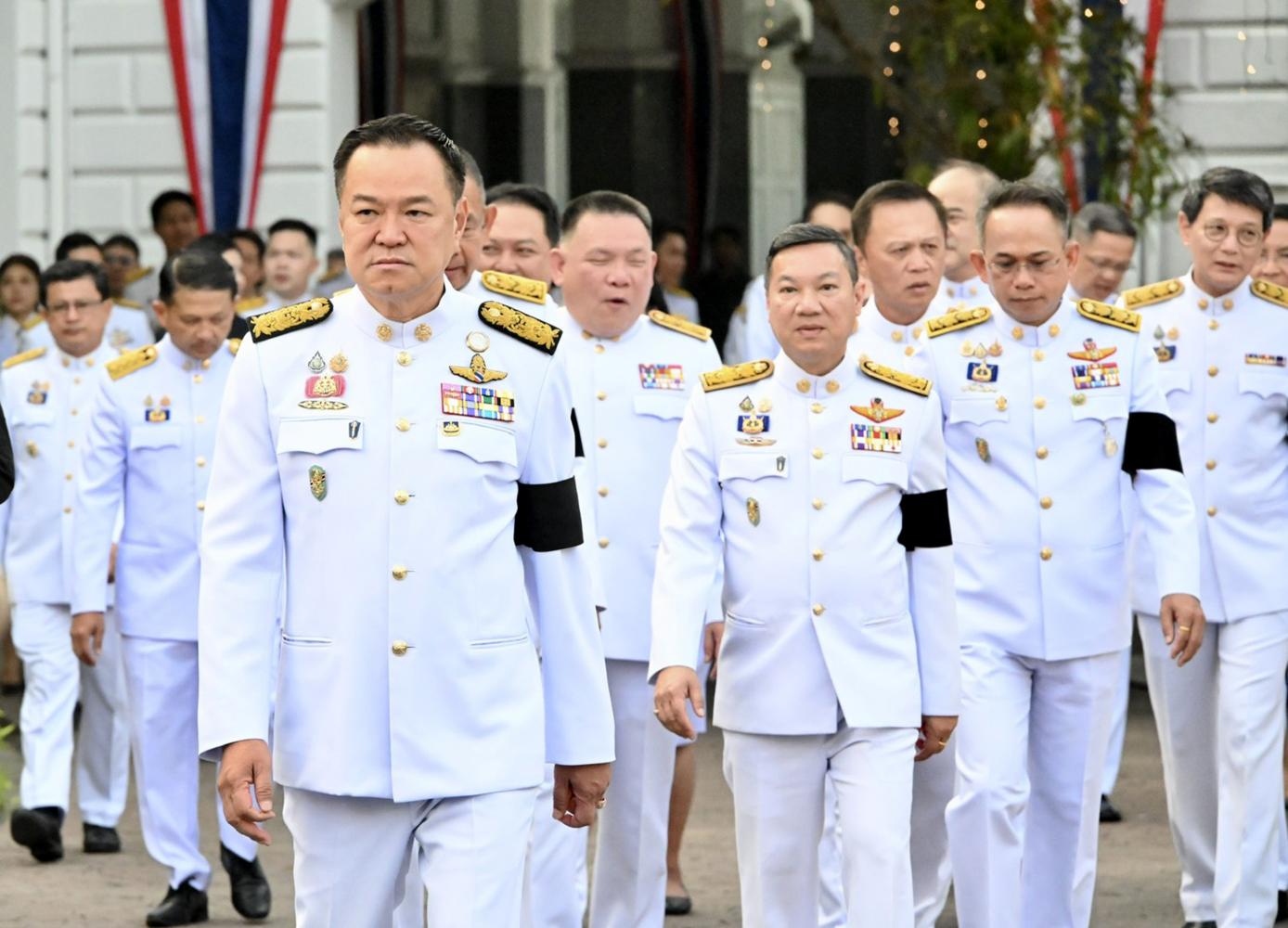
» Prime Minister Anutin Charnvirakul has gone from strength to strength, leveraging a stopgap minority government late last year into solid majority rule after the Feb 8 election.
Russia is winning the Iran War
Oped, Chris Patten, Published on 02/04/2026
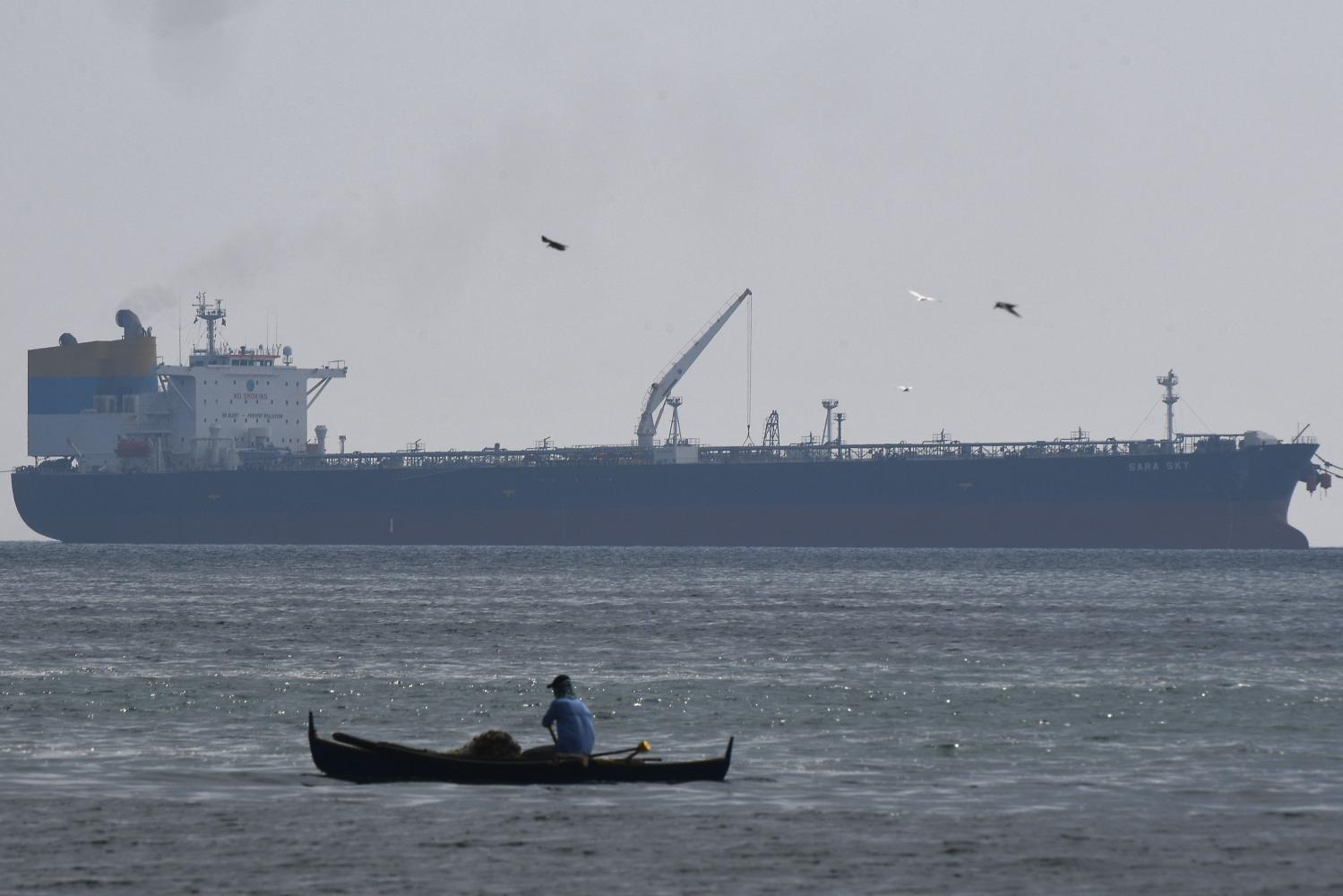
» While the rationale for US President Donald Trump's Iran war is difficult to decipher, its main beneficiary is far easier to identify: Russian President Vladimir Putin.