




Showing 1 - 10 of 1,455

Land Bridge not viable
Oped, Editorial, Published on 28/04/2026
» The Southern Land Bridge project -- the Thai government's long-standing plan to build a logistics corridor linking the Gulf of Thailand and the Andaman Sea -- is back on the agenda.
Anutin govt faces three diplomatic tests
Oped, Kavi Chongkittavorn, Published on 28/04/2026
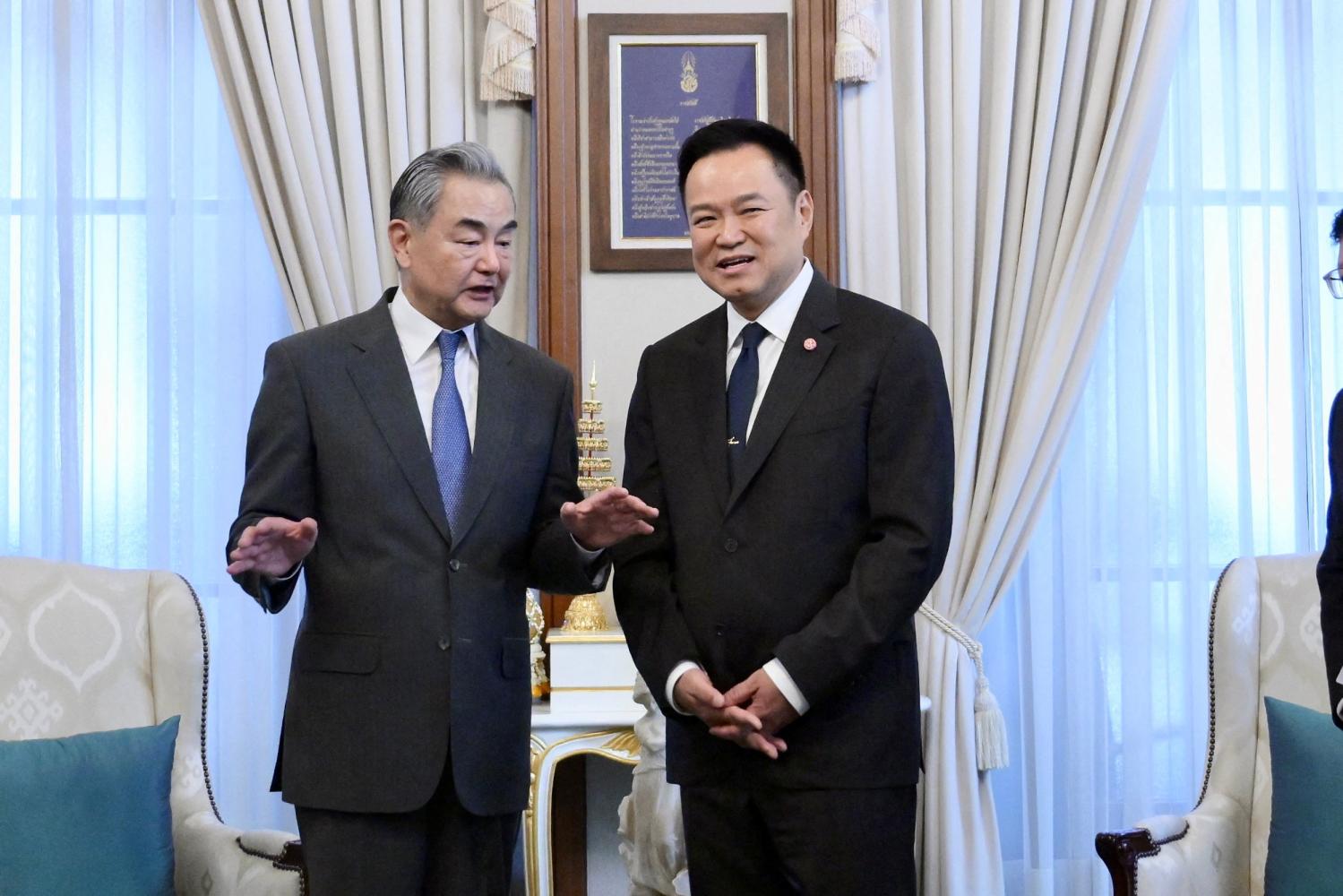
» Less than three weeks into office, Prime Minister Anutin Charnvirakul has signalled three immediate foreign and security priorities: managing tensions with Cambodia, addressing unrest in the country's southern border provinces, and quietly preparing for a more active role in Myanmar.

Visa change misses mark
News, Editorial, Published on 27/04/2026
» The government's plan to cut visa-free stays from 60 days to 30 is more than a routine policy adjustment. The U-turn exposes a deeper uncertainty at the heart of its tourism strategy.
Opening Hormuz is the easy part, restoring oil flow is not
Reuter's columnist Ron Bousso, Published on 20/04/2026
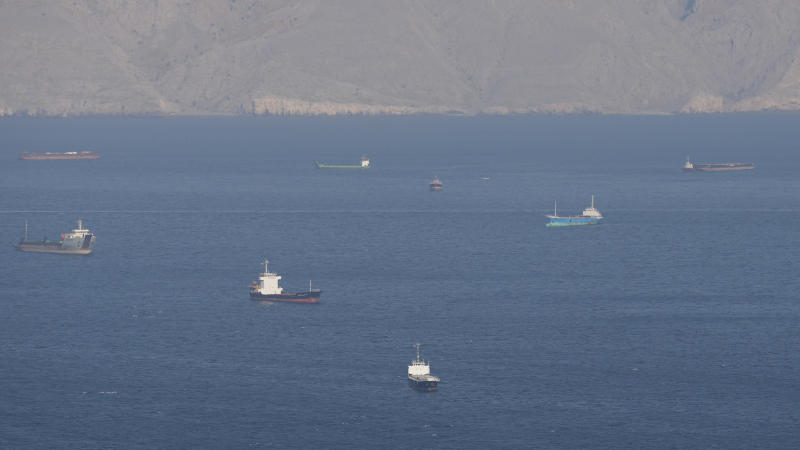
» LONDON - The stop-start shipping traffic through the Strait of Hormuz underscores the profound uncertainty hanging over the world’s most critical oil and gas chokepoint. But one thing is already clear: even if the guns fall silent, flows through the narrow waterway will take months – and possibly years – to recover to pre-war levels.

Chinese economy turns a corner
News, Stephen Jen, Published on 18/04/2026
» China has turned a corner, finally. Five years after Beijing began cracking down on its bloated property sector, its economy is now on a much more sustainable path anchored in high-quality growth -- and the correction has left far fewer scars than many feared.

Myanmar looks east again in search of legitimacy
Oped, Larry Jagan, Published on 17/04/2026
» Myanmar understands it needs to reach out to the world if it is to end its isolation and roll back the sanctions much of the West has levied against it. To this end, the men in green, now in civilian clothes, are seeking the support of traditional allies -- China and Asean, especially Thailand -- as well as Bangladesh and Pakistan, in an effort to reset foreign policy and regain international acceptance.
Oil shock risks wider chain reaction
Oped, Chartchai Parasuk, Published on 16/04/2026
» There is no such thing as a free lunch. When global oil prices rise sharply, as they are doing now, someone must bear the cost. Some countries choose to absorb it through government support, as in Japan, while others pass the burden on to consumers, as in Thailand. Neither approach is inherently right or wrong; each carries different economic consequences. Policymakers must decide which set of outcomes is more acceptable and act accordingly.
China's water security ambitions
News, Amit Ranjan and Genevieve Donnellon-May, Published on 15/04/2026
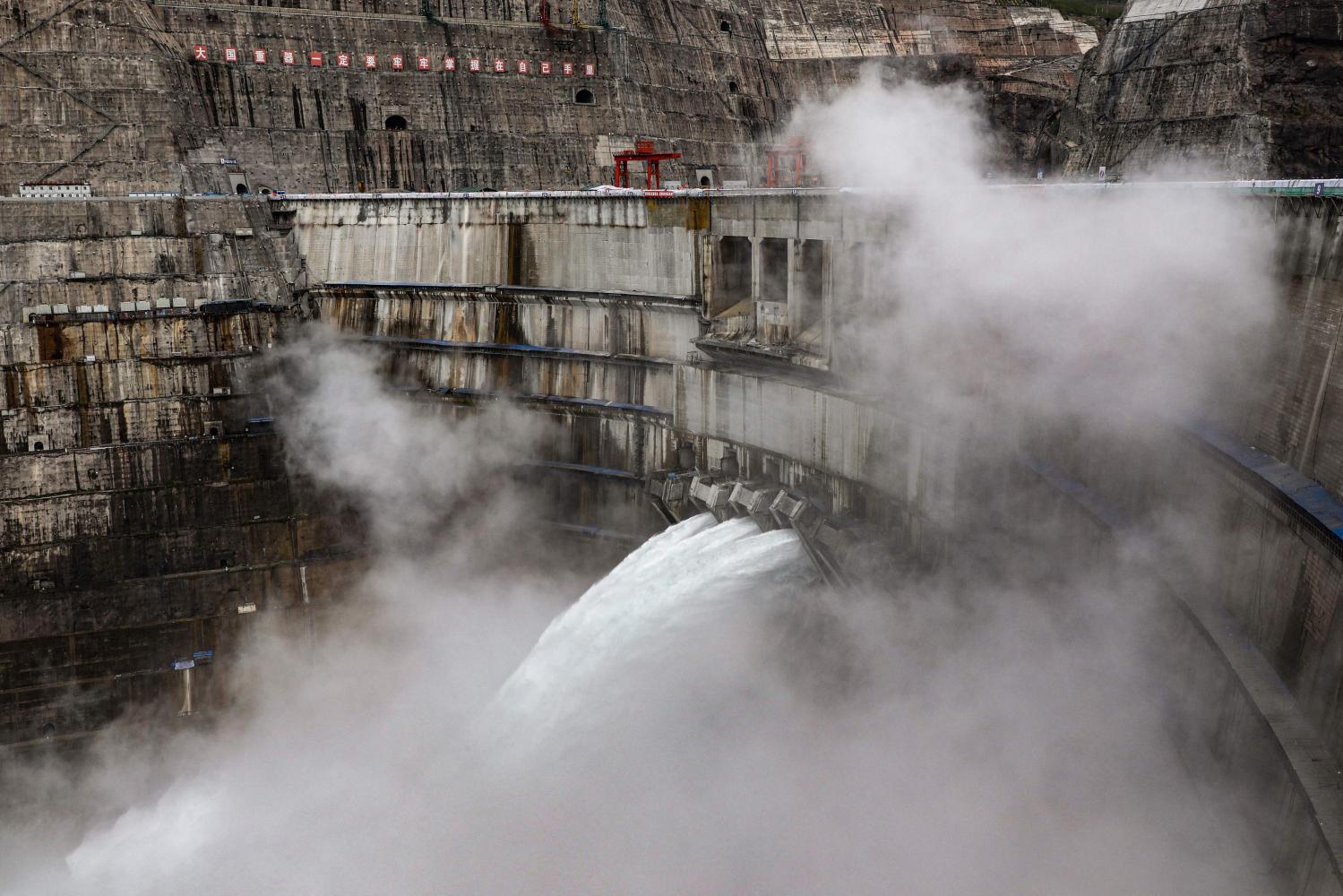
» China holds only 6% of the world's fresh water, which supports nearly 20% of the global population and generates over 18% of global gross domestic product. The country faces water challenges largely due to water quality concerns and significant spatio-temporal imbalances.
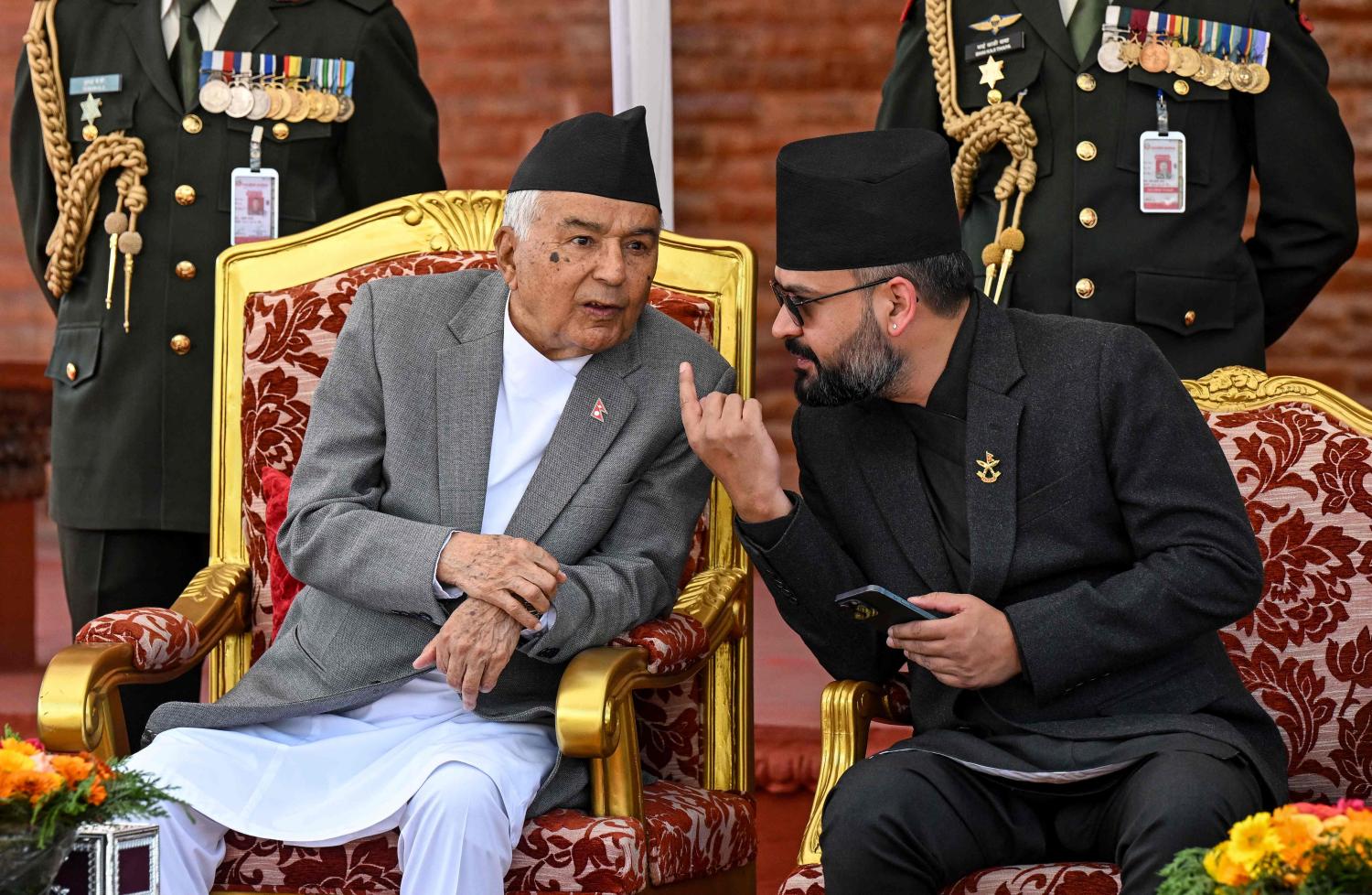
Nepal's new govt faces challenges
News, Brabim Karki, Published on 13/04/2026
» Nepal's new government, led by Balendra Shah, more popularly known as Balen, is moving fast and shaking the politics of the Himalayan nation.

It's a revenue grab
Oped, Postbag, Published on 09/04/2026
» Re: "Thailand plans mandatory accident insurance for foreign visitors", (Business, April 8).