



Showing 1 - 10 of 1,441

Cash flow fears
Postbag, Published on 11/04/2026
» Re: "Risk of acute crisis growing", (Opinion, March 5).
Countering the fallacy of the buffer zone
Oped, Daoud Kuttab, Published on 10/04/2026
» Territorial buffers rarely, if ever, deliver the peace and security their advocates promise. After the collapse of the USSR, Ukraine was seen as a neutral cordon between Russia and Nato. Instead, it became a zone of increasingly fierce geopolitical contention, followed by open war.
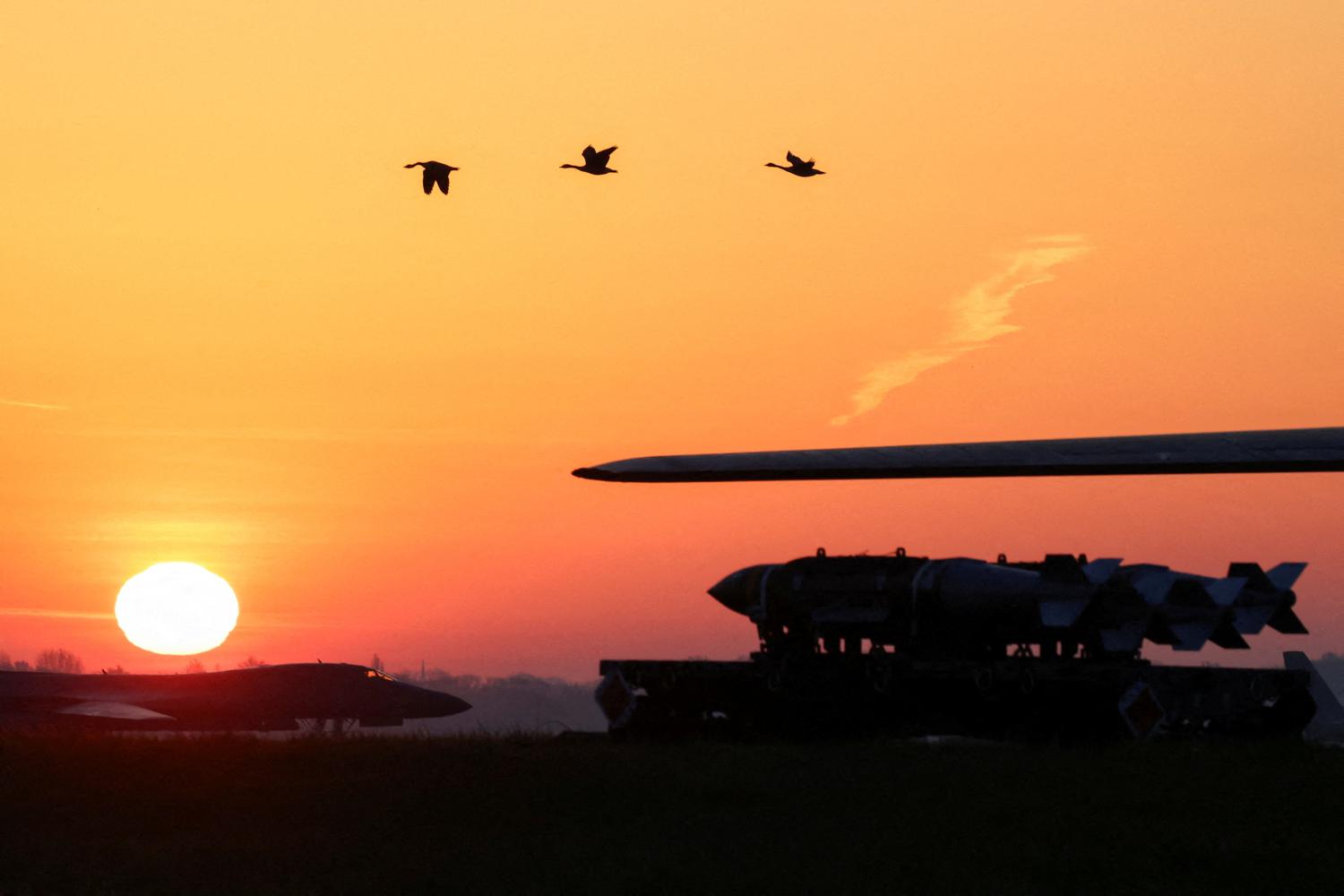
The day the US became Britain at Suez
Oped, Philip J Cunningham, Published on 09/04/2026
» The world's focus is on the US-induced debacle in the Strait of Hormuz, but it's another narrow strait that sums up the current state of US power in the world: Suez.
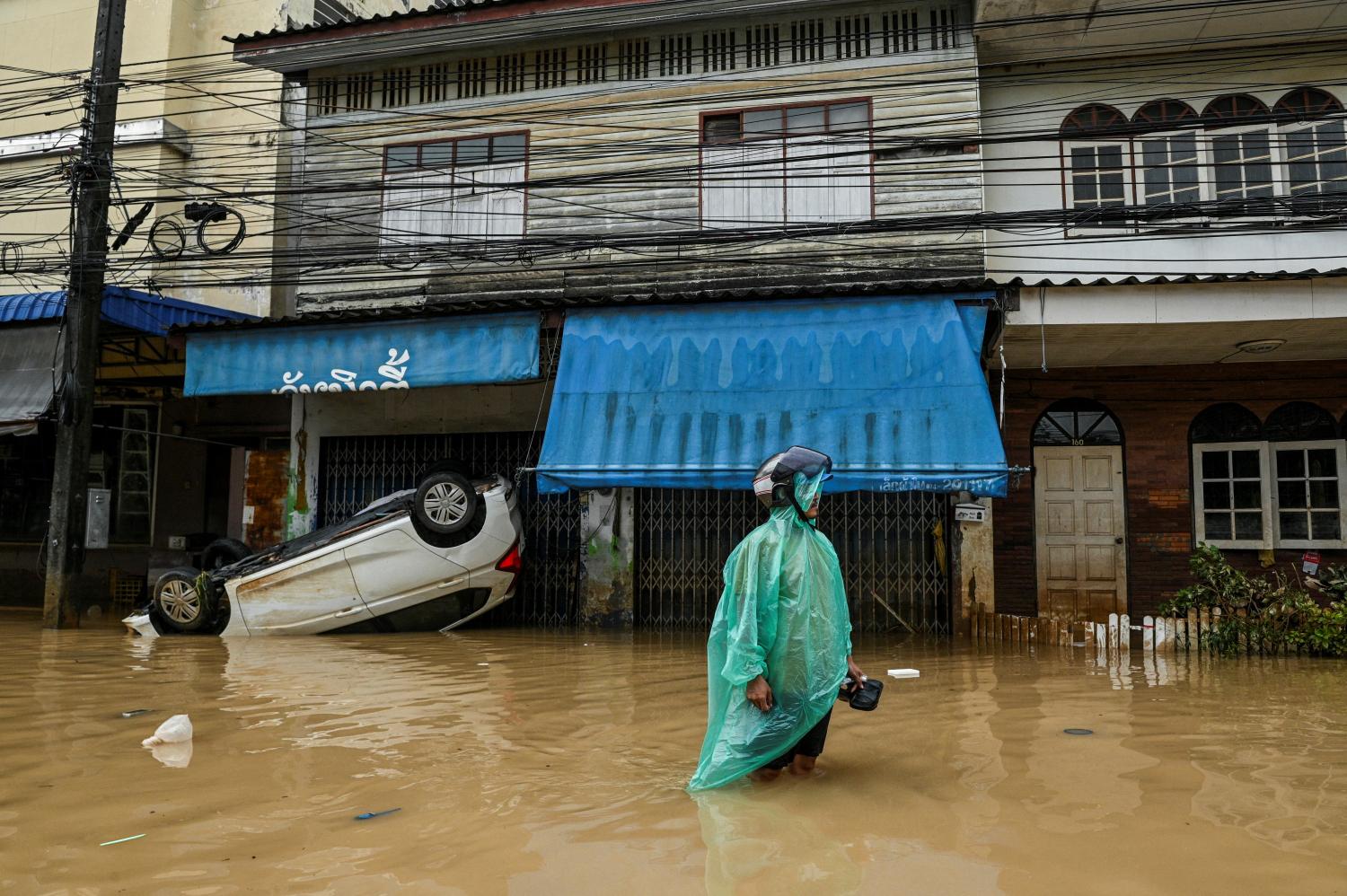
Asean banks face climate pressure
Oped, Rachel Ho, Published on 08/04/2026
» The global oil and gas crisis is worsening. Amid the Middle East war, the central banks of countries in Southeast Asia must address a perfect storm of rising fuel prices, cost-of-living pressures, and worsening impacts of climate disasters.

Fuel reform now
Oped, Postbag, Published on 01/04/2026
» Re: "PM apology a good start," (Editorial, March 30).
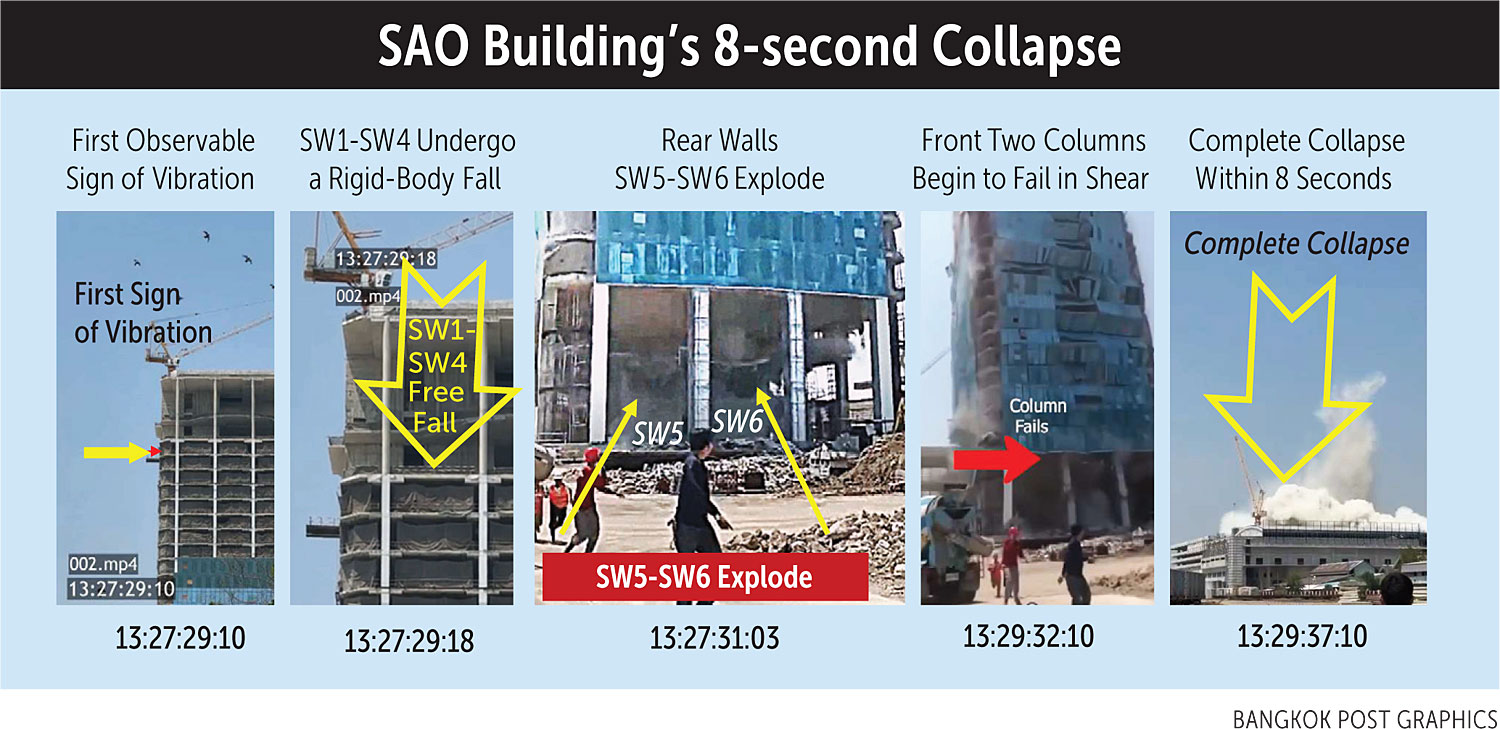
State Audit Office collapse still demands answers
Oped, Worsak Kanok-Nukulchai, Published on 27/03/2026
» One year has passed since the collapse of the State Audit Office (SAO) building -- a broad-daylight engineering tragedy that shocked Thailand and, through countless video clips shared online, much of the world. The images were unforgettable: a high-rise sinking almost straight down and ending as a flattened stack of debris within seconds.

Learn from State Audit Office tragedy
Oped, Editorial, Published on 27/03/2026
» Tomorrow, the nation will mark one of the most painful anniversaries in Thailand's recent history.
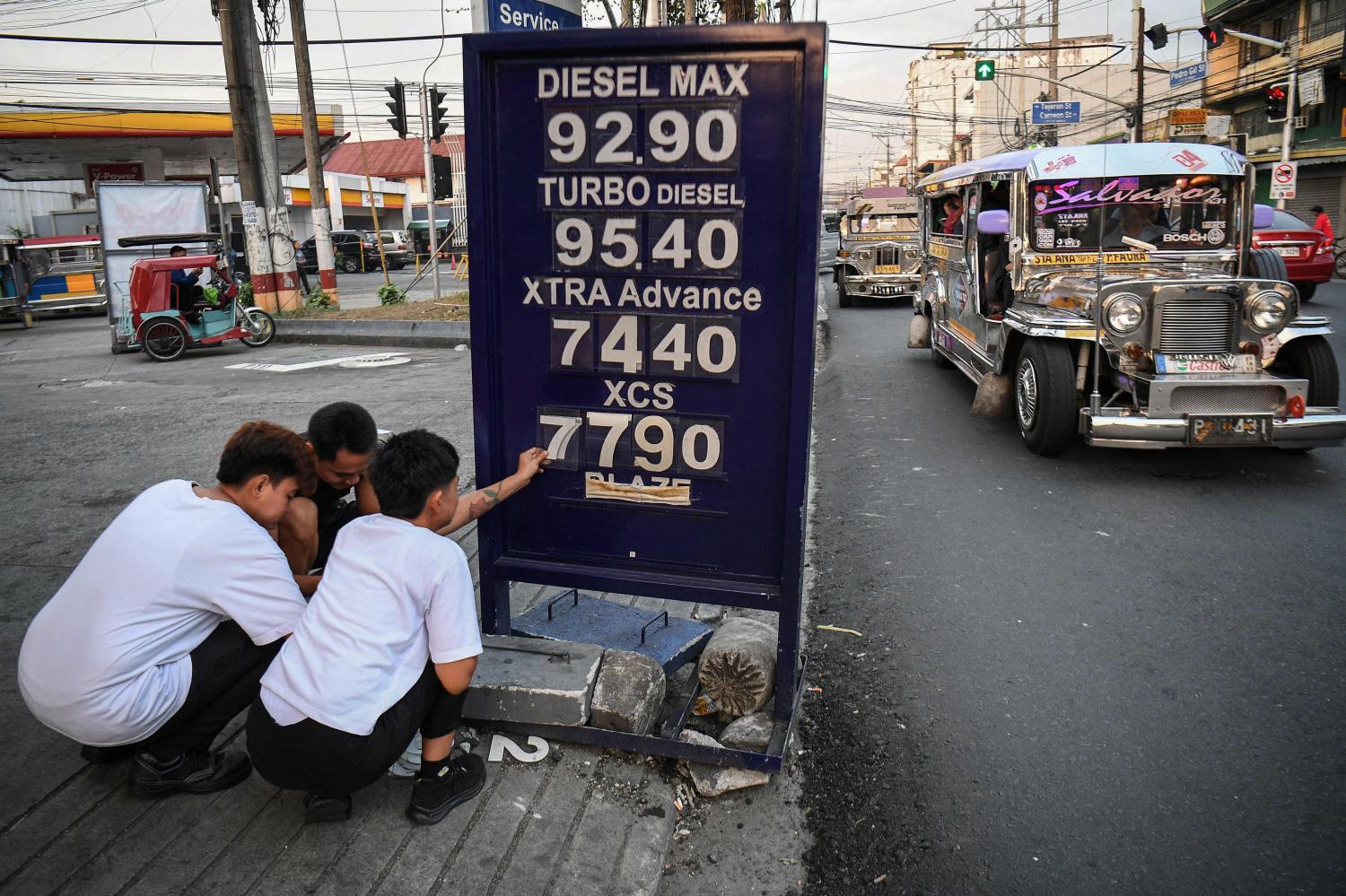
Asean's energy security at risk
Oped, Ma. Theresa P. Lazaro, Published on 26/03/2026
» In June 1986, the five founding members of the Association of Southeast Asian Nations (Asean) assembled in Manila to discuss Asean's response to the global energy crisis, which began with the Iranian Revolution in late 1978.
American hegemony is waning
News, Carla Norrlöf is Professor of Political Science at the University of Toronto., Published on 21/03/2026
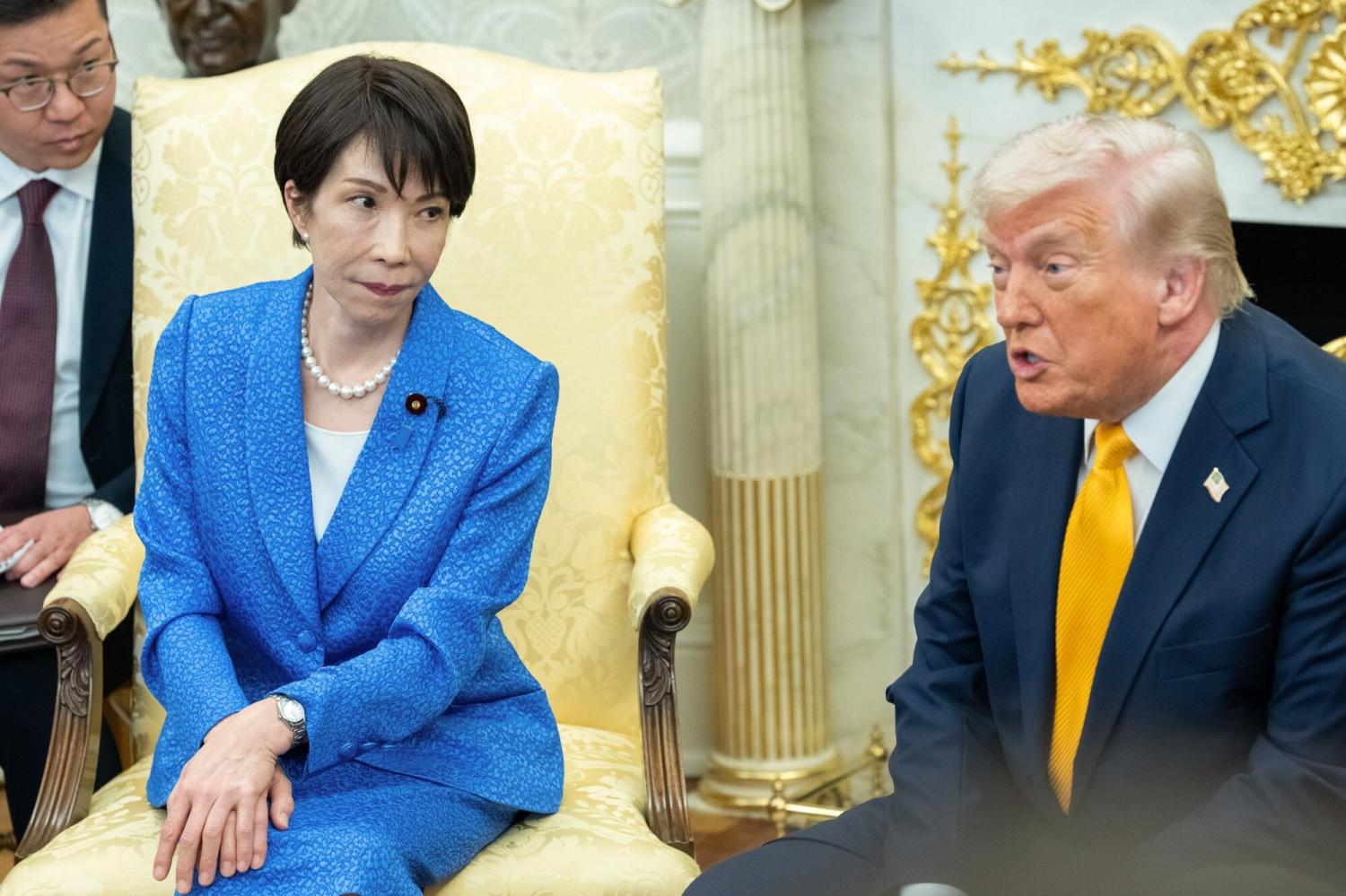
» The messy crisis in the Strait of Hormuz has clarified how power works in the 21st century. It reminds us that the greatest long-term threat to the United States is not China's military buildup or Russian aggression, but the gradual fragmentation of the alliance system that has underwritten its global leadership since World War II.
Impacts of Iran war on Southeast Asia
Oped, Thitinan Pongsudhirak, Published on 20/03/2026
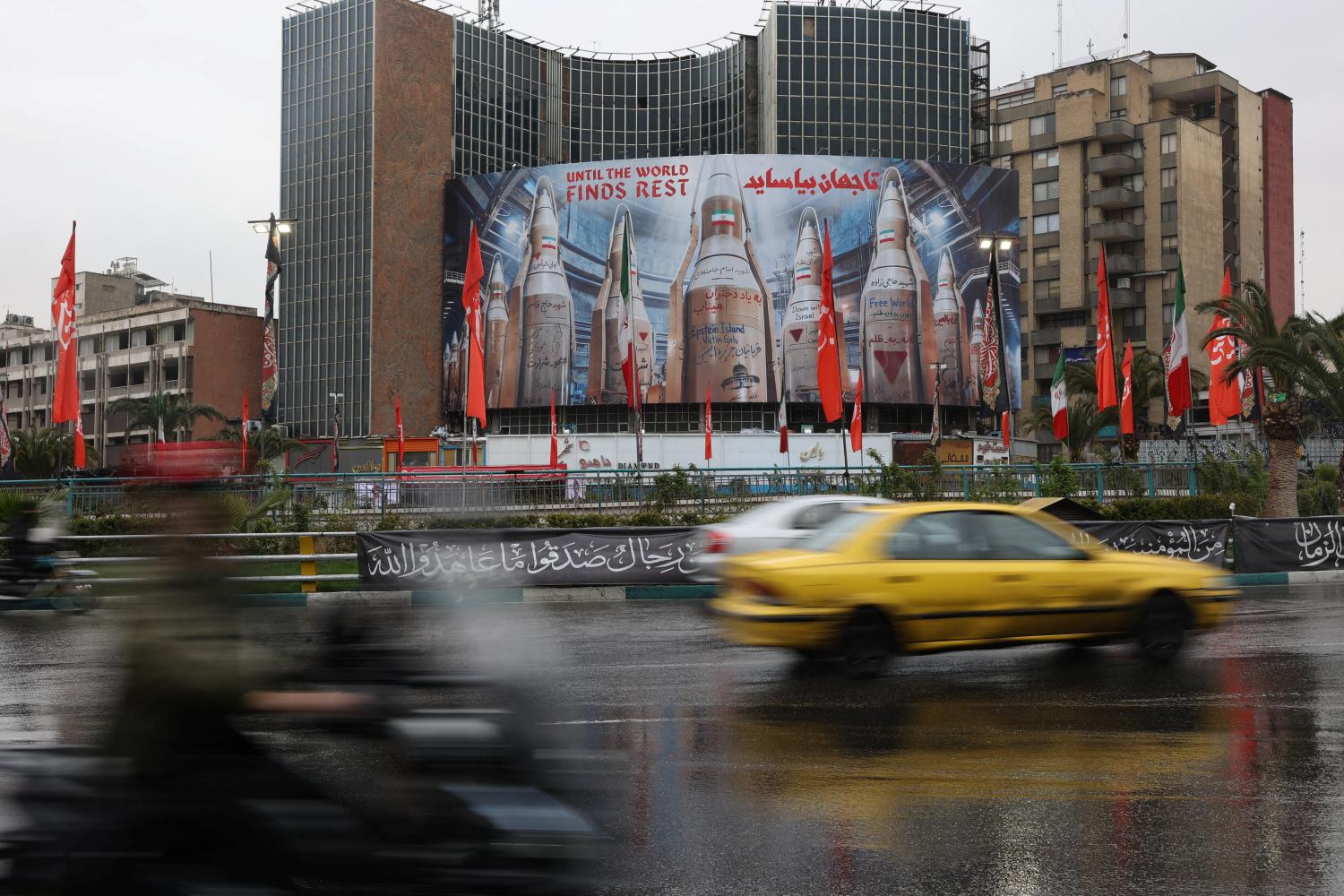
» For the most part, Southeast Asia as a region has taken a neutral stance toward the joint attack between the United States and Israel against the Islamic Republic of Iran. Even the Philippines and Thailand, two formal US treaty allies, have distanced themselves, calling for restraint and de-escalation.