




Showing 1 - 10 of 499
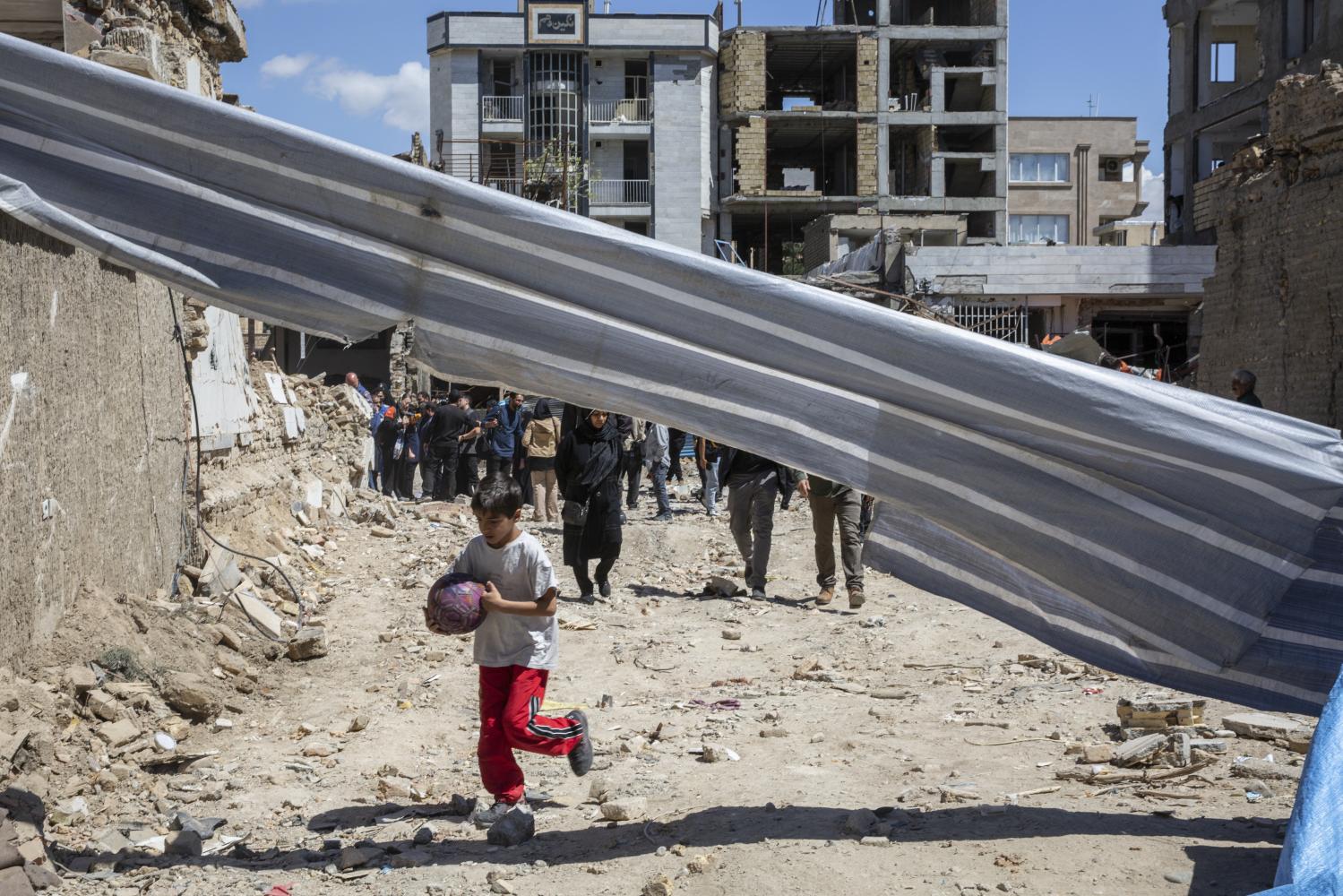
Modern-day mispricing of war
Oped, Antara Haldar, Published on 09/04/2026
» In the space of just a few weeks, the throttling of shipping traffic through the Strait of Hormuz has revealed the true nature of the US-Israeli war with Iran. This is no regional conflict, because the entire world is being invoiced. While the size of the bill remains to be determined, it is already obvious that the belligerents won't be the only ones paying the tab.
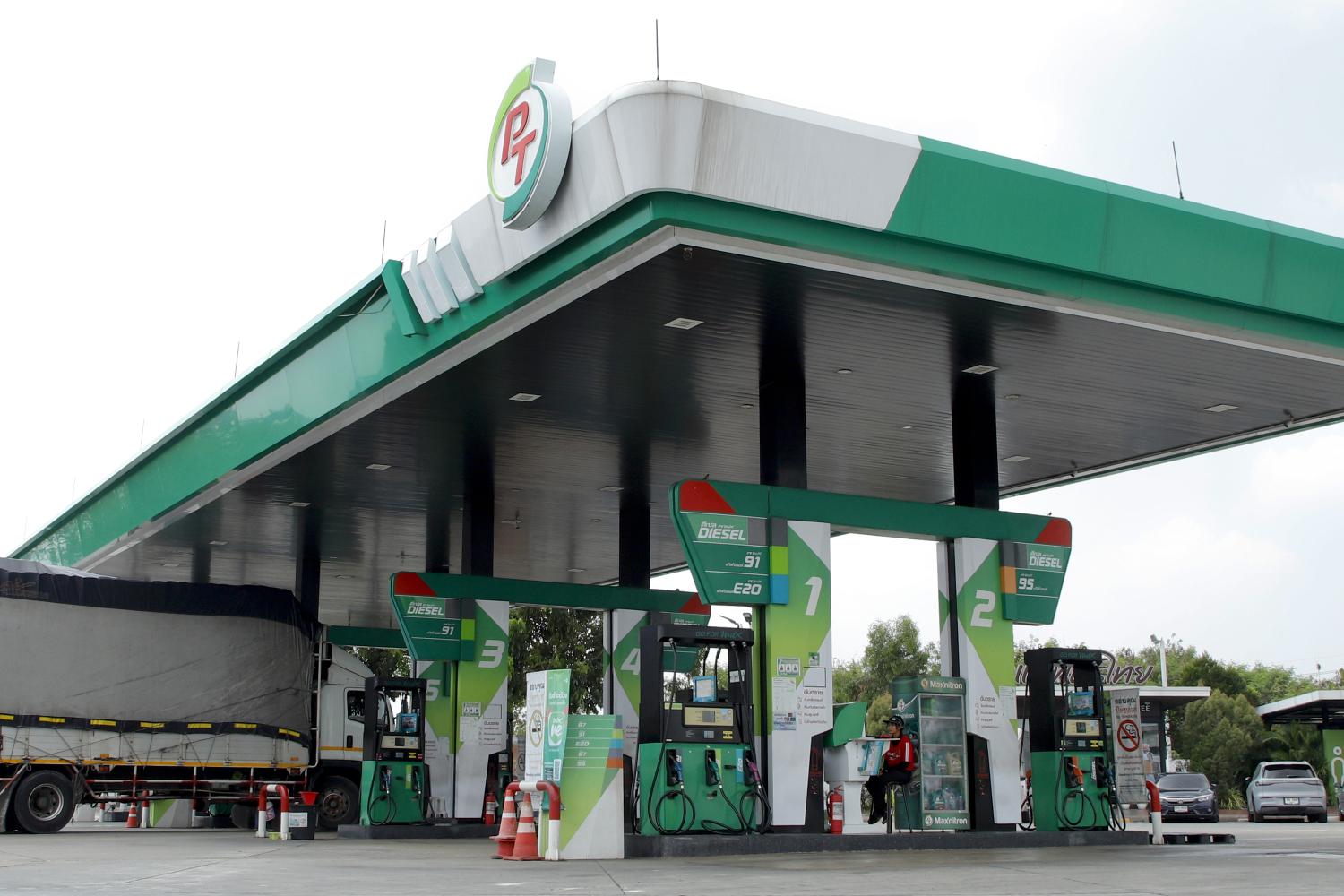
Conflicts of interest worsen crisis
News, Veera Prateepchaikul, Published on 06/04/2026
» Transport Minister Phiphat Ratchakitprakarn's resignation as head of the committee handling the oil crisis caused by the war in the Middle East has spared him from public criticism over a potential conflict of interest linked to his family's oil trading business.

Fairness key during crisis
News, Editorial, Published on 06/04/2026
» Surging oil prices driven by war in the Middle East are forcing our new government to act more to rein in oil prices and pacify public anger directed at oil refineries.
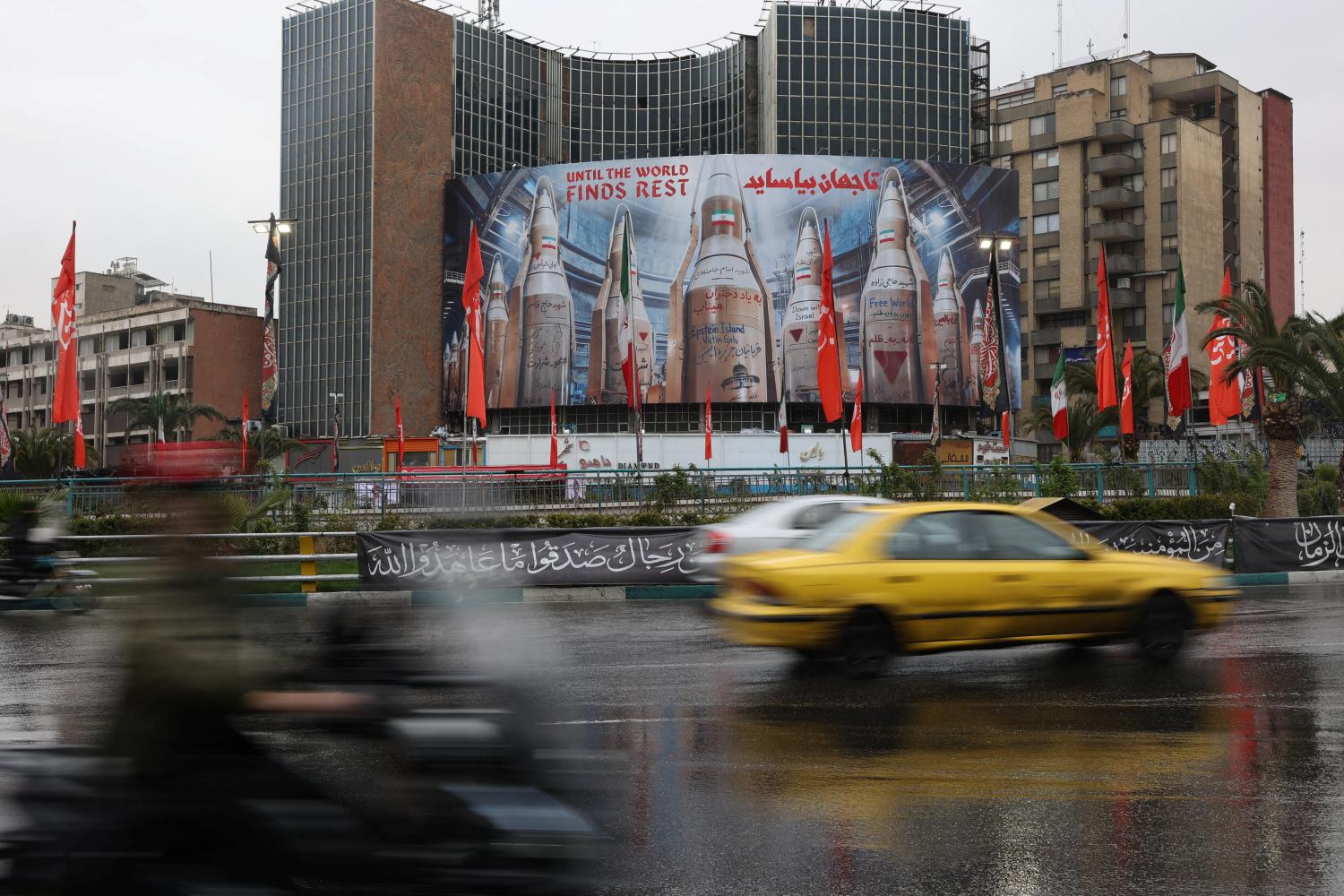
Impacts of Iran war on Southeast Asia
Oped, Thitinan Pongsudhirak, Published on 20/03/2026
» For the most part, Southeast Asia as a region has taken a neutral stance toward the joint attack between the United States and Israel against the Islamic Republic of Iran. Even the Philippines and Thailand, two formal US treaty allies, have distanced themselves, calling for restraint and de-escalation.
Trump shows China how to handle Taiwan
News, Brahma Chellaney, Published on 17/03/2026
» Since returning to office last year, US President Donald Trump has ordered military strikes from the Caribbean and eastern Pacific to Africa and the Middle East, targeting alleged drug-smuggling boats and suspected terrorist groups. He has attacked Venezuela and kidnapped its leader. And he has joined Israel in a large-scale assault on Iran. Meanwhile, he is tightening a noose around Cuba, in the hope that the resulting humanitarian crisis will open the way for a "friendly takeover" of the island by the United States.
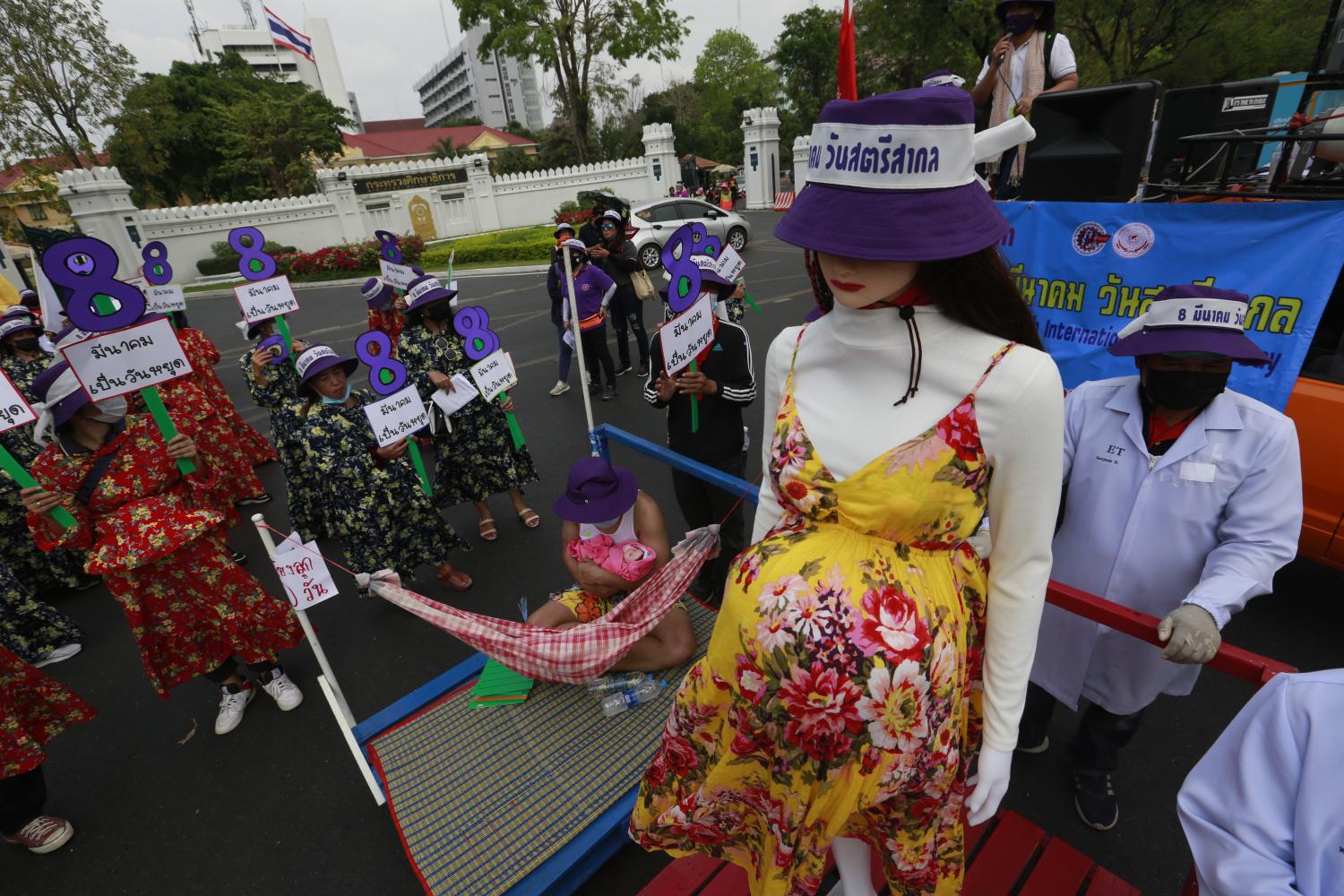
Women can lead push for growth
Oped, Anisha Chugh, Laura Leonelli Morey & Teresa Zapeta Mendoza, Published on 09/03/2026
» Across the Global South, painful austerity measures such as benefit caps, pay freezes and subsidy cuts have followed donor governments' recent cuts to foreign aid. The policy pivot has had an especially dramatic impact on women -- costing them jobs, services and protections -- and is causing widespread economic hardship in many developing countries.
It's never been more important to strengthen ties
Oped, Genevieve Donnellon-May, Published on 09/03/2026
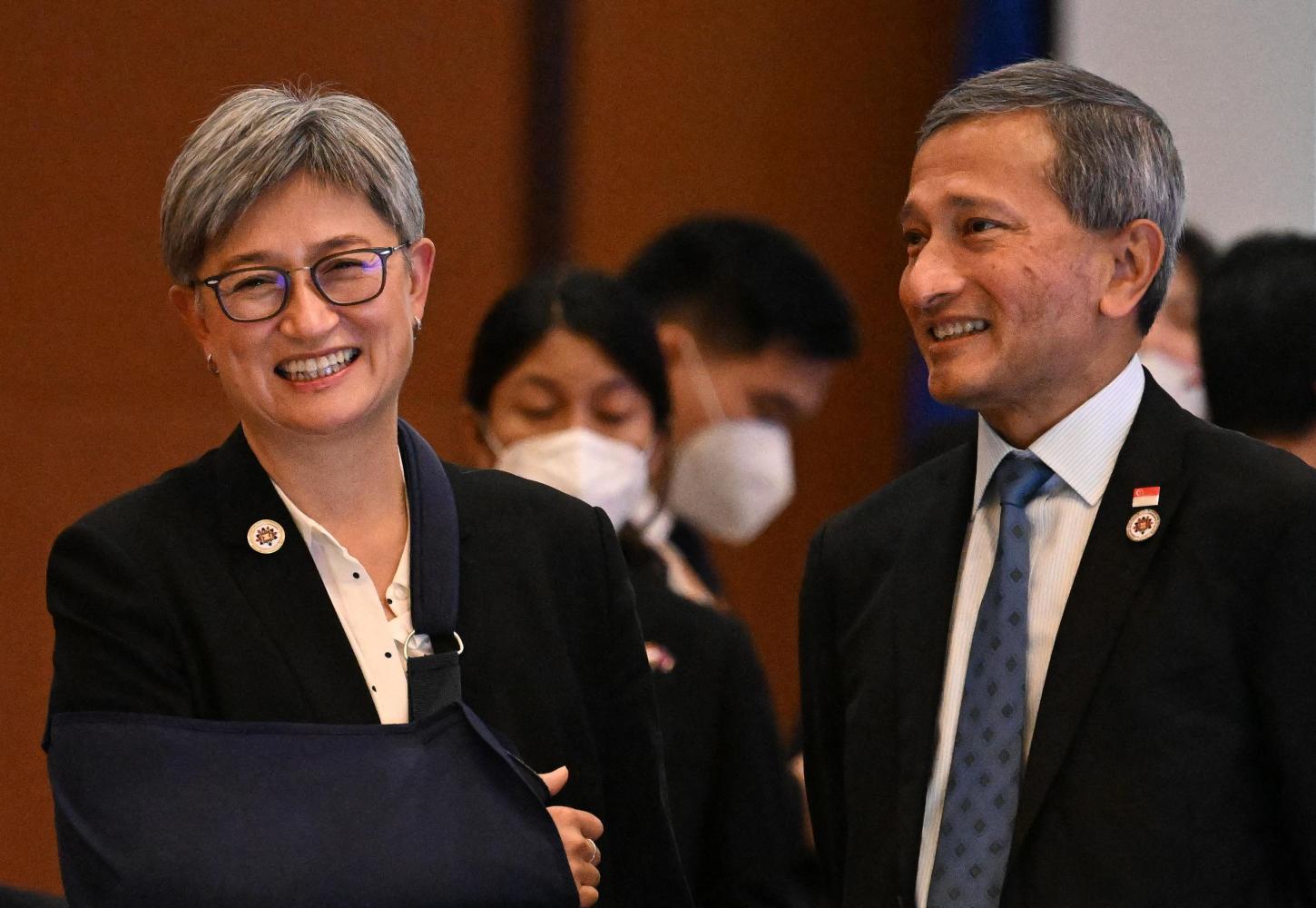
» Australia and the Association of Southeast Asian Nations (Asean) face a defining moment. Intensifying great-power competition, climate crises and economic fragmentation are reshaping the Indo-Pacific, raising urgent questions about how the two sides can build a truly resilient partnership.
Keeping Asia's growth engine on track
News, Thomas Noto Suoneto & Genevieve Donnellon-May, Published on 28/02/2026
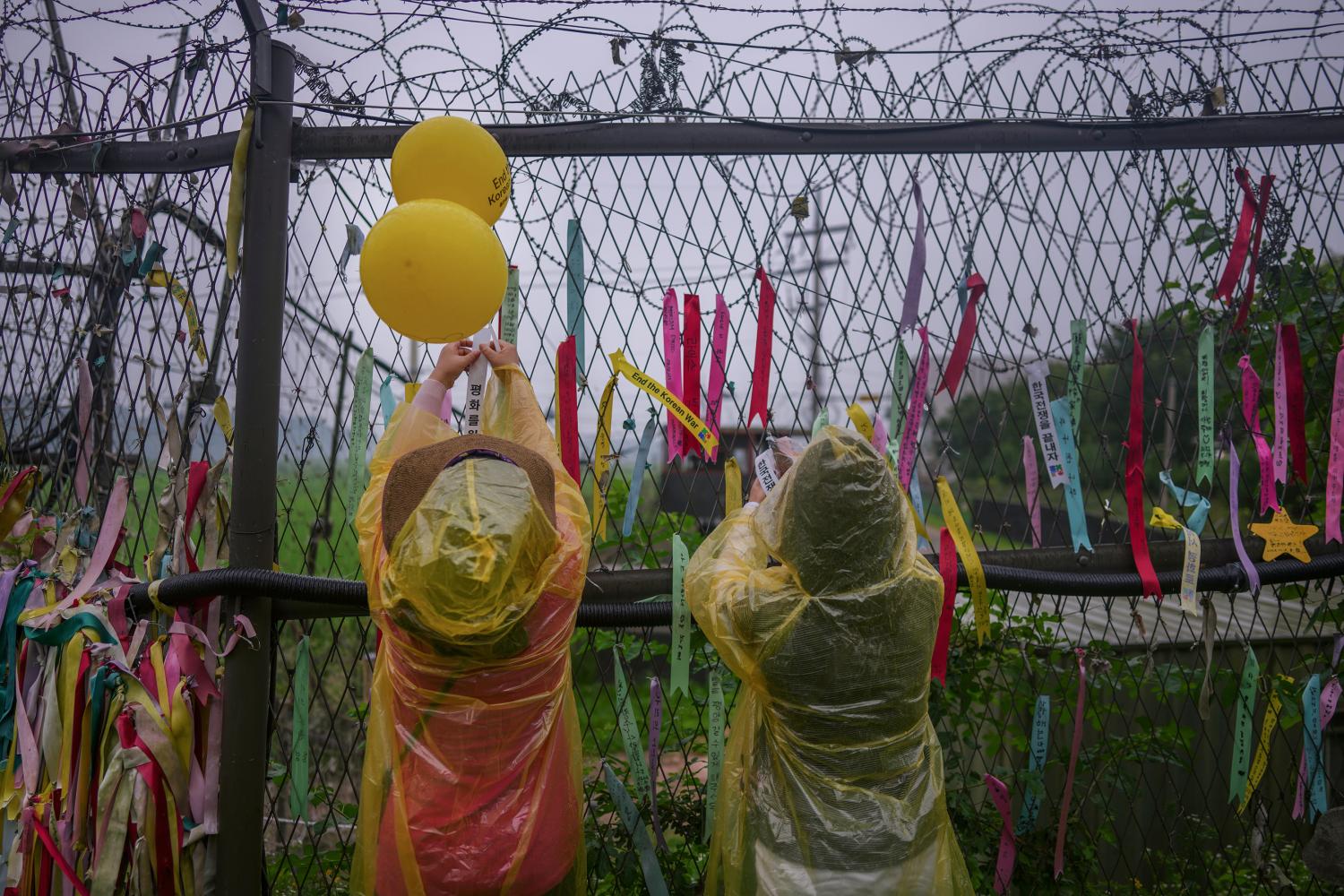
» Asia stands at a decisive crossroads. The region remains the world's most powerful growth engine, with many Asean economies expanding above 5% and Asia-wide growth projected to exceed 4% in 2026 -- well above the global average of roughly 3.1%. Strong domestic demand, rising middle classes, and rapid technological adoption continue to propel the region forward, cementing its role as the central driver of global economic growth.
Minilateralism's necessary rise
Oped, Prabhat Upadhyaya & Saliem Fakir, Published on 23/02/2026
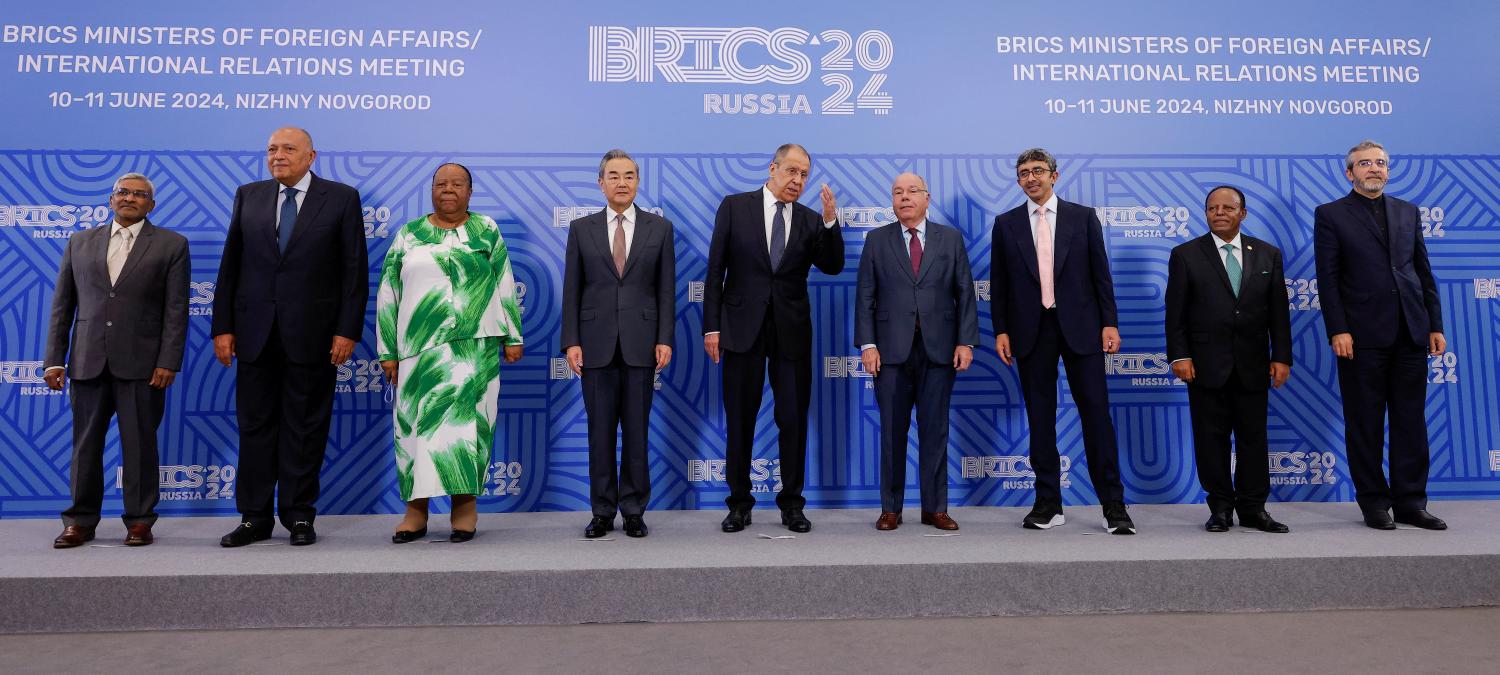
» If there was any doubt remaining about the return of great-power politics, it has been dispelled by US President Donald Trump's attack on Venezuela, threats to annex Greenland, and refusal to extend the New Start treaty limiting the nuclear arsenals of the United States and Russia. Such geopolitical upheavals are driven by "the will to power", as Adam Tooze has pointed out -- including "power over resources, purchasing power, the ability to resist the influence of others."

Klatham left out
Oped, Postbag, Published on 20/02/2026
» Re: "BJT gains Klatham backing", (BP, Feb 17). The headline was somewhat at variance with Pai Lik, its secretary-general's words that his party had no bargaining power to join the coalition, but it implied a dislike of being in the opposition for the next four years.