



Showing 1 - 10 of 71
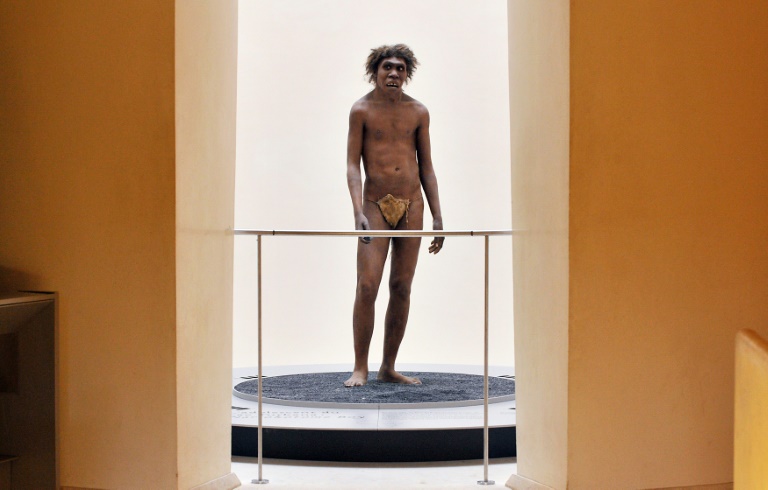
Morocco fossils shed light on our African roots
AFP, Published on 08/01/2026
» PARIS - Where did our species first emerge? Fossils discovered in Morocco dating back 773,000 years bolster the theory that Homo sapiens originally appeared in Africa, scientists said in a study Wednesday.
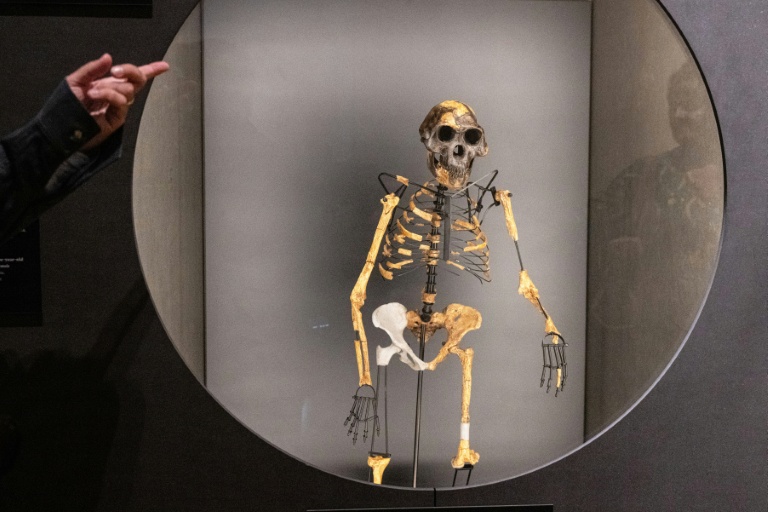
Scientists link mystery foot to ancient human relative
AFP, Published on 27/11/2025
» PARIS - Newly discovered fossils prove that a mysterious foot found in Ethiopia belongs to a little-known, recently named ancient human relative who lived alongside the species of the famous “Lucy”, scientists said on Wednesday.
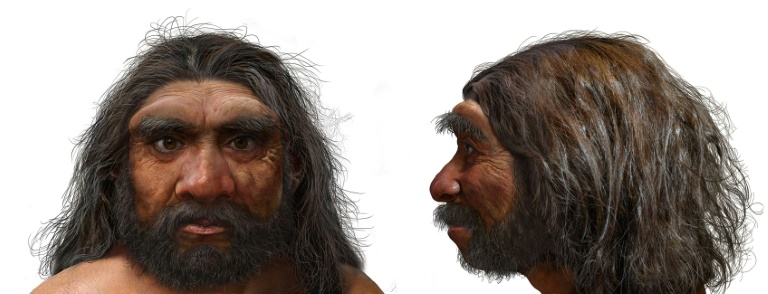
Million-year-old skull could change human evolution timeline
AFP, Published on 26/09/2025
» A digital reconstruction of a million-year-old skull suggests humans may have diverged from our ancient ancestors 400,000 years earlier than thought and in Asia not Africa, a study said Friday.
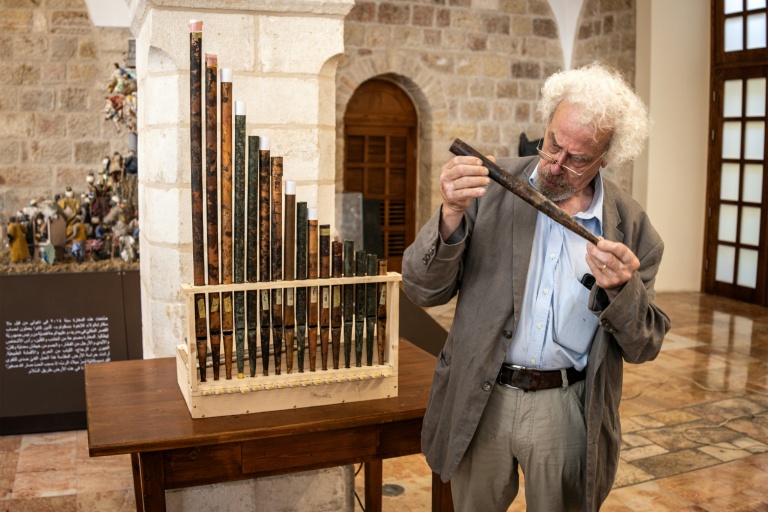
Silent for 800 years, mediaeval organ sings in Jerusalem
AFP, Published on 11/09/2025
» JERUSALEM - The pipes of a mediaeval organ, buried for centuries and discovered near the Church of the Nativity in Bethlehem in the occupied West Bank, are once more filling a Jerusalem monastery with ancient melodies.
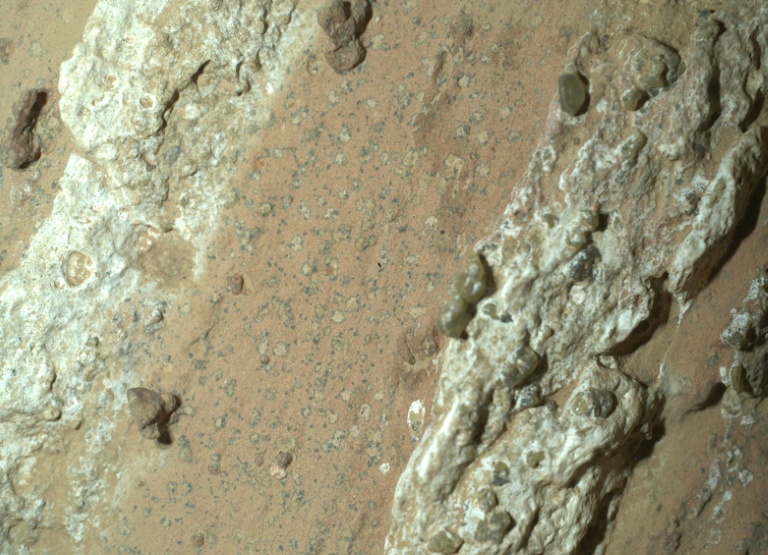
Speckled Martian rocks 'clearest sign' yet of ancient life
AFP, Published on 11/09/2025
» WASHINGTON - Colorful, speckled rocks found on the surface of Mars have offered among the most encouraging evidence yet of ancient life on our neighboring planet, scientists at NASA announced Wednesday.
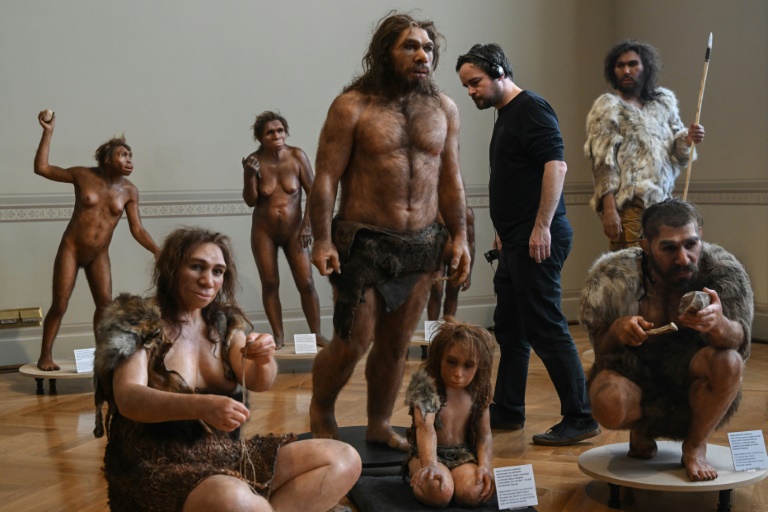
Human ancestor Lucy gets first European showing in Prague
AFP, Published on 25/08/2025
» PRAGUE - The 3.18-million-year-old bone fragments of human ancestor Lucy, which rarely leave Ethiopia, will go on display in Europe for the first time Monday at the Czech National Museum in Prague.
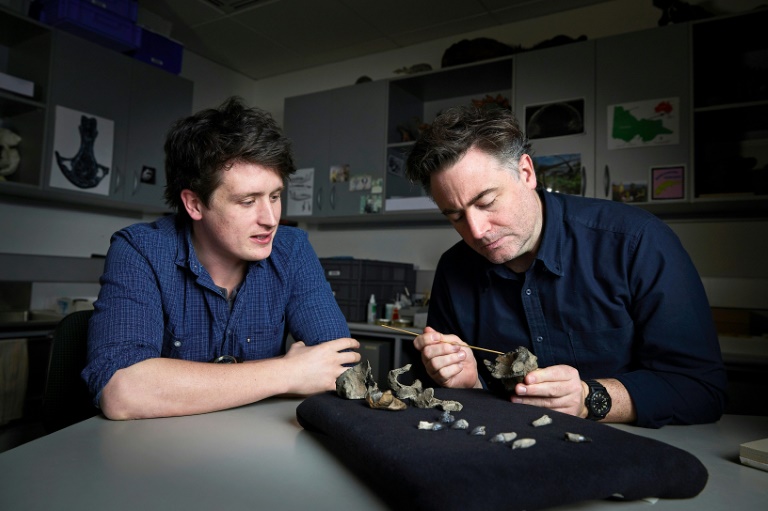
Scientists unearth 'cute' but fearsome ancient whale
AFP, Published on 13/08/2025
» SYDNEY - Australian scientists have discovered a razor-toothed whale that prowled the seas 26 million years ago, saying Wednesday the species was "deceptively cute" but a fearsome predator.

New T-Rex ancestor discovered in drawers of Mongolian institute
AFP, Published on 12/06/2025
» PARIS - Misidentified bones that languished in the drawers of a Mongolian institute for 50 years belong to a new species of tyrannosaur that rewrites the family history of the mighty T-Rex, scientists said on Wednesday.

Horses were running between Asia, North America 50,000 years ago: study
South China Morning Post, Published on 16/05/2025
» HONG KONG — Ancient horses repeatedly migrated between North America and Eurasia, reaching today's Russian Far East near China, during the late Pleistocene when sea levels dropped and a land bridge connected the two continents, a new study found.

Fossil’s 3 eyes are not its most surprising feature
New York Times, Published on 14/05/2025
» NEW YORK - More than 500 million years ago a three-eyed predator chased prey through seas of the Cambrian Period. Once it caught its quarry, a pair of spine-covered grasping claws and a circular mouth covered in teeth would finish the job.