




Showing 1 - 10 of 1,833
Crypto push undermines US power
Oped, Jayati Ghosh, Published on 20/04/2026
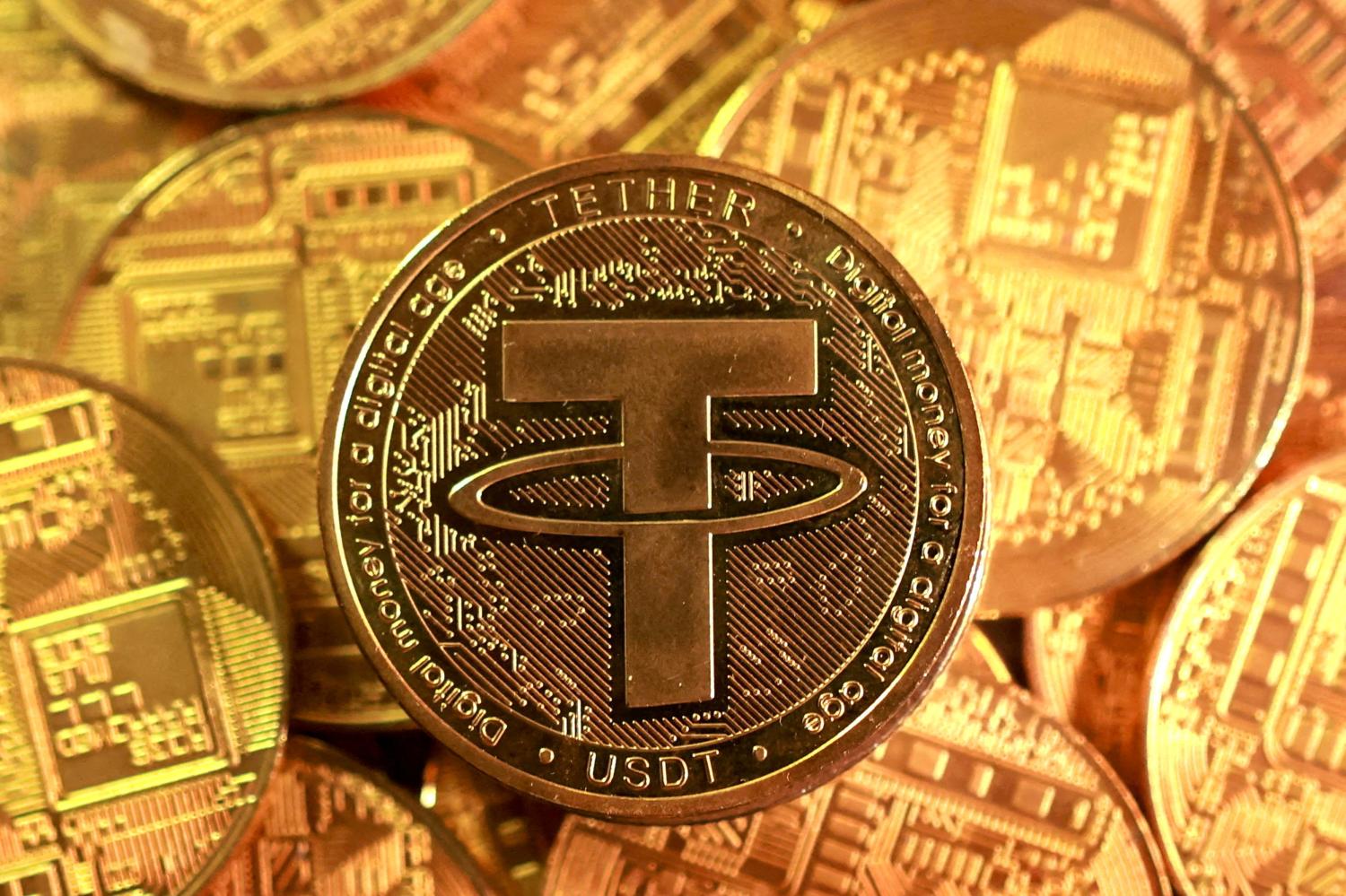
» The Ouroboros, the ancient image of a serpent devouring its own tail, has long symbolised self-defeating strategies. It is thus an apt metaphor for US President Donald Trump's current policies. His reckless and illegal war against Iran is the clearest example, but his administration's enthusiastic embrace of crypto currencies represents a subtler, slower-burning expression of the same self-destructive tendency.

Car scheme doubts
Oped, Editorial, Published on 20/04/2026
» The government's planned "old car for new" scheme, a campaign to provide a subsidy and soft loans to accelerate electric vehicle adoption, marks a policy push to advance the transition towards net zero. In principle, the direction sounds good.

Border hospitals need more help
Editorial, Published on 19/04/2026
» A recent appeal for financial help from Umphang Hospital in Tak province highlights the ordeals faced by hospitals along the Thai-Myanmar border.
Hormuz crisis reveals energy resilience gap
News, Laura Carvalho, Published on 18/04/2026
» The closure of the Strait of Hormuz has triggered what the International Monetary Fund calls a "global yet asymmetric" rupture, disrupting the flow of roughly one-quarter of oil, one-fifth of liquefied natural gas, and one-third of fertiliser supplies. Energy and fertiliser prices have risen, supply chains have rerouted, and financial conditions have tightened unevenly around the world.
Chinese economy turns a corner
News, Stephen Jen, Published on 18/04/2026
» China has turned a corner, finally. Five years after Beijing began cracking down on its bloated property sector, its economy is now on a much more sustainable path anchored in high-quality growth -- and the correction has left far fewer scars than many feared.
Climate fixation fails world's poor
Oped, Bjorn Lomborg, Published on 17/04/2026
» This week in Washington, more than 10,000 delegates, finance ministers, and central bankers are gathering for the World Bank and IMF Spring Meetings. Their stated goal: accelerate global development, drive economic growth, and lift billions out of poverty.
Oil shock risks wider chain reaction
Oped, Chartchai Parasuk, Published on 16/04/2026
» There is no such thing as a free lunch. When global oil prices rise sharply, as they are doing now, someone must bear the cost. Some countries choose to absorb it through government support, as in Japan, while others pass the burden on to consumers, as in Thailand. Neither approach is inherently right or wrong; each carries different economic consequences. Policymakers must decide which set of outcomes is more acceptable and act accordingly.


Cash flow fears
Postbag, Published on 11/04/2026
» Re: "Risk of acute crisis growing", (Opinion, March 5).
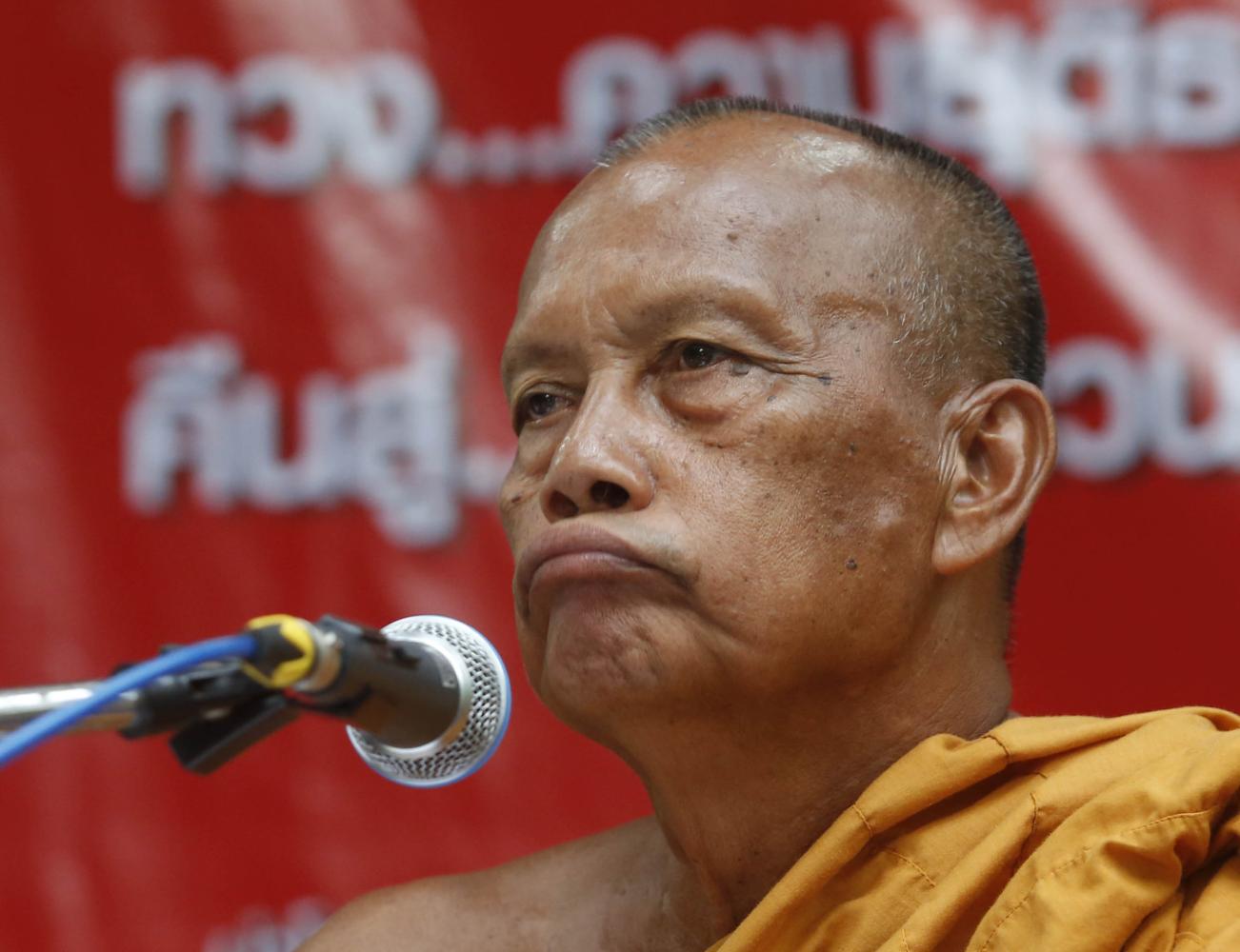
Temple aid halt signals deeper crisis
News, Anucha Charoenpo, Published on 11/04/2026
» Wat Suan Kaew in Nonthaburi's Bang Yai district has announced a temporary suspension of its long-running social charity programmes for needy groups due to mounting financial pressures.