



Showing 1 - 2 of 2
More missiles, memes, and the new resistance
News, Imran Khalid, Published on 19/07/2025
» There was a time, not so long ago, when Walter Cronkite's sombre baritone could turn battlefield dispatches into moments of collective reckoning. Even the first "television war" of 1991, piped in grainy bursts from Baghdad, felt slow enough for shock to sink in. These days, the missiles that streak above Natanz or Esfahan arrive on TikTok between latte art tutorials and kittens sliding off sofas. The effect is less shock-and-awe, more scroll-and-shrug.
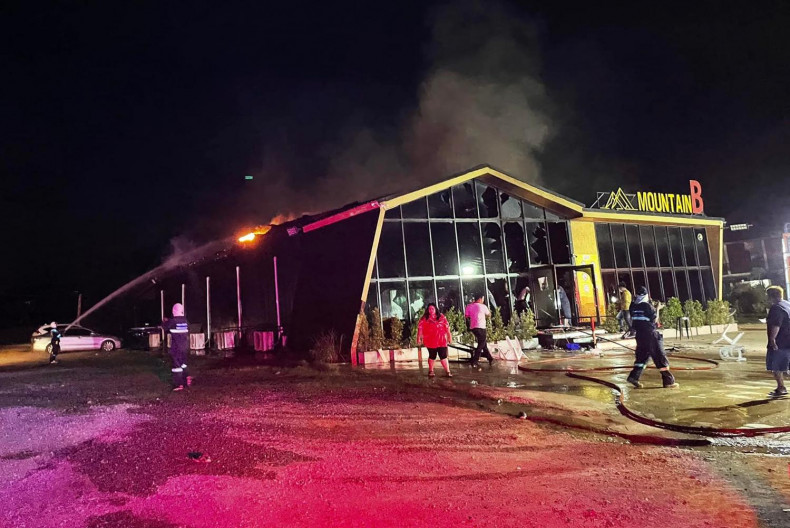
Lessons from the Mountain B fire
Oped, Worsak Kanok-Nukulchai, Published on 24/08/2022
» Fire breaks out when heat, fuel, and oxygen meet. Without intervention, a fire will only come to an end under two conditions: when the fuel has run out, or when the oxygen supply is exhausted. In an enclosed space, when a fire can deplete most oxygen, the flames will die down while the fuel continues to burn in a smouldering state under pyrolysis. Pyrolysis does not require oxygen, so it can take place without fire at or above 500C and turn organic compounds into charcoal, tar, or non-condensable gases. These gases have extremely high thermal values ready to burst into fireballs as soon as fresh oxygen re-emerges from any new opening. This is called "backdraft", and is what happened in the Mountain B Pub fire.