




Showing 1 - 10 of 524
Hormuz crisis reveals energy resilience gap
News, Laura Carvalho, Published on 18/04/2026
» The closure of the Strait of Hormuz has triggered what the International Monetary Fund calls a "global yet asymmetric" rupture, disrupting the flow of roughly one-quarter of oil, one-fifth of liquefied natural gas, and one-third of fertiliser supplies. Energy and fertiliser prices have risen, supply chains have rerouted, and financial conditions have tightened unevenly around the world.
Oil shock risks wider chain reaction
Oped, Chartchai Parasuk, Published on 16/04/2026
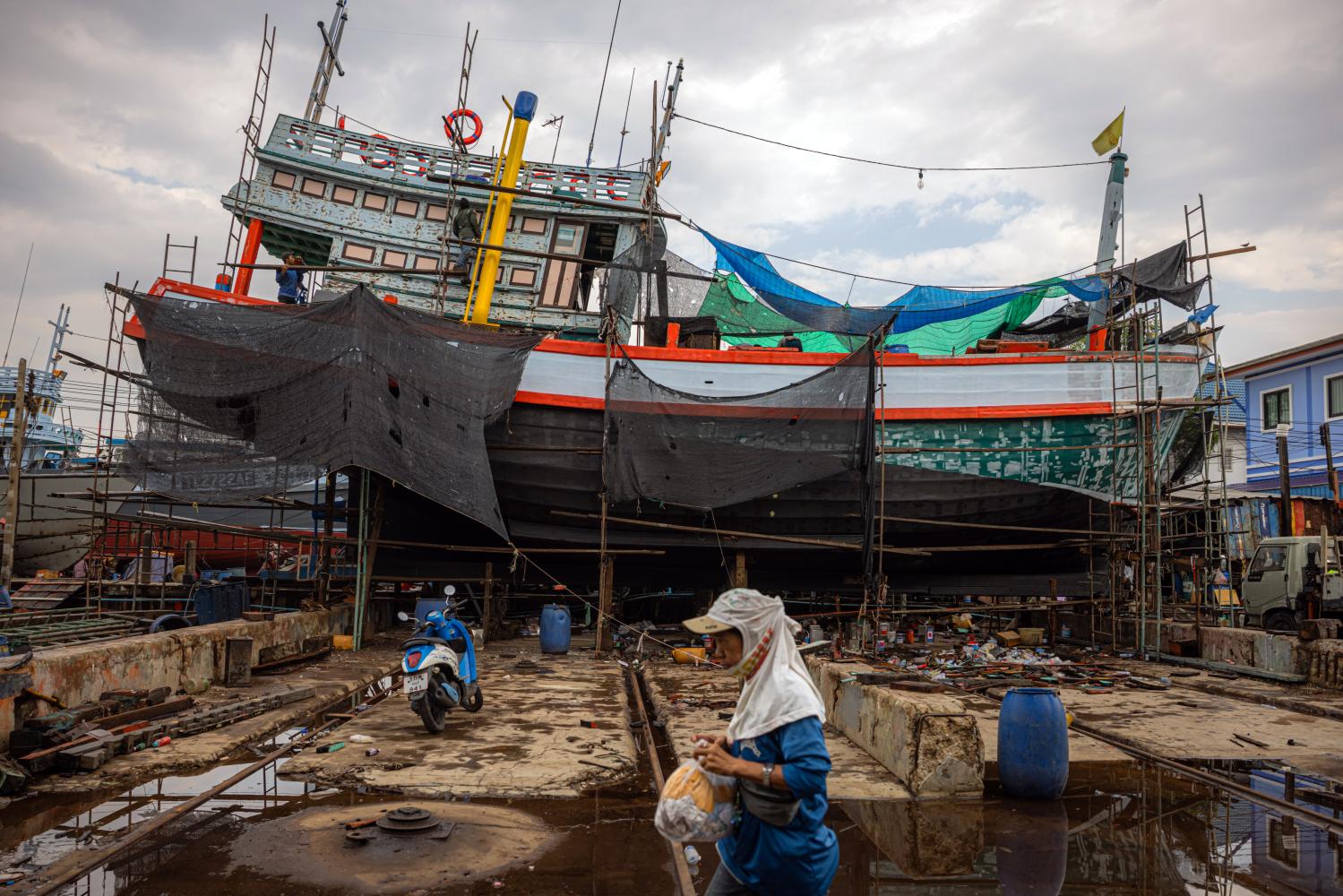
» There is no such thing as a free lunch. When global oil prices rise sharply, as they are doing now, someone must bear the cost. Some countries choose to absorb it through government support, as in Japan, while others pass the burden on to consumers, as in Thailand. Neither approach is inherently right or wrong; each carries different economic consequences. Policymakers must decide which set of outcomes is more acceptable and act accordingly.
Rethink Asean-Pakistan relations
News, Kavi Chongkittavorn, Published on 14/04/2026
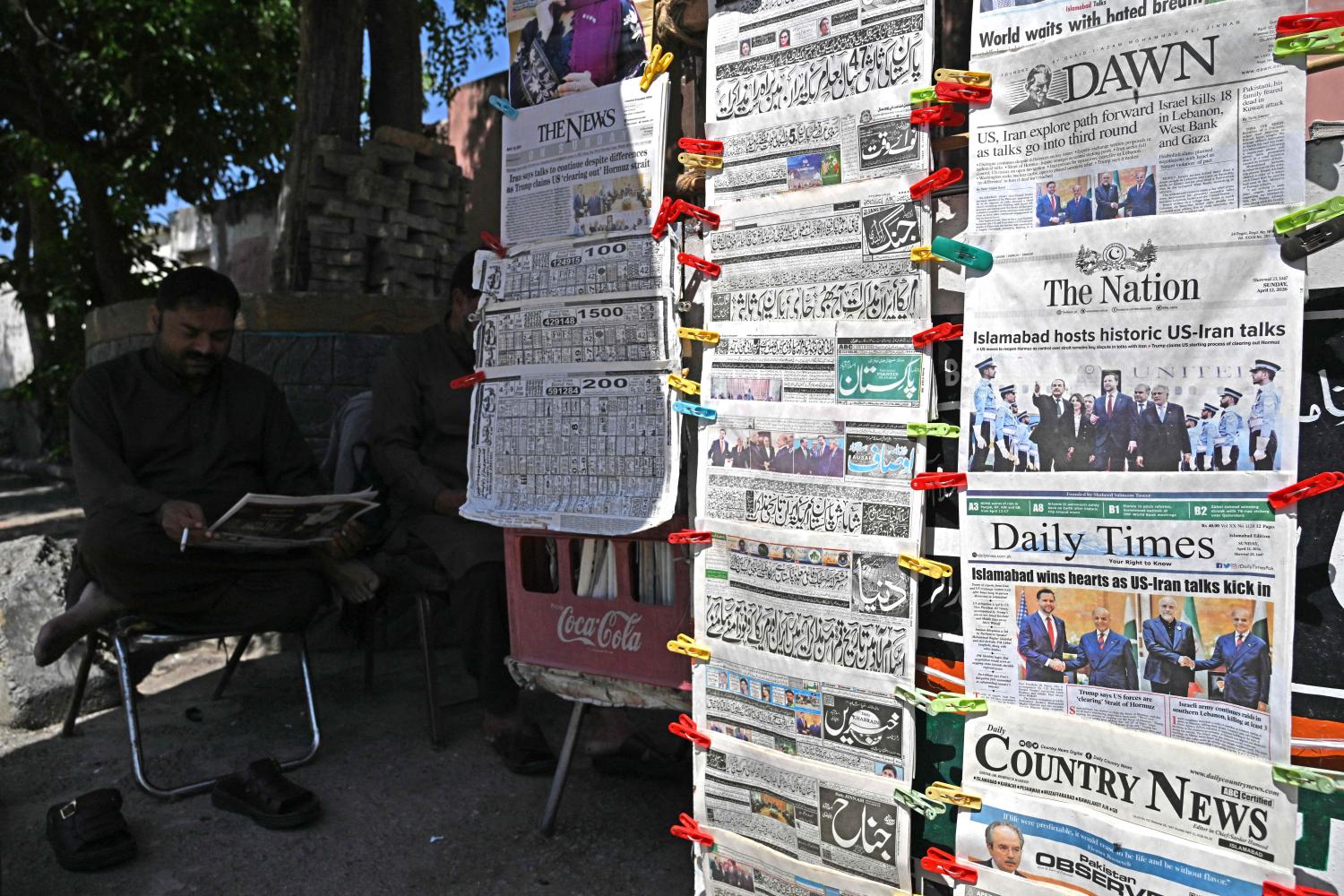
» Pakistan became an Asean sectoral dialogue partner in 1993. Yet for more than three decades, the grouping's engagement with this nuclear-armed state has remained limited. The time has surely come to reconsider its status and elevate it to a full dialogue partner.
The day the US became Britain at Suez
Oped, Philip J Cunningham, Published on 09/04/2026
» The world's focus is on the US-induced debacle in the Strait of Hormuz, but it's another narrow strait that sums up the current state of US power in the world: Suez.
Modern-day mispricing of war
Oped, Antara Haldar, Published on 09/04/2026
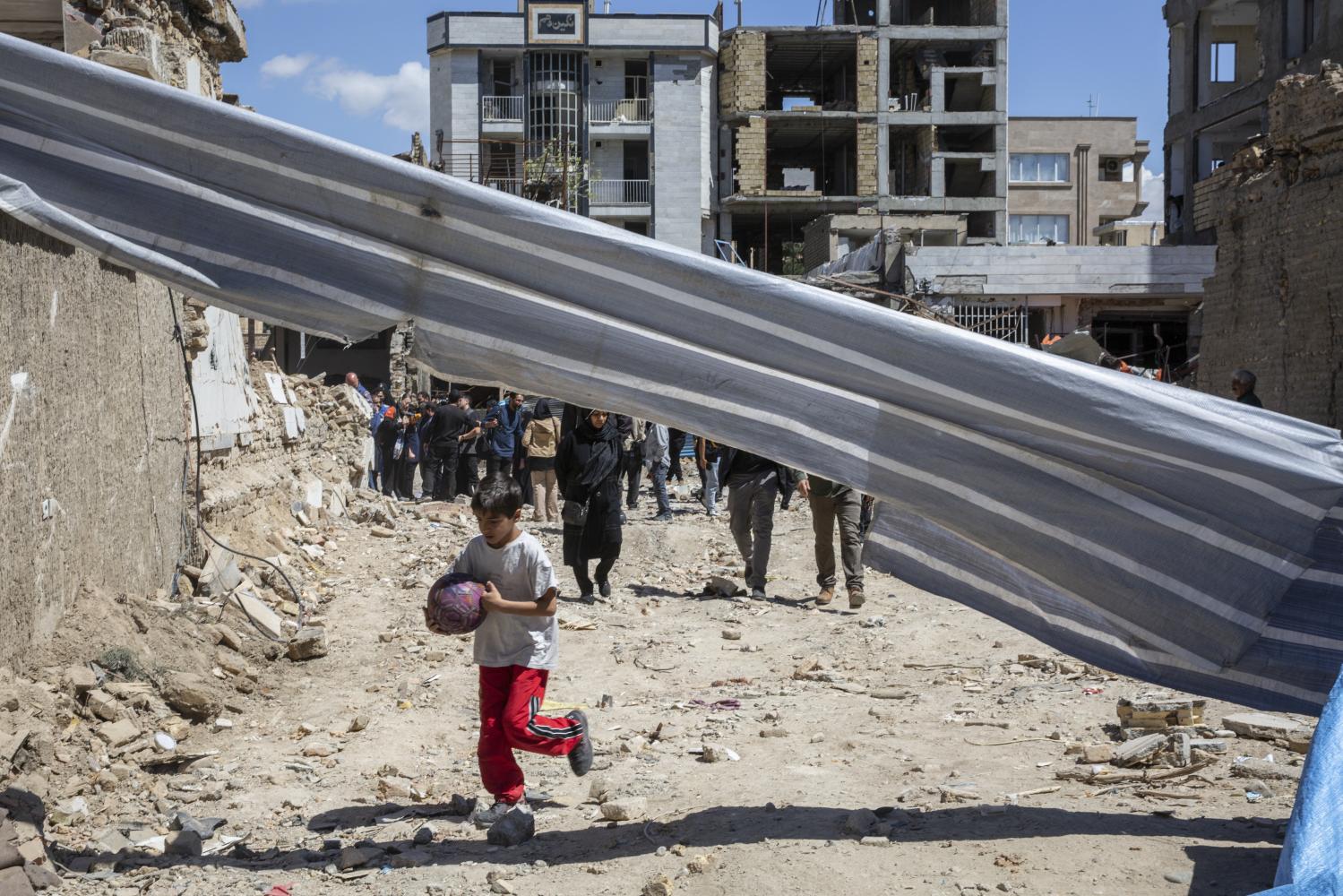
» In the space of just a few weeks, the throttling of shipping traffic through the Strait of Hormuz has revealed the true nature of the US-Israeli war with Iran. This is no regional conflict, because the entire world is being invoiced. While the size of the bill remains to be determined, it is already obvious that the belligerents won't be the only ones paying the tab.

Laws must unlock food waste value
News, Chanisara Dumkum & Theerat Dejitikul, Published on 08/04/2026
» Thailand has been throwing away food on a massive scale. Yet much of what ends up in the bin could have been used to feed people, animals, or even generate energy. The question is what needs to be done. To find a proper solution, we must acknowledge a hard fact: waste is not the problem in itself. The real issue lies in the system that manages it.
Asean banks face climate pressure
Oped, Rachel Ho, Published on 08/04/2026
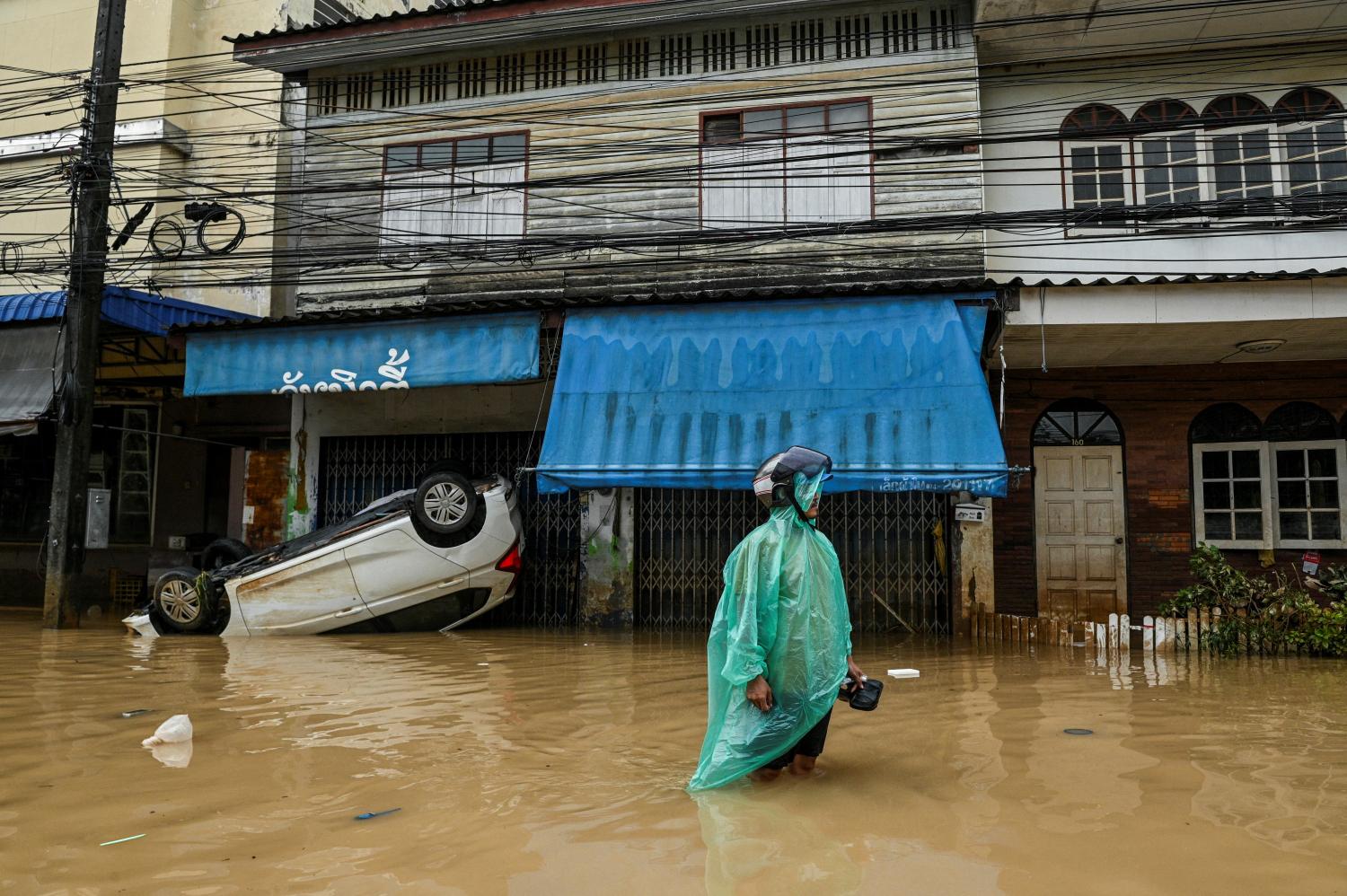
» The global oil and gas crisis is worsening. Amid the Middle East war, the central banks of countries in Southeast Asia must address a perfect storm of rising fuel prices, cost-of-living pressures, and worsening impacts of climate disasters.

Fairness key during crisis
News, Editorial, Published on 06/04/2026
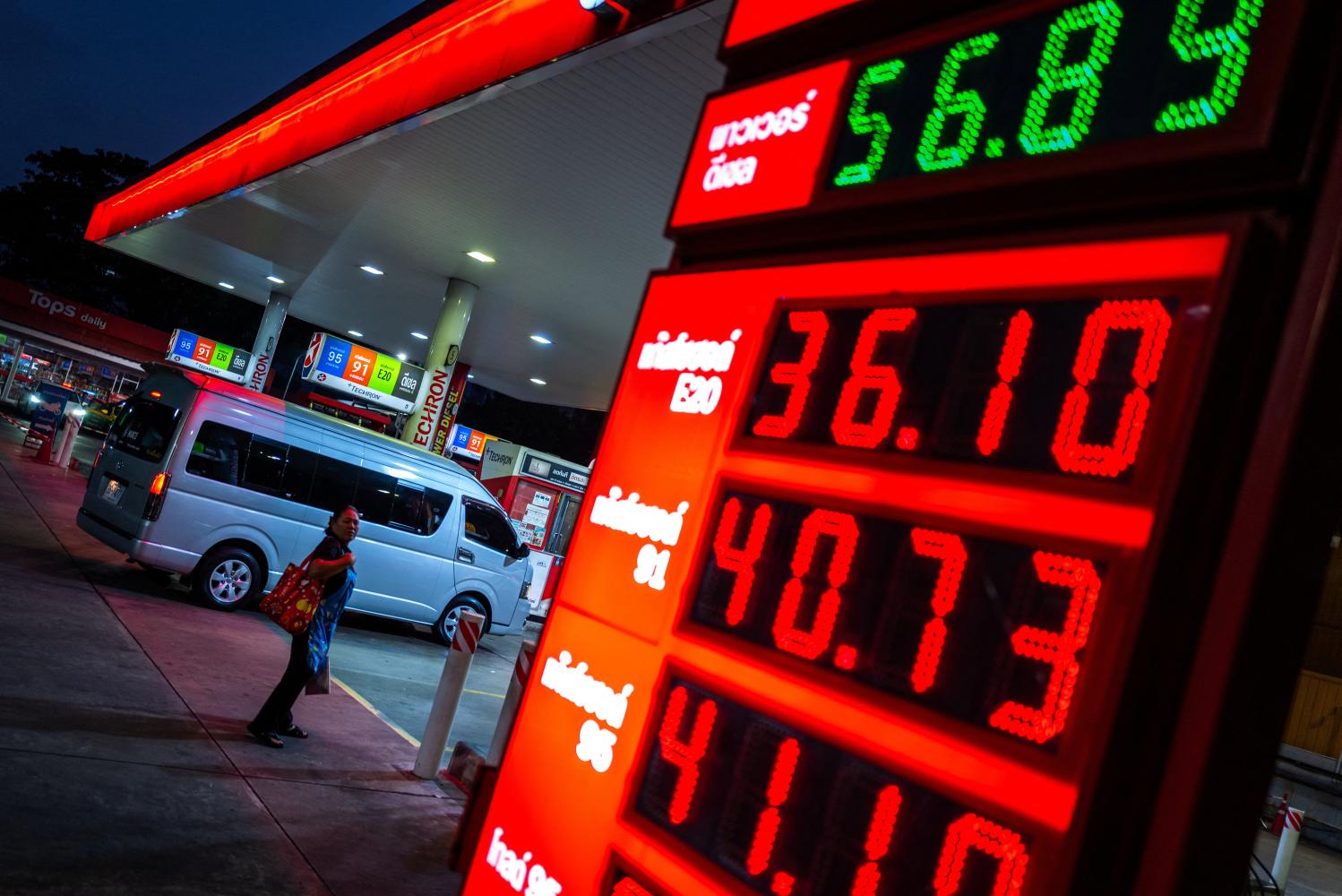
» Surging oil prices driven by war in the Middle East are forcing our new government to act more to rein in oil prices and pacify public anger directed at oil refineries.
Some shock therapy or slow healing?
Oped, Chartchai Parasuk, Published on 02/04/2026
» Do readers prefer shock therapy or slow healing? This is not a health question, but an important economic one.

Save women's sport
Oped, Postbag, Published on 31/03/2026
» Re: "Women's sport limited to 'biological females'", (Sport, March 28).