



Showing 1 - 10 of 1,738
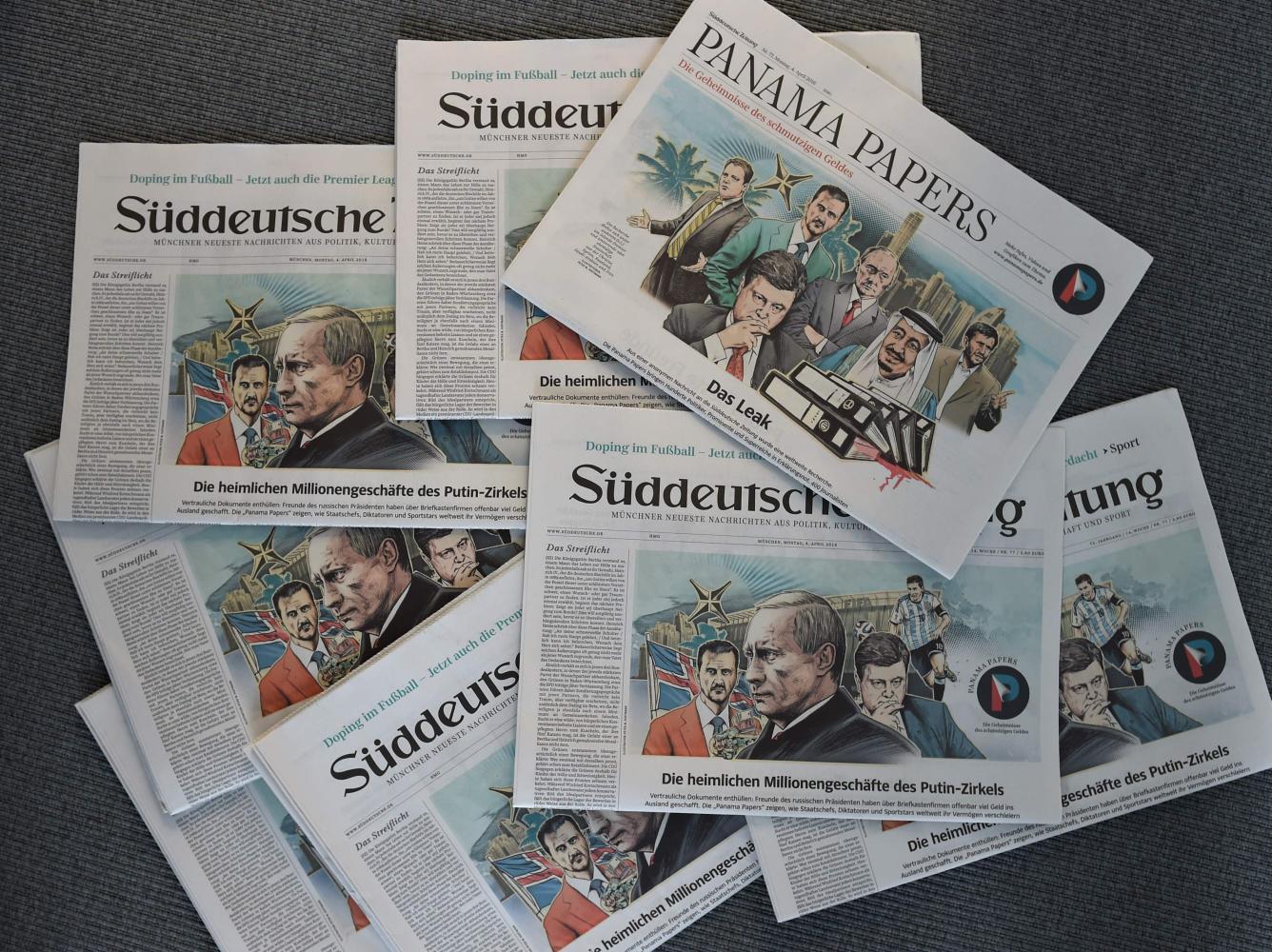
The deafening silence about offshore wealth
Oped, Frederik Obermaier & Bastian Obermayer, Published on 28/04/2026
» When John Doe, the anonymous whistleblower behind the Panama Papers, approached us, he handed us an opportunity. When the resulting investigation into the offshore finance industry was published on April 3, 2016, the world was handed a test. As investigative journalists, we seized the opportunity. Sadly, the world has failed the test.

The lesson that was all over the map
Roger Crutchley, Published on 26/04/2026
» Last week's item regarding the wonderful world of maps and atlases sparked memories of how a map played a key cameo role during my early days in Bangkok. It was 1969 and I was teaching at a commercial college. One of the subjects I was assigned was geography. After the first lesson it was clear there was a language problem. None of the Thai class understood a word I was saying.
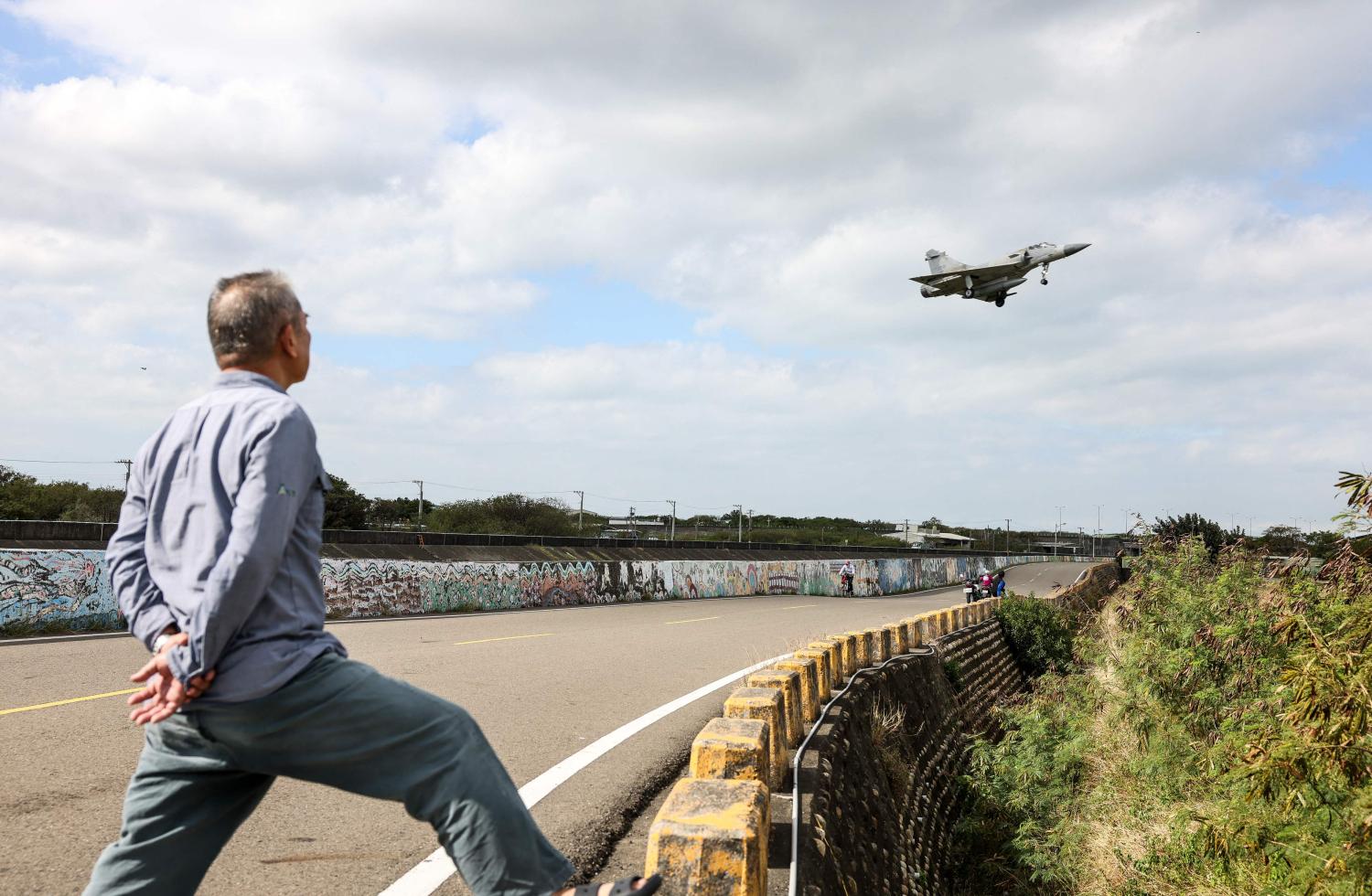
Chokepoints expose fragility of our global order
Oped, Todd G Buchholz, Published on 22/04/2026
» Most schoolchildren learn that the Earth is roughly 40,000km around. They do not learn that the global economy depends on just 160 of those kilometres.
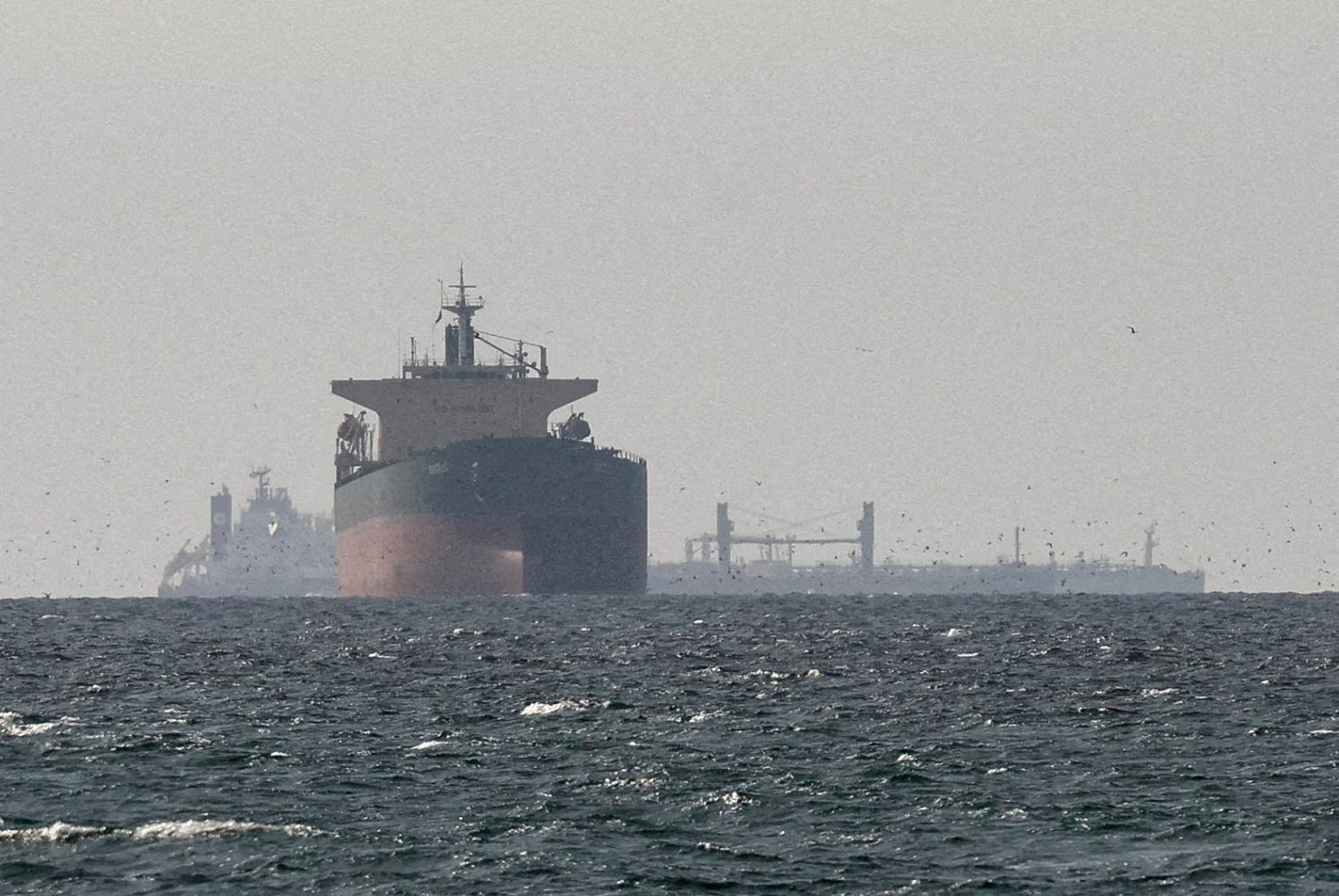
Is the Iran war America's Suez or its Gallipoli?
Oped, Yanis Varoufakis, Published on 21/04/2026
» When Egypt closed the Suez Canal for five months in 1956, it triggered events that shrunk the global standing of Britain's pound sterling, inaugurated the petrodollar age, and demonstrated how a small country can inflict serious damage upon the economic power that had subjugated it decades earlier.
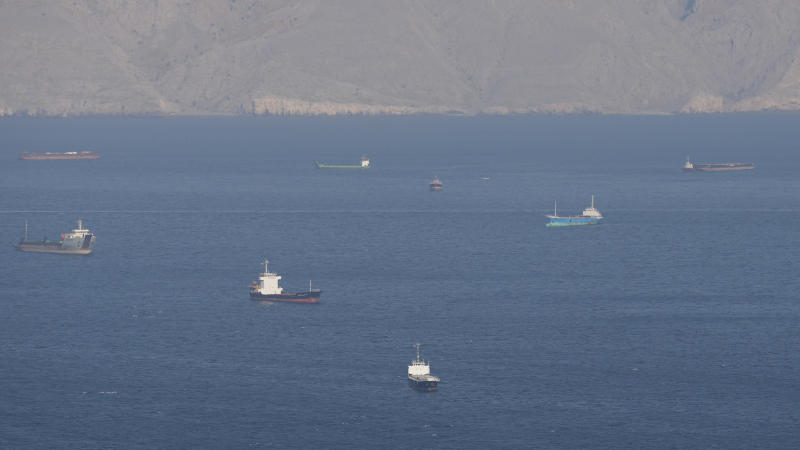
Opening Hormuz is the easy part, restoring oil flow is not
Reuter's columnist Ron Bousso, Published on 20/04/2026
» LONDON - The stop-start shipping traffic through the Strait of Hormuz underscores the profound uncertainty hanging over the world’s most critical oil and gas chokepoint. But one thing is already clear: even if the guns fall silent, flows through the narrow waterway will take months – and possibly years – to recover to pre-war levels.

Putting today's news on the map
Roger Crutchley, Published on 19/04/2026
» One of the few positive outcomes of the present Iran conflict is the impact it has had on geographical knowledge of the area amongst people around the globe. Every day millions switch on the television or their phones and the first thing they are likely to be greeted with is a map of the Middle East.
Hormuz crisis reveals energy resilience gap
News, Laura Carvalho, Published on 18/04/2026
» The closure of the Strait of Hormuz has triggered what the International Monetary Fund calls a "global yet asymmetric" rupture, disrupting the flow of roughly one-quarter of oil, one-fifth of liquefied natural gas, and one-third of fertiliser supplies. Energy and fertiliser prices have risen, supply chains have rerouted, and financial conditions have tightened unevenly around the world.
Chinese economy turns a corner
News, Stephen Jen, Published on 18/04/2026
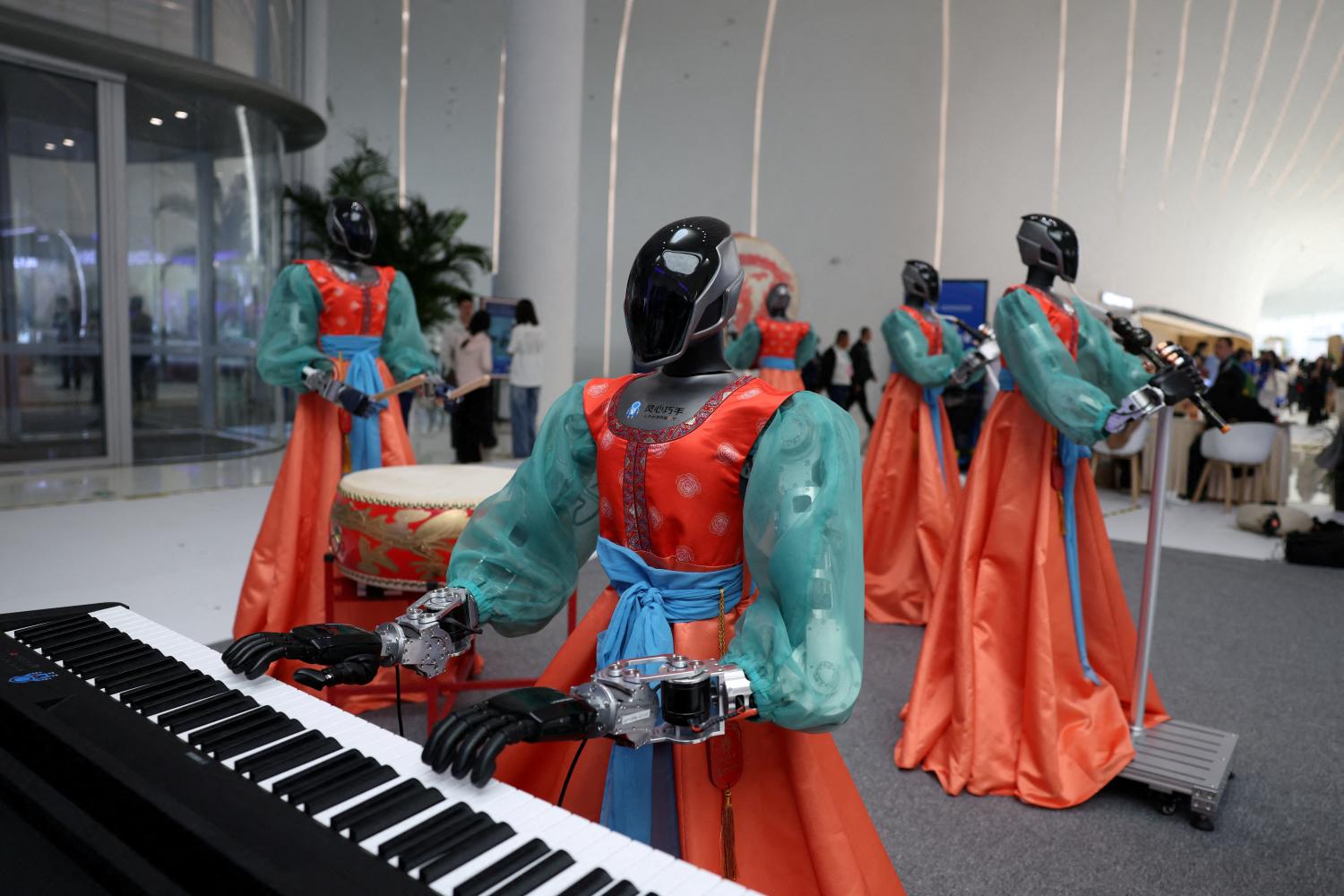
» China has turned a corner, finally. Five years after Beijing began cracking down on its bloated property sector, its economy is now on a much more sustainable path anchored in high-quality growth -- and the correction has left far fewer scars than many feared.

Myanmar looks east again in search of legitimacy
Oped, Larry Jagan, Published on 17/04/2026
» Myanmar understands it needs to reach out to the world if it is to end its isolation and roll back the sanctions much of the West has levied against it. To this end, the men in green, now in civilian clothes, are seeking the support of traditional allies -- China and Asean, especially Thailand -- as well as Bangladesh and Pakistan, in an effort to reset foreign policy and regain international acceptance.

When will the IMF ever learn?
Oped, Timothy Kaldas, Published on 16/04/2026
» This year's International Monetary Fund Spring Meetings come at a time of heightened economic uncertainty and intense scrutiny of the institution's capabilities and approach. Critics on the left argue that the IMF imposes regressive austerity measures on borrowers, exacerbating poverty, hampering economic growth, and undermining their ability to achieve debt sustainability. On the right, US President Donald Trump's administration has accused the IMF of "mission creep," claiming that it has strayed from its core mandate of maintaining macroeconomic stability.